Use the botanical name with a garden-group label
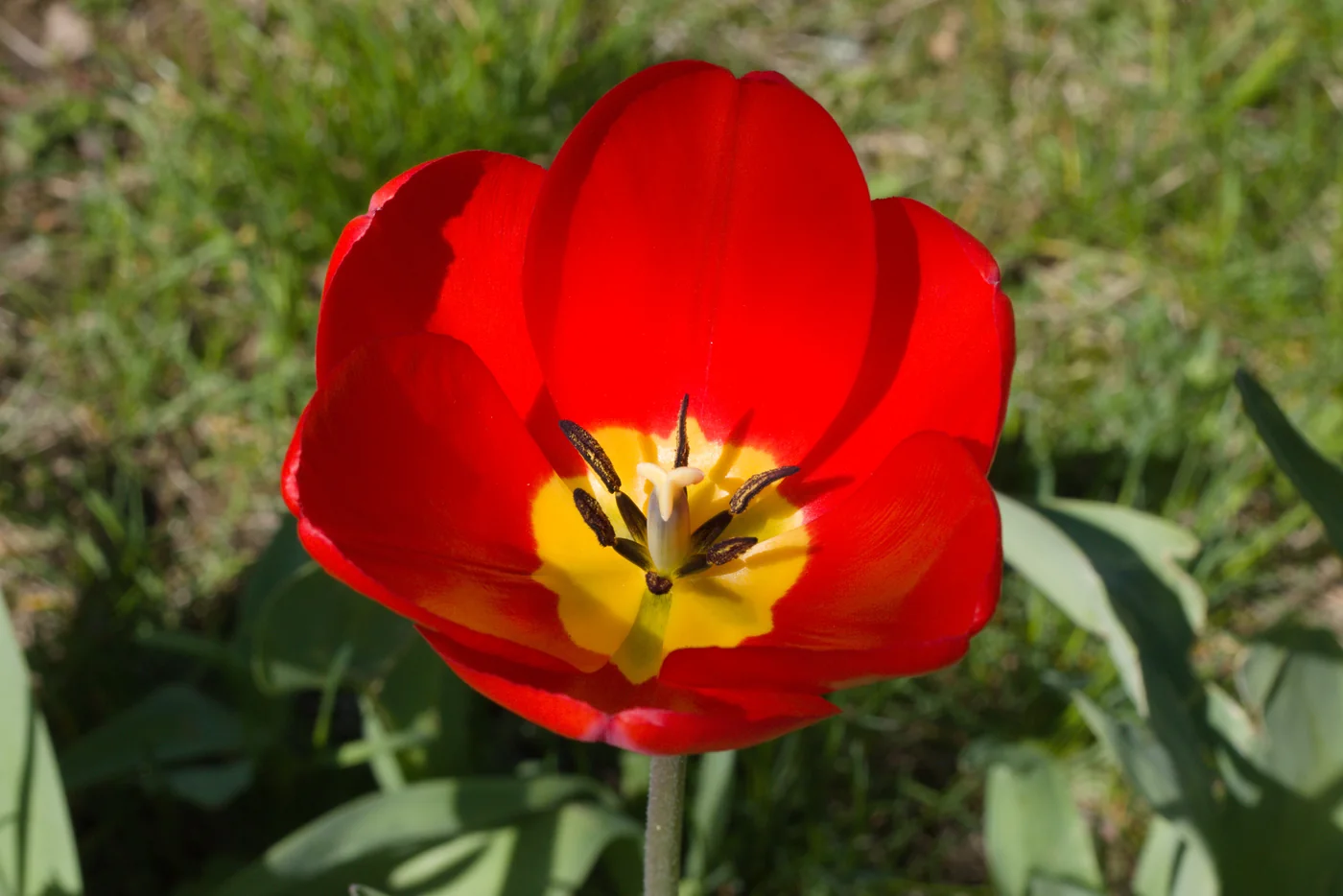
Kew accepts Tulipa gesneriana and describes it as a cultigen from Türkiye: a plant associated with cultivation rather than a simple wild-origin nursery identity. Garden tulips also include hybrids and cultivar groups with other ancestry. This profile uses a practical border-tulip scope around that name; it does not reassign every tulip cultivar to one species. Kew: Tulipa gesneriana
Retain the cultivar and group name on the packet. A description such as Darwin Hybrid, Triumph or Double Late gives information that garden tulip alone cannot provide. If you buy a mixture, keep the mixture name and supplier’s description instead of assigning identities from color after flowering.
Separate purchases of named wild species into their own plan. Their stature, season, moisture preferences and ability to multiply can differ substantially. A species selected for a rock garden is not merely a smaller substitute for a large border tulip, and a garden hybrid’s care summary should not erase that distinction.
Choose what a successful spring display means
Decide whether you want a concentrated seasonal show, an extended sequence of colors, stems for cutting, or bulbs that may flower again in the same bed. Those goals can share a garden, but they should not silently share one purchase specification. A dramatic entrance display may justify replacing bulbs each year, while an informal border may tolerate variation as you learn which plants persist.
Iowa State identifies Darwin Hybrids as among the better returning garden hybrid types, while many popular border groups decline with time. That is a comparison within suitable conditions, not a guarantee for every garden. Iowa State: Perennial tulip types
Allocate a defined area to each goal. Keep an annual display separate from a labeled return trial so that autumn planting does not accidentally bury new bulbs among unrecorded old ones. This also prevents a few surviving flowers from being mistaken for evidence that the original dense display returned intact.
Read the spring scene before choosing height
Measure the view from the path or window, including the height of plants that will surround the tulips at flowering. Compare the supplier’s mature height against that scene, not against the height of dormant bulbs in the package. A tall group can be hidden if it sits behind rapidly growing foliage, while a short group can disappear from a distant viewpoint.
Garden tulip groups differ in bloom time as well as stature. Iowa State describes a season that can be extended by selecting different groups, with actual dates changing with spring weather. Iowa State: All about tulips
For a coordinated display, compare flowering periods within one supplier’s descriptions and verify with local experience later. Treat early and late as relative positions in a local season. If a color pairing must overlap, record its overlap in your own garden before expanding it. A catalog photograph may combine flowers that do not peak together where you live.
Make drainage and access part of the bed plan
Walk the area after substantial rain. Identify where water stands and where summer irrigation is concentrated. A visually prominent low pocket may be less suitable than a slightly less conspicuous, well-drained edge. If the bed is being rebuilt, settle the drainage question before ordering bulbs in bulk.
Leave enough access to place bulbs at the intended depth without damaging established crowns or woody roots. A trowel suits a small set of pockets, but a densely planted seasonal bed requires a workable soil area and room for repeated planting. Existing perennial roots are a reason to adjust the pattern, not force a planting tool through them.
For a trial intended to return, record the location relative to fixed edges. Include the summer use of the bed: whether it stays planted, receives regular irrigation or is cleared for annuals. These choices help explain later differences between groups that looked equally strong in their first spring.
Inspect the bulb and keep the order identifiable
RHS guidance recommends firm tulip bulbs without mold; a loose or missing papery outer skin alone does not determine flowering quality. Inspect batches on arrival while the labels and order details are still together. RHS: Growing tulips
Set aside visibly soft or deteriorated material and photograph it for the supplier. Avoid peeling or cutting healthy bulbs solely to inspect an unfamiliar interior. Record the usable count before laying out the bed, and adjust the layout if the order contains fewer sound bulbs than expected.
Keep different cultivars in separate containers until planted. Photograph each label alongside its position and use a durable marker for groups that will remain. A named photograph of a bag is useful only if you can connect it to the planting next spring. If identity is lost, record an unknown mixture rather than inventing a cultivar name from a similar online image.
Manage containers as temporary landscapes
A container gives control over display placement and makes it possible to change the scene after flowering. It also concentrates the entire crop in one root environment. Choose the vessel’s drainage, depth and filled weight before the ornamental finish. The opening should permit planting and later removal without prying fragile growth through a narrow neck.
Plan where the pot spends winter, where it stands in flower and where any retained bulbs finish their leaf growth. Those may be three different places. Make sure every move is practical when the vessel is wet and heavy. If the pot must stay in one place all year, choose companions and the display cycle accordingly.
Use the container guide for the drainage system and the regional spring-bulb guide for local chill planning. An attractive pot on an enclosed porch does not automatically receive the winter conditions a tulip needs. A warm indoor gift display and an outdoor autumn-planted pot are different starting points.
Protect what is actually causing losses
Tulips are attractive to deer, rabbits and several bulb-eating mammals. Iowa State recommends exclusion as the most dependable prevention where these animals are responsible. Missing bulbs, cut foliage and eaten flower buds should be recorded as separate observations. Iowa State: Tulip problems
Before purchasing protection, identify the damage stage and likely animal. A measure aimed at digging after planting may do nothing for spring browsing. Check that any physical protection can accommodate the eventual stems and be inspected without crushing emerging growth. A protected courtyard can be a better tulip site than an exposed boundary even when both have similar sunlight.
For unexplained leaf distortion, spotted collapsing tissue or repeated losses, photograph the whole planting and affected parts and seek local diagnostic help. Do not assume an unusual petal pattern proves virus disease; named patterned cultivars exist. Equally, do not propagate a declining plant merely because its changed flowers look interesting.
Evaluate return by flowering, not emergence alone
For bulbs you intend to retain, preserve the leaves through their natural decline. NC State Extension: Tulipa Record flower count and approximate stem quality separately from leaf emergence. Several leafy shoots around an old planting do not provide the same display as the original flowering bulbs.
Keep annual replacement beds and return trials separate during cleanup. If you change the plan after flowering, update the marker and notes immediately. The relevant decision is what the bulbs will be expected to do next year, not whether keeping them seems more virtuous than replacing them.
After another spring, compare the result against your original goal. Keep groups that offer a useful display with acceptable work; move the trial or change the group where conditions clearly conflict. If repeat flowering is the overriding requirement and suitable border hybrids repeatedly disappoint, research locally appropriate species tulips separately. Repeated fertilizer purchases cannot establish that an unsuitable tulip belongs in a particular climate.
Sources and scope
Research-based guidance informed by institutional references. Cultivar, region and growing conditions can change the advice. Product inclusion does not imply hands-on testing of every model.