Choose a fruiting type that can finish its crop
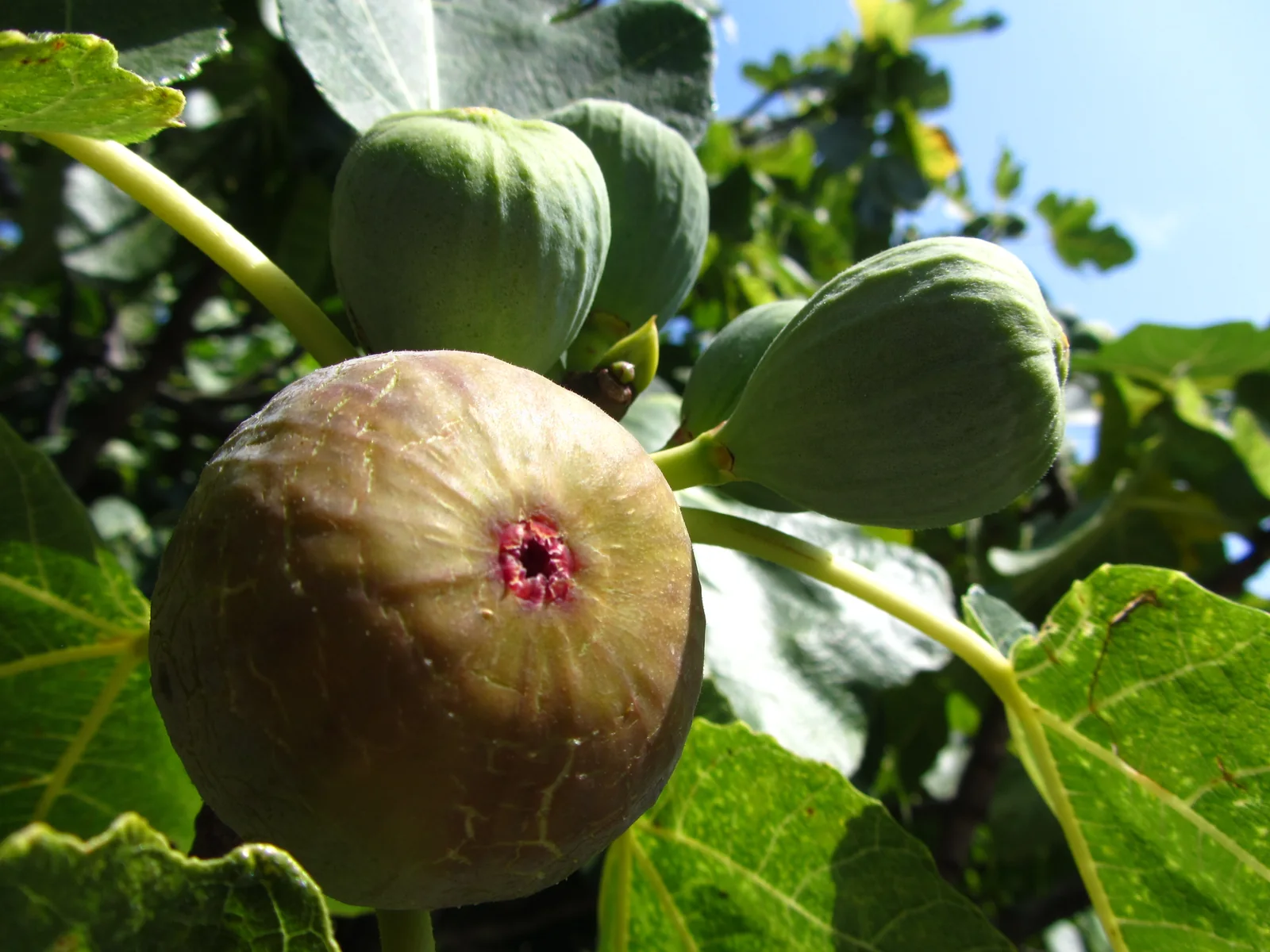
Ask the nursery for the fig's full identity and its pollination requirements. The edible common fig is Ficus carica; a decorative indoor ficus is a different purchase. Within edible figs, pollination requirements also differ. University of Florida describes common, Smyrna, San Pedro, and caprifig types. Its fig publication explains why the fruiting type matters. For a straightforward home planting outside specialized fig-pollination areas, confirm that the selected crop can develop without that specialized system.
Next, ask about actual local ripening, not only the cold-hardiness claim. A plant may survive by regrowing after injury while failing to mature useful fruit within the remaining season. Find out whether the seller's harvest description refers to your region or a much warmer trial location. Avoid buying solely on a promise of early fruit without knowing what conditions produced that result.
Choose a modest harvest goal for the first container. If you want occasional fresh figs, manage one healthy accessible plant and learn its ripening pattern before expanding. If you expect large preserving batches, compare the space and care required across several mature containers. Nursery pot size and a photograph of a fruit-covered branch cannot predict the harvest your individual setup will provide.
Size the container around roots and movement
Maryland gives a minimum 15-gallon container as a reference for its established container-fig guidance, while New Hampshire emphasizes starting with a pot that fits the current root system and stepping up as it grows. These approaches describe different stages, not a reason to put every small cutting into a huge container. Maryland's container section explains the mature-volume and mobility tradeoff.
Measure the mature pot's route before filling it: gate width, door opening, step height, turning radius, and winter floor space. Include any plant dolly in those measurements. Compare containers using their filled weight and stability, not just the weight of the empty shell. A large decorative pot that needs several people to move can be a poor choice if protection depends on one person acting before a cold night.
Place a pot on a surface or support that allows drainage and makes movement possible. Check periodically for roots growing through drainage holes into the ground; an apparently portable fig can become anchored during summer. The container calculator estimates mix volume after allowing for root-ball space. It does not evaluate whether a deck, caster, or shelf can carry the completed setup, so use the appropriate load information for those components.
Set up a summer watering routine you can sustain
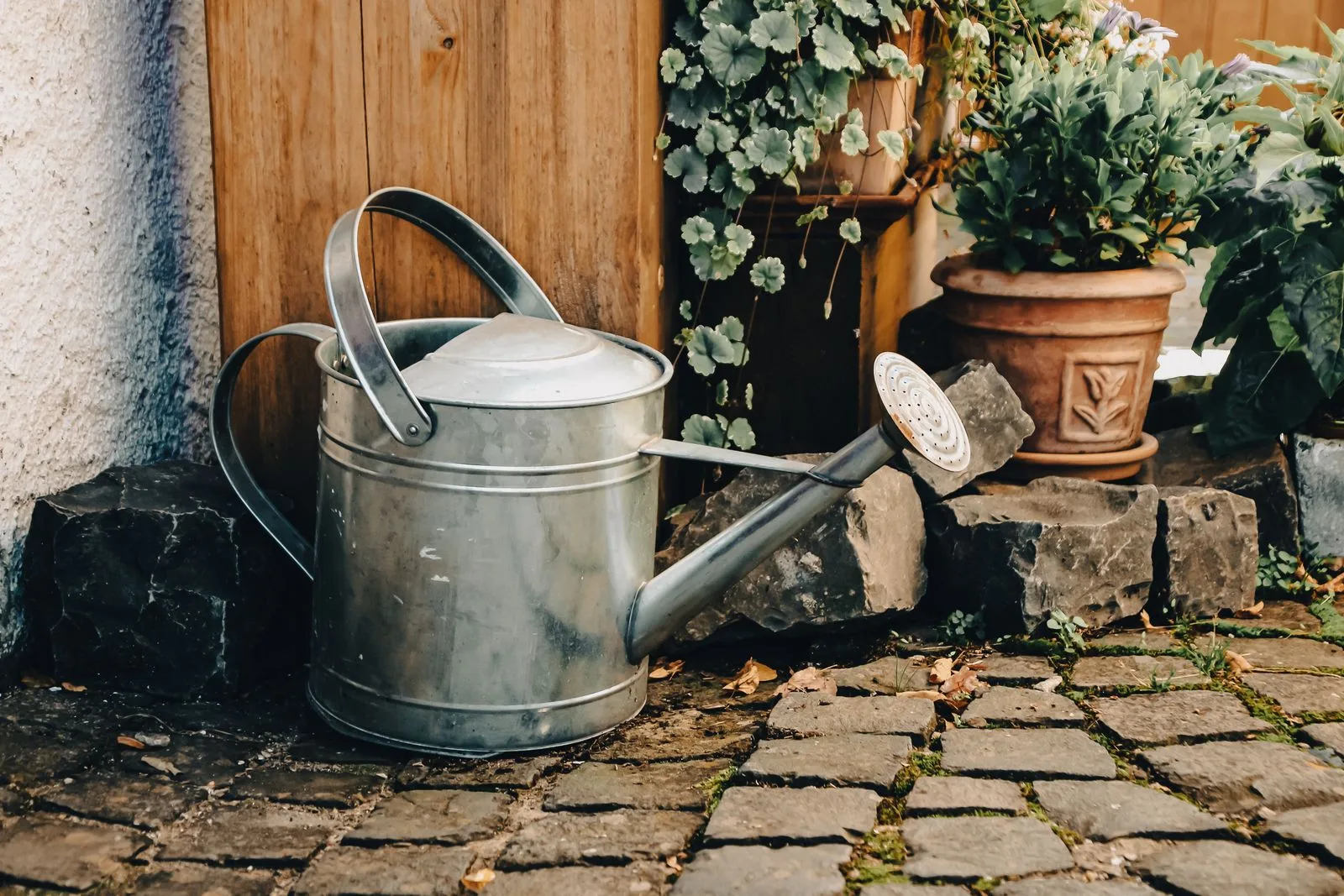
Use a container growing medium that drains and holds enough moisture for your conditions. Wet it evenly when potting, and confirm water can escape. New Hampshire recommends watering when the upper portion of the mix has dried while avoiding a continuously soaked root zone. Its container-fig guide connects mix, container size, and watering. Use that as a checking method, not a promise of the same interval in all weather.
Check the root ball itself when moving a nursery plant into fresh medium. Water can run around a dry compacted ball and leave the visible surface looking wet. Return after watering to inspect the result rather than assuming runoff proves uniform wetting. For a larger plant, arrange the watering point so you can reach both sides of the container without bending branches or hauling the pot into a different position.
Before a summer absence, prove the routine through several ordinary watering cycles. Write down where a helper should check moisture, how the water is applied, and where drainage goes. If using drip, inspect the area actually wetted and provide a backup for failed delivery. A fig with expanding leaves and fruit should not depend on an untested timer first switched on as you leave for a trip.
Manage growth without turning every cut into crop loss
Keep the canopy within the size you can maintain and move, using a pruning approach appropriate to the cultivar and its crop pattern. Some figs can carry an earlier crop on overwintered wood as well as a main crop on newer growth. Before shortening every branch to fit a doorway, identify which fruiting wood your plan relies on. A shorter plant can be easier to store, but the timing and extent of cuts affect what remains to fruit.
NC State warns that excess nitrogen can favor late soft growth and reduce desirable fruiting performance. Its fig-culture guidance connects feeding, growth, and winter vulnerability. Use a container fertilizer program and label rate suited to your plant rather than assuming more leaves always mean progress. Keep records of products and applications so the total feeding is visible when growth becomes excessive.
Assess root congestion when watering becomes difficult or vigor declines, but do not automatically cut roots from a stressed leafy plant on a hot day. Plan repotting or appropriate root pruning at a suitable stage with regional guidance. Have the receiving container and mix ready before removing the root ball. The purpose is to maintain a sustainable pot system, not to repeatedly damage roots because an inconveniently small container was chosen at the start.
Store a dormant fig according to measured conditions
As a deciduous plant, an outdoor fig naturally changes with shortening days and cooling weather. Yellowing leaves and leaf fall can be seasonal rather than a request for more fertilizer. New Hampshire describes moving container figs to a protected unheated location for their dormant period. It also notes that dormant roots still need some moisture, while greatly reduced uptake makes overwatering a concern. Match the timing to your local cold risk.
Measure the proposed storage area's temperatures before trusting its name. Garages, sheds, basements, and greenhouses behave differently, and even two corners of one structure can vary. Ask a local specialist for conditions appropriate to your plant and container rather than adopting an unverified temperature threshold. Keep the pot accessible for checking moisture and signs of animal damage, and preserve a drainage route during storage.
For a worked storage decision, compare a bright heated room with a protected cooler space whose temperatures you have recorded. The heated room may encourage inconvenient early growth; the cooler space may suit dormancy, provided it remains within the locally recommended range. Evaluate the measurements and the plant's stage. Do not repeatedly shuttle the fig into warmth to admire early leaves and then expose those leaves to outdoor cold.
Bring the plant back gradually and harvest by ripeness
If new growth begins while outdoor conditions are still unsuitable, provide the light and protection that leafy growth now requires. A previously acceptable dark dormant-storage spot is no longer the whole plan. Move outdoors gradually when conditions permit, protecting tender leaves from sudden strong sun and cold. Check moisture frequently through the transition rather than continuing the slow winter watering rhythm by habit.
Let figs reach appropriate softness and ripeness on the plant for fresh eating. NC State emphasizes their short keeping life and the importance of harvesting as they become ready. Use changes in softness and the cultivar's expected appearance together; fruit color alone may mislead. Have a use ready for each picking, and remove deteriorating fruit during routine inspection so it does not disappear into the foliage unnoticed.
At season's end, distinguish three outcomes in your record: the plant survived, the canopy developed well, and useful fruit ripened. A fig can meet one without meeting all three. If fruit repeatedly stalls late in the year, reassess cultivar timing, light, winter damage, and growth management before buying a larger fertilizer bag. The most useful container system is one that can complete its seasonal cycle within the space and attention you can provide.
Sources & further reading
We favor university extension guidance and original product documentation. Linked sources support the specific facts cited; they do not endorse Garden Gear Atlas.
- University of Florida IFAS: The fig
- University of Maryland Extension: Growing figs in Maryland
- University of New Hampshire Extension: Edible figs in containers
- NC State Extension: Fig culture in North Carolina