Container gardening · 4 min read
Container drainage starts with the whole pot
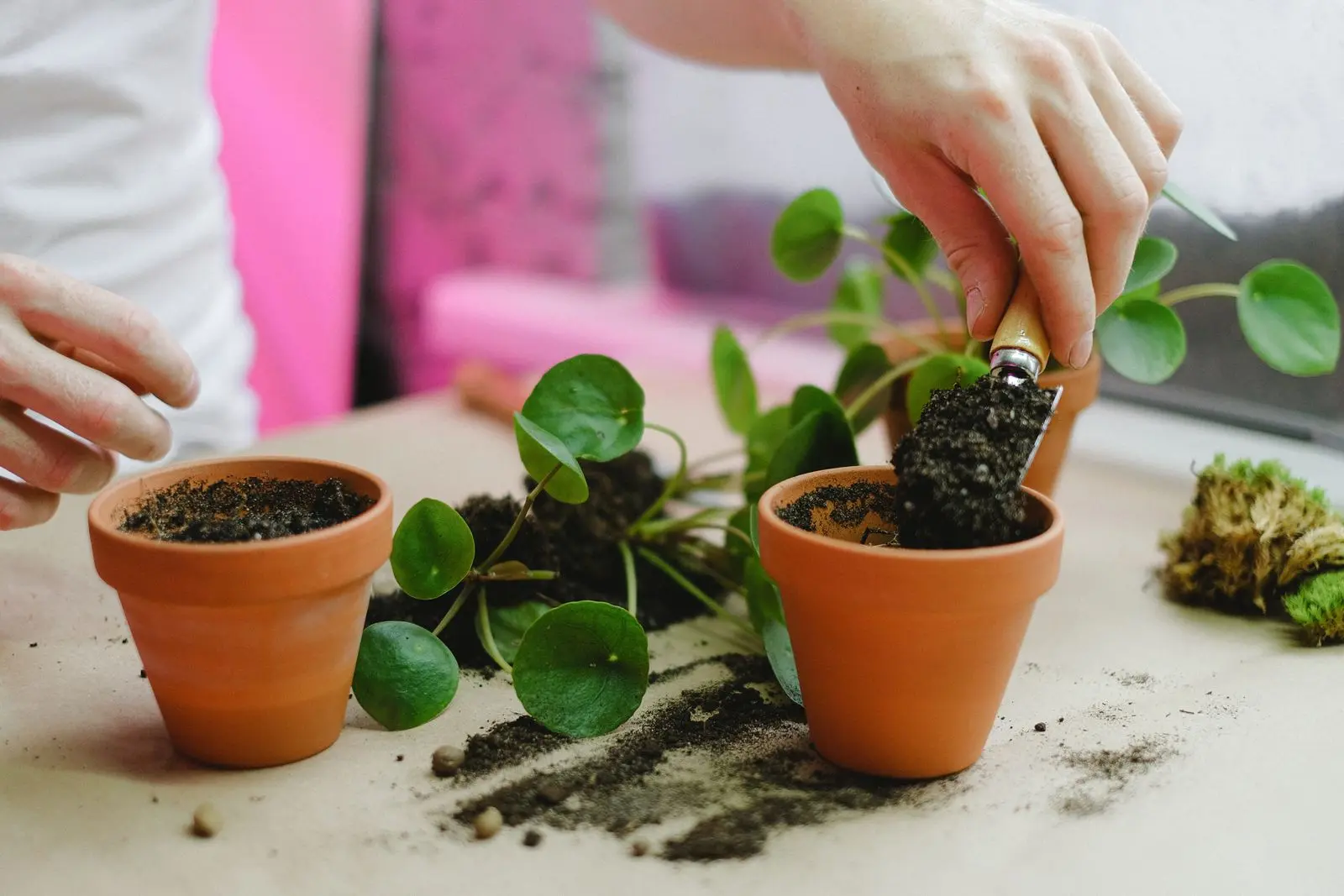
Fix container drainage with open outlets, suitable potting mix, and better watering checks. Learn why gravel at the bottom of a pot does not help.
Read the guideThe garden workbench
Estimate growing mix for round, tapered pots, allowing for headspace and root balls.
Use internal dimensions. Root-ball and bag entries remain in liters in either unit mode. For a cylinder, use the same top and bottom diameter. For rectangular containers, use the raised-bed soil calculator.
The pot is modeled as a circular frustum with straight sides. Its radius at the fill line is interpolated between the bottom and top. Volume = π × filled height × (bottom radius² + bottom radius × fill-line radius + fill-line radius²) ÷ 3. Cubic centimeters are converted to liters, then the existing root-ball volume is subtracted without going below zero.
Curved sides, thick drainage inserts, reservoirs, irregular root balls and compressed bags change real capacity. Measure the mix-holding chamber of a self-watering pot, not its outer shell. The result does not select a mix recipe or assess balcony load limits.
Use these guides to check the growing decisions behind your inputs.
Container gardening · 4 min read
Fix container drainage with open outlets, suitable potting mix, and better watering checks. Learn why gravel at the bottom of a pot does not help.
Read the guideSoil & compost · 5 min read
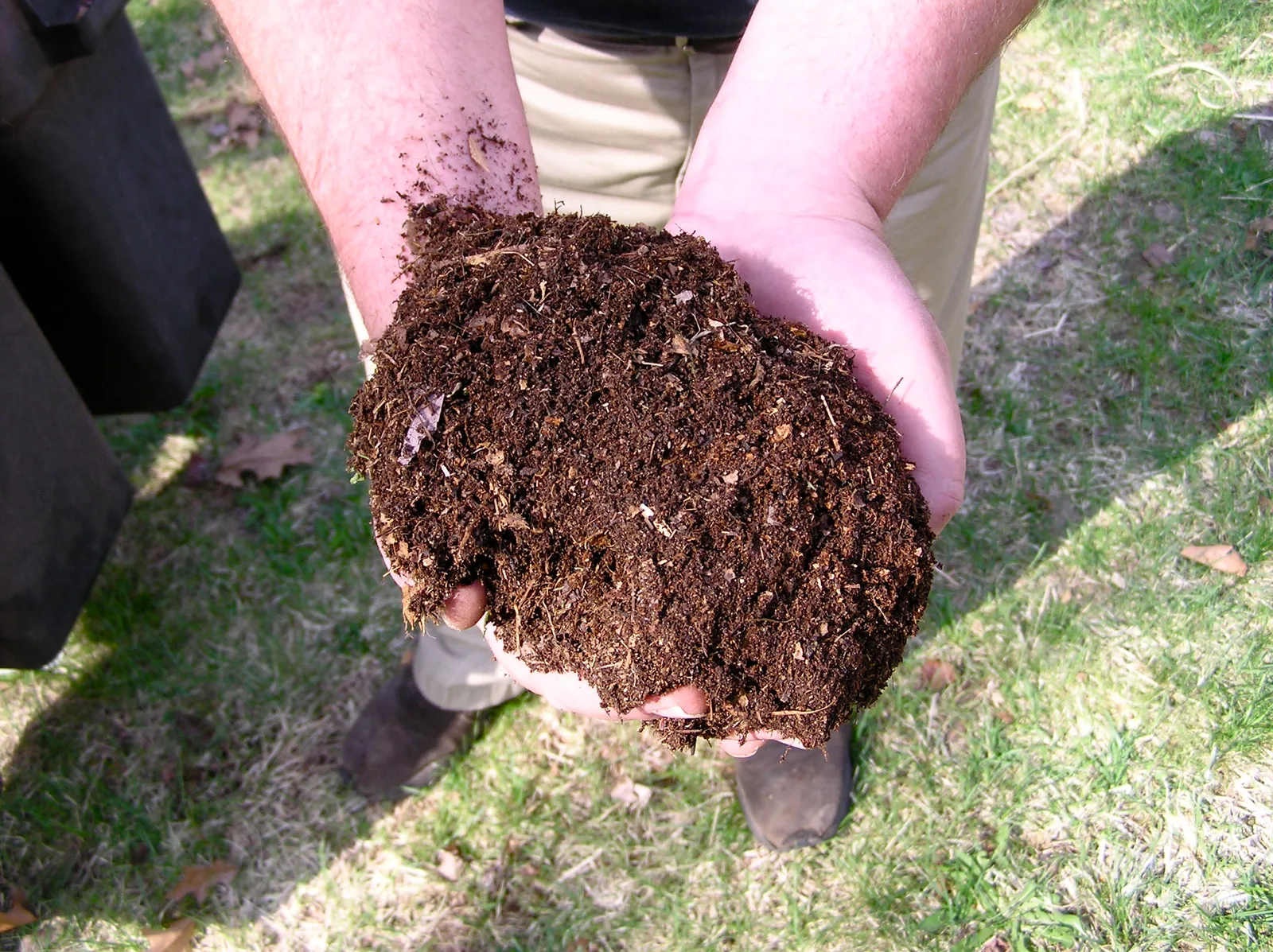
Understand potting mix, garden soil, raised-bed mix and compost. Match the growing medium to your container, bed and plant before buying.
Read the guideHouseplants · 6 min read
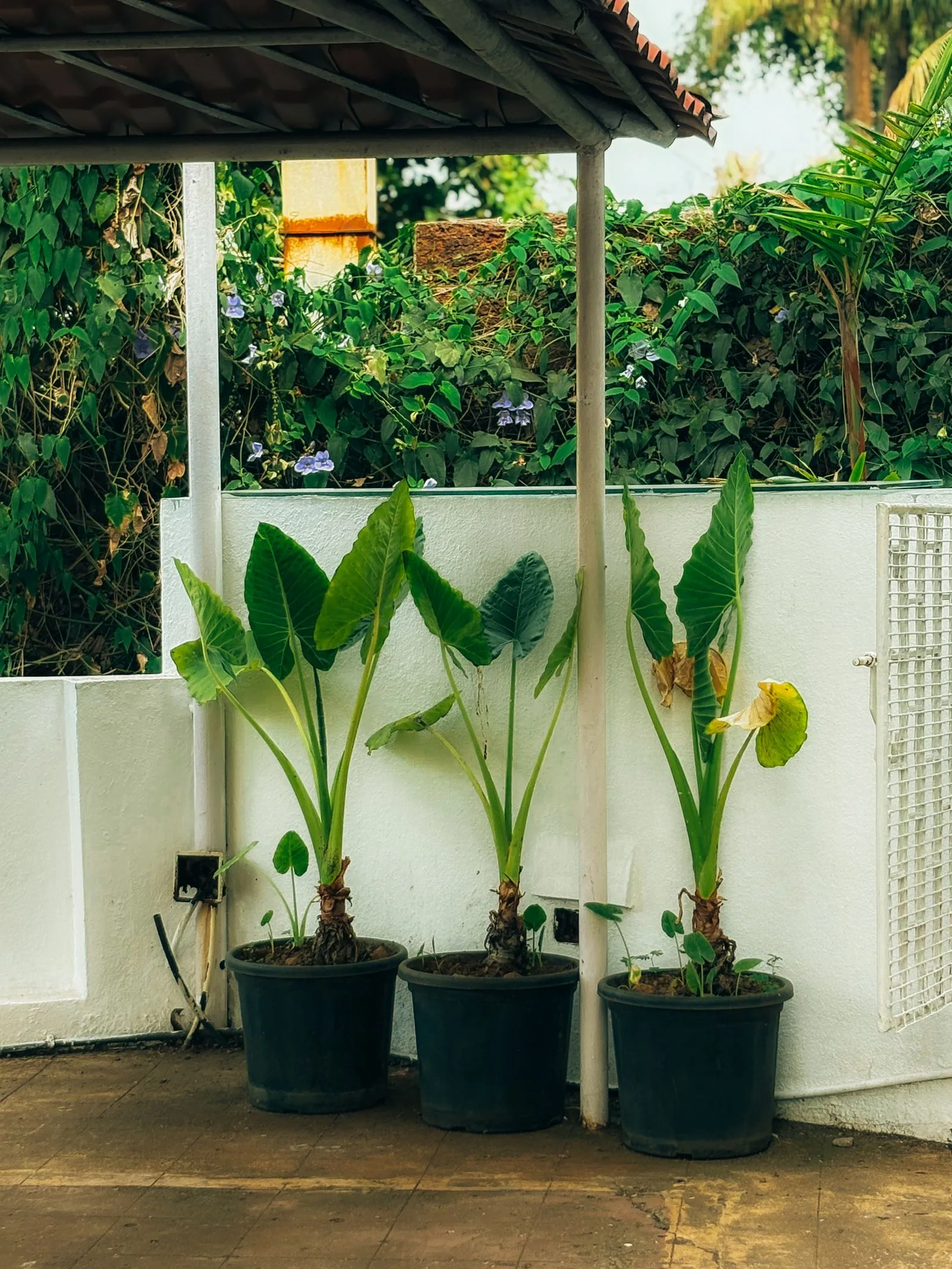
Separate genuine root crowding from watering, light, and potting-mix problems before choosing a larger houseplant pot.
Read the guide