Separate the connection from the decision
Start by identifying the hardware you already have. A faucet-fed circuit usually needs a controller that also opens and closes a hose-end valve. An installed sprinkler system may instead use a wall-mounted controller connected to separate irrigation valves. Those products are not interchangeable merely because both have an app. Photograph the existing arrangement and record valve models before comparing replacements.
Then identify the decision you want automated. A clock-based timer repeats the days, start times and durations you enter. App control may only make those same settings accessible from a phone. Weather-based scheduling adjusts irrigation using environmental information and landscape settings. A soil-moisture system uses measurements in the growing area. Write these as separate requirements rather than placing every connected product in one vaguely defined smart category.
When a straightforward timer is enough
A simple timer is a reasonable candidate when one well-understood circuit needs repeatable operation and you are available to adjust it. Useful features include a clear display, accessible manual run, understandable rain delay and a schedule you can inspect without remembering account details. A product that another household member can operate confidently may be more useful than one with many settings nobody understands.
The Rain Bird 1ZEHTMR illustrates the distinction: its documented functions include one zone, seven-day programming and a rain delay, while its operating pressure is 15–90 psi. Those are timing and supply characteristics, not proof of moisture sensing. A timer still needs compatible irrigation downstream and inspection at the plants. Rain Bird timer specifications.
Before buying, write a plausible weekly schedule on paper and check whether the controls can express it. Verify the difference between start times, watering duration and interval. Two starts are not two independently plumbed zones, and two outlets do not increase the water available from one faucet.
What weather-based control adds
EPA explains that weather-based controllers combine local weather data with landscape information to adjust scheduling. That can reduce the burden of seasonal changes, but the setup still needs accurate information about the irrigated area. WaterSense is a defined certification program; the word smart in an advertisement is not equivalent to a verified WaterSense listing. Do not assume a feature or certification applies to every model in a brand. EPA weather-based controller explanation.
Think about how the chosen weather information represents your garden. A sheltered pot under an eave may receive little of the rain recorded nearby. A shaded border and a windy patio also have different conditions. Use the app's zone descriptions carefully and observe whether its decisions make sense. Weather automation is most useful when you can understand what inputs it uses and correct a mistaken assumption.
Ask whether the system changes duration, skips events, or creates an entirely new schedule. These are different behaviors. Keep a record of the initial settings so a surprising result can be traced to a deliberate change rather than guessed at.
What a moisture sensor does—and does not—prove
EPA describes soil-moisture-based controllers as using measurements in the ground to override irrigation when it is not needed. That is a different source of evidence from a weather forecast. It is not the same as a handheld moisture meter you occasionally insert into a pot, nor does a displayed percentage automatically establish a crop-specific irrigation threshold. EPA moisture-based controller explanation.
Read the sensor instructions before deciding where it belongs. A measurement is taken somewhere, not everywhere. The point immediately beside an emitter can behave differently from the outer root zone, and one container cannot necessarily represent several mixtures and sizes. The useful buying question is whether the supported sensor arrangement matches the variation in your planting.
Also distinguish monitoring from control. Some devices only report a measurement; others can interrupt or initiate watering through compatible equipment. Confirm the complete supported chain, including any controller, gateway or subscription requirement, before treating a sensor as an automatic watering solution.
Map the connectivity chain before relying on it
For a connected setup, list the phone, timer, hub, router and internet service separately. Then check which link is needed for initial programming, local manual operation, saved schedules, remote changes and notifications. A Bluetooth connection nearby is not automatically remote access from another town. A Wi-Fi label does not establish which network band or accessory is required.
Orbit's published B-hyve guidance distinguishes local Bluetooth operation from features enabled by a compatible hub and says saved schedules can continue locally during an internet interruption. Treat that as model-specific documentation, not a promise about every connected timer. Read the exact generation's instructions and test the arrangement at its final faucet position. Orbit connectivity and local operation.
Arrange a harmless supervised test before leaving home: confirm the displayed schedule, run a short manual cycle, and verify that you can stop it. If you test loss of connectivity, do so while present and follow the manufacturer's guidance rather than disabling unrelated household services.
Check the water-side requirements independently
Regardless of intelligence, the valve and irrigation circuit need compatible pressure, flow, threads and outdoor installation conditions. Record the timer's minimum and maximum operating pressure. Check the lowest-rated connected component and the required regulator for the watering devices. A controller cannot create pressure that the supply lacks or repair an undersized line.
Keep the physical assembly supported and accessible. A collection of splitters, timers and filters can put considerable leverage on a faucet when a hose is pulled. Follow the component instructions and ask the supplier about an appropriate supported layout if needed. Do not infer permanent plumbing suitability from the fact that a device is waterproof or remotely controlled.
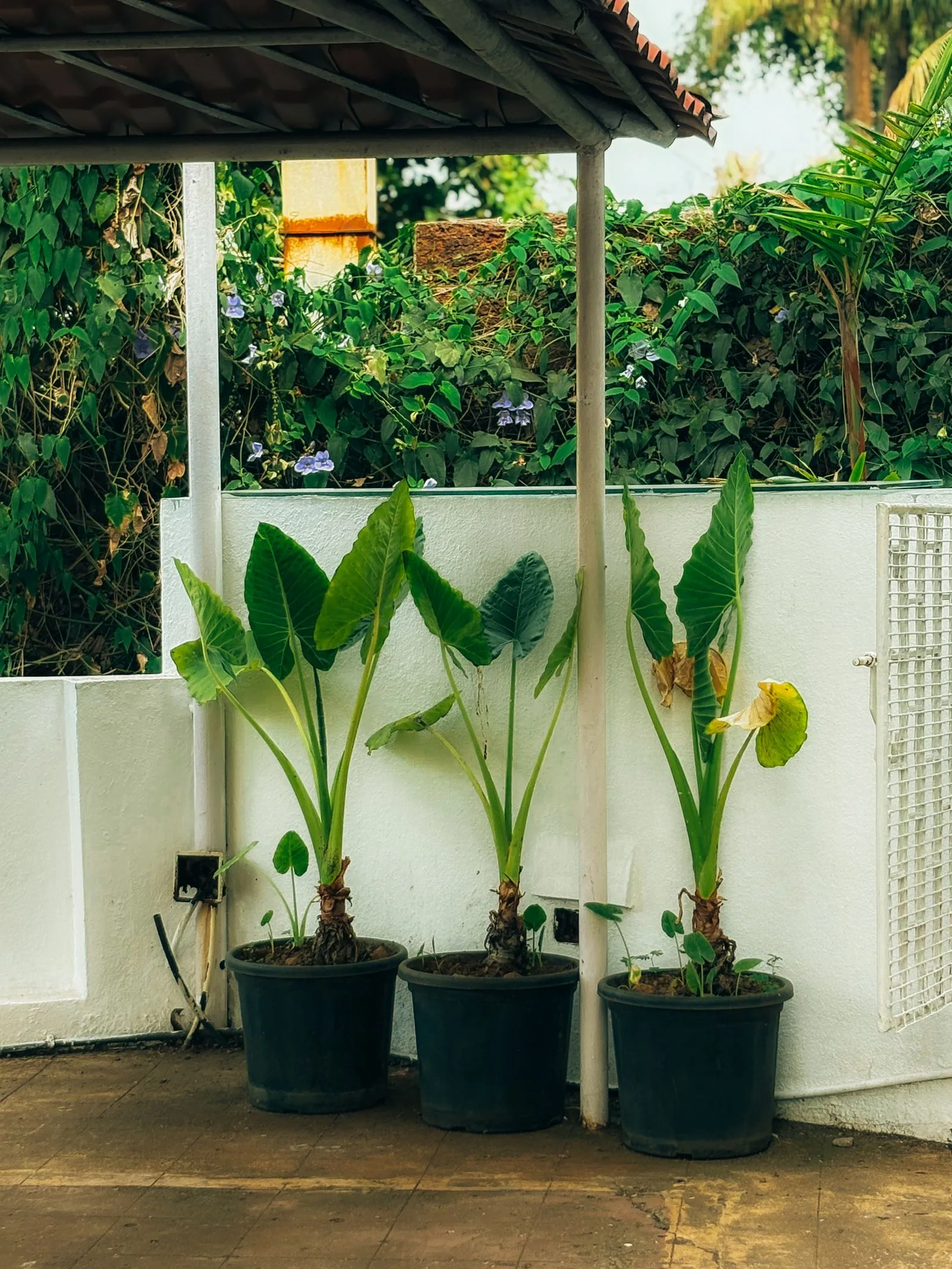
Name zones by plants and location, not merely outlet number. A label such as patio pots makes a manual intervention clearer than station two, especially when someone else needs to operate the system.
Compare two realistic ownership scenarios
Consider a single bed that you inspect each morning. If the main frustration is forgetting to shut off a hose, a timer with clear manual controls and an understandable schedule may address the problem directly. Add the filter, pressure control and connections the bed requires, then judge whether that complete arrangement is easy to check. Remote access is optional in this scenario, not the defining requirement.
Now consider containers at a property you visit less frequently. Remote adjustment could be useful, but list who can respond to a failed valve, empty supply or disconnected line. Compare how each candidate reports a problem, what it can actually detect and which functions remain available locally. A connected controller becomes more valuable when its information supports a practical response. The comparison is therefore between two management routines, not between an old-fashioned device and an automatically superior new one. Write those routines down before deciding which features justify the extra setup.
Compare ownership, not just the purchase
Your comparison should include batteries, compatible hubs, replacement seals, winter storage, account access and the effort of checking alerts. Ask how schedules are backed up and what happens after battery replacement. Keep a printed or offline summary of the basic controls and the shutoff location where another responsible person can find it.
Consider whether you actually want remote changes or simply fewer trips to the faucet. If nearby control is sufficient, a more elaborate network may add little value. If you travel regularly, remote visibility can be useful, but a notification still needs someone able to respond. Decide who that person is before treating an alert as a complete contingency plan.
The final decision is not a contest between old-fashioned and modern equipment. Choose the arrangement whose decisions you understand, whose water-side requirements fit, and whose failures you can notice. Prove the irrigation circuit first; then choose how much scheduling responsibility you want to delegate.
Sources & further reading
We favor university extension guidance and original product documentation. Linked sources support the specific facts cited; they do not endorse Garden Gear Atlas.
- Rain Bird 1ZEHTMR specifications
- EPA weather-based irrigation controllers
- EPA soil-moisture-based irrigation controllers
- Orbit Gen 2 B-hyve timer and hub connectivity guidance