Start with the gap between inspections
Write the departure date, return date and longest period when nobody can visit. These are more useful inputs than calling the trip short or long. A four-day absence during mild weather and four days in a heatwave are different planning problems. Identify who can respond if the forecast changes or a device stops working; remote access without local help is only partial protection.
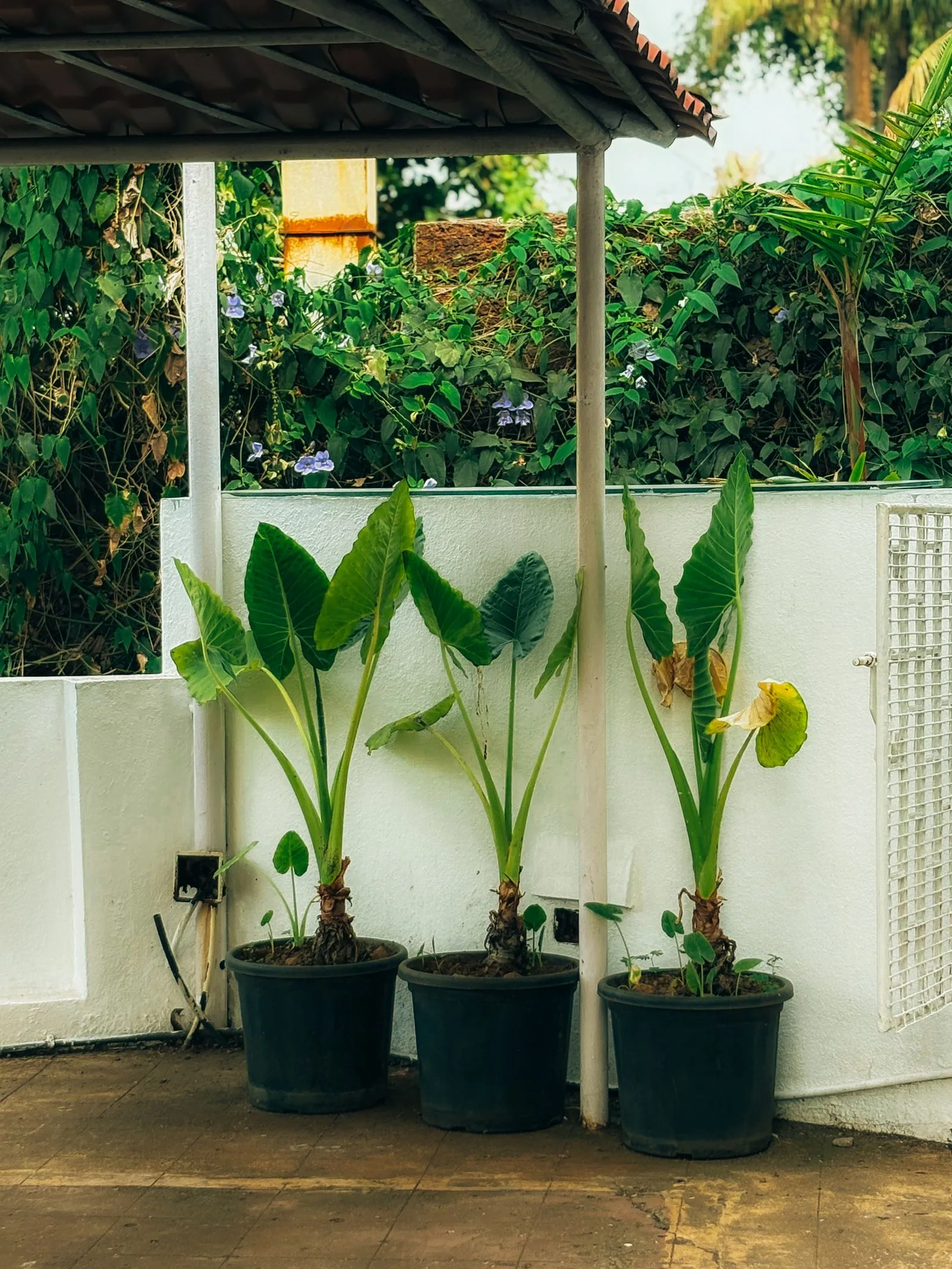
Walk the containers and divide them by observed need. Keep newly planted or consistently fast-drying pots separate from established plants that remain moist longer. Note containers under roofs, where a rainy forecast may provide little help. University of Maryland identifies plant size, container volume and location as important influences on watering frequency. UMD container-maintenance guidance.
Do not make a new automatic schedule from the number of plants alone. Your starting evidence should be how these particular containers behave between ordinary watering visits.
Choose among three practical arrangements
The first option is a person who checks moisture and waters only where needed. This suits a varied collection when the helper can reach every pot and follow clear instructions. The second is a correctly set up reservoir-style planter that you already understand. The third is a timed irrigation arrangement whose delivery has been checked at every container.
These options can be combined. A timer might handle a group of similar pots while a helper checks a few special cases and confirms the system is operating. Avoid adding complexity unless it resolves a specific problem. Three unfamiliar devices installed the evening before departure are harder to verify than one modest arrangement you have already observed.
Choose by the weakest part of the plan. If the helper cannot safely carry water to the balcony, improve access. If the reservoir runs empty before the next visit, shorten the inspection gap or change the arrangement. If the faucet supply is unreliable, a more sophisticated timer does not remove that limitation.
Use a rehearsal to estimate capacity
Set up the proposed arrangement while you are still home and observe it through a representative interval. Record which pots need intervention, how much usable reservoir water remains, and whether any area becomes too wet. A rehearsal is not a guarantee against different weather, but it is better evidence than an advertised number of vacation days.
For a reservoir, distinguish total container volume from usable water storage. Roots, wicking sections, overflow height and required residual water can all affect what is available. Follow the planter's instructions rather than filling a decorative outer pot and assuming it functions as a designed system. EarthBox supplies model-specific setup manuals; that kind of documentation should govern its use. EarthBox official instructions.
If you calculate a rough reserve, label the assumptions. For example, dividing a known usable volume by observed daily drawdown estimates an interval only under similar conditions. Do not turn that arithmetic into a promise that the plant will receive the same amount during a hotter or windier week.
Rehearse timed delivery at every pot
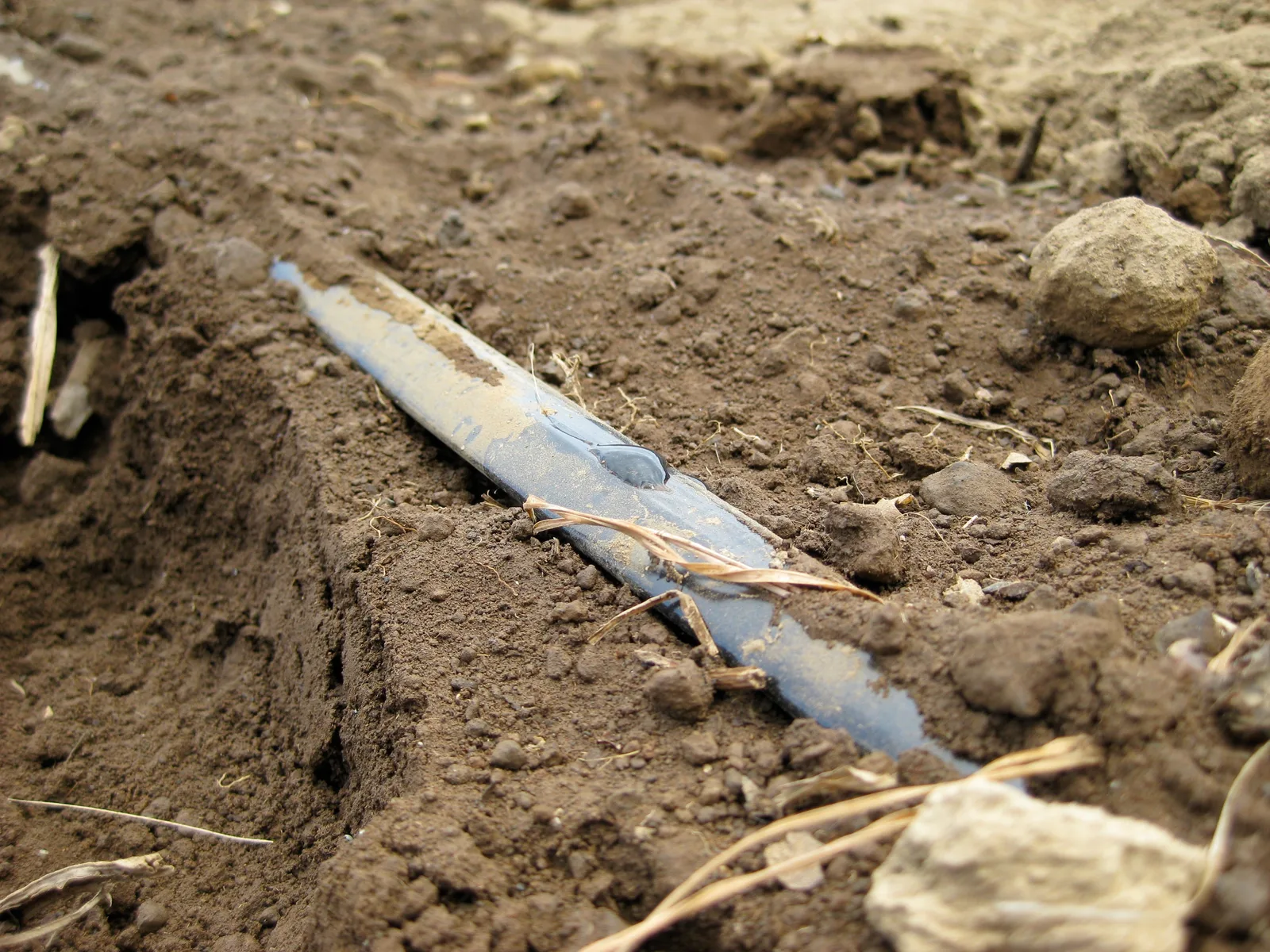
With a timed drip arrangement, begin by confirming that the valve opens and closes as expected. Then inspect the water delivered to each container. A correctly running timer is not evidence that the last emitter is connected, that a line is unpinched, or that the water enters the root ball rather than escaping down a gap at the pot wall.
Check both ends of the watering event. Look for leaks while the zone runs and confirm flow stops afterward. Verify battery condition and the schedule stored on the device. Follow the manufacturer's instructions for any rain delay or manual override, and leave the faucet in the position required for that particular system.
Do not assume an app makes the system self-verifying. Some products report schedules or valve activity without measuring moisture in every container. Ask exactly what an alert means. A notification saying watering occurred may describe a command, not an independently measured volume at each plant.
Keep tubing out of doors and walking routes. A helper must be able to inspect the collection without stepping across a network likely to be pulled loose.
Reduce demand without creating a new stress
Where appropriate, move manageable pots to a slightly more sheltered position before the rehearsal, not after it. The RHS suggests temporary shade during hot spells and notes that deeper containers hold moisture longer than shallow ones. It also recommends checking actual moisture rather than following a fixed universal schedule. RHS container-watering guidance.
Keep plants with similar care requirements together, but do not pack them so tightly that the helper cannot see or reach the growing medium. Avoid moving heavy containers in ways that risk injury or damage. A shade structure should be stable and should not create a new wind or access hazard while the property is unattended.
Do not perform unnecessary repotting or make several major changes just before departure. If a container clearly needs redesign, allow time to observe the revised setup. The aim is a predictable routine, not a last-minute transformation whose effects become apparent after you leave.
Write instructions that are useful at the plant
Label the containers or groups in a way that matches your written note. Give the helper a simple sequence: check moisture, water the identified pots as demonstrated, check drainage, and look for a disconnected line or overflowing reservoir. Show the task in person if possible. A short demonstration is often clearer than a page of unfamiliar terminology.
Specify exceptions prominently. The pot that should not receive the same treatment as its neighbors deserves its own label. State where the water source and main shutoff are, where spare compatible fittings are kept, and how to contact you. Do not ask a helper to diagnose wiring or repair pressurized equipment beyond what they are comfortable doing.
Leave a record sheet with date, pots watered and any observation. It need not be elaborate. A note that a reservoir was unexpectedly empty or one pot stayed wet helps the next visitor avoid blindly repeating the previous action.
Separate the emergency note from the normal watering note
Give a helper two short instructions instead of one long page. The normal note identifies the plants, the usual moisture check and the tested watering method. The emergency note shows how to stop the water, where a spare washer or connector is kept and which plants should be moved or checked first if the arrangement fails.
Include a photograph of the shutoff in its normal position and label any similar-looking taps. Ask the helper to find the shutoff and explain the plan back to you during the rehearsal. That is more useful than assuming a familiar-looking timer is self-explanatory. Make clear which changes they may make and when they should contact you. If the only available helper can visit every other day, build the plan around that actual interval. Do not write a daily inspection into the instructions unless someone has agreed to perform it; an unstaffed precaution is not part of a working vacation plan.
Plan for the failure you can actually respond to
List a few realistic problems: an empty reservoir, a loose emitter, a dead battery, a closed faucet, a heatwave or a delayed return. For each, identify the safe response and who can carry it out. If nobody can respond, reduce the dependence on that vulnerable arrangement before leaving.
University of California's heatwave guidance emphasizes inspecting containers, checking hot hose water and avoiding the assumption that rapid drainage means an evenly wetted root zone. Those observations make useful helper instructions during an unexpectedly hot period. UC container heatwave advice.
On departure day, use the rehearsed setup and record its final state. After returning, check the plants before resuming ordinary settings, then remove temporary measures that are no longer appropriate. Save what worked and what needed intervention. The next trip becomes easier when you improve a proven routine rather than starting the same experiment again.
Sources & further reading
We favor university extension guidance and original product documentation. Linked sources support the specific facts cited; they do not endorse Garden Gear Atlas.
- UMD maintaining container-grown vegetables
- EarthBox setup manuals
- RHS watering containers
- UC container plants during heatwaves