Locate the point where the plant moves
A leaning jade presents at least three different problems. The container may rock because its base is too small for the canopy. The root ball may shift inside a pot that remains steady. Or one long branch may hang beyond an otherwise secure plant. Set the pot on a stable work surface and observe those relationships without pushing the canopy back and forth. Make a simple sketch showing where the weight extends beyond the base and where any movement begins.
NC State describes jade stems as thick but brittle. NC State: Crassula ovata Avoid using a branch as a handle while investigating. Lift by the container and support the assembly from below when necessary. Remove nearby breakable objects before working, and ask for physical help if the wet pot is beyond what you can handle comfortably. The first useful result is a precise description of the failure, such as a stable pot with one unsupported branch, rather than the broad label of a floppy plant.
Separate a healthy lean from a failing base
Look for whether the lower stem is firm, whether the plant has recently become loose and whether the medium has remained damp. A long-standing lean toward a window is a different history from sudden collapse after repeated watering. If the root ball or base is suspect, set aside the aesthetic pruning plan. Take photographs of the plant and root area before disturbing it so the original condition is available if you need diagnostic help.
Maryland Extension explains that root disease can cause wilting despite adequate moisture and that soft, deteriorating roots deserve attention. Maryland Extension: Root Rots of Indoor Plants Do not identify a particular pathogen from the appearance alone. An inspection may reveal an anchorage problem, damaged roots or a still-healthy root system; each finding changes what comes next. A stake can hold something upright, but it cannot tell you which of those conditions is present. Avoid building an elaborate permanent support around a plant whose health is still uncertain.
Set a realistic light correction before reshaping
Wisconsin Extension associates insufficient light with drooping jade growth. Wisconsin Extension: Jade Plant Before cutting away that growth, decide where the replacement canopy will develop. Observe the intended position at the actual height of the branch tips. If a window frame, curtain or another plant blocks the light, moving the pot a little on the same shelf may not meaningfully change the situation.
Check natural-light quality and duration before choosing a growing position. Establish that position before shaping the plant around it. Minnesota Extension: Lighting for Indoor Plants
Choose the cuts by the outline you want to retain
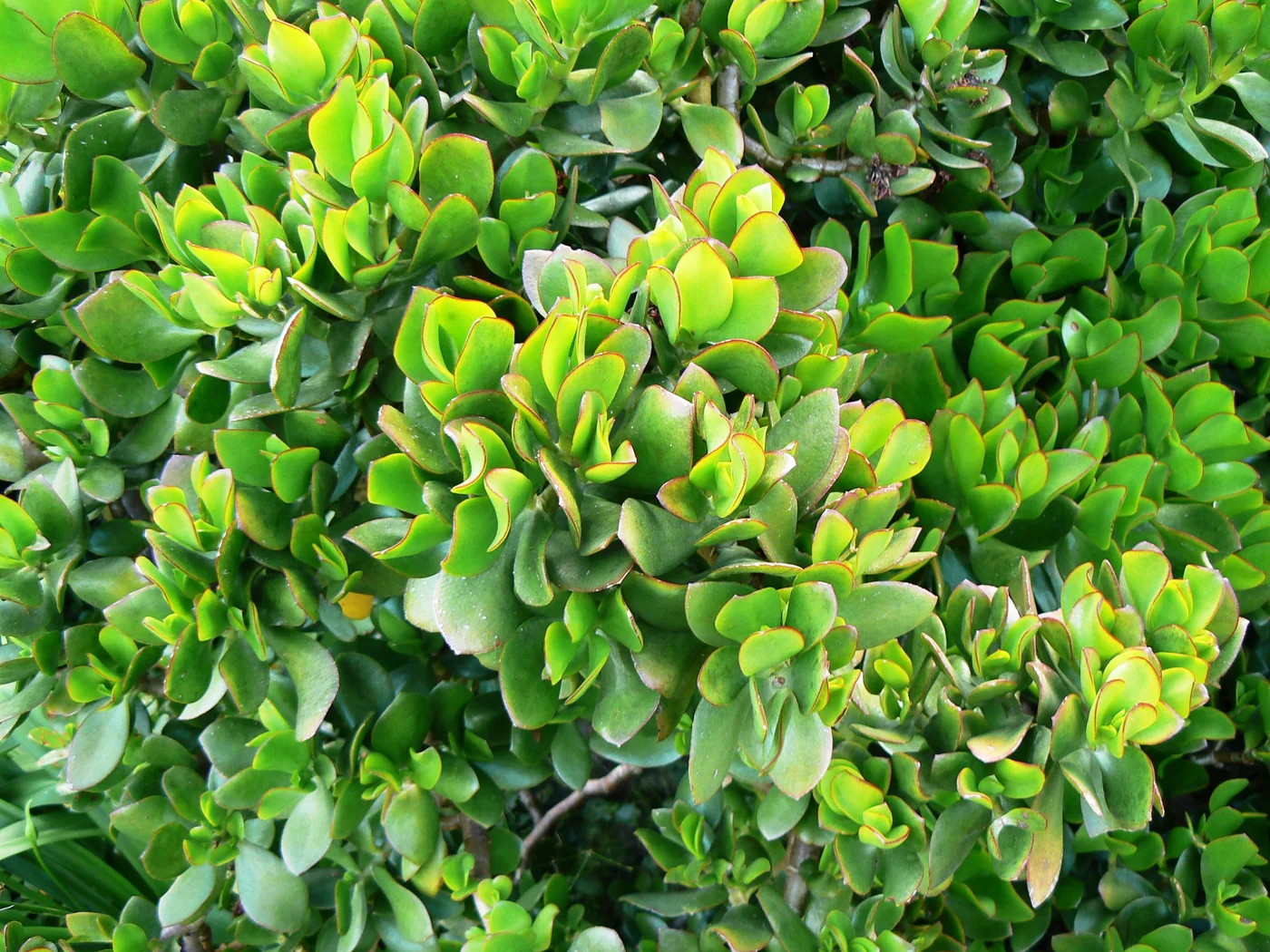
Select a small number of priority branches and consider each from its tip back toward the trunk. Look for an existing lateral branch that could become part of the retained outline. Wisconsin recommends jade pruning in spring, cutting back to a lateral branch. Wisconsin Extension: Jade Plant Use the plant’s active growth and health to inform the work rather than treating the calendar as a command to cut a stressed specimen.
Pause before every substantial removal and picture the remaining canopy. If your aim is to clear a walkway, shorten the branches entering that space; you do not have to reduce every side to an identical length. If you want a compact tree-like specimen, retain a framework you can describe and maintain. Avoid choosing a universal percentage to remove without considering how the particular plant is built. Keep the work deliberate, and stop when the immediate structural or space problem is resolved instead of making additional cuts just because the tools are out.
Match the cutting tool to the stem and your hand
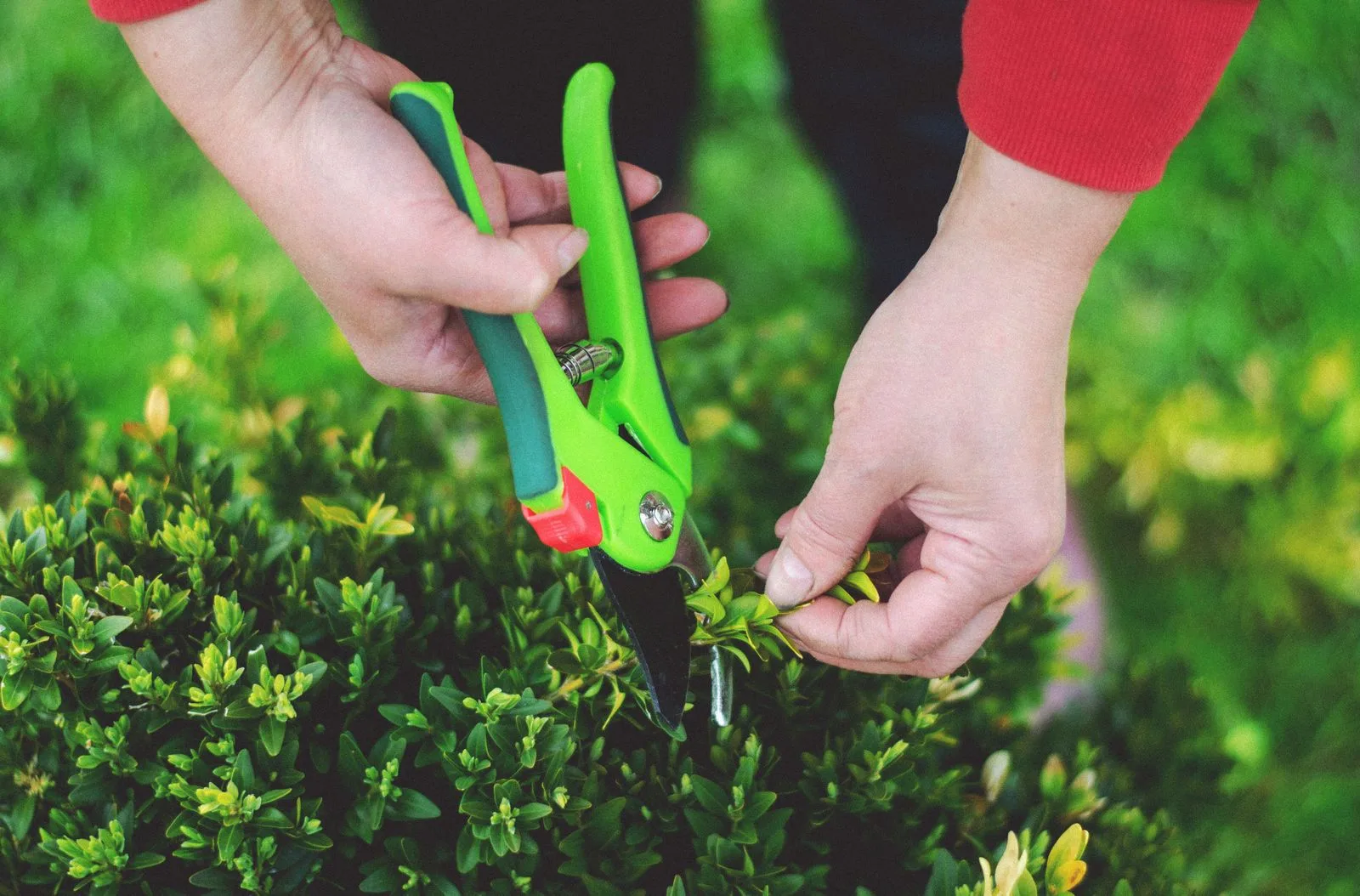
For each planned cut, choose a clean, sharp tool that reaches the point without crushing neighboring growth. A large pruning tool can be awkward among small leaves, while a tiny blade may require unsafe force on a substantial stem. Practice the approach with the blades open and the stem untouched. If you cannot see the cut clearly or keep the plant stable, reposition the container before proceeding.
For a grower who already owns a suitable small bypass pruner, the sensible purchase may be nothing. If considering the FELCO 6 pruner, assess its hand fit and access for your actual stems; another suitably sized, sharp tool you already own may meet the same need. Use the pruning-tool maintenance guide before working with a dirty or damaged blade. Keep healthy cuttings separate from discarded pieces from questionable tissue so propagation does not become an accidental route for moving a problem.
Resolve stability without automatically adding a large soil volume
Once the root condition is understood, compare the smallest practical container changes that would solve the instability. A broader stable base, a better fit between inner and outer containers, or a modest reshaping may be sufficient. Measure the root ball separately from the canopy. If the roots still fit their present volume, do not assume that a tall, heavy crown must be buried in a correspondingly deep pot.
RHS warns against overpotting succulents because unused medium can remain excessively wet. RHS: Houseplant Cacti and Succulents Treat temporary support as a distinct decision from repotting. If a support is necessary during establishment, keep contact broad and gentle, leave the lower stem visible and plan when you will reassess it. Do not use a tight tie to force a mature bend straight. A support should make inspection possible and reduce accidental movement while you evaluate progress, rather than conceal the point where the original failure occurred.
Decide what the removed material is for
A healthy jade trimming can become a replacement plant or a spare, but saving every piece is optional. Compare the shape of the cutting with the result you want: a manageable branch may already contain a useful framework, while a leaf is a slower observation project. RHS includes Crassula among succulents that can be propagated from leaves. RHS: Leaf Cuttings Keep that option separate from the decision about the parent’s structure.
For stem material, Wisconsin advises allowing the cut surface to heal before placing it in a well-drained rooting medium. Wisconsin Extension: Jade Plant Prepare a labeled space before taking more cuttings than you can care for. Identify the parent and distinguish clean trimming material from anything removed during a disease investigation. An inherited jade may justify establishing one healthy backup before attempting major cosmetic renovation. That is a practical way to protect continuity without assuming that every cut piece will root successfully or that every large old plant should be remade.
Review the outcome in the parts you changed
After the work, write down which problem you addressed and what you changed. A pot-stability correction should be judged by whether the container now sits securely. A light correction should be judged by the position and form of subsequent growth. A root intervention needs evidence of continuing plant health and establishment. Mixing those goals together makes it easy to interpret a tidy-looking plant as a fully recovered one before you have enough information.
Photograph the retained outline and keep the pot in an inspectable position. Reassess watering from the condition of the current root zone, especially if roots or container volume changed. Avoid repeated lifting by the trunk, frequent root checks or extra pruning simply to obtain reassurance. If the plant continues to soften or loosen, return to the health assessment instead of tightening support. For broader ongoing care, use the jade plant profile; for container comparisons, use the succulent pot and medium guide.
Sources & further reading
We favor university extension guidance and original product documentation. Linked sources support the specific facts cited; they do not endorse Garden Gear Atlas.
- NC State: Crassula ovata
- Maryland Extension: Root Rots of Indoor Plants
- Wisconsin Extension: Jade Plant
- Minnesota Extension: Lighting for Indoor Plants
- RHS: Houseplant Cacti and Succulents
- RHS: Leaf Cuttings