Choose a harvest system before the plants become crowded
A bed of closely spaced baby kale and several large plants for outer-leaf picking are different systems. Maryland Extension gives wider spacing for large plants and much closer spacing for repeated small-leaf harvest. University of Maryland Extension: Growing leafy greens If you want substantial leaves through a long season, do not leave every seedling from a dense sowing in place and expect all of them to become broad mature plants.
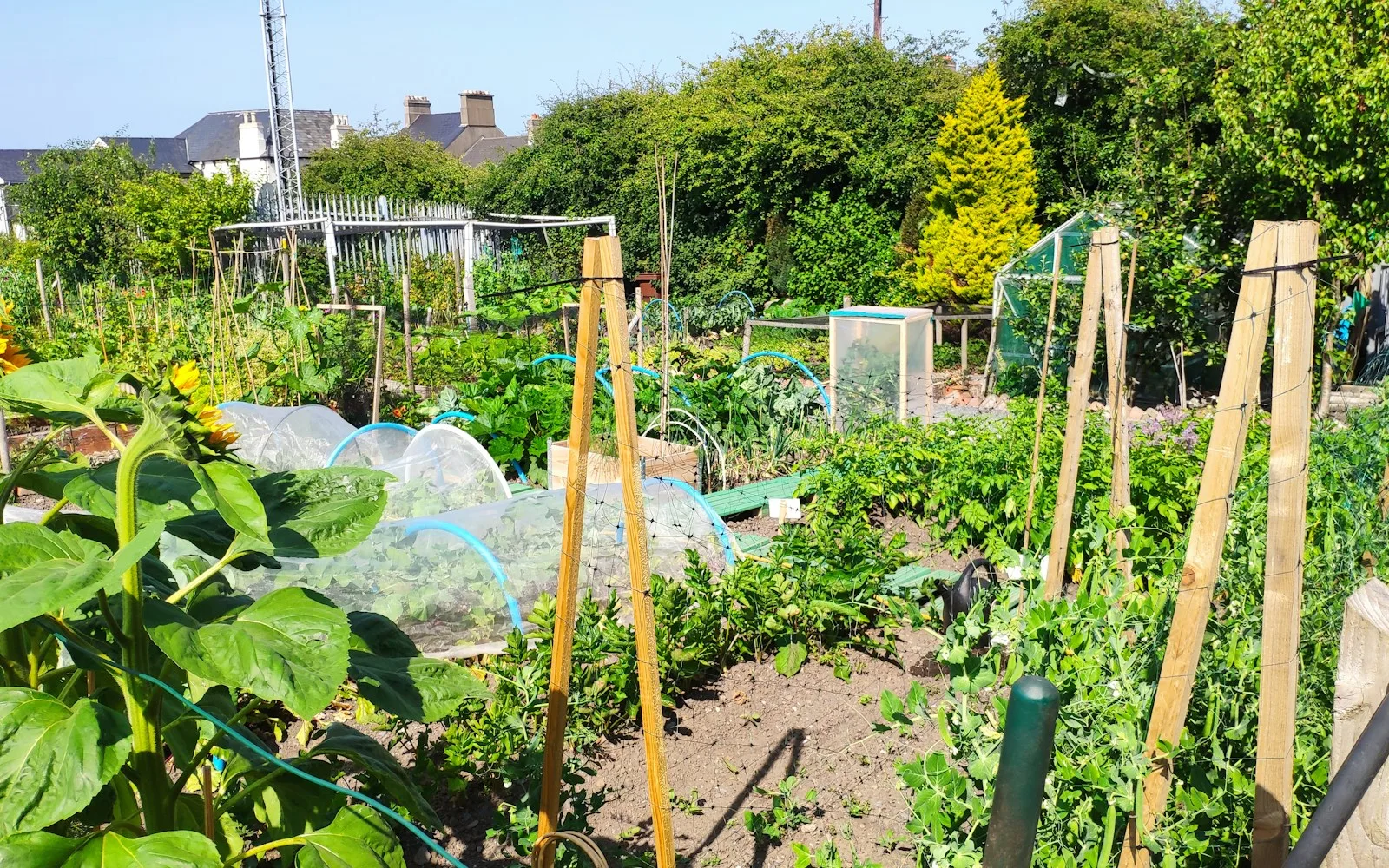
Look at the meals you actually prepare. Several small leaves for a sandwich can come from a modest patch; repeated large cooked servings require more leaf area and more plants. Mark an example harvest area and time yourself picking and cleaning it. That shows whether you prefer many small leaves or fewer large ones. Keep harvesting access on the same side where you can inspect undersides. A beautifully packed bed is not useful if every picking requires leaning on neighboring stems or removing an entire protective tunnel.
Start with the outer leaves and preserve the center
Minnesota Extension supports picking individual kale leaves as they reach a usable size and leaving most small leaves when harvesting at the baby stage. It also notes that repeated harvests eventually exhaust a plant’s resources. University of Minnesota Extension: Growing collards and kale A repeat harvest depends on living leaf area and continued new growth; it is not a license to reduce every plant to a bare stem with one tiny bud.
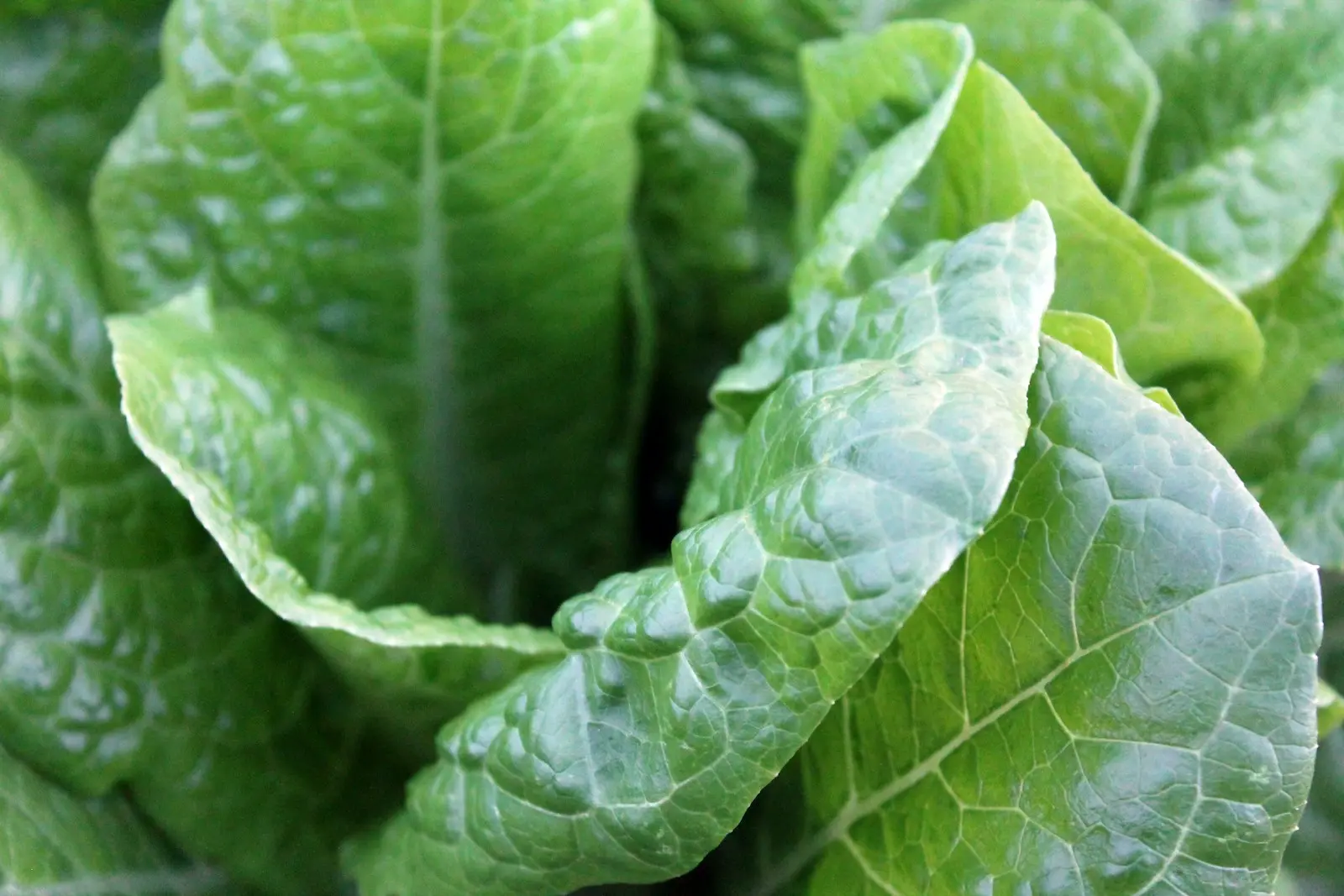
Begin with the oldest sound outer leaves that fit your meal. Support the stem and remove each leaf cleanly at its attachment without tearing down the stem. Keep the tight central cluster intact. Spread a harvest among several plants rather than stripping the most convenient one. After picking, take a quick overhead photograph: it should show plenty of green tissue remaining. There is no universal leaf count to leave on every kind of kale. Plant size, cultivar and the pace of current growth are better guides than a rigid number copied from another garden.
Let regrowth set the next harvest date
Use the first picking as the start of a review, not a fixed weekly commitment. Are fresh leaves expanding, or are the same small leaves still present several days later? Compare the harvested plants with one lightly picked plant nearby. If both have slowed, weather or the root zone may be limiting growth. If only heavily picked plants are struggling, reduce the harvest pressure.
Utah State recommends even moisture and notes that moisture fluctuations can make kale leaves tougher and stronger flavored. Utah State University Extension: Kale in the garden Check below the mulch, especially along a dry bed edge. Water according to actual soil conditions and rainfall rather than adding fertilizer whenever recovery takes longer. If a pot dries repeatedly, improve its watering routine or harvest less while the plant recovers. Keep the next meal flexible: use another green or a smaller amount of kale instead of taking the central new leaves before they have had time to expand.
Inspect the underside while the leaf is already in your hand
Make harvest and pest checking one task. Before removing a leaf, turn it gently and inspect the veins, folds and attachment. Imported cabbageworm larvae are green and can blend into the leaf; dark fecal pellets and enlarging holes help reveal their presence. Maryland Extension recommends handpicking confirmed larvae. University of Maryland Extension: Imported cabbageworm The white butterfly is a cue to inspect the crop, not the feeding stage you are looking for.
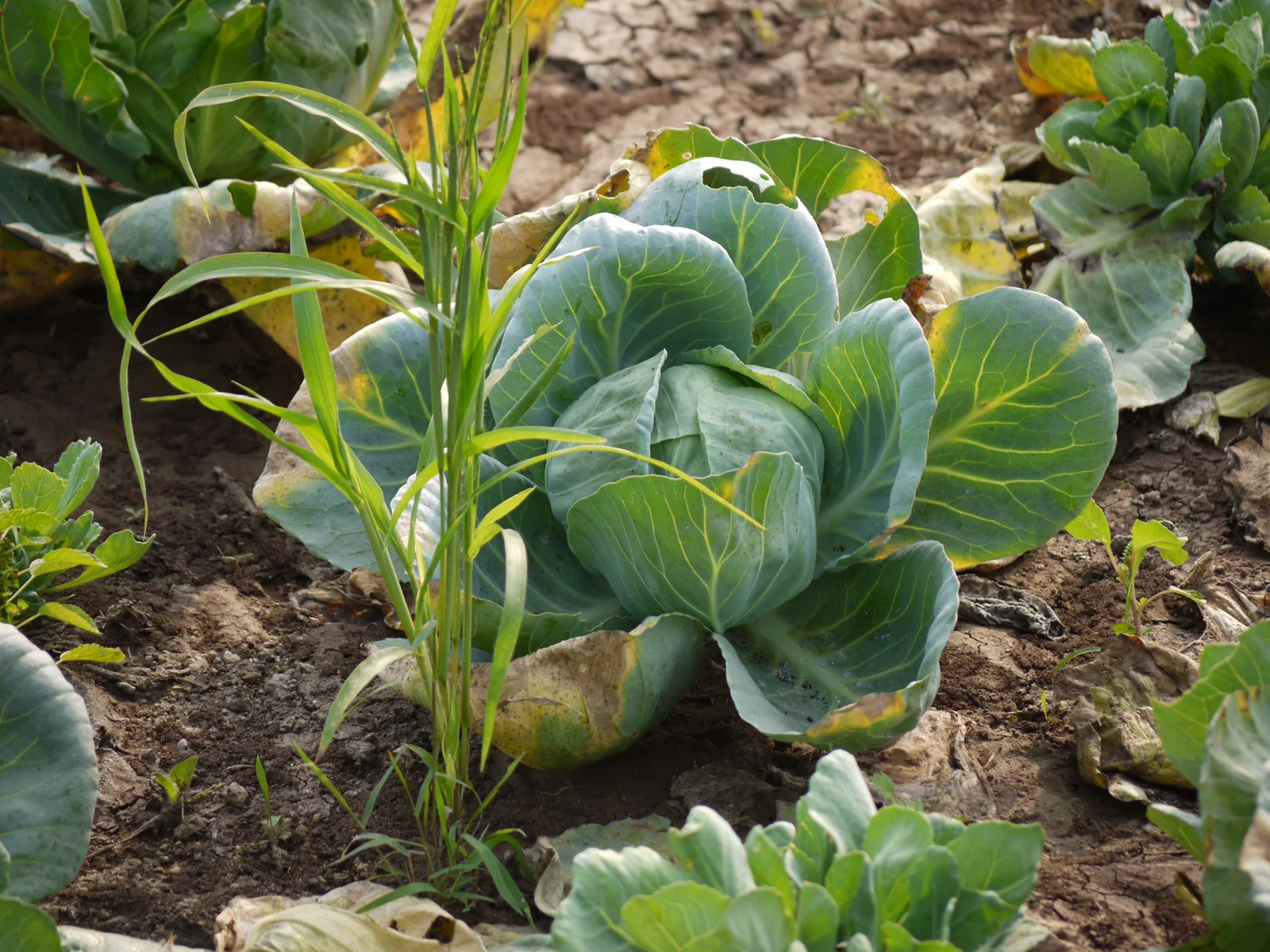
Avoid removing every leaf with a small hole. Sound remaining tissue still contributes to growth, and cosmetic damage has a different implication from rapid defoliation or an injured center. Put badly damaged leaves in a separate container so you do not keep rediscovering the same problem while washing dinner. Record where active feeding occurs: only along an unsealed edge, on the newest leaves, or across the whole bed. If you cannot identify the pest, photograph it beside a size reference and seek local extension identification before selecting any treatment.
Before intervening, compare cabbageworms, loopers and beneficial caterpillars against the insects and damage you actually find.
Choose a cover that you can reseal after every picking
A useful barrier must match both the pest and the season. Maryland Extension explains that row-cover weights differ in light transmission and heat retention, and that pest exclusion requires close contact with the ground. University of Maryland Extension: Weather and pest protection Mesh intended for insect exclusion and fleece intended to add warmth solve different problems. Do not assume every white garden fabric performs the same way.
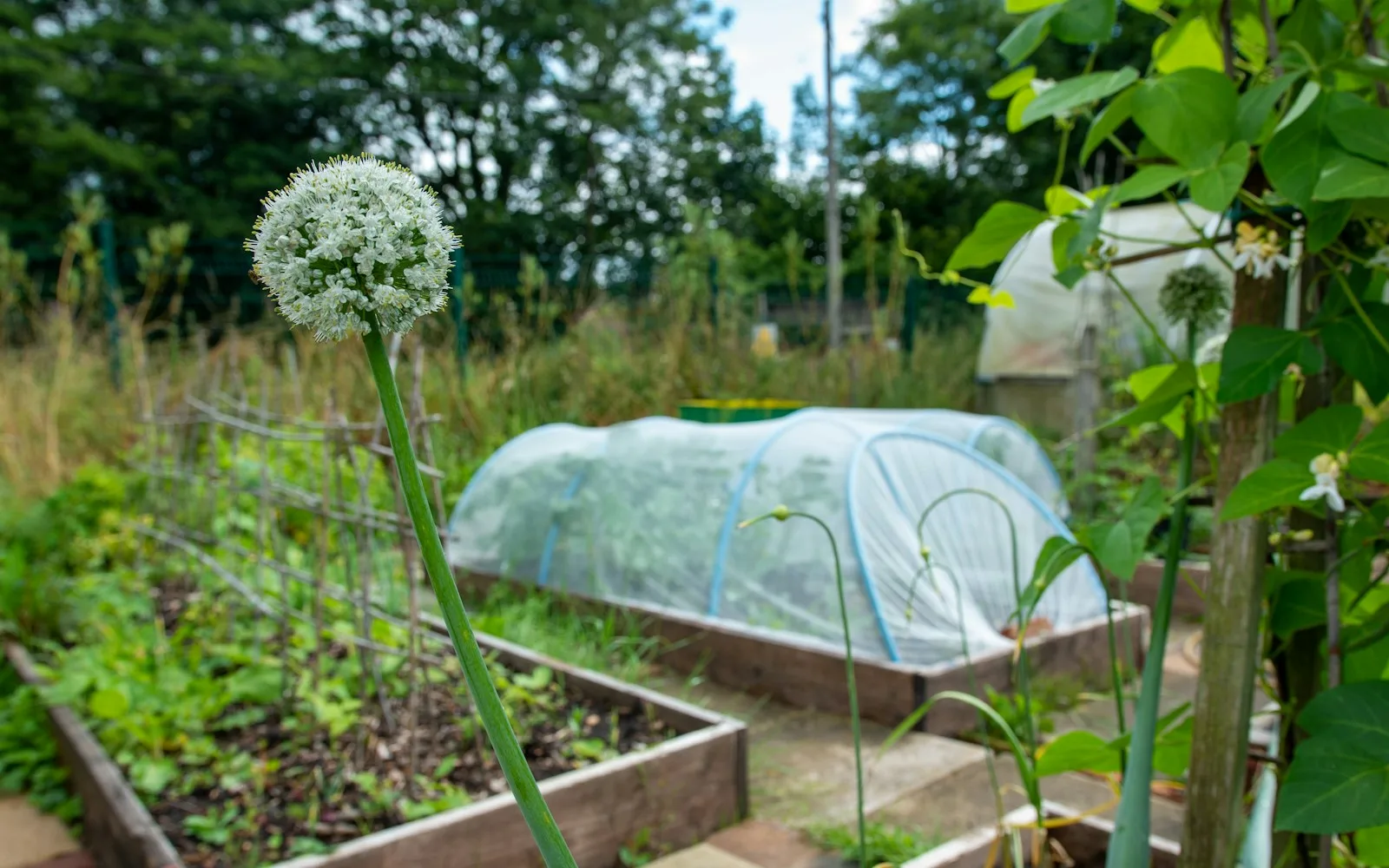
For an existing micromesh tunnel, compare the assembled interior with your kale’s mature height and width, then check the stated exclusion purpose. Keep leaves from pressing hard against it. A fleece row cover may be useful during cool weather, but its warming effect needs monitoring. Plan one easy opening along the harvest side and a reliable way to close it. After picking, walk the full edge rather than fastening only the corner you touched. If pests were already inside at installation, the barrier alone will not remove them.
Try opening and closing the cover with the harvest basket in its normal place. If weights must sit inside the basket or across the path, move their resting position before the next visit. Where two people share the garden, show both how the edge fastens. A protection system depends on the last person who closes it, so an obvious repeatable closure is more useful than an elaborate arrangement only one gardener understands.
Separate summer survival from a useful summer harvest
Kale can remain alive through conditions that reduce eating quality. Minnesota Extension notes that heat slows growth and can produce tougher, stronger leaves. University of Minnesota Extension: Growing collards and kale Your decision should be based on the harvest you want, not only whether the stem remains green. A plant that gives poor leaves through the hottest interval may not deserve repeated heavy picking.
Consider three options: pick lightly and maintain healthy plants for cooler weather, make a final usable harvest and clear the space, or start a separate later planting when locally appropriate. Choose based on pest burden, available water and whether the existing plants still have healthy centers. A badly compromised plant should not occupy a protected bed simply because it has survived for months. When comparing old and new plants, label them clearly and record the quality you prefer. That avoids mistaking the freshness of a younger planting for a fertilizer response in an older one.
Plan winter picking around stored leaves and access
Cold hardiness varies with cultivar, plant maturity and local exposure. Maryland Extension notes that kale may resprout in spring when winter is not too severe. University of Maryland Extension: Growing leafy greens Survival is not a promise of steady leaf replacement through dark, cold weeks. Enter that period with enough healthy leaves already present, and do not plan repeated large harvests from plants that are barely growing.
Before cold weather, check whether your cover can be opened and replaced without breaking frozen foliage or pushing supports into the stem. Wait until stiff frozen leaves have thawed before handling them. Keep the picking path usable and collect only what you need. After a hard freeze, assess the actual leaves and center rather than relying solely on a hardiness label. Remove deteriorating material when conditions permit and inspect for regrowth as temperatures change. Record which cultivar, protection and planting size produced usable leaves; those details will make the following winter’s harvest plan more realistic than a single minimum-temperature claim.
Sources & further reading
We favor university extension guidance and original product documentation. Linked sources support the specific facts cited; they do not endorse Garden Gear Atlas.
- University of Maryland Extension: Growing leafy greens
- University of Minnesota Extension: Growing collards and kale
- Utah State University Extension: Kale in the garden
- University of Maryland Extension: Imported cabbageworm
- University of Maryland Extension: Weather and pest protection