Begin with the empty space, not the name on the box
A raised bed sold as four feet wide may not have four feet of usable space inside its walls. Thick boards, corner posts, curved panels, and internal bracing can reduce capacity. Assemble or inspect the bed before ordering a large amount of fill, then measure between its inside faces. Record the actual dimensions beside a simple sketch so you can check the calculation later.
Decide where you want the soil surface to finish. The height of the wall and the depth of soil are different measurements. If your chosen finished surface leaves space below the rim, measure to that surface. This guide calculates a quantity; it does not decide the correct root depth for your crops or whether an elevated planter can safely carry the resulting load. Those decisions come before purchasing material.
Use one unit system all the way through
For a rectangular bed, volume equals inside length multiplied by inside width multiplied by fill depth. In US measurements, convert inches of depth to feet by dividing by twelve. A 4-by-8-foot rectangle filled 6 inches deep is therefore 4 × 8 × 0.5, or 16 cubic feet. Multiplying by six without converting would overstate the result twelvefold.
Metric measurements are just as straightforward. A bed measuring 2 meters by 1 meter with a 20-centimeter fill depth has a volume of 2 × 1 × 0.20 = 0.40 cubic meters. Multiply cubic meters by 1,000 to get liters, giving 400 liters. Keep the unrounded result until you choose bags or a supplier's bulk increment; repeatedly rounding intermediate dimensions can introduce avoidable errors.
Top-ups need only the missing layer
For an established bed, subtract the existing average soil depth from your target depth. Suppose the target is 12 inches but soil already averages 9 inches. You need a 3-inch layer, not a complete 12-inch refill. Across a 4-by-8-foot rectangle, that is 4 × 8 × 3/12 = 8 cubic feet. Using the full wall height would order four times the missing volume.
Existing soil is rarely perfectly level. Take depth readings at several positions, including low and high areas, rather than choosing the emptiest corner. For a roughly even surface, an average is a practical estimate. If one section is much deeper, divide the bed into sections and calculate them separately. When existing soil is already at or above the target, the added-volume answer is zero; a change in appearance alone does not create a volume requirement.
Handle circles and awkward shapes without guesswork
For a round bed, measure its inside diameter and divide by two to find the radius. Area is π multiplied by radius squared; multiply that area by the fill depth. A bed with a 3-foot inside diameter and 6-inch fill depth holds approximately 3.53 cubic feet. Using diameter where the formula needs radius would make the calculated area four times too large.
An L-shaped bed can usually be divided into two rectangles. Draw the dividing line on your sketch and make sure the rectangles do not overlap. Calculate each section and add the volumes. For tapered or strongly curved containers, a simple rectangular estimate may be misleading. Use the manufacturer's verified internal capacity when available, or make a more detailed geometric estimate. Label the result approximate rather than pretending an irregular container has perfectly straight walls.
Turn volume into a practical order
Bag count is required volume divided by the volume printed on one bag, rounded up to the next whole bag. Sixteen cubic feet needs eight 2-cubic-foot bags, eleven 1.5-cubic-foot bags, or sixteen 1-cubic-foot bags. The eleven-bag option purchases 16.5 cubic feet, so half a cubic foot is surplus from package rounding. That is different from an intentional extra allowance.
For bulk orders, divide cubic feet by 27 to obtain cubic yards. Sixteen cubic feet is approximately 0.593 cubic yard. Ask the supplier what increments they sell and whether delivery, placement, and minimum-order charges apply. Compare the entire delivered order against bags, not merely the advertised unit price. Bags labeled by weight cannot be converted reliably using a generic soil density; look for their stated volume or ask the supplier.
- Write down the required volume before comparing package sizes.
- Keep supplier rounding separate from any extra allowance you select.
- Check how you will move material from the delivery point to the bed.
Quantity and soil suitability are separate questions
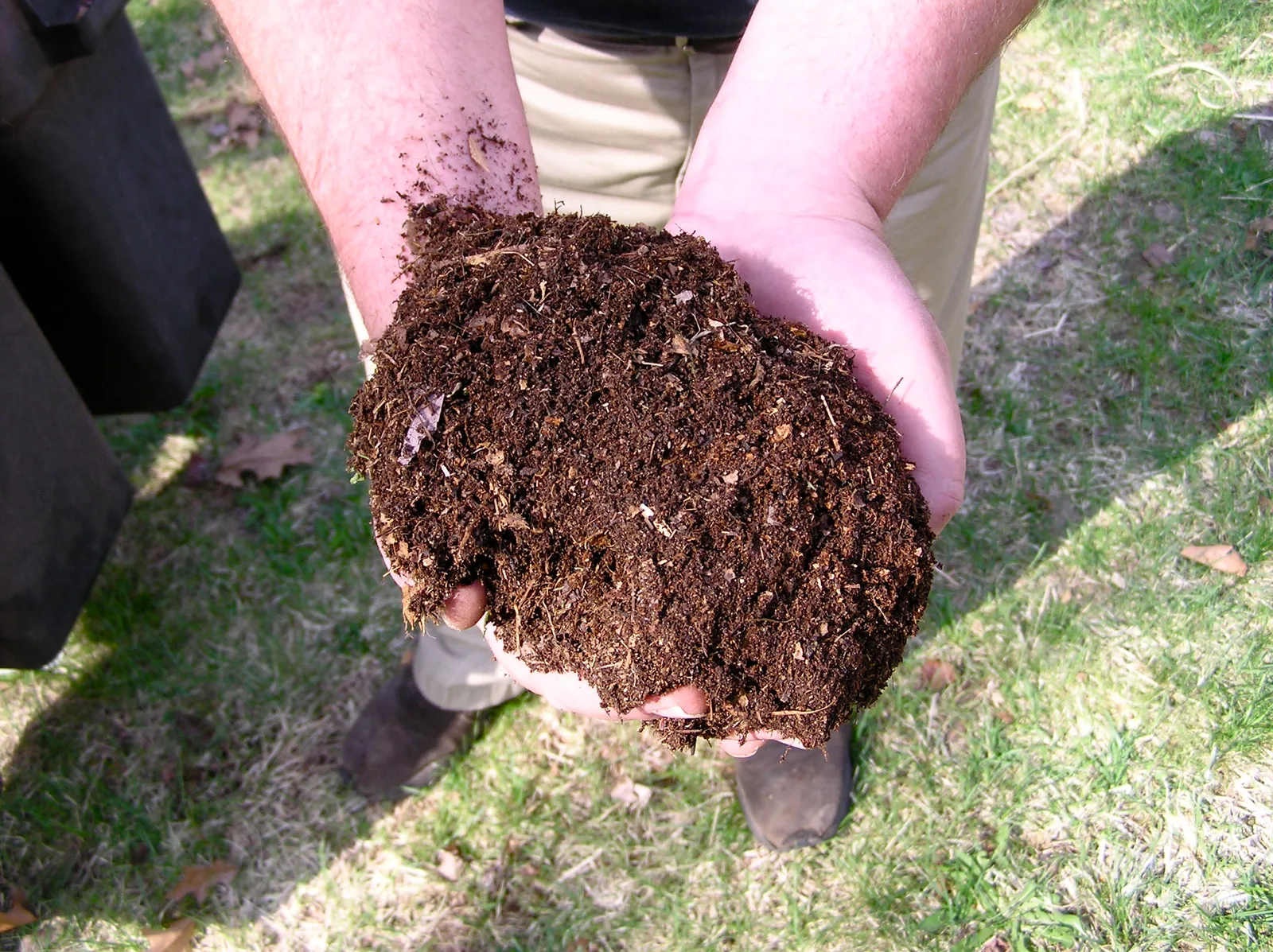
A correct volume does not make every product suitable for that volume. University of Minnesota Extension distinguishes raised-bed fill from potting media and discusses topsoil and plant-based compost mixtures. University of Maryland Extension presents different approaches for existing gardens, compacted sites, and beds on hard surfaces. Those differences are a reason to match material to the setting rather than treating one recipe as universal.
Before purchasing bulk topsoil, ask about its origin and any available test information. Maryland Extension specifically recommends examining purchased soil and discussing its source with the seller. A volume calculator cannot assess contamination, nutrient balance, drainage, or compost maturity. If you are uncertain about the existing soil, use local extension or laboratory guidance to decide what belongs in the bed before calculating how much to order.
Make uncertainty visible, then keep a useful record
Settling, uneven measurements, and supplier packaging can affect the final level, but there is no single extra percentage that describes every material and bed. Start with the measured volume. If you deliberately add an allowance, record it as your choice. For example, adding 10 percent to 16 cubic feet produces 17.6 cubic feet; nine 2-cubic-foot bags supply 18 cubic feet. The example demonstrates arithmetic, not a recommended settling rate.
Save your sketch, internal dimensions, bag volume, and actual amount used. After filling, note whether the result was short, exact, or excessive and why. That record makes the next top-up easier and prevents repeating an assumption that proved wrong. The raised-bed soil calculator can handle the conversions, but the most important input remains your measurement of the space that actually needs filling.
Sources & further reading
We favor university extension guidance and original product documentation. Linked sources support the specific facts cited; they do not endorse Garden Gear Atlas.
- University of Minnesota Extension — Raised bed gardens
- University of Maryland Extension — Soil to Fill Raised Beds