Identify the plant and the leaf you are judging
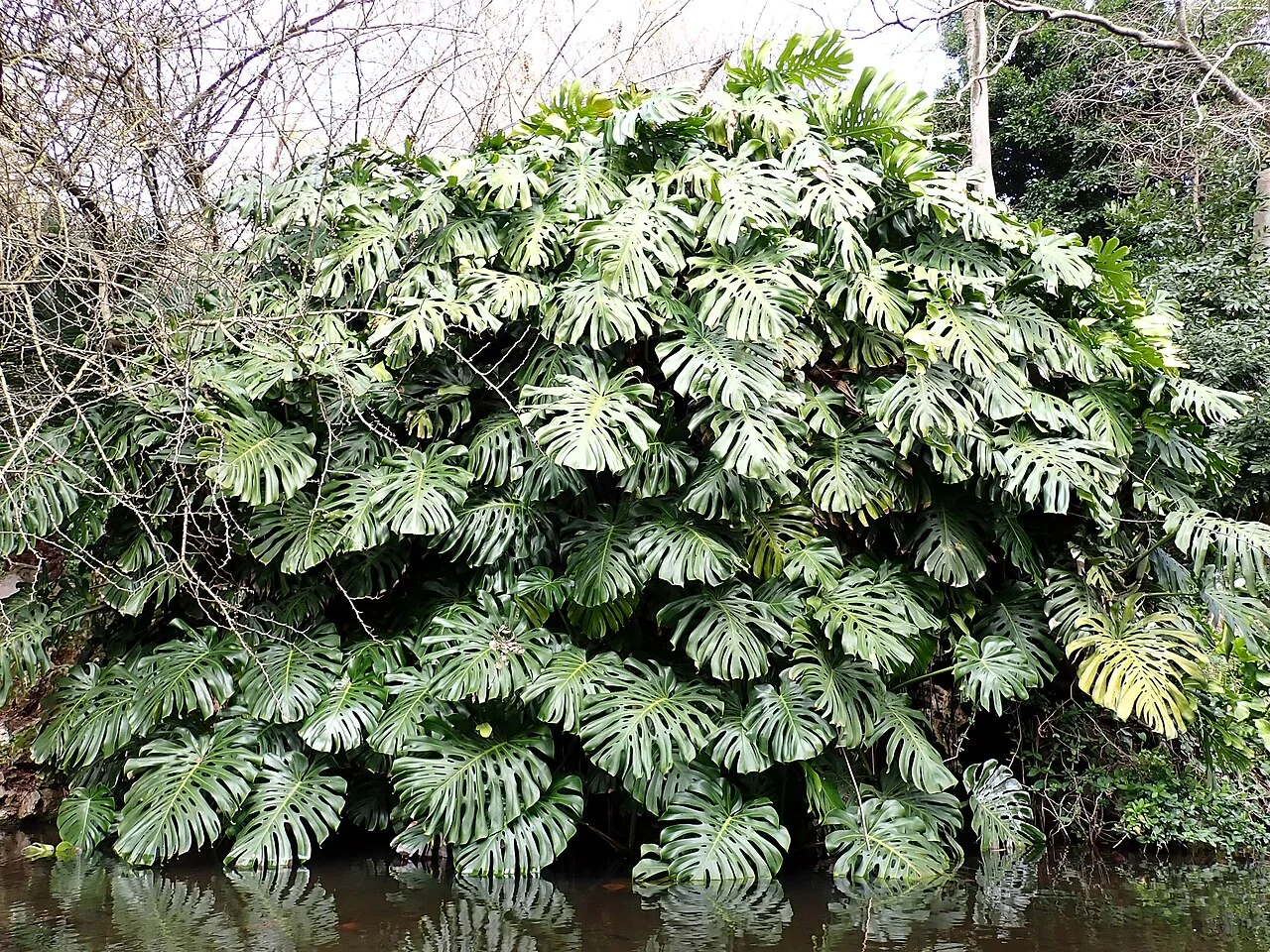
Start with the botanical name Monstera deliciosa and identify the main stem that produced the leaf in question. A pot may hold several plants at different stages of growth. The smallest leaf near the base may belong to a younger plant rather than being the latest leaf from the largest vine. Follow each petiole to its attachment before deciding that the plant has suddenly stopped making splits.
Minnesota Extension notes that young Monstera leaves lack the perforations and deep lobes seen on mature foliage. A smooth-edged leaf can therefore be a normal developmental stage. University of Minnesota Extension: Monstera deliciosa
Take a whole-plant photograph and a closer view of the relevant stem. Include the latest fully opened leaf and the preceding one. Avoid comparing a newly unfurling leaf with a fully expanded older leaf as though they were equivalent observations. These simple distinctions make the next decision much clearer than counting holes across every leaf in the pot.
Set a foliage goal that the room can accommodate
Ask what you actually want from the plant. A manageable green specimen beside a chair is a different goal from a tall climber with increasingly large leaves. Both are legitimate, but the latter requires more than a taller pot. Check the width available for petioles and leaf blades, the vertical clearance, and the route by which you approach for watering. Consider where the next leaf can open without touching furniture.
The RHS describes Swiss cheese plants as capable of reaching several metres indoors and recommends accounting for their increasing weight and top-heavy habit. Mature appearance carries a real space and handling cost. Royal Horticultural Society: Growing Swiss cheese plants
Draw the boundary in practical terms: the door must open, the blind must close, and the plant must remain reachable. If those conditions leave little expansion space, maintain a smaller display or choose another location. There is little value in buying equipment to encourage a form of growth that you will immediately have to restrain.
Examine the daylight reaching the new growth
Wisconsin Extension notes that inadequate light can limit the development of Monstera's leaf perforations and that plants need gradual acclimation when moved to stronger outdoor light. Light matters, but an abrupt move into intense sun is not a shortcut to adult foliage. Wisconsin Extension: Swiss-cheese plant
Look from the newest leaves toward the window. Is the growing tip below a deep shelf, behind a curtain, or on the far side of the older canopy? A brighter-looking room can still deliver little daylight to that particular position. Check the plant while the room is used normally; opening every blind only for the inspection produces a misleading impression of its everyday conditions.
If you choose a brighter position, document the move and compare later leaves on the same stem. Avoid simultaneously increasing feed, replacing the mix, and changing the support unless those tasks each address a separate confirmed problem. The window-distance guide explains how to compare candidate positions without relying on a universal distance from the glass.
Read a sequence of leaves instead of demanding a deadline
Create a simple record with a date, stem identifier, leaf size impression, and any major care change. The goal is not to turn the plant into a measurement project. It is to stop comparing unrelated leaves and to recognize whether growth is broadly maintaining, improving, or declining. A photograph from the same angle is usually enough for the first pass.
Keep several outcomes separate. A leaf can be larger without having the exact pattern you hoped for. A newly rooted cutting can establish successfully before producing impressive foliage. A plant can remain sound while fitting your room at a smaller size. Decide which outcome matters to you before judging every new leaf as a success or failure.
If leaves are deteriorating, look beyond their splits to the root zone, temperature exposure, and physical damage. If the plant is otherwise sound, leave time for new growth to provide useful evidence. No observation from one room can guarantee the number of perforations on a particular future leaf in another room.
Support the main stem along a maintainable route
Trace the main stem before selecting attachment points. The leaf stalks extend from it and need room of their own. Plan a support route that lets you inspect the stem, see ties, and reach the growing medium. Avoid using one tight band around the entire canopy simply to reduce its apparent width. That makes the plant harder to read and may hide the structure you need to manage.
NC State calls for sturdy support to protect Monstera stems from breakage. Wisconsin describes a strong support that allows aerial roots to attach. These references support providing a sound climbing structure, not a promise that one commercial pole will produce a specific leaf pattern. NC State Extension: Monstera deliciosa Wisconsin Extension: Swiss-cheese plant
Compare the support's usable height above the pot with the next section of stem, and consider its anchoring depth. If adding it requires a much larger pot solely for balance, revisit the design. A support should fit the root container and the room as well as the vine. The support comparison guide covers the different structural formats.
Treat an aerial-root surface as an additional care commitment
A dry structural stake and a maintained rooting surface are different arrangements. Decide whether you simply want the vine held securely or whether you intend to encourage attachment into a particular surface. That decision affects what you buy and what you will need to inspect. A decorative pole tucked behind the leaves should not be assumed to function as a watered rooting surface without attention.
Before choosing a moss-based product, work through how you would maintain it in the actual room. Can you reach its upper section? Where would any water go? Can you still inspect the growing pot, and can the assembly move when necessary? The answers may favor a simpler structure even if a more elaborate one looks attractive online.
The catalog's Mossify Original Bendable Moss Pole and adjustable VELCRO garden ties are relevant options for a planned support route. Check product dimensions and the size of the stem you are fastening. Their usefulness depends on fit and maintenance access. Purchase them to solve the structural task you have identified, then continue judging foliage by the plant's actual development.
Choose a size-reduction route before the plant blocks access
When growth approaches your chosen boundary, decide whether you will redirect the stem, move the display, or shorten it. Work while the relevant stem section is still visible and reachable. Waiting until the vine is interlaced with furniture makes even a straightforward decision harder. Prepare a place for any removed material before cutting so it does not become an awkward temporary object on the floor.
If you intend to propagate a removed top, identify the stem node and the new plant's destination. A large cutting needs space and a receiving arrangement too. Multiplying a plant does not reduce the total room it occupies unless part of that material leaves your care. Decide whether maintaining the existing specimen or starting a smaller replacement better matches your future routine.
A multi-plant pot may offer a different solution from a single long vine. Document which stem you intend to retain, and do not assume that removing one large leaf changes the direction of the underlying stem. The Monstera profile connects identity, root-zone care, support, and planned propagation.
Reassess the whole installation after new growth
Stand where you normally view the plant, then stand where you water it. An arrangement can succeed visually while failing operationally. Check whether the newest leaf blocks access to the pot, whether the support has shifted, and whether a tie needs attention. Open nearby curtains and doors again. These checks reveal the practical consequences of growth before the plant becomes difficult to handle.
Review your original foliage goal. If the plant is healthy and comfortably fills the space, there may be no reason to pursue larger leaves. If you have room and want continued development, maintain useful light and a stable route while allowing new growth to reveal the result. A leaf with fewer splits than expected is information to interpret, not a requirement to add another product.
Keep purchases tied to observed needs: a support for a leaning stem, an improved stand for access, or supplemental light for a documented daylight gap. The plant's long-term value comes from a display you can sustain, including the less photogenic work of inspection, drainage, and occasional size control. Build that work into the arrangement from the start.
Sources & further reading
We favor university extension guidance and original product documentation. Linked sources support the specific facts cited; they do not endorse Garden Gear Atlas.
- University of Minnesota Extension: Monstera deliciosa
- Royal Horticultural Society: Growing Swiss cheese plants
- Wisconsin Extension: Swiss-cheese plant
- NC State Extension: Monstera deliciosa