Day length is the first purchase decision
Bulbing onions begin bulb development in response to day length. Short-day, intermediate and long-day labels describe that response, not the number of hours you should water or the length of time from planting to harvest. Nebraska Extension explains these groups and their different daylight requirements. Matching the group to your latitude matters before comparing seeds with sets. Nebraska Extension: onion day-length groups
Find your local onion recommendation, then shop within that group. A package labeled only red, white or yellow does not answer the day-length question. Ask for the cultivar name and adaptation information. If the seller cannot provide them, consider a source that can. Color may help you choose dinner ingredients, but it is insufficient evidence for a reliable bulb crop.
Write three things on your shopping list: location, desired harvest use and available planting window. A mild-winter garden may follow a very different onion calendar from a northern garden. Keep those differences visible when reading extension publications. Borrow their explanations of plant behavior, but confirm their dates against guidance for the place where your onions will actually grow. Save the cultivar description alongside the receipt so you can later check what was promised about adaptation and storage. That small record can resolve a confusing purchase before the next planting season.
Seeds offer choice at the cost of lead time
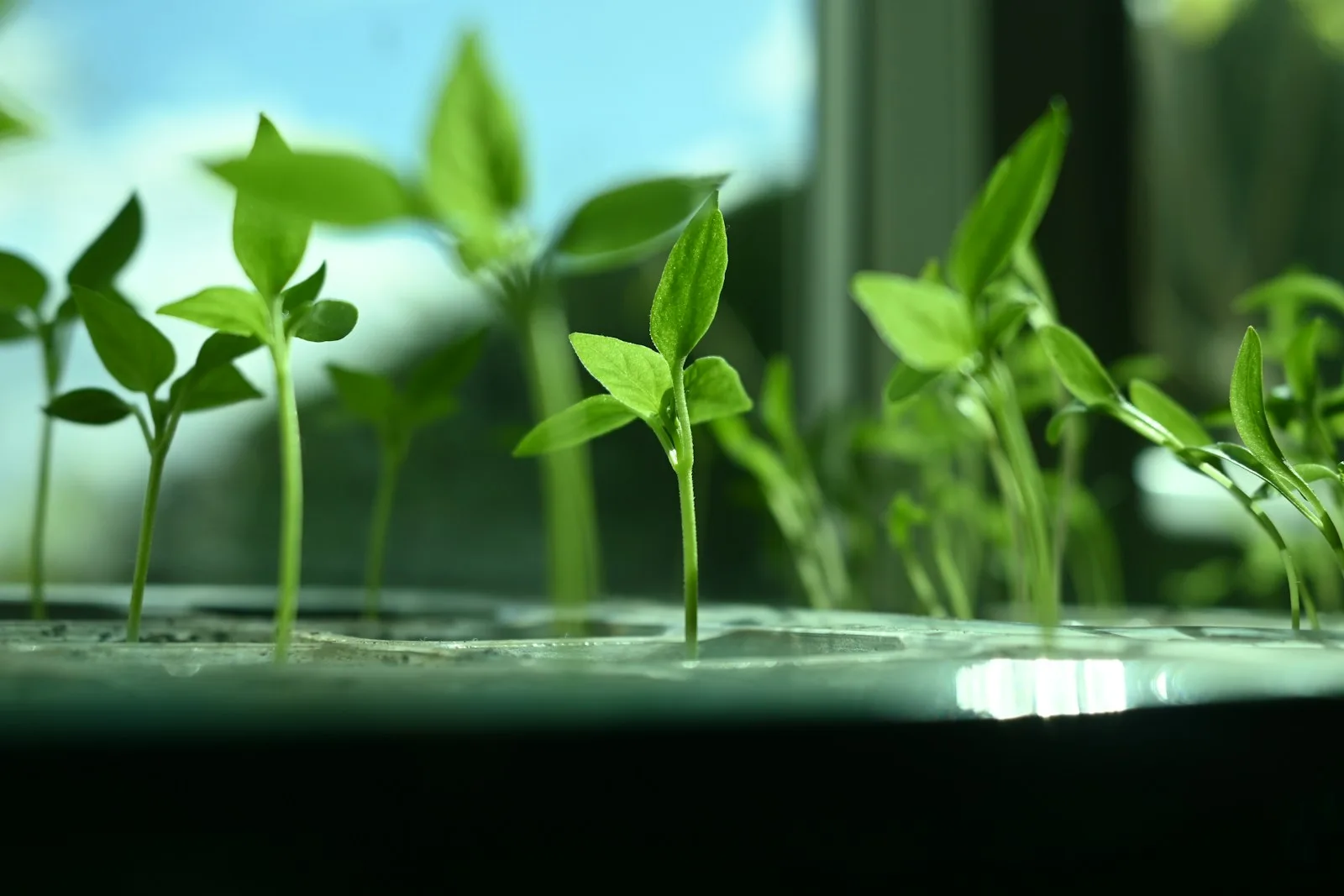
Starting from seed gives access to more named cultivars and is usually economical when you want many plants. Onion seed loses vigor relatively quickly, so fresh seed is a sensible starting point. New Hampshire describes starting seed well ahead of outdoor planting; the exact lead time belongs to your local season and indoor conditions. UNH Extension: seeds, sets and transplants
Choose seed if you enjoy propagation, have reliable light and can keep seedlings healthy until planting. Count the tray positions and the weeks those trays will occupy before ordering. If you are already near the outdoor planting window, buying transplants may be more practical than rushing a late indoor sowing and expecting it to catch up automatically.
Keep the experiment small if you are learning both onions and seed starting. Sow a labeled batch of one suitable cultivar and compare it with a purchased transplant batch if space permits. Record sowing, emergence and planting dates separately. That distinction will help you work backward next season without confusing a packet's maturity figure with the total time from seed to dinner.
Transplants trade money for a head start
Transplants are young onion plants raised from seed. They retain the cultivar choice of seed-grown onions while shifting the early propagation work to the grower. Iowa State distinguishes them from sets, which are small bulbs grown during a previous season. The two may sit together in the same sales area, but they are different starting materials. Iowa State Extension: all about onions
Order or buy transplants when you can prepare the bed and plant them within the supplier's recommended handling window. Check for sound plants and avoid a bundle that is soft, moldy or severely desiccated. Keep the name with the bundle when separating it. A head start has little practical value if the plants spend too long waiting in an unsuitable holding place.
Use transplants when indoor growing space is the bottleneck or when a particular locally adapted cultivar is available that way. Compare the cost per plant you will actually use, not the headline price of the bundle. If a large order exceeds your bed, plan to share the extras rather than doubling planting density merely to avoid leftovers.
Sets are convenient, but size changes the tradeoff
Sets are small stored onion bulbs. They are easy to handle and establish, but selection is often limited. Larger sets are more prone to sending up flower stalks; Iowa State recommends reserving larger ones for green onions and using smaller sets for bulbs. Buying the biggest sets is therefore not the same decision as buying the biggest transplant. Iowa State Extension: all about onions
Sort the package before planting and give the groups separate destinations. Put the bulbs intended for green use where you can harvest them easily, and label the bulbing group. Do not mix the two harvest goals in an unmarked row. When some onions are removed young and others remain, the original spacing plan is otherwise surprisingly easy to forget.
Sets make sense when convenience matters more than trying a named storage cultivar. They are less convincing when the package lacks day-length information and your goal is a predictable winter supply. Ask whether the supplier knows the cultivar. If that answer is missing, treat the planting as an experiment with modest expectations rather than your entire storage-onion plan.
Establish the bed around the mature harvest
Onions have shallow roots and need consistent moisture for good growth. Minnesota advises early weed control because onion foliage offers little competitive cover. It also distinguishes close spacing for green onions from wider spacing for bulbs. Give the crop the spacing appropriate to its intended harvest instead of postponing every decision until plants are crowded. Minnesota Extension: growing and harvesting onions
Mark a planting grid before opening the bundle. Leave room to reach the row and inspect plants without stepping through it. Use the plant-spacing tool to compare layouts after selecting a spacing from local guidance; the tool calculates positions, not the ideal biological distance. If the total seems excessive, reduce the plant count before buying more growing space.
During establishment, look for a pattern when some plants stall. Note whether gaps coincide with dry edges, a wet depression, competition or planting depth. Check moisture near the roots before increasing irrigation. When you weed, choose an approach that does not repeatedly dig close to developing bulbs. Build a short, regular inspection into your routine while weeds are still easy to remove.
Read bulbing, flowering and storage signs separately
Bulb formation and bolting are different processes. A flower stalk indicates reproductive growth, not simply a large onion getting ready for storage. New Hampshire explains why sets can be more prone to flowering. If a plant bolts, flag it for prompt kitchen use rather than assuming removal of the stalk creates a normal long-storage bulb. UNH Extension: seeds, sets and transplants
For mature onions, natural top fall and drying are harvest indicators. Minnesota recommends curing bulbs before storage and separating any that are not sound. Do not deliberately bend every healthy top to force the crop to finish on your preferred date. Keep harvested bulbs ventilated, then match storage expectations to the cultivar and the conditions you can provide. Minnesota Extension: growing and harvesting onions
At season's end, judge each starting method against the original goal. Did seed save money but occupy more indoor space than expected? Did transplants arrive at the right time? Did sets give useful green onions but too few storage bulbs? Keep those outcomes separate. The best method is the one that fits your season and harvest needs, not the one that wins every comparison in the abstract.
Sources & further reading
We favor university extension guidance and original product documentation. Linked sources support the specific facts cited; they do not endorse Garden Gear Atlas.
- UNH Extension: seeds, sets and transplants
- Minnesota Extension: growing and harvesting onions
- Iowa State Extension: all about onions
- Nebraska Extension: onion day-length groups