Keep identity attached to the plant you enjoy
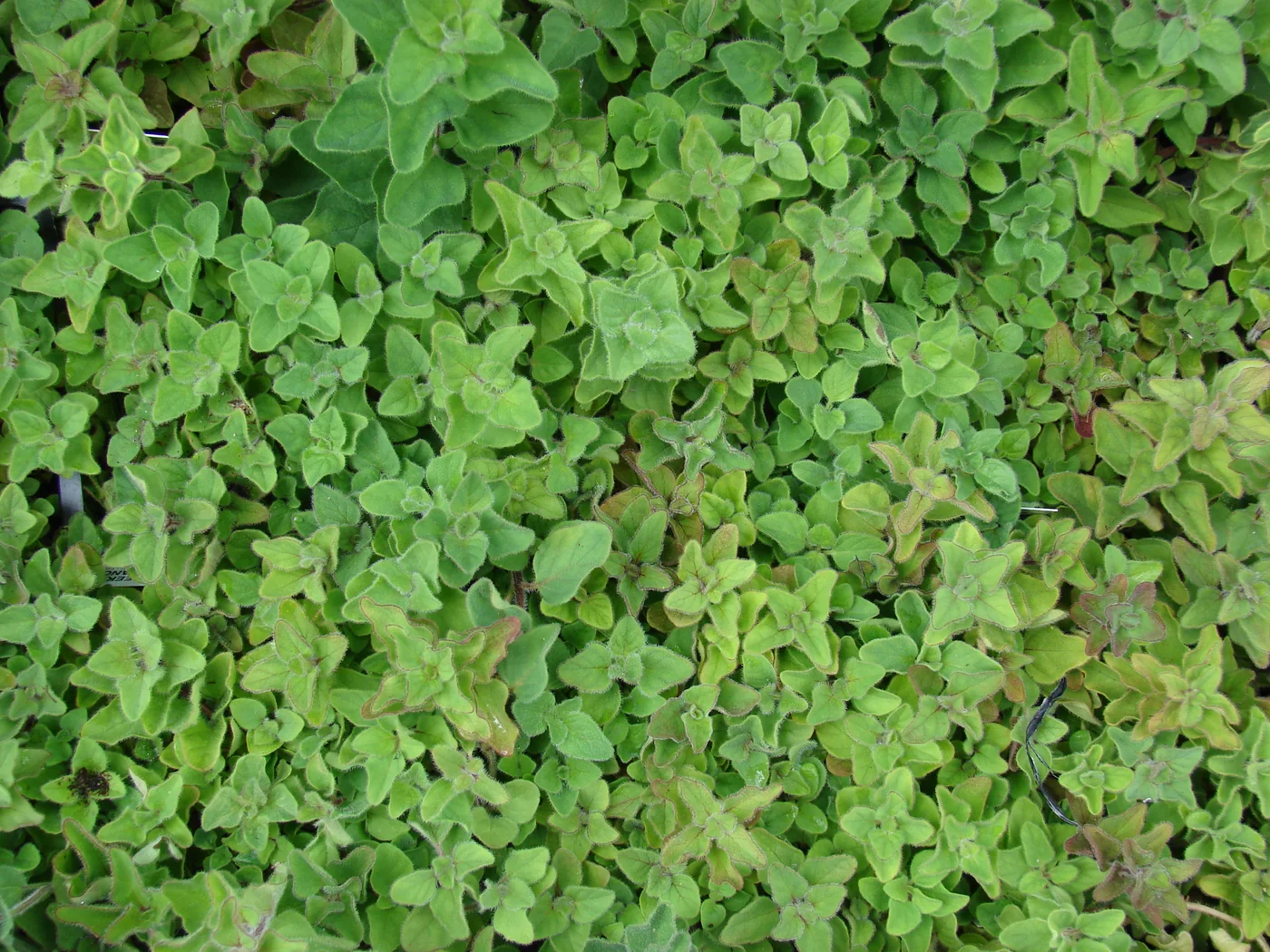
Start by reading the original tag, packet or nursery record. If you bought several oregano-named plants, keep them in separate positions until you know which one serves your kitchen. A photograph of small aromatic leaves is not enough to reconstruct a lost subspecies or cultivar name.
The Bosmere plant markers are a useful option for retaining those names beside the plants, and Fiskars Micro-Tip snips suit modest soft-growth harvests. Use readable labels and suitable clean scissors you already own if they do the job. The purchase decision is about missing capability and comfortable use, not the number of branded items in the bed.
Write the complete name before shortening it for everyday conversation. Keep a matching note with the source and purchase date. If your preferred plant later needs replacement, that record lets you ask for something specific. Do not take cuttings from an adjacent pot merely because it has the same general leaf shape.
Understand what Greek oregano specifies
Greek oregano is Origanum vulgare subsp. hirtum. NC State describes its strong culinary flavor and white flowers. The name gives a more useful starting identity than an unlabeled oregano pot, though the individual selection and growing conditions still deserve attention. NC State: Greek oregano
Illinois notes that seed-grown oregano can vary and recommends cutting-grown plants selected for flavor when consistency matters. This makes a known nursery selection or a labeled division useful for repeating a favorite, while seed can suit a gardener comfortable evaluating variation. Illinois Extension: culinary oregano
Keep wild marjoram, sweet marjoram and Mexican oregano names distinct in your shopping notes. Use the oregano species profile for the botanical distinctions. If a recipe uses a regional name, establish which ingredient is intended before buying a plant on the strength of that name alone. A different herb may be useful, but it should enter the collection with its own identity and growing plan.
Make the flavor comparison small and interpretable
The RHS 2022–2023 Origanum trial considered culinary potential alongside ornamental traits and hardiness. Its entries differed in flavor, flowers and habit. That supports comparing the exact selection, while remembering that a trial at Wisley does not establish the outcome in every climate. RHS: Origanum trial 2022–2023
Choose one familiar preparation for a household comparison. Use small, clearly labeled portions from known culinary plants and keep the preparation consistent. Compare fresh with fresh, or dried with dried, before drawing conclusions. If one sample includes old flowering growth and another consists entirely of young tips, note that difference instead of attributing every result to the cultivar.
Write down practical observations: which sample suited the dish, whether a little was enough and whether the leaf texture was convenient to prepare. This is a preference exercise, not a claim of controlled testing. Keep the plant you like in the kitchen role, and decide separately whether the others earn space through flowers or appearance.
Set a boundary before the planting fills it
Draw the area oregano may occupy and make its limits visible on the ground. Include an access strip for inspecting outer stems and a place to put harvested material. Do this while the plant is small enough that you can still see the intended shape. A boundary remembered only after the patch meets neighboring herbs is harder to maintain.
In a bed, choose a clear edge and inspect it from the same position each time. In a container, leave the rim, drainage area and nearby surface accessible. A pot pressed tightly among other pots may conceal outward growth just as effectively as a crowded border. Keep labels where they will remain visible after flowering stems develop.
For a small example, a gardener may reserve one broad pot for the culinary selection and keep a flowering oregano in a separate border pocket. That arrangement makes comparison and cleanup simpler without asserting that the plants cannot share a garden. The useful separation is between purposes you need to recognize while harvesting and maintaining the space.
Inspect low stems where they meet soil
RHS explains that low oregano stems can root when pegged into soil and that this sometimes happens naturally. Look for these contact points around the edge of an established plant, particularly where stems reach another container or moist ground. RHS: growing oregano
Follow a trailing stem gently from the parent to its contact point. Decide whether it is merely leaning over the edge or has formed an attachment. If the new rooted growth is unwanted, remove it deliberately and collect the pieces. Do not scatter trimmings across the bed while treating the visible haircut as complete containment.
If the new plant is wanted, keep its identity attached and give it a suitable destination rather than letting it remain tangled among unrelated herbs. Revisit the same edge after cleanup to see what was missed. The mint containment guide offers a useful comparison of inspection habits, but oregano should be judged by the spread actually observed in this planting.
Allocate flowering before choosing a harvest date
NC State describes oregano flowers as attractive to pollinators and identifies the period before flowering as a useful general point for leaf flavor. This gives the grower a choice of priorities, rather than requiring every stem to receive the same treatment. NC State: Origanum vulgare
Designate a kitchen section and a flowering section while the stems are easy to distinguish. In one small plant, keep the allocation modest: a few stems for bloom may be enough. In a larger planting, one whole pot or clump can take that role. Plan the next meals around the part that remains available for leaves.
If a flowering display matters for a particular week, tell anyone else who harvests from the bed. If a large drying batch is the priority, prepare for it before flower development is advanced. Changing the goal is allowed, but acknowledge what the change removes: a stem cut for leaves will no longer provide that same intended display.
Cut for a usable batch and a useful remaining plant
Illinois advises harvesting stem tips while leaving four to six pairs of leaves for further side growth. Scale the cut to the plant rather than treating the instruction as a requirement to remove that much from every stem. Illinois Extension: culinary oregano
For drying, Maryland recommends rinsing away debris, removing excess surface moisture and using small bundles in a dry, ventilated place. Leaves should crumble and stems break when fully dry; package only dry material in labeled airtight containers. Maryland Extension: harvesting and preserving herbs
Keep different oregano selections separate through drying so the kitchen comparison remains useful. Prepare the space before cutting a large batch, and choose an amount you can spread or hang without crowding. Do not leave harvested stems in a dense pile while deciding where they will go.
Keep cleanup material separate from edible leaves. If an edge trim includes damaged foliage or soil contact, do not automatically mix it into the kitchen batch to avoid waste. The earlier thyme–oregano guide covers the basic shared drainage and harvesting context. Use this page to keep the chosen oregano’s identity, purpose and boundaries clear during those tasks.
After flowering, choose cleanup for the coming season
RHS’s Origanum trial recorded a faster early-spring return in unpruned plants than in the plants cut back after flowering, with the difference later evening out. That was an observation within that trial, not proof that all oregano everywhere should be left untouched or cut on one schedule. RHS: Origanum trial 2022–2023
Decide what the remaining stems are doing in your garden. Are they obstructing a path, hiding an inspection point or simply standing within an acceptable winter outline? Remove material that prevents necessary access and make the larger seasonal cut according to the plant’s condition and local growing advice. Avoid borrowing a trial treatment as a universal prescription.
Keep seed decisions separate from stem height. If you do not want volunteers, inspect developing heads and remove them before seed is dispersed. If seed is wanted, label the retained plants and recognize that seedlings may not repeat the preferred parent. Preserving a culinary selection through known vegetative material is a different project from letting seed produce variation.
Keep the selection that fits both the meal and the space
RHS rates the species Origanum vulgare H6 in UK conditions. That rating belongs to that plant and rating system. It should not be transferred to every herb marketed as oregano or converted casually into a promise for an exposed pot elsewhere. RHS: Origanum vulgare profile
After winter, compare survival, new growth and the amount of usable foliage you obtain. Keep notes about the actual container exposure and wetness as well as temperature. A plant that survives but no longer suits its allotted space may deserve division, relocation or replacement; survival is only one part of its usefulness.
Retain clear labels when reducing the collection. Keep the culinary plant you prefer, the flower display you can maintain and the boundary you can inspect. If spread repeatedly exceeds the area you want to give it, change the arrangement before enlarging the patch. A small identifiable oregano that is regularly used can serve the garden better than an impressive mixed planting whose names and purposes have become lost.
Sources & further reading
We favor university extension guidance and original product documentation. Linked sources support the specific facts cited; they do not endorse Garden Gear Atlas.
- NC State: Origanum vulgare
- NC State: Greek oregano
- Illinois Extension: culinary oregano
- RHS: growing oregano
- RHS: Origanum vulgare profile
- RHS: Origanum trial 2022–2023
- Maryland Extension: harvesting and preserving herbs