Read the complete name, including the small print
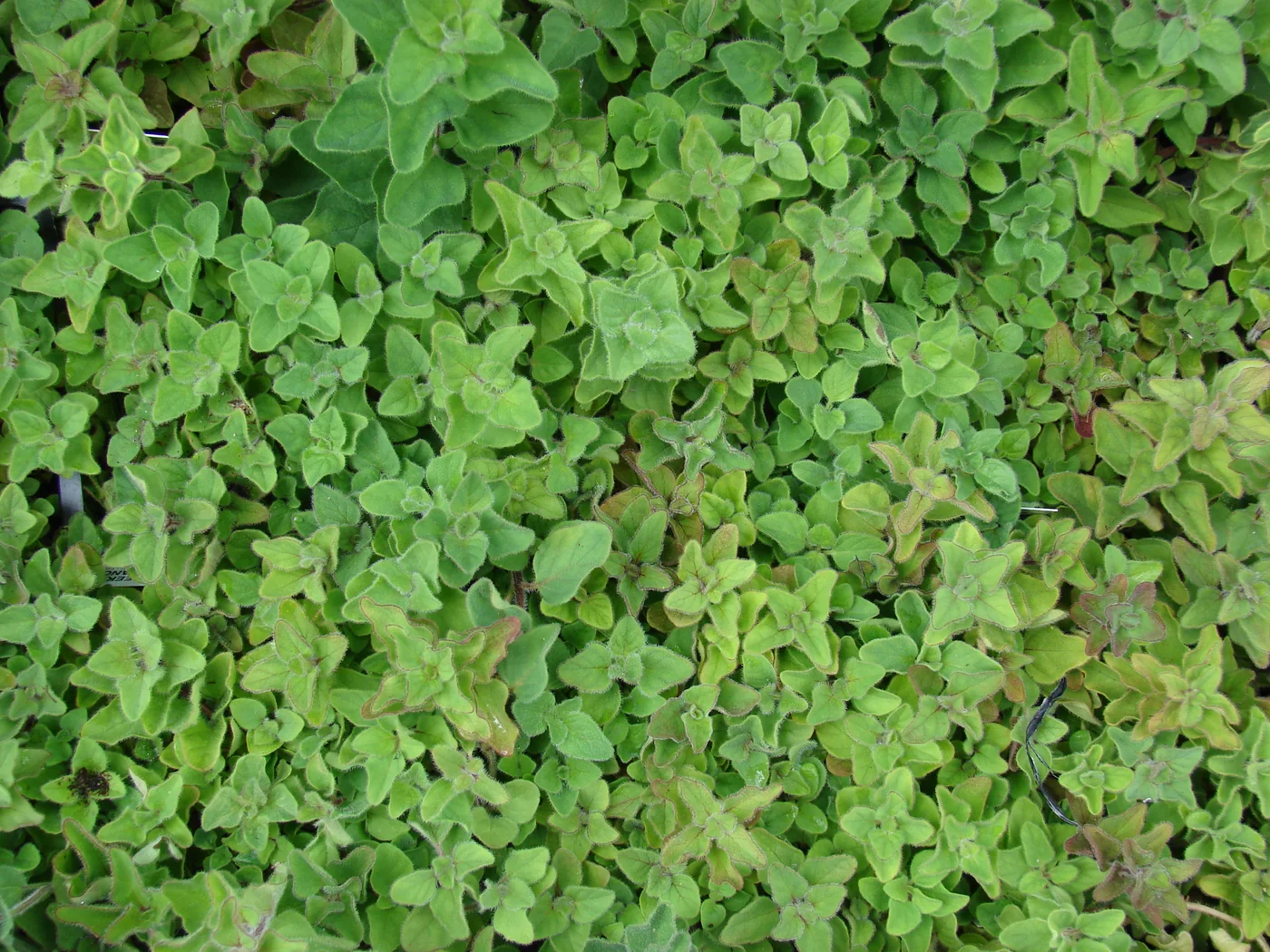
This profile covers Origanum vulgare and its selections. Greek oregano is O. vulgare subsp. hirtum, described by NC State as a culinary plant with the hot, spicy aroma associated with dried oregano. It is one identifiable choice within a much broader nursery category. NC State: Greek oregano
Keep the full name supplied by the grower, including a subspecies or cultivar. A label that stops at oregano tells you little about eventual size, preferred kitchen use or winter reliability. If the nursery cannot identify an ornamental-looking plant beyond that common name, choose a clearly documented culinary plant for cooking and evaluate the unknown one separately.
When replacing a favorite inherited plant, save the old label or purchasing record before shopping. Compare that information with the new tag rather than assuming every pot in the herb section is equivalent. A reliable replacement starts with identity; changes in watering or fertilizer will not turn one named plant into another.
Separate oregano names from marjoram names
RHS explains that O. vulgare is also called wild marjoram, whereas sweet marjoram is O. majorana. Illinois separately identifies Mexican oregano as Lippia graveolens. These common-name overlaps should not make their climate needs, habits or flavors interchangeable. RHS: growing oregano Illinois Extension: culinary oregano
Write a simple purchase note: the dish you want to make, the botanical plant you intend to grow and the place available for it. A recipe using a regional oregano name may be referring to a different ingredient from the plant in a British wildflower list. Ask the supplier for clarification when those descriptions do not line up.
Do not create a blended container merely to solve an uncertain label. Keep different purchases in separate, labeled pots until you know which ones you want to retain. That makes a later comparison possible and avoids accidentally taking cuttings from the wrong plant. Once mixed foliage is dry and stripped from stems, recovering an uncertain identity becomes much harder.
Choose between strong flavor and ornamental effect
The RHS Origanum trial assessed culinary potential alongside foliage, flowers, habit and hardiness. It recognized differences among selections, including the sweeter flavor of some golden forms and the mild flavor of Pink Mist. A decorative cultivar is not automatically flavorless, but appearance alone cannot predict your preference. RHS: Origanum trial 2022–2023
If permitted by the nursery, gently smell a leaf from a clearly labeled culinary plant. Make the final kitchen comparison in a familiar recipe using a small amount, with the preparation held consistent. This is a household preference check, not a scientific trial. Note the exact plant and whether you compared fresh or dried leaves.
For a mixed ornamental and kitchen role, decide which quality would justify keeping the plant if the other disappoints. You may happily retain a mild, beautiful selection for flowers while growing a stronger culinary plant nearby. That works better than repeatedly harvesting the ornamental choice and wondering why the result differs from the jar in the cupboard.
Plan around the selected plant’s spread
NC State describes Greek oregano as a compact, spreading plant, listing a height of 6–9 inches and a width of 12–18 inches. Its general O. vulgare account permits much larger plants. These are separate reference descriptions, not contradictory measurements of every nursery pot. NC State: Greek oregano
Use the selected plant’s tag to mark its likely footprint before planting. Reserve access beside the patch, especially where stems could mix with another herb. A plant that can be reached from one side while young may require two-sided access after it fills the space. Do not put its permanent label in a position likely to disappear beneath the canopy.
If oregano will edge a border, decide where the edge actually ends: the path, a pot boundary or a visible gap before the next plant. Photograph the initial planting from above. That record gives you a reference for later spread without pretending that every extra inch is a problem. The useful question is whether it remains within the area you agreed to maintain.
Set up a bright, draining home
RHS lists sun or partial shade and well-drained soil for the species. Its broad tolerance does not make a low, water-collecting site appropriate. Choose the position for the root environment through the wet season, as well as the sunny view during summer. RHS: Origanum vulgare profile
Observe where rain runs and where adjacent containers discharge. If a bed stays wet, changing the oregano position may be more effective than repeatedly changing its feeding routine. In a container, inspect the actual growing medium and outlets, and plan how to remove standing runoff. A pot is useful because its conditions are accessible, not because every pot drains automatically.
For comparisons with thyme, use thyme and oregano drainage and harvest. Keep a new oregano separate at first if you need to learn its growth rate. This makes it easier to see which plant is filling the available space and to adjust placement before stems shade or entangle the smaller neighbor.
Keep a preferred plant reproducible
Illinois recommends plants raised from cuttings when consistent flavor is important, because seedlings may vary. RHS also describes vegetative propagation as a way to retain the parent’s characteristics. This matters when you have already found an oregano you particularly enjoy. Illinois Extension: culinary oregano RHS: growing oregano
Mark the parent before taking any propagation material. If two pots look similar, work on one at a time and transfer the name immediately to the new container. Decide the number of replacement plants you need before beginning. Unplanned extras take watering space and can become unlabeled gifts whose identity is soon lost.
Buying another clearly identified plant is also a reasonable choice. Compare the time and sheltered space required to establish your own material with the usefulness of preserving that exact parent. If the current plant has unexplained decline, resolve its condition before using it as the source for an entire new collection.
Decide how much flowering belongs in the kitchen patch
NC State recommends harvesting leafy growth before flowering for the best general flavor and describes oregano flowers as attractive to pollinators. That creates a genuine allocation choice: some stems can remain for bloom while others serve the kitchen. NC State: Origanum vulgare
If regular fresh sprigs are the priority, keep a clearly designated part of the planting available for that purpose. If flowers matter more for several weeks, plan another source of culinary leaves rather than resenting the display. With one small pot, you may prefer a sequence of harvest, bloom and renewal instead of expecting all three at full scale simultaneously.
Inspect the leaves before collecting a larger drying batch, and prepare the drying area first. Keep different selections separate and labeled through the process. The oregano identity, bloom and containment guide explains how to evaluate harvest quality while controlling the patch’s boundaries.
Review the boundary and the winter outcome
RHS notes that low oregano stems can root naturally where they meet soil. When keeping a plant contained, inspect the outer edge and any stems reaching neighboring pots rather than looking only at the original crown. RHS: growing oregano
Lift a trailing stem gently enough to see whether it is merely resting on the surface or has become attached. Decide which growth belongs within the planting and which needs removal. Keep unwanted pieces together during cleanup instead of scattering them through a bed. An above-ground container simplifies inspection only when its rim and surrounding surface remain visible.
After winter, compare the living growth with the recorded plant identity and the conditions it experienced. Keep successful selections, change arrangements that repeatedly stay wet, and reconsider plants whose spread exceeds the space you use. The most useful oregano is the one whose flavor, size and care match your garden, with its name preserved for the next planting.
Sources and scope
Research-based guidance informed by institutional references. Cultivar, region and growing conditions can change the advice. Product inclusion does not imply hands-on testing of every model.