First establish what 'no fruit' means
Inspect several flowers at different stages. A newly opened bloom has not failed simply because a pepper is not visible yet. A spent flower may leave a small developing fruit behind; check the base rather than counting only the petals. On the other hand, flowers and their stalks repeatedly dropping without enlargement is a useful observation. Photograph the same branch every few days so memory does not turn a short wait into a month-long problem.
Ask whether the plant has ever set fruit. A plant that produced normally and then paused during a heat spell presents a different question from a newly transplanted pepper that has barely begun growing. If fruit is present but remains green, the issue may be ripening time, not fruit set. Many peppers can be harvested at an immature color, while their final red, orange or yellow stage takes longer.
Check the cultivar description and what its maturity number counts from. Pepper packets commonly give an estimate from transplanting, but the supplier's definition governs. Days to harvest are comparisons under growing conditions, not deadlines. A large, late-ripening sweet pepper and an early small-fruited type should not be expected to follow the same schedule.
Read the recent weather before the fertilizer label
Peppers need warmth, but 'warmer is better' has limits. Flowering and fruit set can be interrupted by temperature stress even when foliage still looks impressive. A short period of unsuitable conditions may affect the flowers opening then, while later flowers set after the weather improves. Adding nutrients does not change the temperature the flowers experienced.
Look at nighttime conditions as well as afternoon highs. A protected sunny bed may feel ideal while nights remain too cool for reliable pepper development. Minnesota Extension recommends waiting for suitably warm outdoor conditions and discusses differences among pepper types. Its pepper-growing guide is useful for separating the plant's warm-season needs from a calendar-only planting date.
During unusually hot weather, reduce additional stress rather than attempting to force production. Check water availability, avoid unnecessary root disturbance and observe whether temporary afternoon shading is practical. Shade changes both heat and light; it is a targeted intervention, not a permanent rule for all peppers. Minnesota Extension describes how excessive heat can disrupt vegetable flowering and pollination.
Trace water all the way to the roots
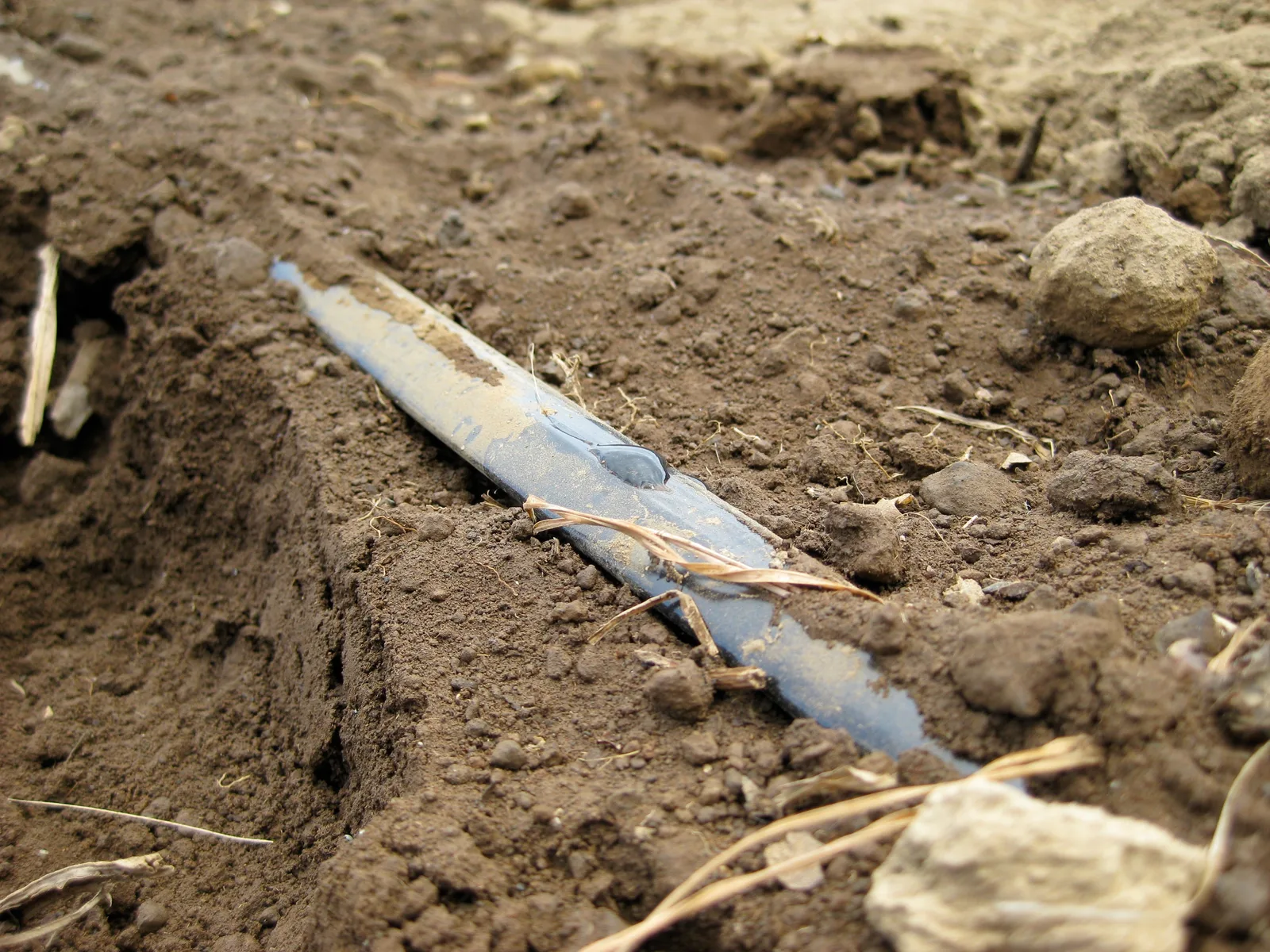
A pepper can receive frequent watering without receiving enough water in the useful root zone. A small daily splash may wet only the surface. In a container, a very dry root ball may shed water into gaps at the sides. In a bed, an emitter may have shifted or clogged. Check the actual soil or mix near the roots and compare it with a healthy plant if one is available.
At the opposite extreme, continuously wet soil can restrict root function. Wilting by itself does not tell you which problem is present. Feel below the surface, inspect drainage and notice how long the container stays heavy after watering. Do not respond to every wilt with another large drink. Wet soil accompanied by continuing decline warrants a closer root and disease assessment.
Try to make moisture more consistent while flowers and fruit develop. The interval will change with weather, plant size, soil and container material. Keep a simple log of watering and rainfall for a week if the pattern is unclear. Utah State Extension's pepper guide describes water stress, fertility and growth requirements. Use its regional guidance as context, not as an exact weekly allowance for every pot.
- Dry root zone: correct the watering coverage and frequency, then watch new growth.
- Wet root zone with wilting: inspect drainage and seek diagnosis before adding water or fertilizer.
- Only the exposed container is struggling: compare heat, wind and pot volume with other plants.
- Several plants pause together during extreme weather: environmental stress becomes more plausible, but still inspect each plant.
Lush leaves are not a request for more nitrogen
Review everything already supplying nutrients: the potting mix's starter charge, granular fertilizer, liquid feed, compost and any lawn fertilizer reaching the bed. A plant with strong leafy growth but little reproductive progress does not automatically need a stronger feed. Extra nitrogen can favor foliage and delay production. A product labeled for blooms is not evidence that the missing nutrient is phosphorus.
For garden soil, use a soil test to guide amendments and avoid adding several products because each sounds helpful. For containers, follow the fertilizer label and account for any nutrients already in the mix. A smaller amount applied at the proper interval is a different treatment from repeatedly adding a full dose whenever flowers fall. Do not combine schedules without calculating what that means for the plant.
If leaves are pale or growth is weak, nutrition may deserve investigation, but those symptoms also overlap with root trouble, cold conditions and inadequate light. Document leaf age and where the discoloration starts. 'Yellow plant' is less informative than 'older leaves yellowed after the pot remained wet for several days.' That distinction makes an Extension diagnostic request far more useful.
Do you need another plant or hand pollination?
Peppers have flowers capable of self-pollination; another pepper plant is not a universal requirement for fruit. Outdoors, air movement and insects can assist pollen movement. A still enclosed growing area deserves a different assessment from an open garden. Nevertheless, shaking every branch or buying another cultivar is unlikely to solve temperature stress or poorly functioning roots.
If you are experimenting with an indoor or protected pepper, first establish adequate light, suitable conditions and healthy growth. A gentle movement of the plant may assist pollen release, but do not present that as a cure for all blossom drop. Damaging open flowers with rough handling is counterproductive. Any intervention should have a clear reason and a way to judge the next group of flowers.
Also distinguish fruit quality from fruit initiation. A pepper that forms and later develops a dark, sunken patch or sunburned area has set fruit; it now needs a different investigation. Avoid transferring tomato or cucumber diagnoses directly onto a pepper from a single photograph. Look at the fruit's position, the sequence of damage and whether leaves or stems are affected too.
Choose one response, then give it a fair observation period
After correcting an obvious watering problem, keep the rest of the routine stable. Mark a branch with newly opening flowers and monitor what happens to that cohort. If you simultaneously change fertilizer, move the pot, remove leaves and alter irrigation, any improvement will be difficult to interpret. More importantly, each change can add stress to a plant already coping with unsuitable conditions.
Make next season's selection from the limitation you actually observed. A short growing season may favor earlier cultivars. Repeated heat-related pauses may justify locally recommended types and a less heat-reflective location. A small container that dries constantly may need more root volume or better water delivery. The useful lesson is not that all peppers are difficult; it is which part of your setup needs to match the crop more closely.
Seek local help when blossoms fail through otherwise suitable weather, leaves distort or develop spreading lesions, stems decline, or roots appear unhealthy. Include the cultivar, planting date, fertilizer history, container size if relevant, and photos of the whole plant as well as close-ups. A diagnosis based on that record is more useful than choosing a treatment from a list of products promising more flowers.
What to record before the next flower flush
A useful one-page record has a place for daytime heat, overnight conditions, moisture checks, watering and whether newly opened flowers stay attached. Mark the beginning of any intervention, such as correcting a displaced emitter. Do not count already damaged flowers as evidence that the correction failed immediately; compare flowers that develop afterward under the improved conditions. Also count any developing peppers, including small ones hidden beneath leaves. If only one plant remains unproductive beside otherwise similar healthy plants, add photographs of that plant's stem base and foliage to the record. This approach does not establish a laboratory diagnosis, but it distinguishes a crop-wide weather pause from an individual plant problem and gives a local adviser much better evidence than a total flower count alone.
Sources & further reading
We favor university extension guidance and original product documentation. Linked sources support the specific facts cited; they do not endorse Garden Gear Atlas.
- University of Minnesota Extension: Growing peppers
- University of Minnesota Extension: Excessive heat in the vegetable garden
- Utah State University Extension: Peppers in the garden