Use the forecast as a decision trigger
An average first-frost date is a planning reference, not an appointment. Start watching local forecasts before your area's usual transition to colder weather, and note predicted overnight temperatures, wind, cloud cover, and the duration of cold. A low area in your garden may behave differently from a nearby sheltered patio.
Frost can form on plant surfaces even when the reported air temperature is slightly above freezing. The Iowa State frost and freeze guide explains that surface cooling and different types of freeze events matter. A brief calm-night frost and a prolonged windy freeze do not offer the same protection opportunities.
Check the forecast early enough to work in daylight. Find your covers, inspect them for tears, and identify a place for tender containers before the evening temperature falls. An organized twenty-minute setup is more useful than discovering at bedtime that the only sheet is too small.
Sort plants into four action groups
Move containers that are both tender and realistically movable. Cover selected tender plants that still have worthwhile growth, flowers, or harvest ahead. Harvest produce that is ready or appropriately mature for its crop. Leave established plants that are suitably hardy for the event unless specific local guidance indicates a reason to protect them.
This triage prevents a blanket response that treats every brown leaf as a disaster. Many garden perennials naturally finish their aboveground season, while a tropical patio plant may need protection much earlier. Plant identity and condition matter more than whether the pot or bed looks attractive today.
The Purdue frost-preparation article distinguishes tender crops from more cold-tolerant vegetables and discusses harvesting and protection choices. Use crop-specific advice for what can remain outdoors and what can mature after picking.
Choose a manageable protected area. If you can cover one productive bed securely, that may be more useful than loosely draping material across five beds and leaving the edges open.
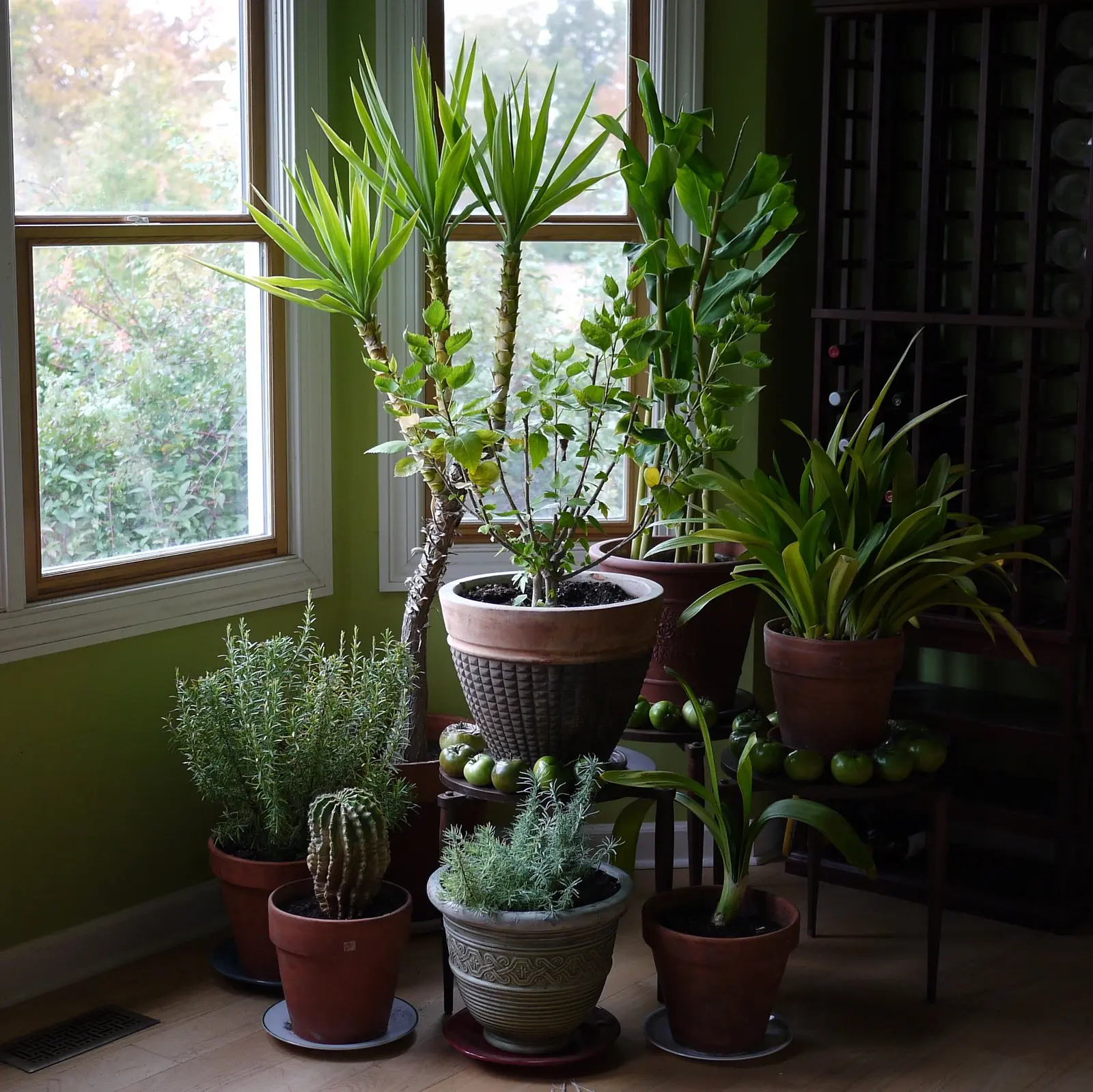
Move tender pots to a genuinely suitable space
Choose a sheltered location that will remain warm enough for the particular plant. A garage or porch may buffer a brief cold night, but an unheated structure is not automatically frost-free. Do not confuse protection from wind with adequate temperature protection.
Inspect plants and pots for insects before bringing them among an indoor collection. Keep a temporary overnight shelter separate from a long-term overwintering plan. A dark garage may work briefly for some plants but does not provide the light they need for months.
Move heavy containers safely, with assistance or suitable equipment when needed. Clear the route and avoid lifting a large wet pot by fragile stems or a weak rim. If a container cannot be moved safely, reconsider whether temporary covering or accepting seasonal loss is the better option.
Outdoor perennial containers need separate winter planning. A plant's landscape hardiness does not automatically describe exposed roots in a pot. Ask local extension about the exact species and setup rather than assuming one frost jacket solves the whole winter.
Fit the cover to the plant and the purpose
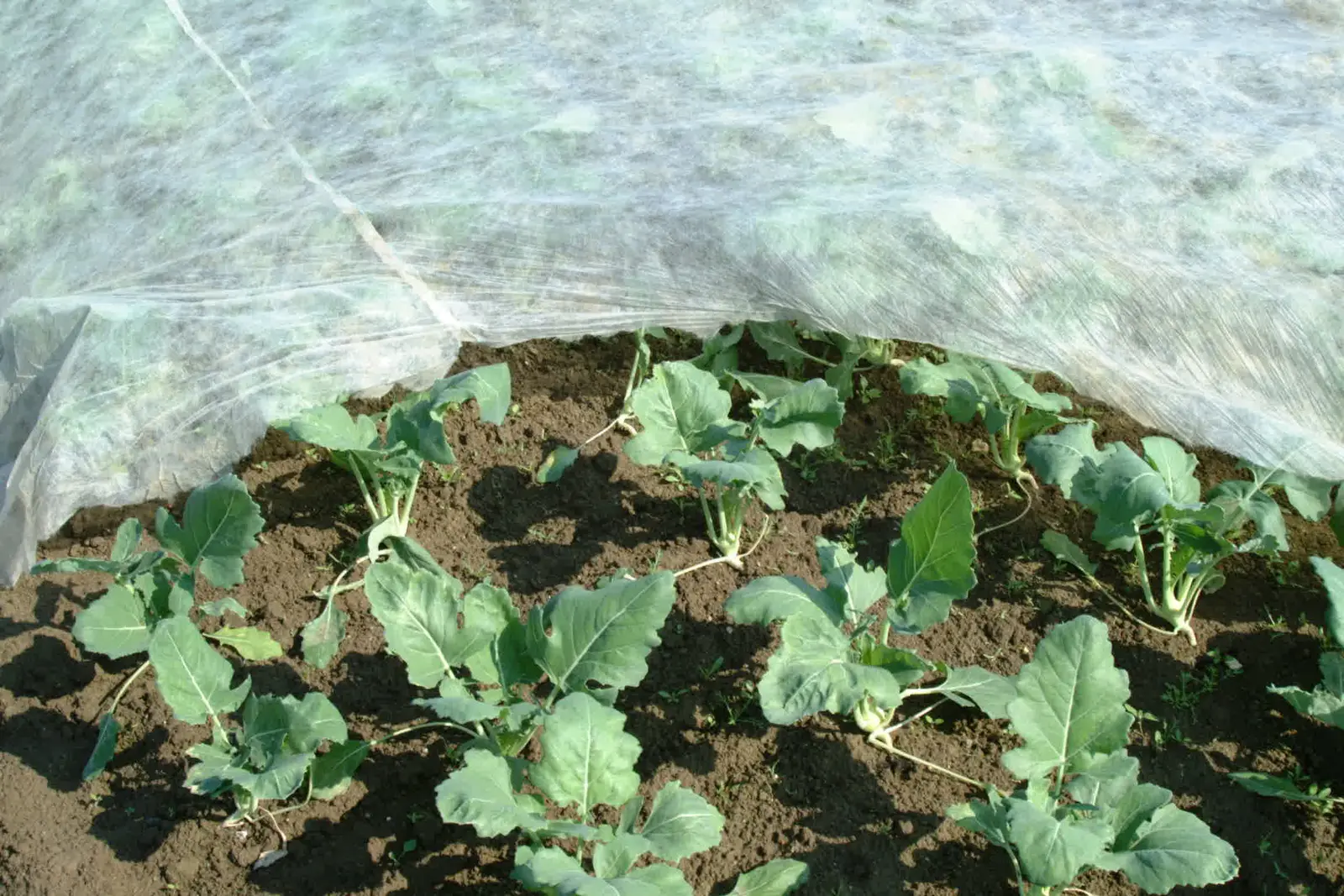
A useful cover must accommodate plant height and reach its intended anchored boundary. Measure across the curved profile of hoops or the full plant shape, not just the flat bed width. Reserve material for securing the edges; a nominally wide cloth may cover less growing area once raised over plants.
Row-cover fabrics differ in weight and light transmission. The University of Maryland's row-cover guidance explains these tradeoffs and the importance of securing covers. Do not treat fine insect mesh, lightweight fleece, and a heavy frost fabric as interchangeable products.
Support material where necessary to avoid crushing tender growth, especially when the cover is heavy or could become wet. Install secure supports before draping fabric. Keep sharp ends away from the cloth and from people working around the bed.
A cover reduces heat loss; it is not a heater with a guaranteed plant-survival rating. Performance depends on the material, installation, weather, duration, and plant tolerance. Claims of a fixed number of degrees of protection should not be turned into a promise for every night.
Anchor it, then plan the next morning
Secure the perimeter using appropriate weights or anchors without tearing the material. Check corners and gaps where wind can lift the cover. A cloth that repeatedly flaps against foliage can damage plants and lose its intended protective function.
For a ground-based cover, an enclosure that captures warmth from the ground is generally more useful than fabric tied only around the upper leaves. Check the installation instructions for jackets and specialized covers rather than applying one fastening method to every product.
Avoid improvised heaters, open flames, or unsafe electrical arrangements beneath fabric. If passive protection is unlikely to be enough, moving plants or harvesting is the safer practical choice.
Set a reminder to inspect and uncover or ventilate when conditions warm. A cover left over plants through a sunny day can create unwanted heat, even after a cold night. Follow the material's instructions and the crop's needs, and restore access for watering and inspection.
Harvest selectively and know when to stop
Take ready produce before the event, but use crop-specific guidance for immature harvest and storage. Do not assume every green fruit will ripen satisfactorily indoors or that damaged produce can be stored normally.
Compare the expected benefit of protection with the weather ahead. Saving a productive tender crop through one brief cold night before a mild period can be worthwhile. Repeatedly covering a nearly finished plant through increasingly cold weather may offer little useful return.
Cut flowers can be harvested for an indoor arrangement if they are at a suitable stage. Some seasonal containers may simply have reached the end of their intended use. Accepting that outcome can free time for more valuable plants and practical cleanup.
After the event, wait until plants thaw and symptoms can be assessed. Do not judge survival solely from a frozen-looking surface before conditions improve. Seek plant-specific advice if damage is extensive or involves a valuable woody plant.
Make the first frost a learning record
Note the forecast, which locations frosted, what you moved or covered, and the resulting plant condition. These observations help identify garden microclimates without pretending that one night predicts every future event.
Dry and inspect covers before storing them. Label dimensions so you can find a suitable piece quickly next time, and keep anchors together in a safe container. Replace or repair significant tears before the next warning.
The best first-frost preparation is selective. Protect what still has a useful future, move what truly needs shelter, harvest what is ready, and allow appropriately hardy plants to follow their normal seasonal cycle.
Sources & further reading
We favor university extension guidance and original product documentation. Linked sources support the specific facts cited; they do not endorse Garden Gear Atlas.
- Iowa State University Extension: Protecting plants from frost and freeze
- Purdue University Extension: Prepare to avoid frost
- University of Maryland Extension: Weather and pest protection