Identify the garden hybrid and its growth pattern
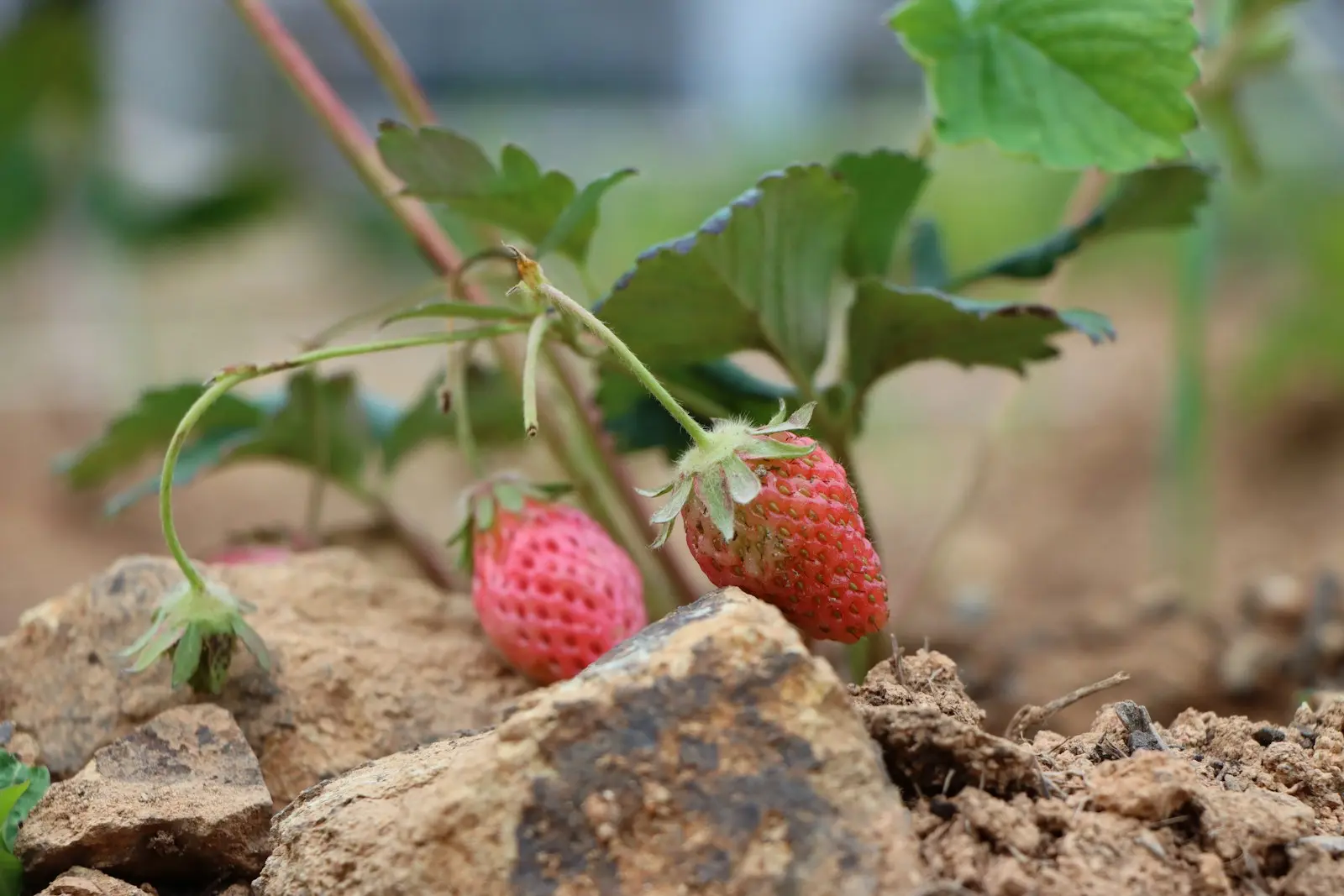
Garden strawberry, Fragaria × ananassa, is the familiar cultivated hybrid crop rather than a single wild strawberry species. Plants form low leafy crowns, commonly 6–12 inches high, and produce runners that can root into daughter plants. A bed can therefore widen and thicken even when the original crowns remain small. Container and raised-bed cultivation both suit this growth form, provided each plant has a useful rooting space. NC State garden strawberry profile.
The plant is perennial by biology, but growers do not always keep it for several years. Florida home and commercial systems commonly grow strawberries as an annual crop, with harvest during the cooler part of the year. Replanting is a production choice shaped by climate and plant performance; it does not make strawberry an annual species. Before following a planting calendar, identify whether the recommendation describes an overwintered perennial bed or a seasonally replaced crop. Florida home strawberry production.
Choose a flowering type that fits the harvest
June-bearing strawberries concentrate their crop into a seasonal flush, useful when you want enough fruit together for freezing or preserves. Their harvest may occur earlier or later than June in different climates. Day-neutral cultivars initiate flowers with less dependence on day length and can extend fresh picking through suitable weather. The older everbearing category is not identical to modern day-neutral production, despite inconsistent use of the words on nursery labels. New Hampshire strawberry types.
Day-neutral does not mean temperature-neutral or guaranteed continuous fruit. UNH describes flower initiation over roughly 40–85°F, with cultivar and conditions affecting the result. High heat can interrupt production even when plants remain alive. Day-neutrals can fruit in the planting year, but newly set plants still need time to establish. Ask for the actual cultivar name and local performance information rather than choosing only by an everbearing promise. UNH day-neutral strawberry research.
Set the crown correctly and choose a runner system
Plant into prepared, drained soil when the regional season is appropriate. Bare-root plants need a hole deep enough for roots to spread downward without bending into a tight bundle. Set the crown’s midpoint at the soil surface, with roots covered and the growing tip exposed. A buried crown can rot; roots left above the soil dry out. Water to settle the planting and recheck depth afterward. Oregon State strawberry planting.
A matted row uses selected rooted runners to renew and fill a controlled strip. A hill system maintains separate crowns and removes runners. The word hill describes that arrangement and does not require piling soil over the crown. Decide the system before allowing every runner to root. Use strawberries in beds or containers to compare the available root space, renewal routine and picking access. Keep new daughter plants only when their health and spacing serve the intended system.
Give low crowns water, light and manageable competition
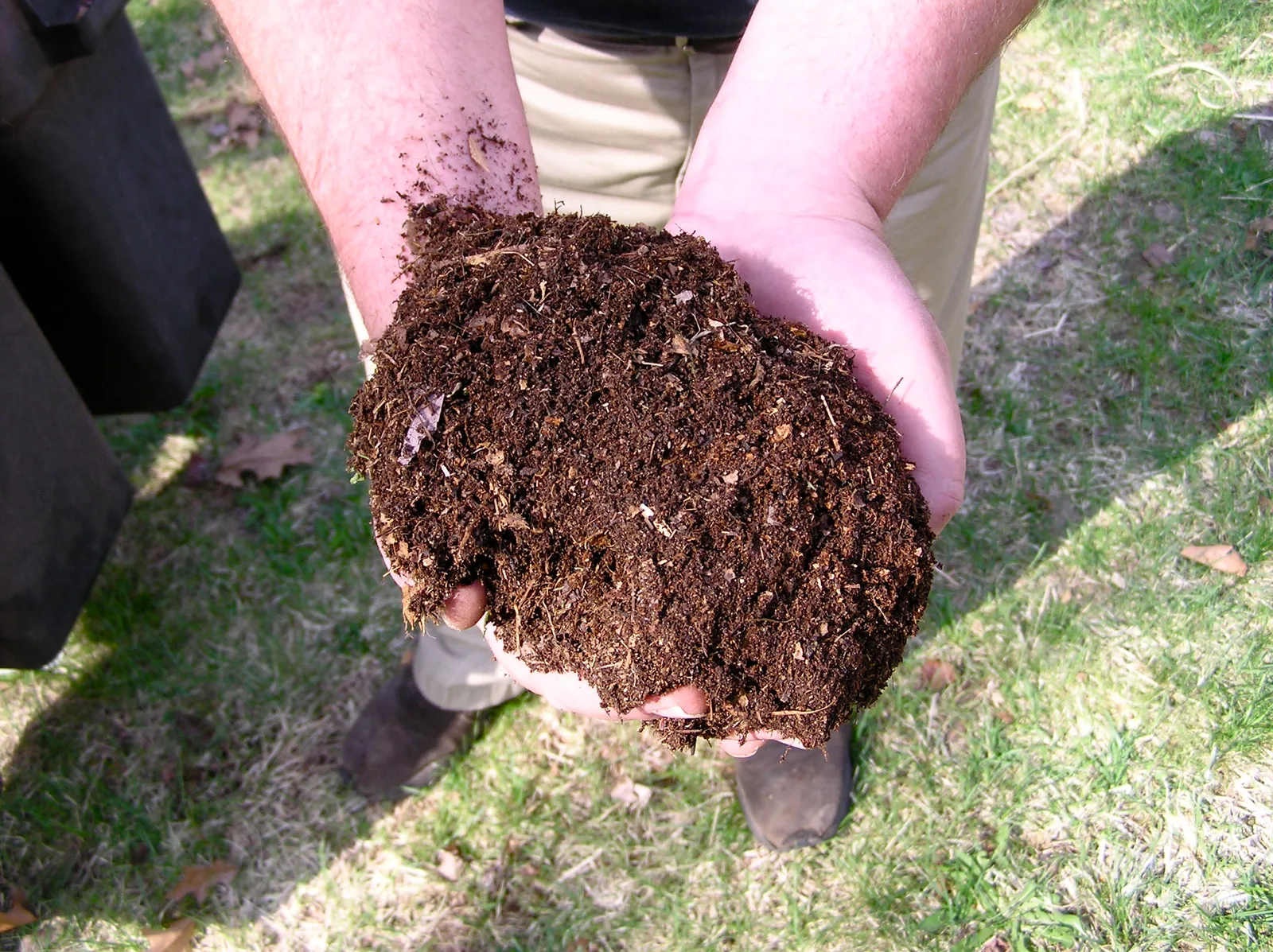
Strawberry roots compete poorly with established weeds, so prepare the site before setting plants and remove weeds while small. The rooting area must hold available water without staying saturated. Locate the crop near a reliable water source and inspect moisture beneath the leaves rather than judging only the exposed path. Soil testing guides pH and fertility; New Hampshire’s pH target of 5.8–6.2 illustrates the mildly acidic conditions used for this crop. UNH strawberry site and soil guidance.
In a container, confirm that irrigation reaches every planted pocket and drains freely. The top of a tall planter can dry while lower pockets remain wet, so check more than one position. Remove runners that divert space or energy away from the planned crop. Feeding and flower removal must follow the chosen fruiting system; a rule intended to establish a perennial June-bearing bed is not automatically right for day-neutral plants being grown for a first-season harvest. Florida container and seasonal strawberry care.
Renew perennial beds and protect the right plant part
After an established June-bearing crop finishes, assess the row while there is still growing season for recovery. Renovation can remove old foliage, thin crowding and restore the intended row, but protect the crowns themselves. Follow the local system’s renovation and fertilizer timing; do not mow a day-neutral planting that is still expected to flower and fruit. Old, weak or persistently diseased beds may be better replaced on a suitable new site. Minnesota strawberry maintenance.
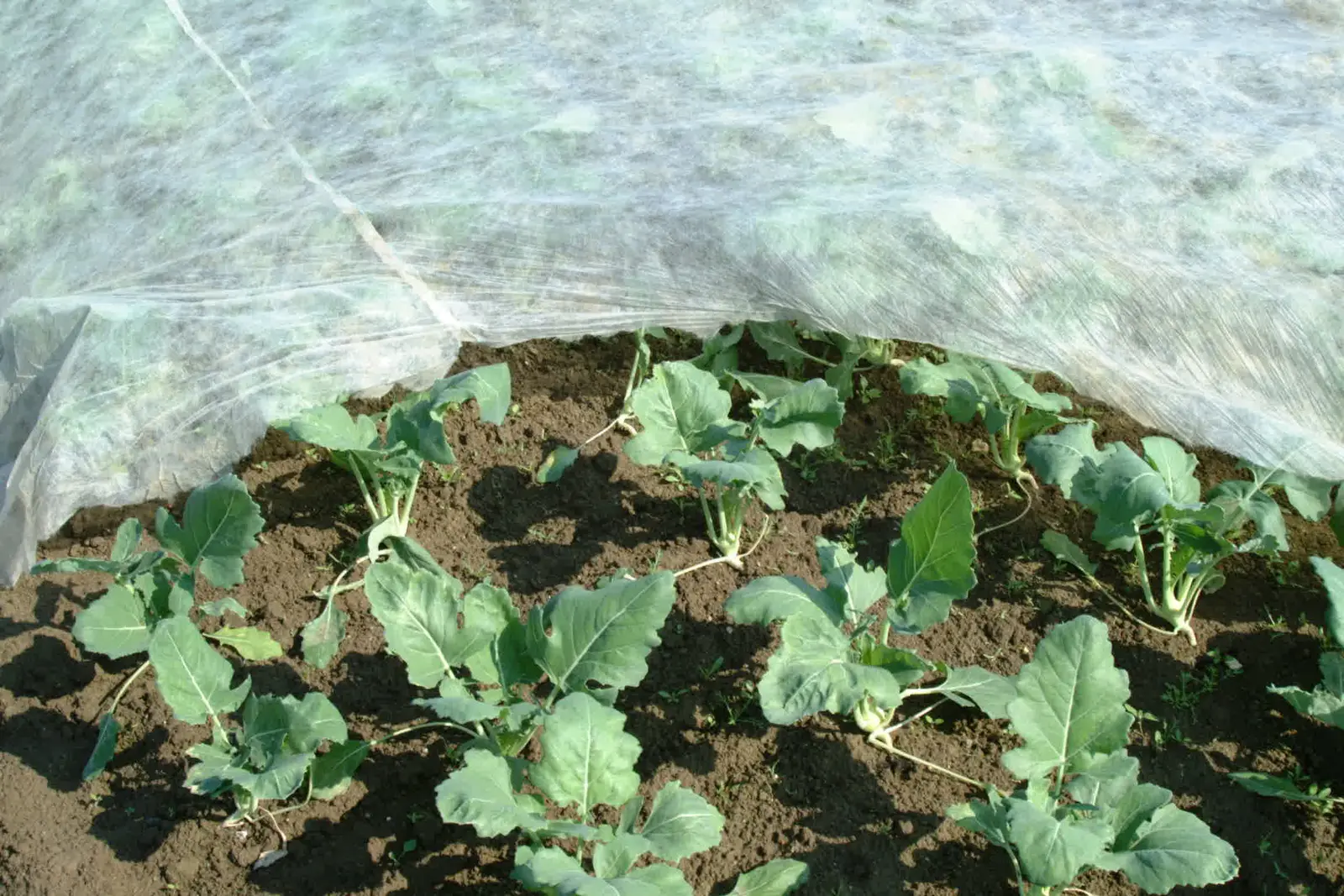
In cold climates, an appropriate loose winter mulch protects dormant crowns and roots from damaging winter exposure. Spring frost is a different concern: open flowers can be injured while the perennial plant survives. Remove or adjust seasonal protection as growth resumes, and provide pollinator access during bloom. Container strawberries need protection that accounts for their exposed root zone. The first-frost garden guide helps distinguish a crop to cover from one to harvest or overwinter.
Harvest ripe fruit without crushing the next picking
Pick strawberries at their cultivar’s mature color and flavor. A red tip with pale shoulders is not the same as an evenly ripe berry. Handle fruit by the cap or short stem where practical, and place it gently into shallow containers. Repeated picking is more useful than waiting for every berry on a plant to mature together. Move the harvest into refrigeration promptly and wash shortly before eating or processing. Iowa State small-fruit harvesting.
As you pick, remove damaged and rotting fruit separately so it does not contaminate the sound harvest or remain beneath the foliage. A mulch barrier can keep berries off bare soil, but the bed still needs air movement and access. Notice where losses occur: fruit pressed against wet soil, berries deep inside crowded foliage and exposed fruit after a hot spell suggest different improvements. Keep records of flavor and usable harvest rather than judging a cultivar only by the largest early berry.
Use the injury pattern to narrow the problem
Soft brown areas with gray fuzzy growth suggest gray mold. Clearly defined sunken dark lesions, sometimes with pink-orange spore masses in wet conditions, point toward anthracnose. Leather rot produces a different discolored, tough fruit and is associated with wet low spots or standing water. Heat injury can bronze exposed surfaces. Do not use taste to diagnose a suspect or rotten berry; inspect its appearance, location and weather history. Minnesota strawberry fruit diagnostic key.
Malformed berries also have more than one cause. Frost can damage flowers, and feeding by tarnished plant bugs can distort developing fruit; weather and pest observations help distinguish them. NC State strawberry catfacing. Small holes or missing fruit call for inspection for slugs, insects, birds or rodents rather than a fertilizer response. Keep foliage open, avoid prolonged wetness and remove spoiled berries while pursuing a specific diagnosis. Seek local help when crowns collapse or fruit losses recur despite those changes.
Sources and scope
Research-based guidance informed by institutional references. Cultivar, region and growing conditions can change the advice. Product inclusion does not imply hands-on testing of every model.
- NC State: Fragaria × ananassa
- University of Florida: Growing Strawberries in the Florida Home Garden
- University of New Hampshire: Growing Fruit: Strawberries
- University of New Hampshire: Day-neutral strawberries research and production tips
- Oregon State: Growing strawberries in your home garden
- University of Minnesota: Growing strawberries in the home garden
- Iowa State: Harvesting and Storing Small Fruit
- University of Minnesota: Discolored or rotten strawberry fruit
- NC State: Catfacing of strawberry fruit