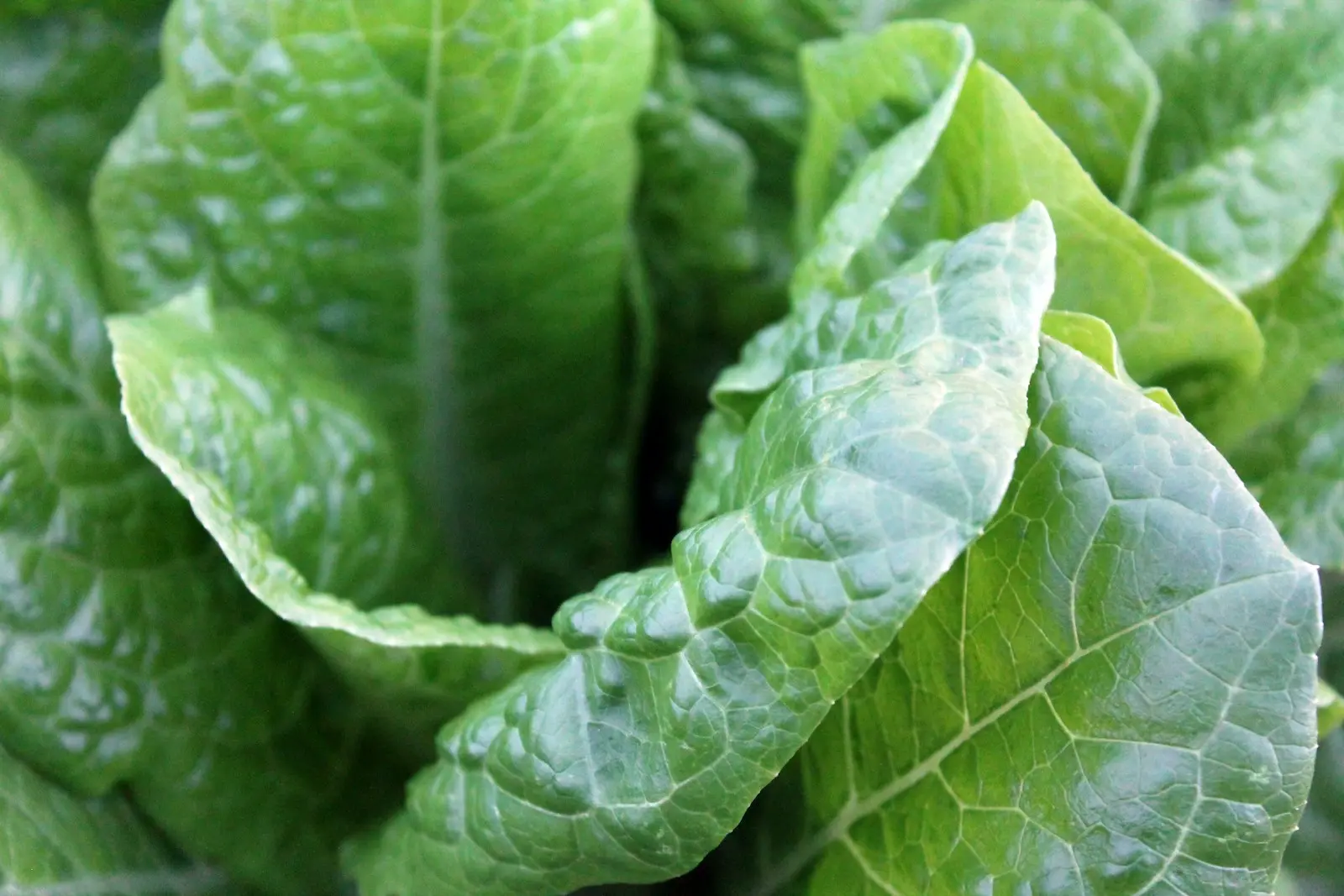
Start with the plant name on the packet
True spinach is Spinacia oleracea. Swiss chard is Beta vulgaris, the same species as beetroot but selected for leaves and stalks. New Zealand spinach belongs to Tetragonia and is listed by UF/IFAS as Tetragonia tetragonioides. It is in a different plant family from true spinach. Similar kitchen uses do not make these interchangeable seed purchases. Maryland Extension: true spinach and other spinach names UF/IFAS: chard heat tolerance and growing season UF/IFAS Assessment: New Zealand spinach identity
Read the botanical name when a packet promises perpetual spinach, summer spinach or spinach beet. Ask which species it contains before assuming it follows ordinary spinach sowing dates. Keep the original packet until you know the crop well enough to recognize it. A label that survives watering is especially useful when two kinds of young greens share a bed.
Choose what you want to eat as well as when you want to harvest. Tender salad leaves, substantial cooked greens and fleshy edible stalks are different kitchen goals. If a recipe depends on the texture of true spinach, trial an alternative in a small meal before assigning a large part of the garden to it. Similar use is not a promise of identical flavor or cooking behavior. Keep the recipe and the amount you used with your notes; a crop that is easy to grow still needs to earn its place at your table.
Give true spinach the cool part of the calendar
True spinach develops a flower stalk as days lengthen and temperatures rise. Maryland notes that both smooth and savoy leaf types bolt under those seasonal conditions. A slower-bolting cultivar may extend your opportunity, but no label turns true spinach into an unlimited summer crop. Several modest sowings can make better use of a suitable cool period. Maryland Extension: true spinach and other spinach names
Use your local planting calendar to choose the first sowing and a likely stopping point. Consider both spring and fall opportunities, allowing for how you will keep the seedbed moist. Do not keep resowing into unsuitable heat simply because the first spring harvest was delicious. A gap in true-spinach production may be a reasonable seasonal choice rather than a problem to solve with another product.
Keep the first succession short enough that you can harvest it at the leaf stage you prefer. If you regularly leave part of the row until it bolts, reduce the next sowing or divide it into smaller batches. Use your kitchen consumption as the measure. Producing more leaves at once is not helpful when the surplus misses the quality window before anyone can eat it.
Use chard for continuity, with a heat limit
Chard is more heat tolerant than spinach, but UF/IFAS still avoids recommending it for Florida's hottest planting months. Its leaves and stalks are both edible. That makes it a useful bridge beyond the true-spinach season, while reminding gardeners that relative tolerance does not mean every summer condition produces equally tender, mild leaves. UF/IFAS: chard heat tolerance and growing season
Think of chard as an ongoing plant rather than a tightly packed one-cut patch. Give yourself room to reach the outside leaves and compare the stalk colors if you plant a mixture. If appearance matters in an edible border, place it where its mature foliage can be seen without shading a smaller crop you need to harvest frequently.
Utah State emphasizes regular moisture and notes that high heat can slow growth or reduce leaf quality. If midsummer leaves are tough or less pleasant, assess both heat and watering history. Do not diagnose every flavor change as a nutrient deficiency. You may prefer smaller harvests, younger leaves or a temporary pause while leaving a sound plant to continue when conditions improve. Utah State Extension: Swiss chard establishment
Allow New Zealand spinach room to spread
New Zealand spinach is a warm-season plant that should be established after frost danger. Utah State describes slow, uneven emergence and recommends soaking seed before sowing. It also gives much more room between plants and rows than a dense true-spinach planting, reflecting its spreading habit. A similarly named crop can therefore need a very different bed allocation. Utah State Extension: New Zealand spinach
Trial a few clearly marked plants first. Place them where their growth will not hide the irrigation point or spill into a frequently used path. Sketch the allowed footprint before sowing, and thin according to suitable guidance instead of keeping every seedling. Starting with a modest number lets you find out whether the crop's texture, harvest routine and space needs suit your household.
Check local extension advice before encouraging it to reseed. UF/IFAS maintains a regional assessment of this non-native plant; a recommendation for one growing region should not be read as blanket permission to spread it into natural areas. Keep the trial within the managed garden and remove unwanted seedlings while identification is still straightforward. UF/IFAS Assessment: New Zealand spinach identity
Establish each crop on its own terms
Chard can be direct-sown or transplanted, and Utah State describes thinning once seedlings develop true leaves. Its germination and mature spacing guidance differ from those for spinach. Use the packet and local recommendations for the species in your hand, rather than copying one depth and spacing across all three crops because they share a harvest use. Utah State Extension: Swiss chard establishment
Lay out separate labeled areas with enough access to inspect emergence. Record which patch was direct-sown and which was transplanted. If one area is slow, compare the species, seed age, temperature and moisture before resowing over it. Mixing a second unidentified batch into a slow first sowing can make thinning and diagnosis harder just when you need a clearer picture.
When leaves develop holes, pale areas or distorted growth, photograph both sides and check the crown and root-zone moisture. Avoid assuming that a warm-season alternative is pest proof. If only one crop is affected, that difference is useful evidence for local identification. Preserve it in your notes instead of treating every green in the bed with the same remedy.
Harvest for renewal and for the meal
For repeated chard harvests, remove outer leaves while protecting the central growing point. Wisconsin Extension notes that summer leaves can become bitter and that quality may improve again as weather cools. A living chard plant can be worth retaining even when one flush of leaves is less appealing than the spring harvest. Wisconsin Extension: chard harvest and summer quality
New Zealand spinach is commonly harvested for tender young leaves and shoot tips. Utah State discusses its oxalate content and recommends blanching and discarding the water before consumption. Treat it as a crop with its own preparation guidance rather than automatically eating it exactly as you would a bag of baby spinach. Utah State Extension: New Zealand spinach
Compare your results by meal and season: which crop supplied useful greens, which occupied too much space, and which needed more frequent harvesting than you could manage? Plan the next sequence from those answers. You may settle on spring spinach, a few chard plants and a small summer trial, or choose only two. There is no need to force all three into a garden that already meets your kitchen needs.
Sources & further reading
We favor university extension guidance and original product documentation. Linked sources support the specific facts cited; they do not endorse Garden Gear Atlas.
- Maryland Extension: true spinach and other spinach names
- UF/IFAS: chard heat tolerance and growing season
- Utah State Extension: New Zealand spinach
- Utah State Extension: Swiss chard establishment
- Wisconsin Extension: chard harvest and summer quality
- UF/IFAS Assessment: New Zealand spinach identity