Follow wilted leaves down to the crown
When a squash suddenly collapses, first check the soil and the base of the plant. Leaf wilt alone cannot tell you whether roots lack water, a stem has been damaged, or disease is involved. Move foliage aside carefully and inspect the crown and lower stems for openings and frass, the material produced as larvae feed. Photograph the stem in place before handling it. Pulling the whole vine upright for a better view may break a damaged connection and erase useful evidence.
The combination of wilt, a basal hole, and coarse yellowish or orange-green frass is more suggestive of squash vine borer than wilt by itself. Minnesota's VegEdge profile also distinguishes borer injury from other causes of wilting. Inspect nearby squash as well, including plants that still look vigorous. A healthy canopy does not eliminate the value of a stem check. Conversely, finding no entry hole means you should keep other explanations open instead of cutting every stem in search of a larva.
Know which life stage you are looking for
The adult is a clearwing moth that flies during the day and can be mistaken for a wasp. The damaging stage is a pale caterpillar feeding inside the plant; small brownish eggs may be attached near the lower stem. Use photographs that show the adult, egg, and larva separately. An adult sighting signals an opportunity to inspect and protect suitable plants, while frass at an entry point suggests that at least one larva has already reached the protected interior.
Maryland Extension's identification account supplies stage-specific photographs and describes regional biology. Apply its visual features while treating its calendar as regional. Keep a record of the first plausible adult, first egg, and first damaged stem in your own garden. These are different milestones, and combining them into “borers started this week” loses information. If identification is uncertain, submit the photograph instead of relying only on color, size, or the insect's fast flight around squash flowers.
Use local timing rather than a national spray date
Squash vine borer activity varies with location and season. A schedule written for an upper-Midwestern garden should not automatically be copied to a warmer region. Ask local extension which flight period or periods matter where you grow. If a monitoring trap is appropriate, understand that it is a detection aid. The catch does not tell you that all nearby females have been captured or that the crop is protected for the remainder of the season.
Plan the inspection workload before the expected activity period. A weekly general garden walk may need a more focused stem check when adults are being reported locally. Store identification photographs with the planting record so another household member can recognize the reason for the check. In an illustrative garden with two squash beds, record each separately: one may contain an older planting already flowering while the other holds small replacement plants. Their protection options differ even on the same date and under the same moth pressure.
Fit exclusion around ground history and pollination
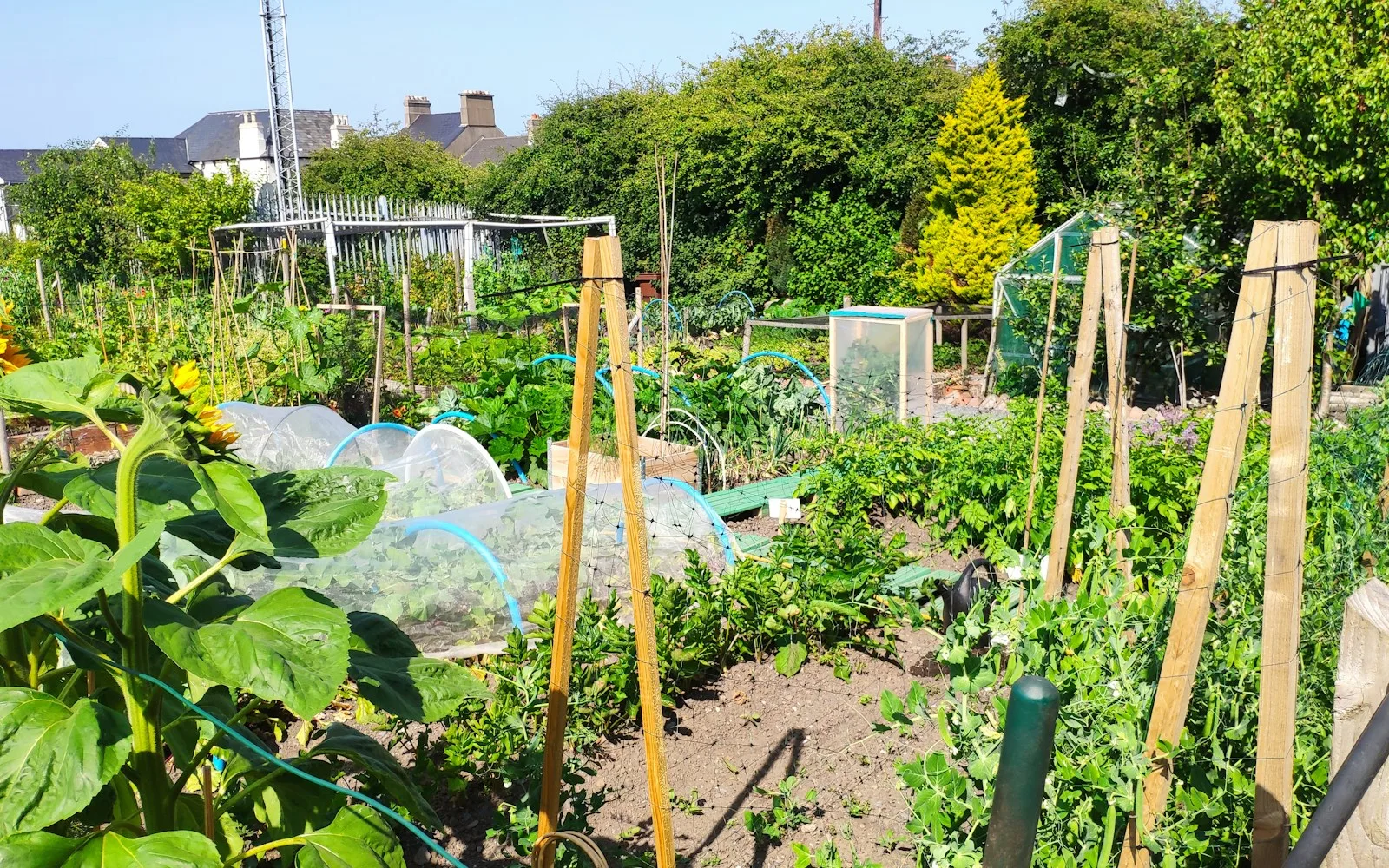
A cover can prevent moths from laying eggs only if the target insects remain outside it. Minnesota Extension cautions against covering a site where infested cucurbits grew the previous year, because moths may emerge from the soil beneath the enclosure. It also emphasizes pollinator access when squash flowers open. These are central limits of the row-cover prevention advice, not small installation details. A well-anchored fabric over the wrong ground can still fail.
Sketch the intended covered area and mark last year's host locations, openings, and the point at which flowering changes your plan. Install supports that leave room for growth and allow inspection without tearing foliage. Do not assume that shading cloth or loosely draped bird netting provides reliable insect exclusion. Check the actual barrier specification and fit. For a crop requiring insect pollination, arrange access at the appropriate stage; keeping it sealed indefinitely can exchange a pest problem for poor fruit set. Include heat buildup in every cover inspection.
Decide whether a damaged vine is worth a rescue attempt
Once a larva is inside, outside treatments have a much harder target to reach. Extension guidance describes attempts to remove a borer through a carefully opened stem, but recovery is uncertain and the operation itself can further damage the plant. Do not begin by splitting every wilted vine. Confirm evidence first and consider the plant's remaining healthy growth, the amount of stem loss, and the time left for production. A severely collapsed crown may not justify prolonged effort.
If you choose to attempt a rescue, use the detailed local extension instructions rather than improvising injections or mixing products for an internal stem treatment. Keep cut plant material out of the healthy inspection route. For a small garden, replacing a lost plant with a seasonally feasible crop may be the more useful decision. Check the local planting window before purchasing another large squash transplant. A replacement is a plan only when there is enough suitable weather and space for it to establish and produce.
Choose next season's crop and bed deliberately
Butternut squash generally has more resistance to borer damage than highly susceptible types such as Hubbard and acorn squash, according to Illinois Extension's prevention discussion. Resistance is a relative advantage, not immunity. Choose a crop you actually want to harvest and can accommodate; switching to a sprawling winter squash does not solve a small-space problem merely because it changes pest susceptibility. Record the species or cultivar accurately so the comparison remains meaningful next year.
Rotation and removal of infested residue belong in the plan, but moving a plant a few feet does not establish a moth-proof boundary. Use the bed history especially to avoid enclosing emerging insects, and combine it with observation of adult activity. A later summer sowing may fit some regions and seasons, but should follow local pest timing and the available maturity window. Write down the reason for any delayed planting. Otherwise, a strategy intended to avoid one flight can become a planting too late to yield well.
Make a prevention note that someone else can follow
At cleanup, retain a simple map showing the affected plants and the location of crown damage. Record which dates are sightings and which are estimates. Add one or two clear photographs, the cover-removal date if used, and whether fruit production remained worthwhile. That modest record is easier to use than a long list of unconnected remedies. It also helps separate borer recurrence from a different squash problem that happens to cause wilt during the next summer.
Write next season's action in operational terms: inspect lower stems when local activity begins, check the barrier before leaving, and reassess pollination access when flowers open. Avoid a vague instruction to “watch for pests.” Decide in advance who can perform the checks during a vacation and which plants are practical to protect. If you cannot maintain exclusion or close monitoring, crop choice and planting scale become more important. Successful prevention is a routine that fits the garden's workload, not an accumulation of rescue methods after the vines collapse.
Sources & further reading
We favor university extension guidance and original product documentation. Linked sources support the specific facts cited; they do not endorse Garden Gear Atlas.
- University of Minnesota: squash vine borers
- University of Minnesota VegEdge: squash vine borer
- Illinois Extension: squash vine borer identification and prevention
- University of Maryland: squash vine borer on vegetables