Make a priority list before temperatures peak
Walk the garden with the forecast in mind and identify plants whose conditions you can meaningfully improve. Newly planted material, small containers, exposed baskets, seedlings, and crops inside covered structures deserve particular attention. Established in-ground plants may have different requirements. Assign each area a specific task: moisture check, delivery check, temporary relocation, shade setup, or ventilation check. The list should fit the time and water you actually have available during the event.
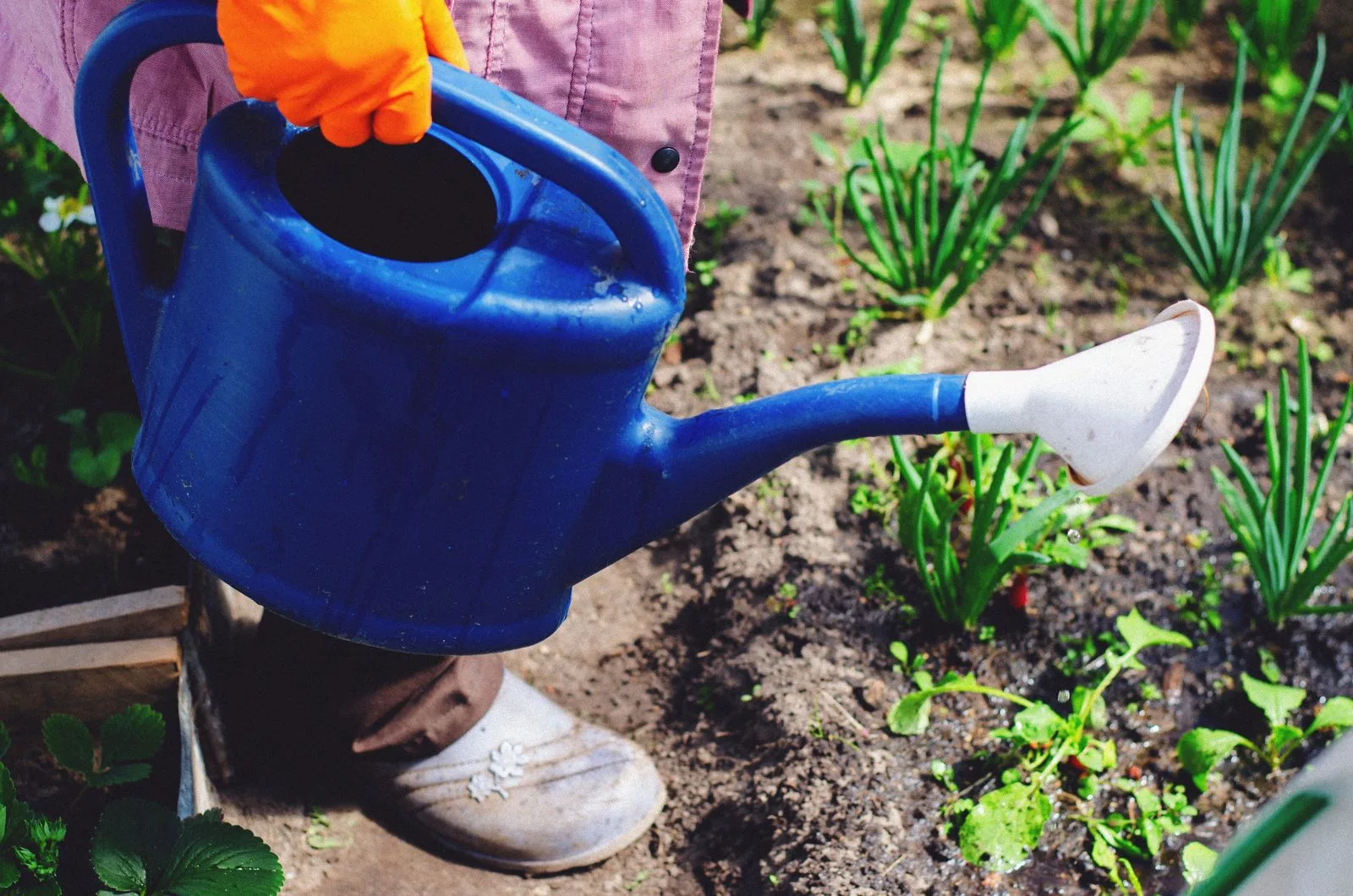
Mark who will perform the checks if more than one person helps. Otherwise, the most visible pot may receive water twice while an awkward hanging basket is missed. Include the practical route to the faucet and the equipment needed to reach each plant. Move obstacles and repair leaking connections before peak heat makes the work more difficult. A heat-wave plan is most useful when it reduces hurried decisions, especially the temptation to respond to every drooping leaf with another full watering.
Read wilt together with root-zone moisture
Plants can wilt temporarily during the hottest part of the day and recover as conditions ease. Persistent wilt, however, needs investigation. Oregon State describes this distinction and other heat symptoms in its heat-stress guide. Check both plant condition and the medium instead of assuming wilt always means dry soil. A saturated pot can support an unhappy plant too. Compare morning and afternoon observations, and note how long the plant remains affected.
Use a consistent inspection point without damaging roots. Look beneath the dry-looking surface where appropriate, and lift a manageable container to compare its weight with its usual watered condition. For a bed, inspect several representative locations rather than only the spot beside an emitter. If moisture is adequate but the plant continues to decline, broaden the diagnosis to roots, stems, pests, or disease. Heat may reveal an existing weakness, but it should not become the automatic explanation for every change that occurs during hot weather.
Verify the water reaches the intended roots
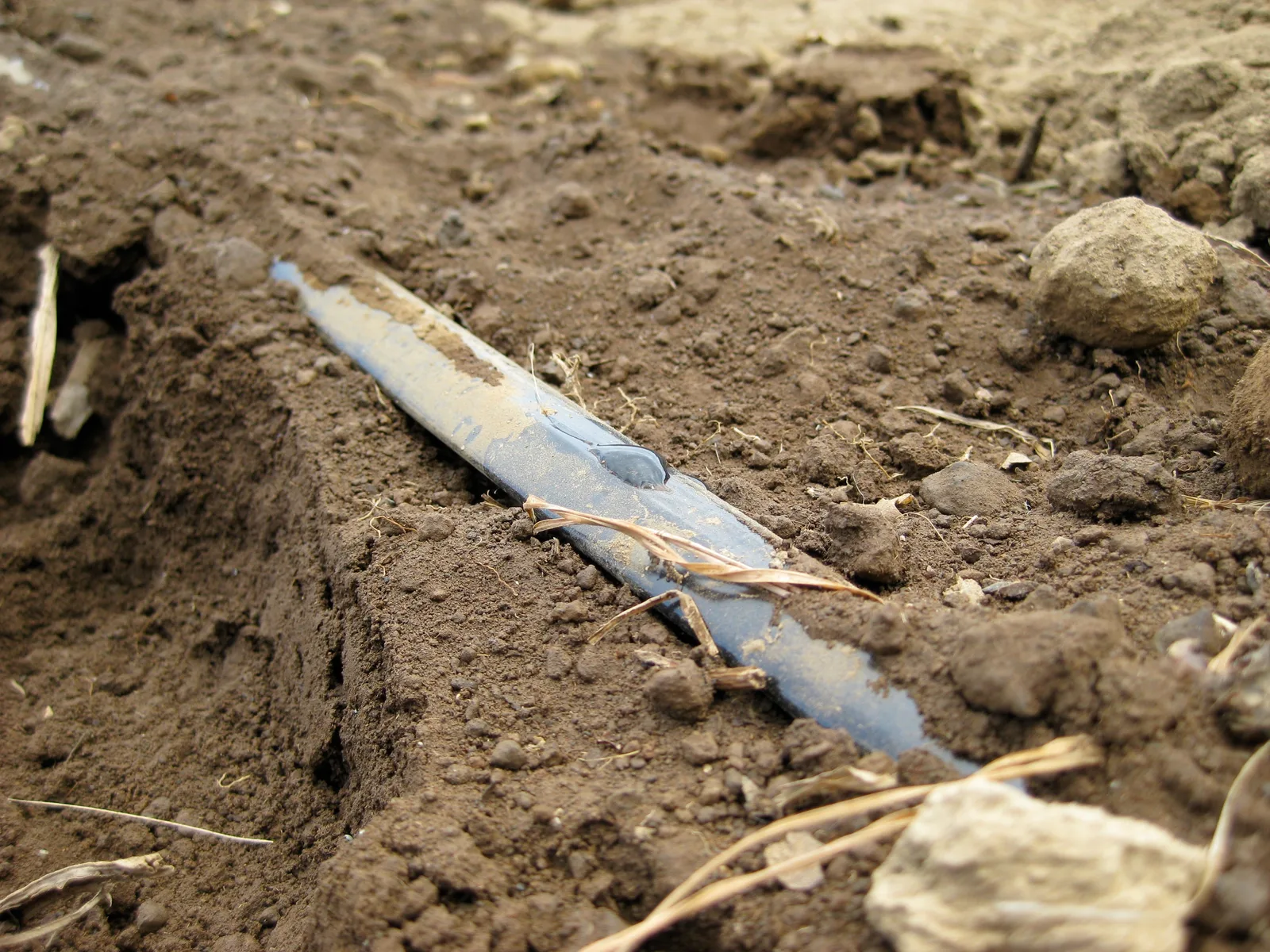
Run irrigation while you can observe it. Check the end of the line, areas shaded by dense foliage, and containers where water might escape down a gap beside the root ball. Adjust a schedule based on soil, medium, crop size, and weather rather than adding the same minutes to every zone. Water needs can change as plants grow; a setting established for small spring transplants may no longer describe a large summer canopy.
Oregon State's extreme-heat advice highlights frequent container checks and moving suitable pots to a shadier location. Decide which containers can actually be moved without injury or excessive disturbance. A heavy planted pot needs a different plan from a small nursery tray. Surface mulch can reduce avoidable evaporation where appropriate, but it does not correct a blocked emitter or missing watering visit. Use the hot-weather container guide for detailed pot management, keeping the whole-garden response focused on priorities and reliable access.
Install temporary shade with an exit plan
Shade should address the most stressful exposure while leaving adequate air movement and access. Support suitable cloth above vulnerable foliage, secure it for the expected wind, and inspect the attachments. Avoid resting heavy material directly on plants or enclosing them beneath an improvised cover that traps heat. Choose the material and its degree of shading for the crop and exposure; a printed percentage is not a guarantee of a matching temperature reduction.
Maryland Extension distinguishes warming row covers, insect netting, and shade cloth in its weather and pest protection guide. Identify which function you need before repurposing fabric already on hand. If insect exclusion must continue, evaluate that requirement together with ventilation and shade. Write the conditions for removing the temporary protection: a cooler forecast, reduced afternoon exposure, or a change in plant response. Leaving substantial shade in place after the event can limit useful light. Plan how the plants will return to normal exposure without an abrupt unnecessary change.
Treat greenhouses and propagation areas as separate zones
A greenhouse or enclosed propagation area can have conditions very different from the outdoor forecast. Inspect vents, doors, fans if fitted, and shading without assuming that one open window solves the problem. Read temperatures where plants are growing using suitable sensor placement, and compare conditions through the day. A thermometer directly heated by the sun can mislead if you interpret it as a representative air reading. Keep ventilation openings clear of temporary cloth and stored materials.
For seedling trays, check cell moisture and the need for humidity covers or heating equipment as conditions change. Do not let a setup intended to encourage spring germination continue automatically through a heat event. If a small batch can be moved to a more suitable protected position, prepare that space before carrying it out. Use the greenhouse ventilation guide for system planning. The immediate seasonal task is to identify where heat is accumulating and ensure the intended cooling and monitoring arrangements are actually working.
Pause work that adds avoidable stress
Iowa State Extension recommends postponing planting and transplanting during extreme heat and avoiding fertilizer applications intended to stimulate growth in its extreme-heat garden guidance. Shift the week's workload toward observation, essential watering, and maintaining access. A plant that looks stalled does not necessarily need a nutrient boost. Avoid using the heat wave as the moment for major root disturbance, a new container experiment, or drastic reshaping of an established canopy.
Keep healthy foliage where it helps shade fruit and stems. If a branch is broken or there is a confirmed disease requiring action, assess that specific need rather than treating the general pause as a prohibition on all care. Read heat-related restrictions before any pesticide application; a product suitable in mild weather may injure a stressed plant under different conditions. Make a deferred-work note with the reason for waiting. That keeps a necessary task visible without encouraging you to complete it during the least favorable conditions merely to clear the list.
Reassess after the forecast eases
Remove or reduce temporary shade as appropriate, return movable pots to suitable positions, and revisit timer changes. The schedule needed during peak heat may overwater plants once demand decreases or rain arrives. Inspect new growth and continuing fruit development while distinguishing old scorch from fresh damage. A damaged leaf cannot become an undamaged one, so do not judge recovery solely by whether the previous marks disappear. Note which plants resume useful growth and which continue to decline.
An illustrative review might show that the main bed stayed adequately moist, two baskets were consistently missed, and the greenhouse vent was obstructed by a shade attachment. Those findings lead to three concrete improvements rather than the vague conclusion that everything needed more water. Keep the event record brief: forecast, actual checks, temporary changes, and resulting condition. Before the next heat spell, repair the specific weak points. A practical plan becomes stronger when it reflects your garden's access and exposure instead of accumulating additional equipment with no defined job.
Sources & further reading
We favor university extension guidance and original product documentation. Linked sources support the specific facts cited; they do not endorse Garden Gear Atlas.
- Oregon State University: identifying and preventing heat stress
- Oregon State University: plants during extreme heat
- Iowa State University: managing the garden in extreme heat
- University of Maryland: vegetable garden weather and pest protection