Know the shrub behind the flower head
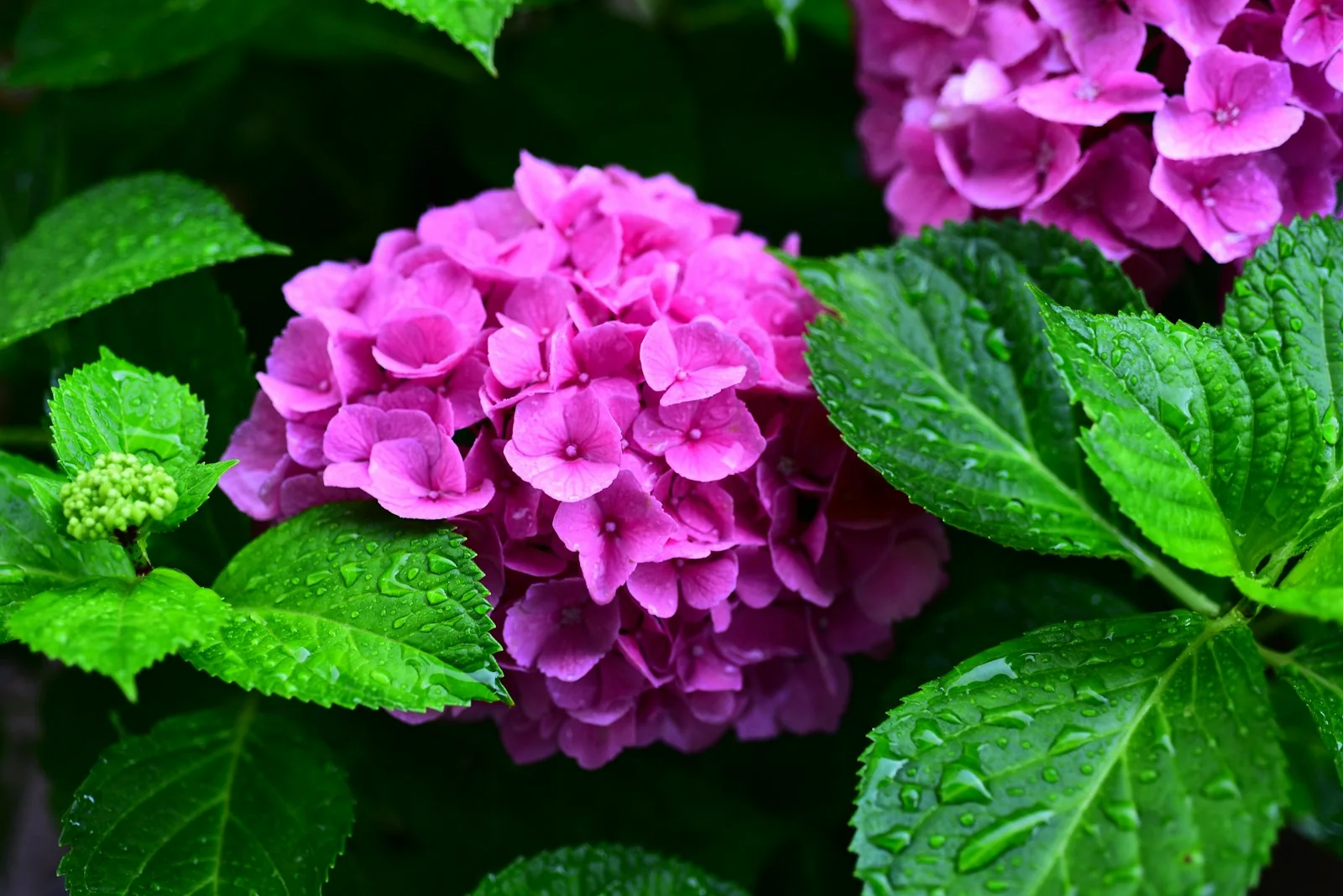
Bigleaf hydrangea is a woody perennial that drops its leaves, rather than a plant that should be cut down with herbaceous flowers each autumn. Its broad leaves and rounded habit can make a substantial summer backdrop. Mopheads carry showy rounded clusters; lacecaps have a flatter arrangement with small central flowers and a more conspicuous outer ring. These are flower forms within the bigleaf group, not reliable instructions for pruning every shrub sold as a hydrangea. NC State Extension: bigleaf hydrangea
Keep the botanical name and cultivar label together. A photograph of a pink flower head cannot establish whether a plant reblooms, how large it becomes, or how its buds handle your winters. Before purchase, compare the stated width with the actual bed opening, including space beside a path. A shrub chosen to fit that space gives you more freedom to preserve its flowering stems.
Choose for the winter you actually have
The Illinois species reference lists bigleaf hydrangea for USDA zones 6–9, while noting that it may survive farther north yet fail to flower because the preceding season’s stems die. That distinction explains a common disappointment: vigorous green shoots emerging from the base do not prove that the winter left the flower-bearing wood intact. Look for locally demonstrated performance of the named cultivar, especially near the cold edge of its range. Illinois Extension: bigleaf hydrangea
Map what happened before changing care. Did the plant retain living stems above ground, or restart from its crown? Did buds open and then blacken after a frost? Did the shrub flower in a previous sheltered position? Keep those observations with the cultivar name. A hardiness label answers a broad survival question; your records answer the more useful question of whether this particular shrub flowers reliably in this position.
Separate flower color from plant health
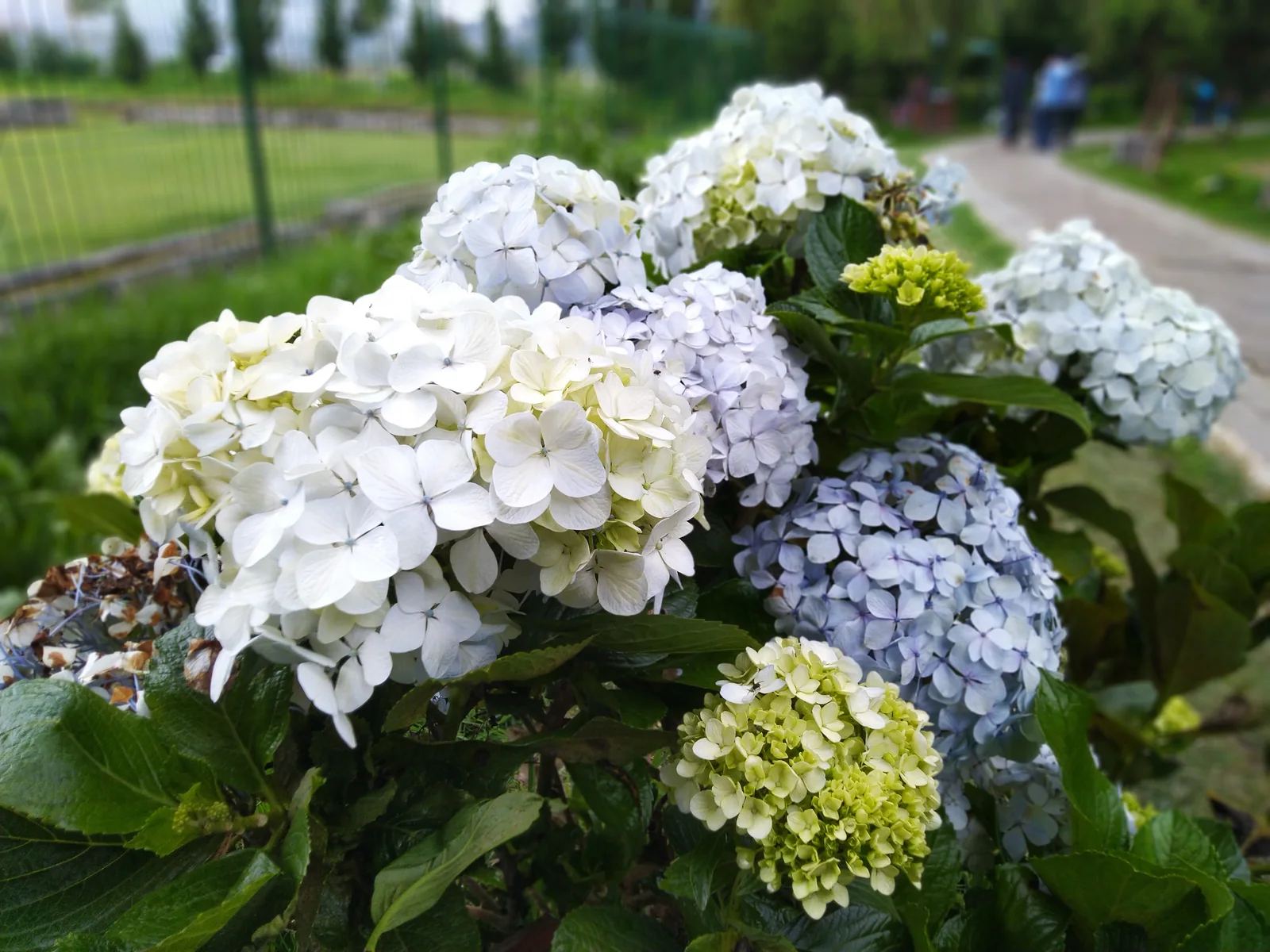
Pink and blue bigleaf cultivars can respond to soil chemistry because acidity influences available aluminum. White-flowered selections do not become blue simply because you acidify their soil. Aging flower heads also change appearance, so compare flowers at the same stage before deciding that the soil has changed. Test first, then use the soil pH recommendations guide to interpret a real result. RHS: growing shrubby hydrangeas
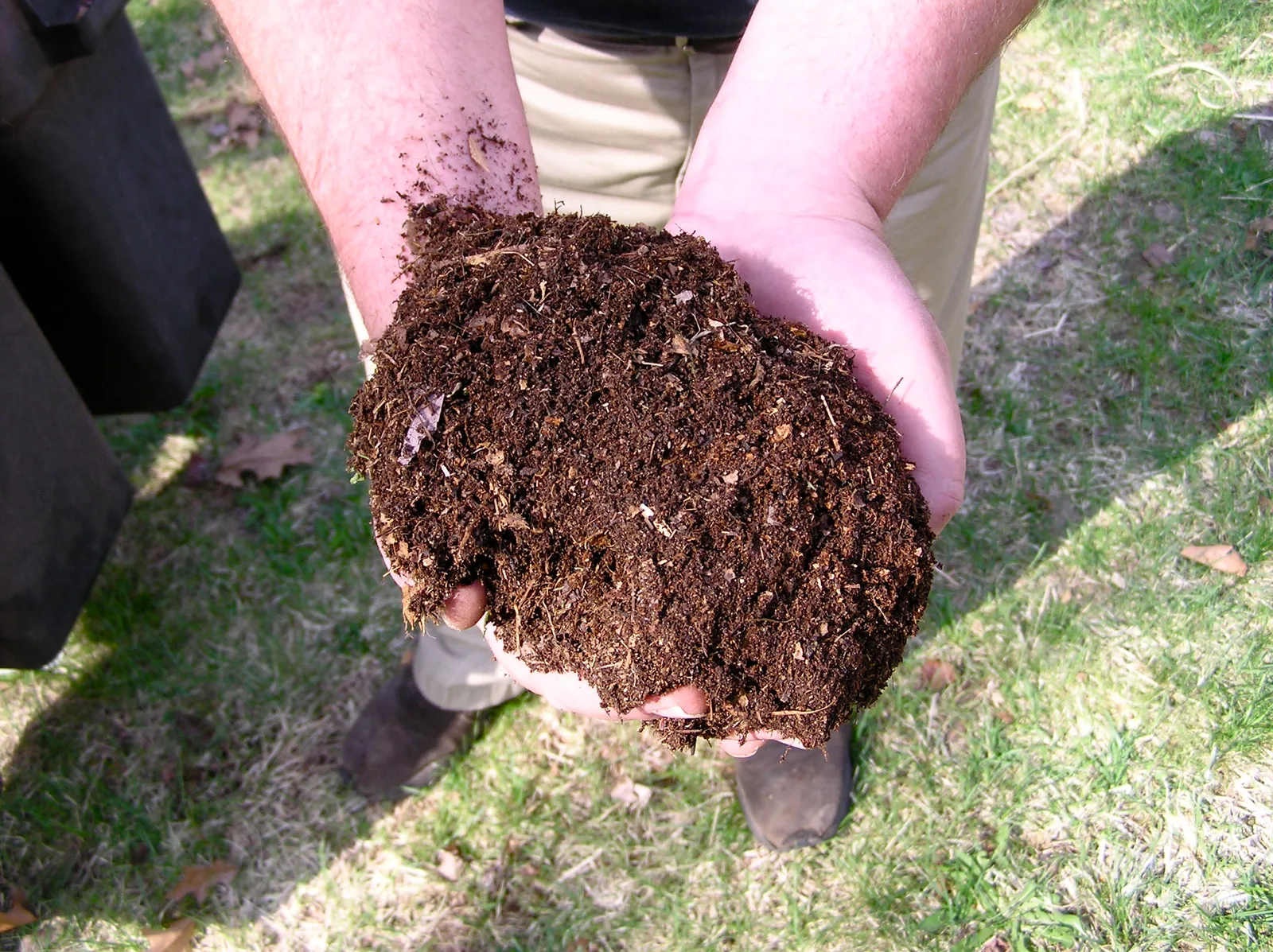
Trying to force blue flowers in strongly alkaline ground can become an ongoing project. A compact selection in an appropriate acidic container medium gives more control, provided its roots have drainage and its moisture is checked. Decide whether maintaining a particular color matters more than accepting the color produced by your soil. Do not add lime, acidifier, or fertilizer from flower color alone, and do not treat blueing products as a cure for missing blooms. RHS: growing shrubby hydrangeas
Plant carefully and propagate growing shoots
At planting, keep the top of the original root ball level with surrounding soil and leave mulch clear of the stem bases. A shrub already needing frequent rescue watering is a reason to reassess its position; use the small-shrub site preparation guide before moving it. RHS: growing shrubby hydrangeas
For propagation, softwood cuttings use the flexible new shoots produced in spring or early summer. Choose healthy nonflowering material, prepare the base below a node, remove lower leaves, and insert it into suitable cutting medium. Humidity around the leaves limits wilting while roots develop, but the cutting still needs light without scorching sun and a medium that remains moist rather than flooded. Label each batch with its parent plant and date. Gradually increase ventilation after rooting before exposing it to ordinary outdoor conditions. Treat this as a new plant establishing roots, not as a flowering branch ready for an exposed border. RHS: softwood cuttings
Preserve buds when shaping the plant
Most bigleaf flower production depends on wood carried over from the previous growing season. Reblooming cultivars can also flower on newer shoots, but that is a cultivar characteristic, not permission to shear every bigleaf hydrangea whenever convenient. Illinois Extension recommends making necessary shaping cuts soon after flowering on old-wood types. A late general haircut can remove the following display before any obvious flower buds are visible. Illinois Extension: hydrangea care
Spring inspection is a different task from reshaping the whole shrub. Remove a faded head only as far as healthy buds beneath it, and identify dead wood before cutting deeper. Selective removal of an old stem can refresh a crowded shrub; cutting all stems to the base sacrifices the usual old-wood flowers. The hydrangea pruning guide helps distinguish these jobs. A comfortable bypass pruner suits small individual stems and makes it easier to choose each cut deliberately. RHS: hydrangea pruning
Diagnose a leafy plant with few flowers
Work through the plant’s history before buying a bloom fertilizer. Insufficient light can reduce flowering, and pruning away old wood can remove buds from an otherwise healthy shrub. A cultivar that reblooms still needs enough usable light and a growing season that lets it develop flowering shoots. Record where flowers appear: along retained branches, on basal shoots, or nowhere. That observation is more informative than the general claim that the plant is an endless bloomer. Illinois Extension: hydrangea care
Photograph the shrub before any spring cutting, then again during its expected local flowering season. Note shade from trees after they leaf out, especially if a formerly productive shrub has become enclosed by neighboring growth. Compare these records with the previous winter and pruning dates. Change the factor you have evidence for, and allow an appropriate growth cycle to judge the result. Several simultaneous treatments make the next diagnosis harder.
Read wilt together with the root zone
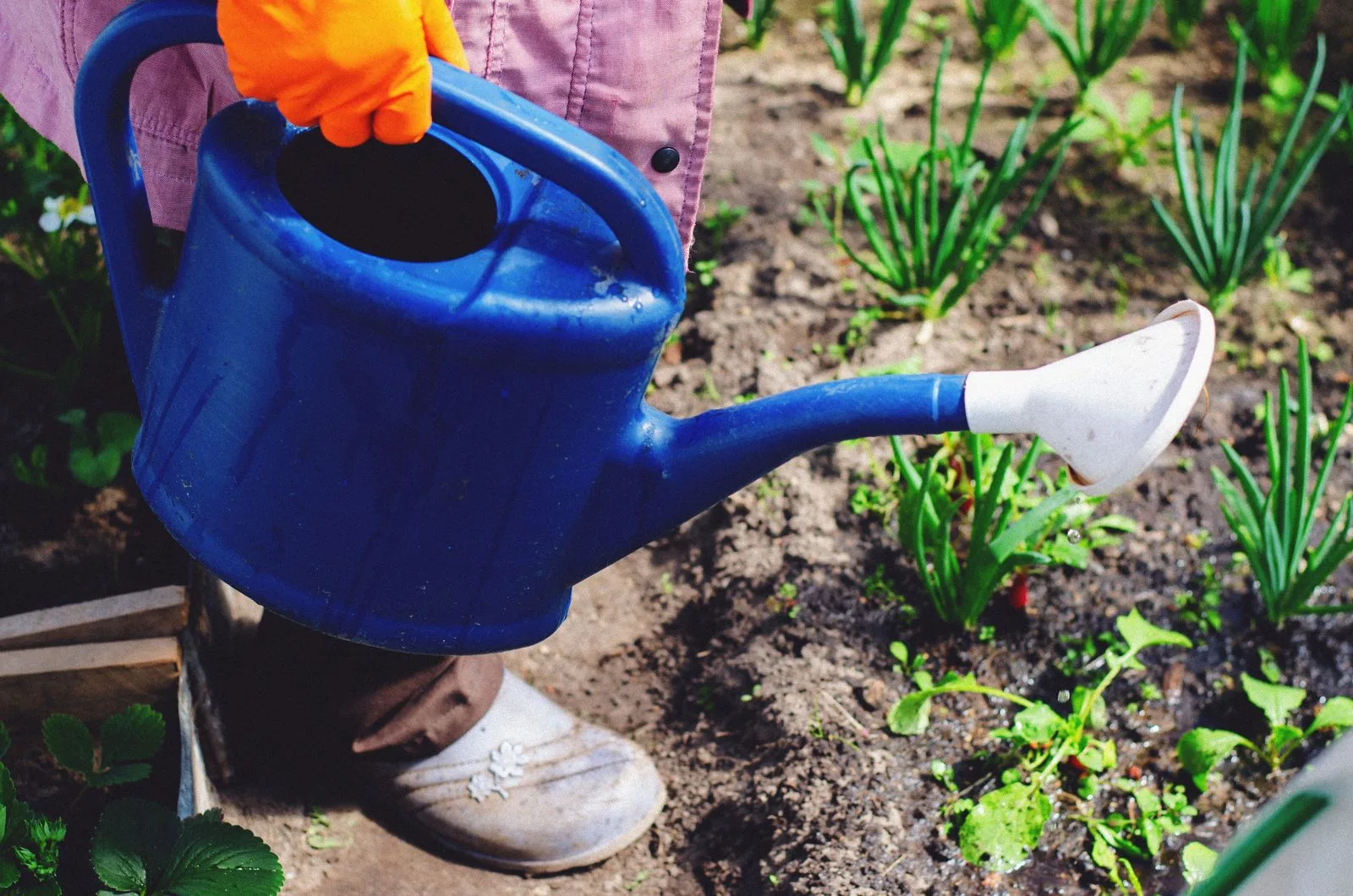
Drooping leaves are a reason to inspect, not an automatic order to irrigate. Roots in persistently saturated soil can lose function, leaving the top wilted even though water is abundant. Yellowing, progressive decline, and soft deteriorating roots point toward a drainage or root problem rather than a simple shortage of water. Illinois Extension explains why damaged roots and prolonged wetness can reinforce each other. Illinois Extension: drowning and edema
Check the original root ball and adjacent ground after rain. Water when soil is drying; investigate persistent saturation before adding more. Record moisture and symptom spread. Progressive branch death or expanding spots need identification through a local diagnostic service. A moisture observation cannot identify a pathogen, and leaves alone cannot reveal how wet the roots are. Illinois Extension: drowning and edema
Sources and scope
Research-based guidance informed by institutional references. Cultivar, region and growing conditions can change the advice. Product inclusion does not imply hands-on testing of every model.