Name the plant before choosing a date
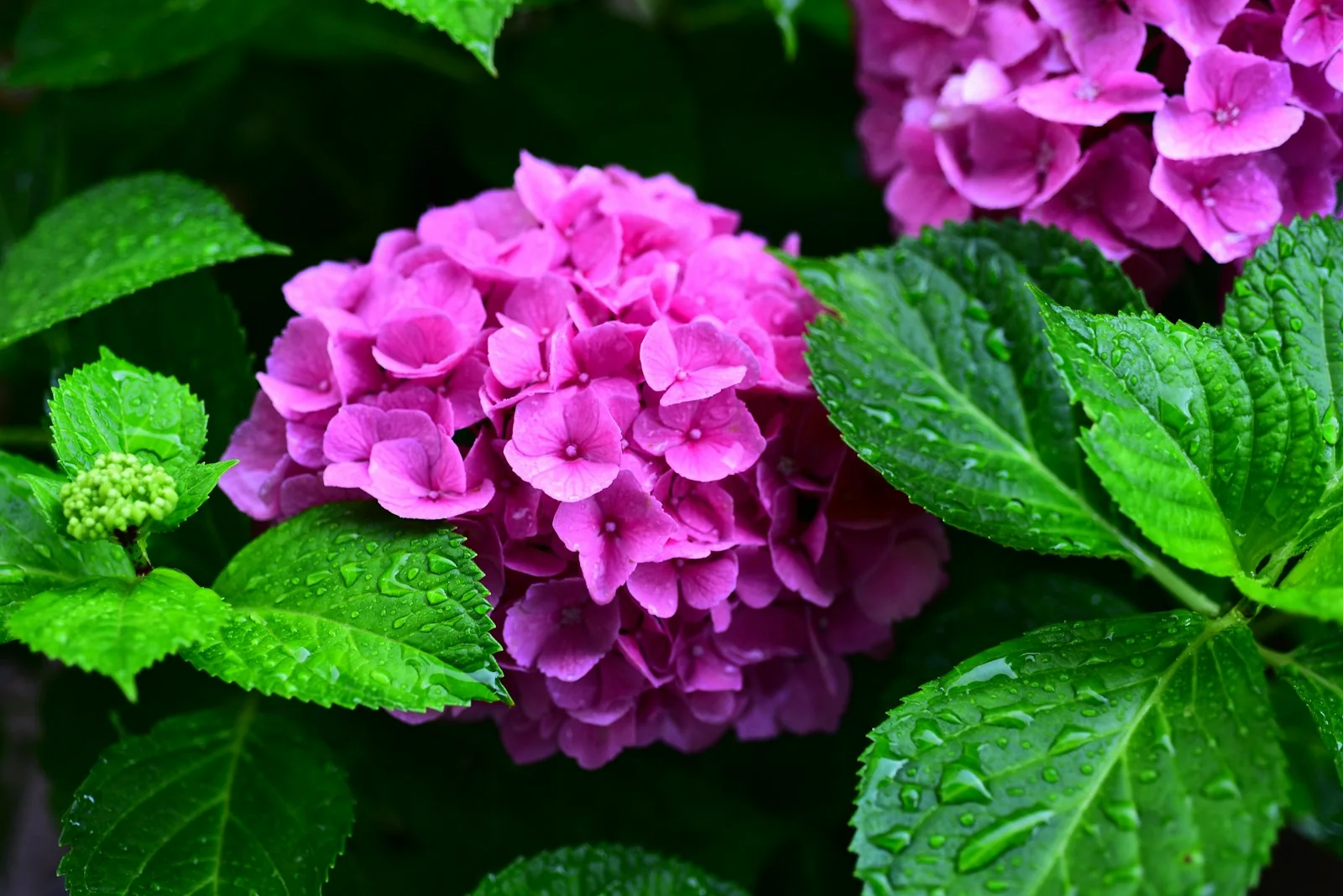
The question when should I prune my hydrangea has no single answer because hydrangeas do not all prepare their flowers in the same way. Find the original label, nursery receipt, or planting record. Record both species and cultivar when available. A flower photograph is useful for identification, but color alone is not a dependable pruning instruction.
The University of Maryland's hydrangea-pruning guide separates old wood, new wood, and reblooming types. Old wood is growth already present before the new season begins. New wood develops during the current season. This refers to when the flowering growth formed, not simply whether a stem looks brown or green.
If the label is lost, photograph the whole shrub, leaves, stems, and flowers across the season. Ask an extension service or knowledgeable nursery for identification. While you investigate, postpone wholesale shortening. It is usually easier to tolerate a temporarily untidy shrub than to replace flower buds after they have been cut off.
Protect the stored buds on old-wood types
Bigleaf and mountain hydrangeas commonly form flower buds on growth that passes through winter; oakleaf hydrangea also flowers on old wood. A routine dormant-season cutback can therefore remove the following display. For necessary shaping of these plants, use species-specific guidance and generally work soon after flowering rather than automatically cutting everything in autumn.
The Royal Horticultural Society's hydrangea advice distinguishes light grooming from renovation: cutting an old-wood shrub to its base can cost the next flowering season. Its discussion of retained old stems is particularly useful when evaluating a shrub that has leaves but failed to flower after an earlier cutback.
Look at the exact goal. Removing a spent flower head is a smaller intervention than shortening the entire stem below several buds. Removing one old cane at the base is different from cutting every stem to the same height. Describe the intended cut in those terms before starting, especially if someone else normally prunes your garden.
If the plant is an oakleaf hydrangea, use the oakleaf footprint and flower-bud guide for that species’ space and pruning decisions.
Use new-wood flowering without assuming a hard cut is mandatory
Smooth hydrangea and panicle hydrangea form flowers on current-season growth, so late winter or early spring is commonly used for planned pruning. That timing gives a different margin for shaping than old-wood types, but it does not mean the shrub needs to be reduced to the ground every year.
The University of Minnesota's hydrangea guide explains the species differences and notes the winter interest of dried flower heads. Decide whether you want to retain that display before removing it. A calendar entry can say inspect and prune if needed rather than cut every stem.
For smooth hydrangea, Maryland Extension's species profile confirms new-wood flowering and the possibility of rejuvenation when needed. Keep that option separate from ordinary yearly care. Judge the existing framework, available room, and desired appearance. A healthy shrub already fitting its location may need little more than selective correction.
Tree-form panicle hydrangeas require a further distinction: their retained trunk is part of the trained form. Do not apply an all-stems-to-the-ground instruction intended for a bush-shaped plant. Preserve the intended framework unless you have deliberately chosen, and understand, a different long-term shape.
Treat reblooming as flexibility with tradeoffs
Some bigleaf and mountain cultivars can flower from both overwintered growth and new growth. This ability can provide another opportunity for flowers when earlier buds are lost, but it does not make every pruning decision equivalent. Removing old stems can still remove the early display and change the timing or extent of later bloom.
Verify that the actual cultivar is reblooming. Do not assume every plant sold under a broad marketing collection behaves identically, or that a neighbor's hydrangea provides evidence for yours. Keep the cultivar name with a note about flowering habit so the next year's decision is based on the plant you have.
For a reblooming plant that already fits the space, a restrained approach preserves more options. Observe where the first flowers appear, remove only what you have identified as necessary, and assess the result before additional shaping. This is especially helpful after an unusually cold winter, when the surviving flower-bearing portions may not be obvious at first glance.
Separate dead wood from dormant wood
A leafless hydrangea stem is not necessarily dead. In early spring, different portions of a shrub may reveal live buds at different times. Where there is no immediate hazard or clearly broken stem, wait for growth to make the distinction easier. Mark uncertain stems for a later look instead of removing them because they are inconvenient to identify.
The University of Maryland's hydrangea-problem guide lists frost, browsing, and other stresses among reasons buds or flowers can be lost. A shrub without blooms is not automatically asking for more pruning. Think back through winter weather, spring frost, animal activity, and previous cuts before deciding what happened.
When a dead tip is clear, work back to healthy growth using an appropriate small pruning tool. Inspect one stem at a time and keep the cuts deliberate. If dieback is extensive or continues into apparently healthy portions, document it and seek a diagnosis rather than repeating cutbacks in the hope that the next one will solve the cause.
Match the amount removed to the problem
Use three separate decisions: whether faded blooms need removal for appearance, whether a few stems need correction, and whether the entire plant needs renewal or relocation. Mixing these into one general tidy-up often leads to taking off more growth than intended. Start with the smallest action that resolves the actual problem.
For example, a flower head leaning across a path may only need removal at its tip. A shrub occupying half the path every summer presents a mature-size problem. Repeatedly shortening that shrub may sacrifice flowers while leaving the same spatial conflict. Compare relocation or a smaller suitable plant before committing to another annual cycle of heavy cutting.
Check the plant from normal viewing distance after a few cuts. Working with your face inside the shrub makes it easy to lose track of the overall result. Place removed stems in a pile so the amount taken off remains visible. Pause when the goal is met rather than continuing until the shrub looks uniformly clipped.
Keep a flowering record that improves next year's choice
Write down when you pruned, what you removed, and where flowers subsequently appeared. A few dated photographs can distinguish an early display on retained stems from later flowers on new shoots. Note weather damage and browsing alongside the pruning record so a disappointing season does not get attributed to the wrong cause.
After a mistaken cutback, allow recovery and avoid trying to force a correction with repeated pruning or unneeded fertilizer. One lost display does not prove that the shrub must be replaced. On the other hand, a plant that repeatedly loses flower buds in your conditions may be a poor match for the effect you want.
The useful end point is a specific instruction you can repeat: preserve the old flowering framework, prune this confirmed new-wood type before spring growth, or investigate before cutting. A species-based decision is more reliable than a single date pasted onto every hydrangea in the garden.
Sources & further reading
We favor university extension guidance and original product documentation. Linked sources support the specific facts cited; they do not endorse Garden Gear Atlas.
- University of Maryland Extension: pruning hydrangeas
- University of Maryland Extension: hydrangea problems
- University of Minnesota Extension: pruning hydrangeas for best bloom
- University of Maryland Extension: smooth hydrangea
- Royal Horticultural Society: hydrangea pruning