Make the decision before making the cut
Deadheading means removing spent flowers, usually including the developing seed structure. It is not the same as pruning a shrub, pinching a growing tip, or cutting an entire perennial to the ground. Those operations remove different parts and can produce different responses. Calling every cut deadheading makes it harder to find advice that fits the plant in front of you.
Begin by naming the goal. You may want continued flowering, fewer unwanted seedlings, a tidier pot near the door, or stems for seed collection later. These goals can conflict. A flower head removed before seed develops cannot also provide that seed for birds, propagation, or a naturalistic winter display.
Next, identify the plant and, where possible, the cultivar. A familiar common name is not enough when the group includes plants with different flowering habits. The Iowa State deadheading guide distinguishes plants that may bloom again from those for which removal mainly prevents seed formation or improves appearance.
Do not deadhead an entire mixed bed on autopilot. Walk through it first and identify the plants that actually need attention. A few informed cuts can be more useful than cutting every faded-looking structure to the same height.
Separate repeat bloomers from plants with one main display
Some annuals and perennials can continue producing flowers when spent blooms are removed, provided the season and growing conditions support more growth. That does not mean deadheading creates endless bloom. A heat-stressed, drought-stressed, heavily shaded, or naturally finished plant will not necessarily respond with another flush.
Other plants flower in a more limited seasonal window. Removing the spent flowers can prevent unwanted seed production and improve appearance, but it does not reset their whole flowering cycle. Spring bulbs are an important reminder: flower-stalk removal and leaf removal are different decisions. Healthy foliage still has a role after the flowers have faded.
Some modern annual cultivars require little routine deadheading. If the label describes a self-cleaning plant, confirm what maintenance is actually recommended before spending time picking through every blossom. Self-cleaning describes flower maintenance, not freedom from watering, nutrition, or other care.
The South Dakota State deadheading article explains the connection between spent flowers, seed development, and repeat bloom. Apply that principle with plant-specific guidance rather than turning it into a promise that every flower will return after cutting.
If you are uncertain, deadhead a small portion and observe it while researching the exact plant. Keep the untouched area as a practical comparison. You may learn whether the task improves the display enough to justify doing it regularly.
Read the stem and protect the next flowers
Look closely at the structure before reaching for snips. On a stem with a single finished flower and healthy leaves below, the appropriate cut is often just above a suitable leaf or bud. On a branched stem, nearby buds may still be developing. Removing the whole branch to eliminate one faded bloom can sacrifice the next part of the display.
A flower cluster deserves a second look. If only one flower has faded, you may be able to remove that individual bloom while leaving the rest. Once the cluster is finished, removing its spent stalk may make more sense. Follow the stalk with your fingers and eyes so you know which leaves and branches belong to it.
Plants that send flower stalks above a basal clump require a different approach from heavily branched annuals. A finished, bare stalk may be removed near its base when species guidance supports that treatment, while the useful foliage remains. Do not assume that the whole green clump should be cut because the stalk has finished.
Remove the spent flower structure rather than merely pulling off unattractive petals. The developing seed-bearing part may remain after petals fall. If preventing seed is the goal, leaving that structure in place does not accomplish the intended task.
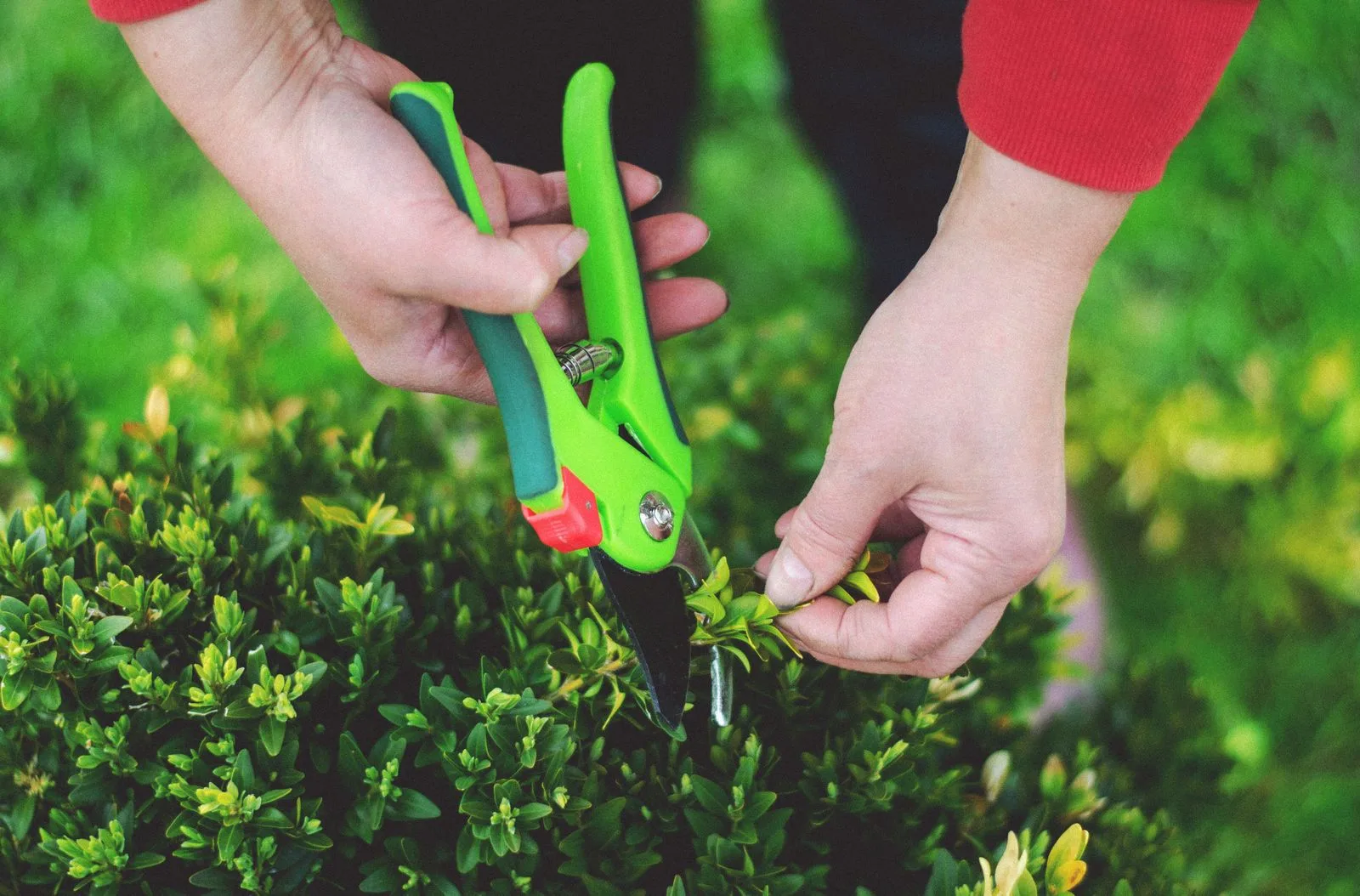
Use a clean cut and avoid tearing a stem down into living tissue. Fingers can work for soft, easily separated flowers; snips are better where pinching pulls on the plant or leaves a ragged break.
Choose where seed heads should stay
Leaving seed heads can be a deliberate garden choice. You may want wildlife food, interesting winter structure, or seed from a known plant. Decide which plants and areas can serve that purpose rather than treating every spent flower as either mandatory waste or mandatory habitat.
A front-edge container and a broad perennial border do not need identical maintenance. You might keep the container groomed while leaving selected healthy flower heads elsewhere. This allows a tidier view near an entrance without removing every seed source from the garden.
Unwanted self-seeding changes the calculation. If a plant already produces more volunteers than you can manage, remove its spent flowers before the seed is ready to disperse. Use regional invasive guidance where relevant; allowing an invasive plant to seed is not a habitat benefit. Do not save seed from a plant whose identity remains uncertain.
Disease also changes the decision. Clearly infected material may not be suitable to retain simply for winter appearance. Identify the problem and use local sanitation advice appropriate to that disease. Not every brown seed head is diseased, and normal drying after flowering should not be mistaken for infection.
Seed collection is its own task. Research when the exact species' seed matures and how it should be handled. Cutting every head immediately after petals fade may be too early, while waiting too long may allow seed to disperse. Label collected material and avoid promising that seedlings from a named hybrid will match the parent.
Build a routine that fits the garden
Carry a small bucket and appropriate snips during a short garden walk. Work through the plants you identified as worthwhile deadheading candidates, then stop. A repeatable, selective routine is easier to sustain than letting a mixed bed become a large, unpleasant grooming project.
Check for insects and unopened buds while working. An old flower may be occupied by a visitor, and a useful new shoot can be hidden directly below it. Move methodically enough to distinguish what is finished from what is still developing. Wear gloves where the plant's sap, thorns, or your own skin sensitivity warrant them.
Clean tools when needed, especially after cutting suspect diseased material, following appropriate plant-disease guidance and any cleaning-product directions. Do not mix cleaning chemicals. A sharp blade that makes a controlled cut is useful; a large pruning tool is not automatically better for a thin flower stem.
Avoid turning deadheading into a reason to fertilize on a fixed schedule. A plant's need for nutrients depends on its growing conditions and existing fertility. Water stress, inadequate light, crowding, and natural seasonal decline need their own assessment.
The Iowa State perennial-maintenance guide places deadheading alongside other tasks such as weeding, staking, and division. That broader view matters: removing old flowers is one maintenance option, not a replacement for a well-sited, adequately cared-for plant.
Know when the task has stopped paying off
Watch the response over a reasonable period for the species. Are new buds developing, or are you repeatedly removing faded flowers from a plant that has clearly finished its season? Continued cutting may still improve appearance, but be honest about that goal instead of expecting another bloom cycle.
Late in the season, reassess whether more flowers are likely and whether seed heads now have greater value. There is no single national date to stop deadheading. Local climate, the species, and your purpose all matter. A long mild autumn and an early hard freeze create different opportunities.
Do not use a deadheading schedule as a substitute for species-specific winter care. Some perennials retain useful stems and foliage, while others need particular cleanup because of local disease concerns. Woody plants and roses may also have pruning rules that differ from the flower-removal task covered here.
Record which plants responded well and which required too much effort for the result. If a container demands grooming you dislike, choose a lower-maintenance variety next season. The best deadheading decision is sometimes a future plant-selection decision: grow flowers whose natural habits fit the amount of attention you want to give them.
Sources & further reading
We favor university extension guidance and original product documentation. Linked sources support the specific facts cited; they do not endorse Garden Gear Atlas.
- Iowa State University Extension: Deadheading ornamentals and roses
- South Dakota State University Extension: Deadheading regularly
- Iowa State University Extension: Maintaining perennial beds