Identify the broccoli crop before choosing dates
This profile centers on heading broccoli in the Italica Group of Brassica oleracea. Its edible crown consists of immature flower buds carried on fleshy stems. Many familiar heading cultivars complete their crop in one growing season; some late or overwintering broccoli types need chilling and behave as biennials. Calling all broccoli an obligatory two-year crop misrepresents that range. NC State Extension explains the annual and biennial types.
A heading plant, a purple sprouting winter crop and broccoli raab do not belong on the same sowing schedule. Raab is a different Brassica species, while sprouting types can be selected for a succession of small shoots. Maryland Extension distinguishes these garden crops. Confirm whether a packet promises a main head, substantial side shoots or an overwintered harvest. That description is more useful than the word broccoli alone when deciding how long a bed will remain occupied or whether a late planting has time to finish.
Aim head formation at a cool part of the season
Broccoli can grow leaves in conditions that later produce poor heads. High temperatures during head development can loosen bud clusters or prevent satisfactory crowns, so plan backward from a locally suitable harvest window. In warm-summer districts that often means spring and fall; some cool northern districts can grow good broccoli through summer. A seed packet's maturity figure is a comparison, not a guarantee under shortening days. Minnesota Extension describes seasonal and cultivar differences.
Choose a spring cultivar for an early finish when summer heat is the limiting factor. For fall, allow establishment time while conditions are still warm enough for growth, rather than waiting until it already feels like broccoli weather. Use the fall maturity and frost guide to examine that interval. Acclimated broccoli tolerates some frost, but a tiny transplant suddenly exposed to cold is not equivalent to a mature outdoor plant. Winter hardiness zones alone cannot describe these timing decisions.
Transplant young plants before they become stressed
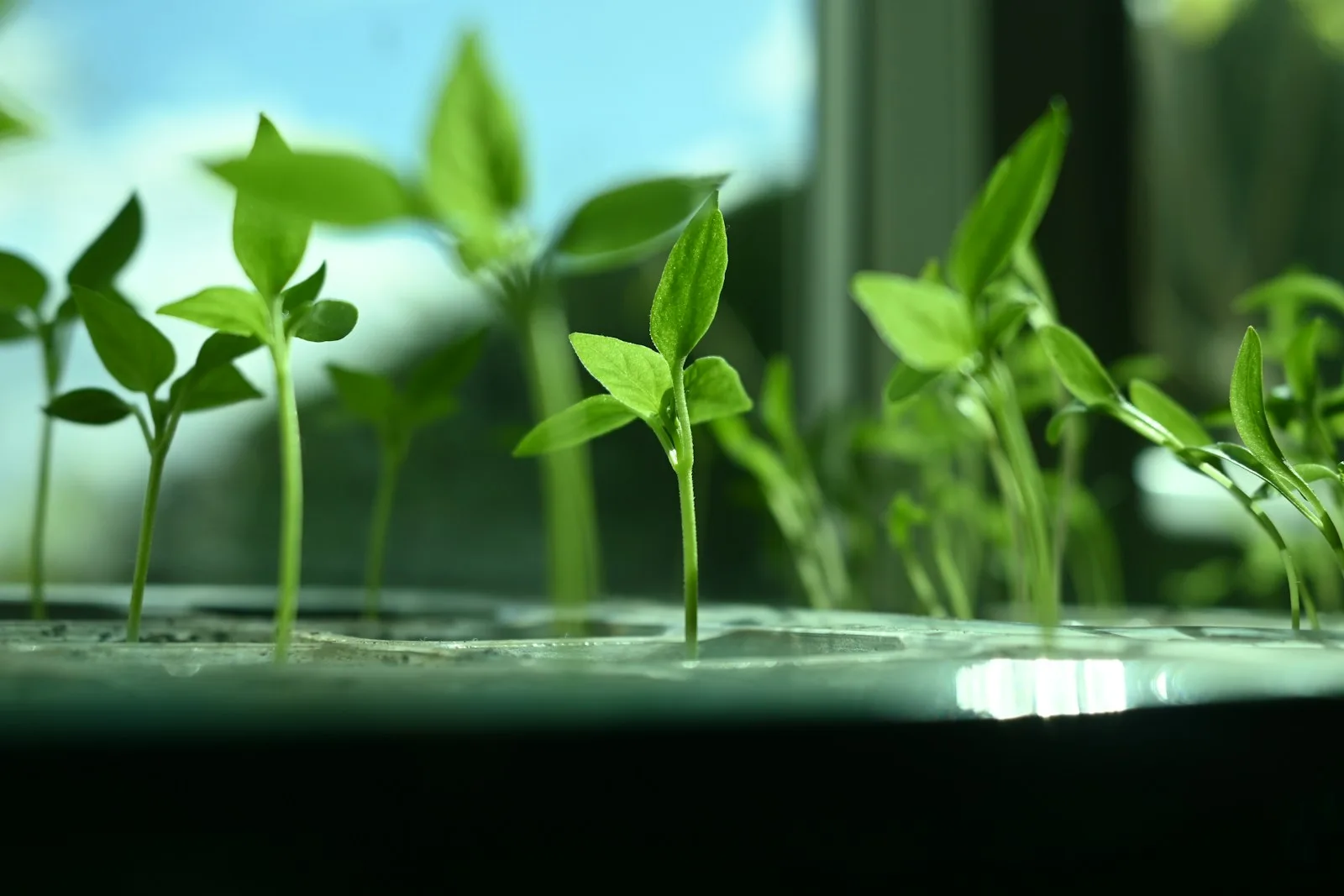
Broccoli can be direct sown or raised as transplants. Indoor starts give control over the first growth stage and help occupy the garden efficiently, provided the plants do not become cramped. Utah recommends vigorous transplants with four to six mature leaves and warns that older, larger plants are more prone to premature small heads. Utah State Extension covers broccoli establishment.
Use a clean seed-starting medium, adequate light and cells suited to the planned holding time. Harden plants gradually, keep the root ball intact and transplant at its existing soil level. Follow the cultivar's spacing instructions and local guidance: close spacing can reduce main-head size and side-shoot development. A six-cell insert is convenient for a small batch but does not guarantee that the seedlings can remain there until the garden becomes available. The seed-cell guide helps anticipate potting on. Avoid choosing an oversized, already heading nursery plant simply because it looks closer to harvest.
Feed the leaf canopy and keep its root zone steady
A broccoli plant needs a substantial leaf canopy to support a useful head. Give it fertile, moisture-retentive soil with good drainage and enough space for the cultivar's full frame. Minnesota recommends pH 6.0–7.0 for garden broccoli. Its soil and water guidance emphasizes uninterrupted growth. Beds are usually the simpler choice for this broad crop; judge any container by mature plant room and the ability to maintain its root zone through heading.
Check moisture below the surface and direct irrigation to the soil. Mulch can limit weeds and evaporation, but roots still need drainage. Use soil-test recommendations and account for fertilizer already supplied by compost or a prepared mix. Broccoli requires useful nutrition, yet adding more of every nutrient is not a substitute for diagnosis. Utah State Extension discusses fertility and overlapping symptoms. Avoid routine boron additions based only on a hollow stem or brown tissue; overlapping problems need a closer assessment before applying a micronutrient.
Cut a tight head and leave room for side shoots
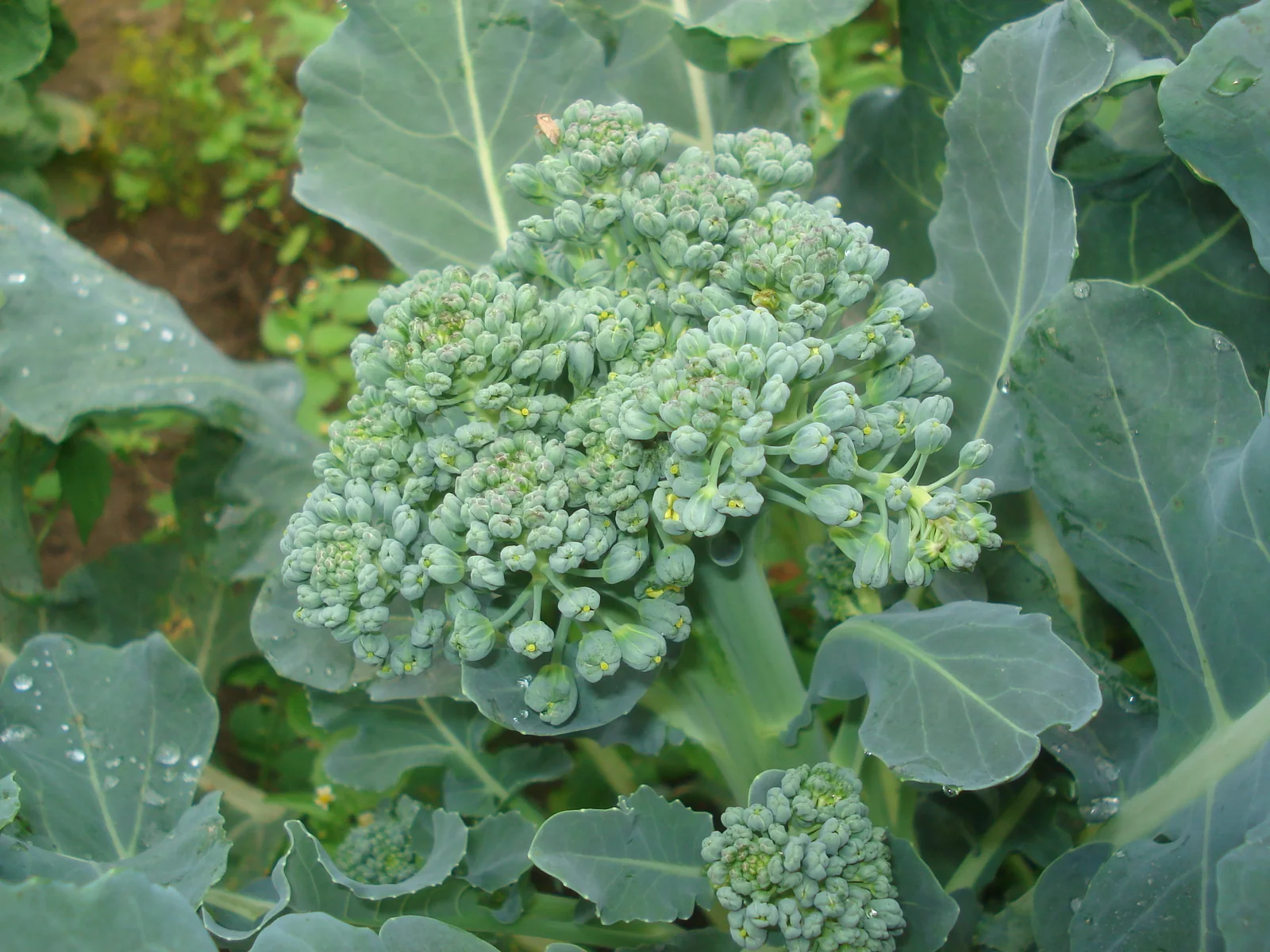
Check the central crown as individual buds become more distinct. Harvest while the head remains compact and before yellow flowers open, using a clean cut that removes the head with a usable section of stem. The seed packet's advertised head size should not persuade you to wait while buds loosen. Many heading cultivars produce smaller lateral shoots after the main crown is removed. Maryland Extension explains main-head and side-shoot harvest.
Leave healthy lower leaves and continue care if side shoots and suitable weather remain. Side-shoot harvests are smaller by nature; they are not evidence that the plant has failed to repeat its original crown. Prompt cooling preserves quality after cutting. NC State describes broccoli's rapid postharvest deterioration. Plan meals or preservation before harvesting a whole row. If heat is rising or the remaining crop is badly damaged, compare the likely value of additional shoots with the next crop's planting window instead of reserving the bed indefinitely.
Separate premature heads, open flowers and chewing damage
Buttoning is a small head formed prematurely, often after transplant stress, chilling, inadequate water or nutrient limitations. It differs from a normal head whose buds are simply opening because harvest was delayed. UC IPM explains buttoning and its causes. Use the heading versus bolting guide to read the buds and plant history before changing feeding. A small head will not become a large one merely because it remains uncut.
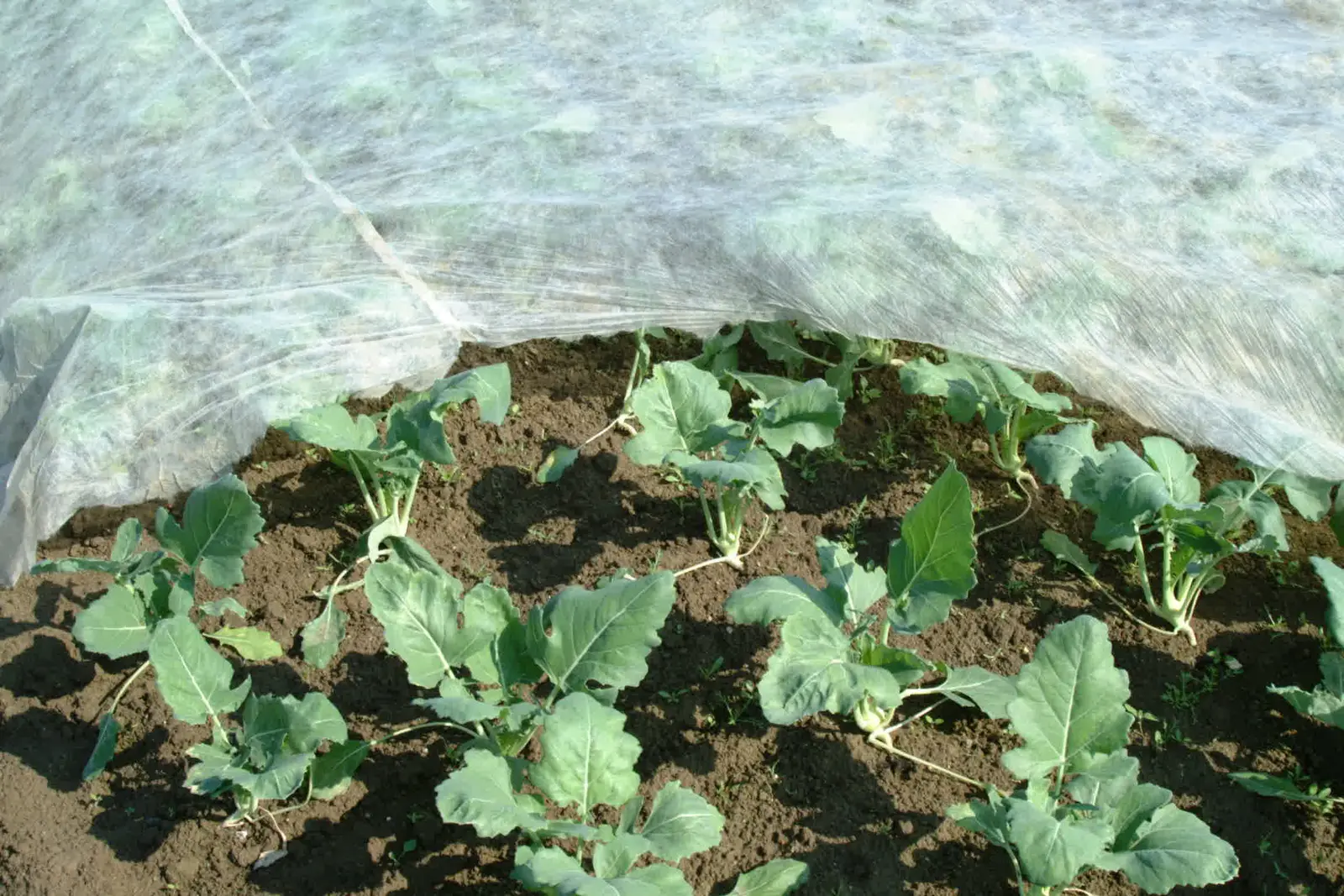
Ragged holes and droppings suggest caterpillar feeding. Inspect leaf undersides and folds around the crown for cabbageworms, loopers and diamondback moth larvae. Small plants are especially vulnerable. Hand removal or properly fitted exclusion can help, while natural enemies also reduce pests. Minnesota Extension compares these caterpillars. A low mesh tunnel is only temporary protection if the mature plant exceeds its height; keep edges closed and inspect inside. Yellowing with stunting, root swelling or spreading leaf lesions needs a different diagnosis from visible chewing.
Sources and scope
Research-based guidance informed by institutional references. Cultivar, region and growing conditions can change the advice. Product inclusion does not imply hands-on testing of every model.
- NC State Extension: Broccoli types, production and postharvest care
- University of Maryland Extension: Growing broccoli
- University of Minnesota Extension: Growing broccoli
- Utah State University Extension: Broccoli in the garden
- University of California IPM: Buttoning in broccoli and cauliflower
- University of Minnesota Extension: Caterpillars on cole crops