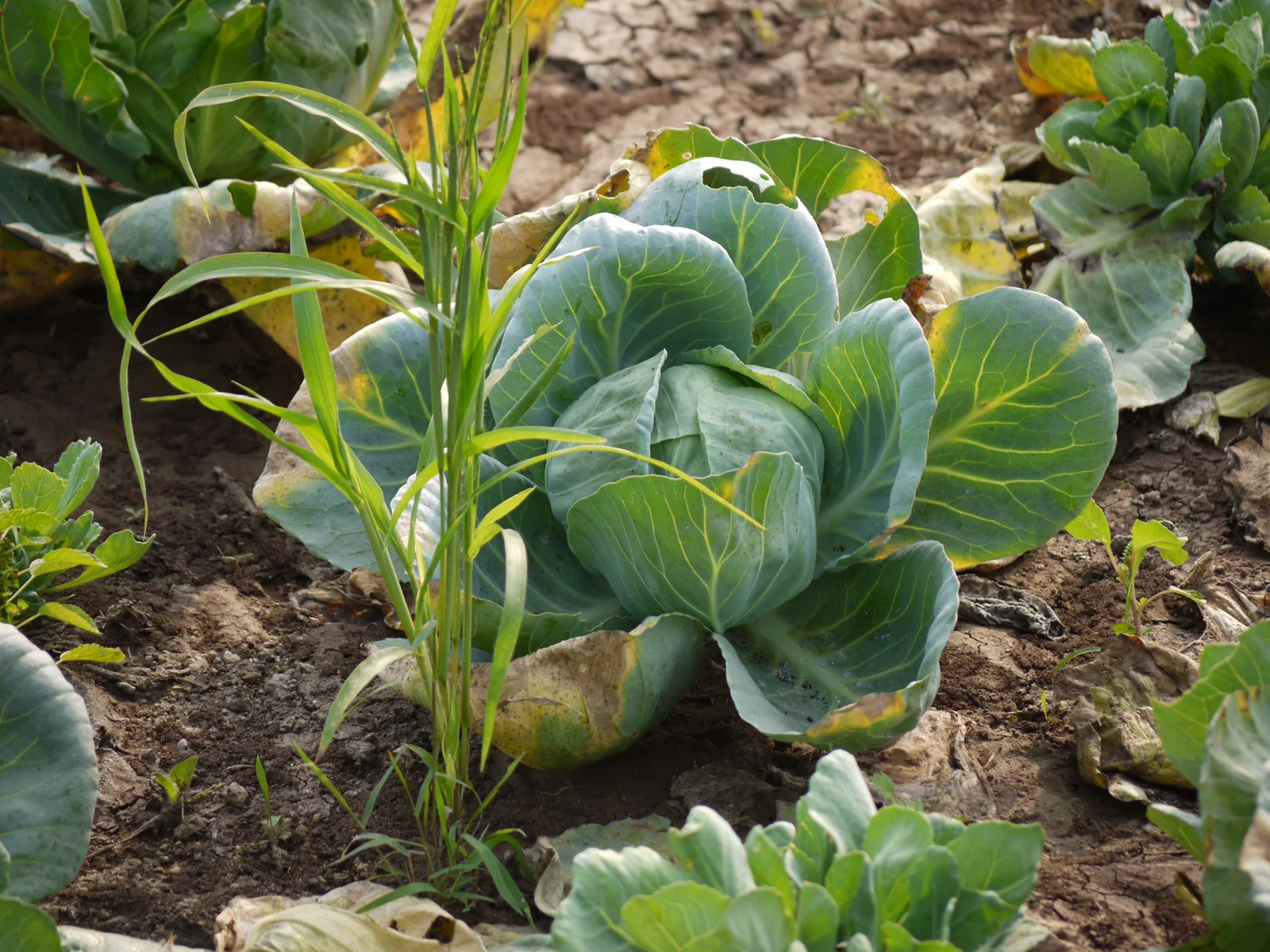
Choose the cabbage by the head you will use
Heading cabbage produces tightly overlapping leaves that form a round, flat or pointed head. Green, red and savoy selections differ in appearance, texture, size and maturity. This profile concerns heading cabbage, not napa cabbage or bok choy, which are different crop forms with their own growing schedules. A decorative cabbage sold for landscape color is also a poor substitute for a known culinary heading cultivar.
Begin with a meal rather than a packet count. If one large head takes your household a week to finish, a small-headed cultivar may be more useful than a high total yield. If you want storage cabbage, compare keeping quality and maturity alongside size. Write down expected head weight, days to maturity and whether the seller counts from sowing or transplanting. Keep those details together. They define what success should look like before a large plant tempts you to delay harvest indefinitely.
Give the crop a cool finishing window
The plant needs time to build its leaves before the head becomes usable. Minnesota Extension describes spring and summer sowing routes for its climate, with fall cabbage maturing as weather cools. University of Minnesota Extension: Growing cabbage Treat those as examples of seasonal planning. Your local extension calendar and the cultivar’s maturity estimate are more useful than another region’s named month.
Work backward from a realistic harvest period and include seedling production if you are starting indoors. A fast cultivar is useful only if it has adequate growing conditions during those weeks. For fall, the young plants may encounter the hottest part of the year even though the desired harvest is a cool-weather crop. Plan who will water them and where they will establish. For spring, harden transplants gradually. Avoid choosing oversized nursery plants just because they appear closer to harvest; inspect root condition, the growing center and overall vigor before buying.
Allocate space for leaves and ordinary care
Maryland Extension explains that close cabbage spacing produces smaller heads and that larger-headed varieties require more room. University of Maryland Extension: Growing cabbage Use the named cultivar’s spacing to draw a plan, then check the path around the mature leaf canopy. Planting centers are not the edges of the finished plants. A narrow route between seedlings can disappear once their outer leaves expand.
In a container, treat fit as conditional. Choose a compact variety, a substantial pot with drainage and a watering routine you can maintain. One plant with enough rooting volume is a clearer starting experiment than several cabbages crowded into a decorative trough. Check whether the mature canopy will block neighboring containers or your watering access. Use the container calculator for volume estimates and the drainage guide for the whole-pot setup. Reuse a suitable container you already own before assuming that cabbage demands a specialized new planter.
Establish a root zone that supports steady growth
Check soil fertility before adding amendments. Utah State recommends a soil test to determine fertilizer needs, and notes that additional nitrogen after heading begins can encourage loose heads and splitting. Utah State University Extension: Cabbage in the garden That makes early preparation and observation more useful than continual corrective feeding near harvest. A crop’s large leaves do not tell you whether the soil needs phosphorus, potassium or another bag of compost.
Water a new planting into contact with the surrounding soil, then inspect the original root ball and nearby soil separately while roots establish. Later, check the full planted area under mulch. Compare a plant beside an emitter with one midway between outlets; both need access to moisture. If the bed remains saturated, resolve drainage rather than increasing irrigation because leaves wilt at midday. Keep mulch clear enough around stems to see their condition. A short watering record will help reveal repeated dry spells followed by large soaking events.
Protect young centers and inspect the plant beneath covers
An intact growing center matters especially for a crop expected to form one main head. Examine seedlings before planting and recheck them after strong weather or feeding damage. Imported cabbageworm can feed on outer leaves and inside heads; Maryland Extension identifies hand removal and exclusion as useful responses. University of Maryland Extension: Imported cabbageworm Confirm what is present before deciding how to manage it.
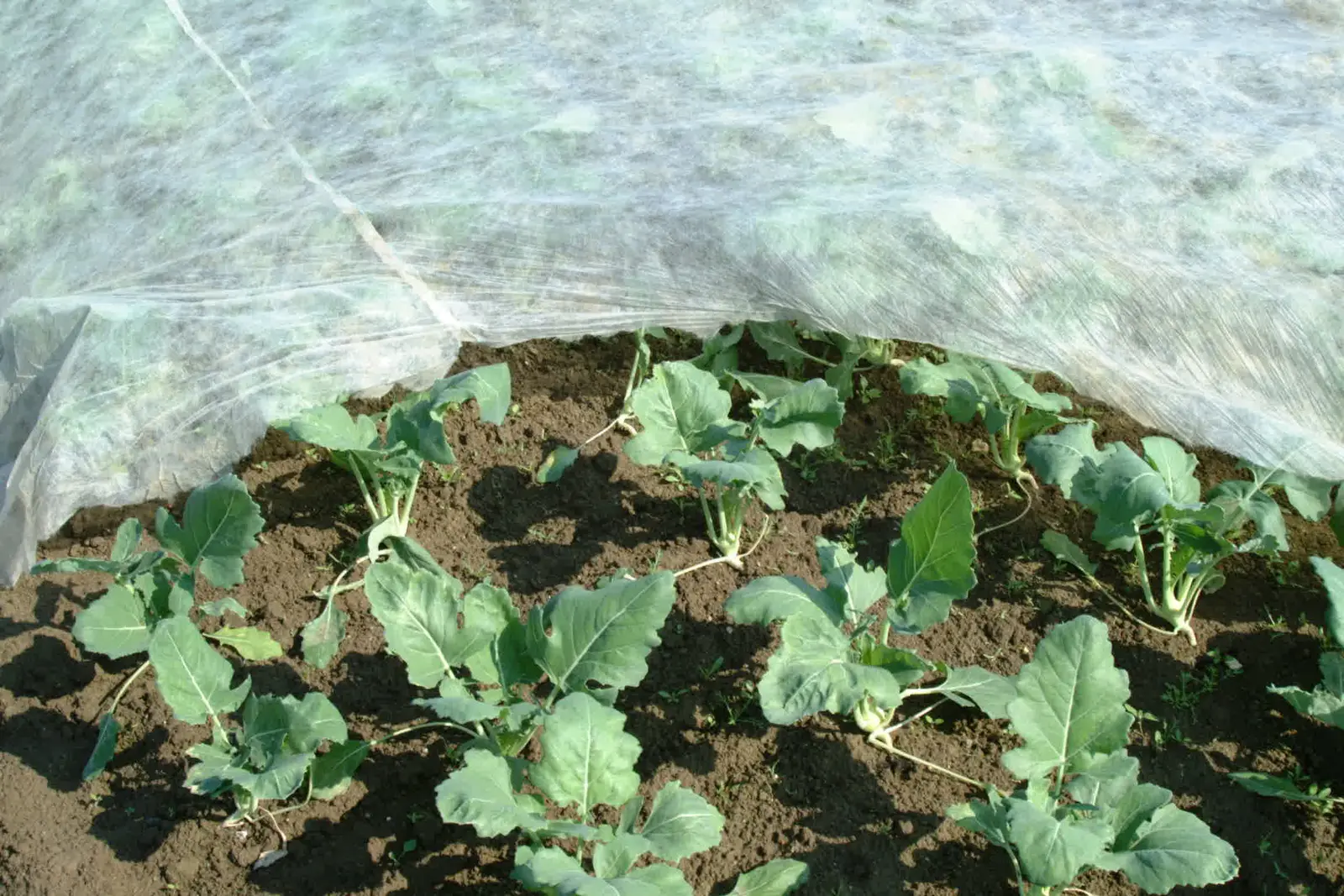
Inspect one side of the bed at a time, gently turning outer leaves rather than pulling the plant around. If a cover is appropriate, ensure you can reach every plant, not just those nearest an opening. Look for insects already underneath, close gaps and allow space for the canopy to expand. Check after watering and harvesting visits. Keep a photograph of unusual symptoms with the cultivar and planting date. Repeated missing centers, wilt or distorted roots merit local diagnosis; buying another general garden feed is unlikely to explain those patterns.
Harvest a firm head and evaluate the planting
Firmness is the useful final check. A small head may be ready before it reaches a catalog weight. Illinois Extension recommends harvesting firm heads before splitting and dealing promptly with split heads. Illinois Extension: Cabbage Use the detailed heading and harvest guide when deciding whether to wait, harvest ahead of rain or investigate a plant that has not headed.
Cut and use one representative head before committing the whole crop to storage. Compare its usable interior, tenderness and size with your intended meal. Plan ordinary refrigerator use separately from long storage under controlled cold, humid conditions. At the end of the planting, note how many heads your household actually used, which dates worked and which plants occupied space without delivering a useful crop. Move future cabbage-family plantings where practical and retain disease history on the garden plan. That record helps you choose the right number and type of plants next time.
In a single small bed, record the whole cabbage family rather than only cabbage. A space previously occupied by broccoli or kale is not a completely new family position. Where rotation choices are limited, keep the history visible and use it when asking for a disease diagnosis or deciding which crop to grow next.
Sources and scope
Research-based guidance informed by institutional references. Cultivar, region and growing conditions can change the advice. Product inclusion does not imply hands-on testing of every model.
.jpg)