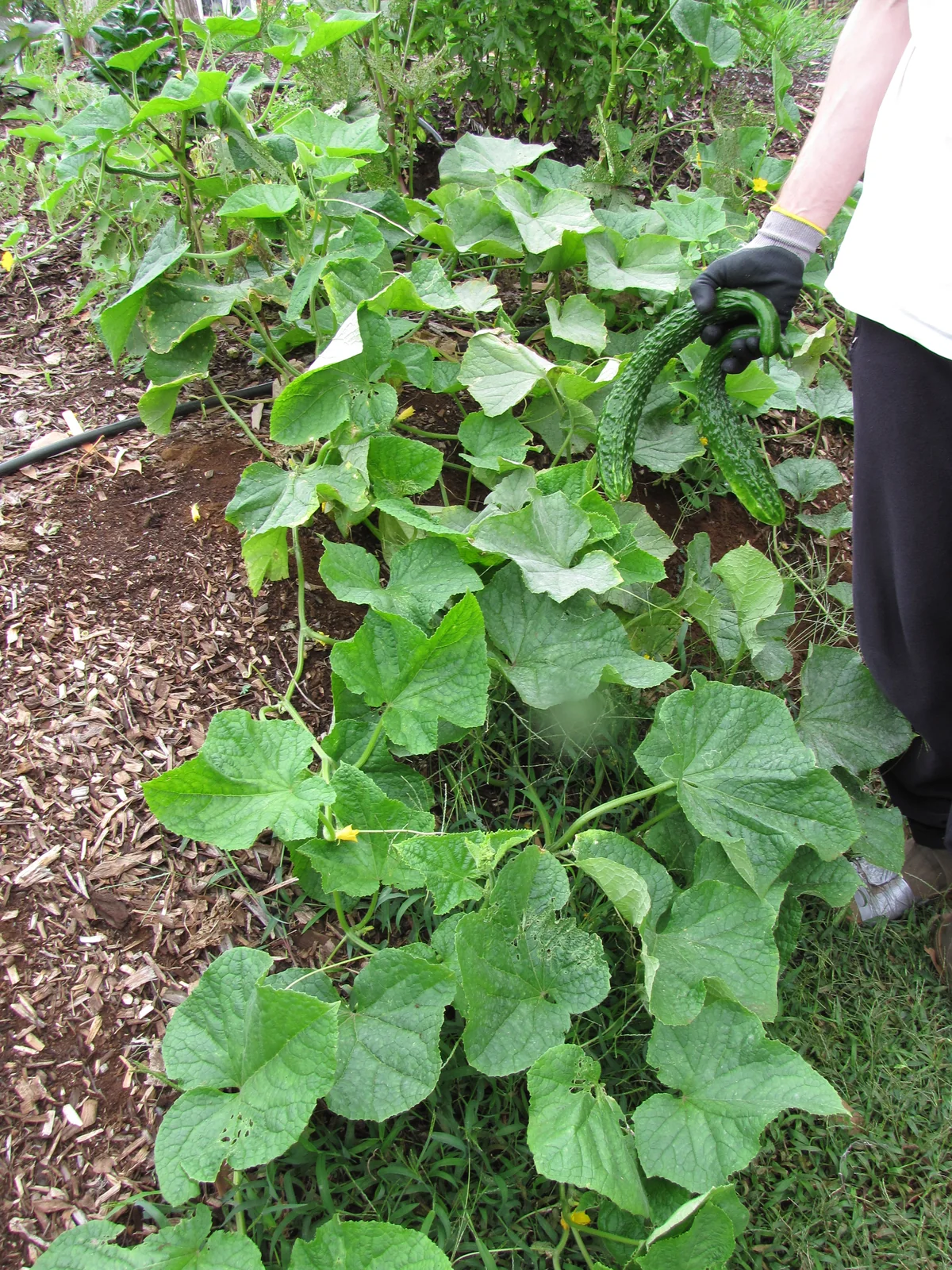
Match the cucumber to its use and growing habit
Garden cucumber is Cucumis sativus, an annual in the gourd family. Its stems spread or climb using tendrils, and the familiar edible cucumber is harvested while still immature. Bush types shorten the vine but do not turn the plant into a crop that needs no root room or leaf space. NC State Extension describes cucumber identity and habit.
Choose a slicing or pickling cultivar for the harvest you want, then check its mature vine habit and disease-resistance description. A photograph of a short fruit gives little information about the space needed by the plant producing it. Container growing is possible when the cultivar, rooting volume and watering capacity fit together. Before sowing, set a place to guide climbing growth and a route to reach fruit on both sides. Keep the seed packet: pollination traits, recommended harvest size and plant spacing remain useful long after the seedlings have outgrown their first labels.
Sow into warmth and protect the young root system
Cold, wet soil is a poor starting point for cucumbers. Direct sowing after frost danger has passed avoids transplant disturbance; young indoor starts can provide an earlier crop when handled gently. Minnesota recommends waiting until soil is at least 70°F at a one-inch depth for direct sowing. Its usual late-May timing is specific to that region. Minnesota Extension explains sowing and transplanting.
Use the packet's sowing depth and spacing rather than combining several different hill and row systems. If sowing extra seed, thin by snipping unwanted plants so neighboring roots stay undisturbed. An indoor cucumber should be moved while still young, before its roots become difficult to release intact. Water it in and monitor the original root ball while it establishes. Do not assume the surrounding soil is moist simply because the transplant was watered yesterday. A temporary cover can help with exposure and early insects, but its ventilation and eventual pollination access need planning.
Know what the flowers require
Many cucumbers carry separate male and female flowers on the same plant. The small swelling behind a female flower is an ovary, not proof that pollination has already succeeded. Male flowers may appear first. Gynoecious describes predominantly female flowering, whereas parthenocarpic describes fruit development without pollination; the terms do not mean the same thing. Follow the cultivar's instructions, including any pollenizer seed supplied in a packet. Maryland Extension explains cucumber flowering types.
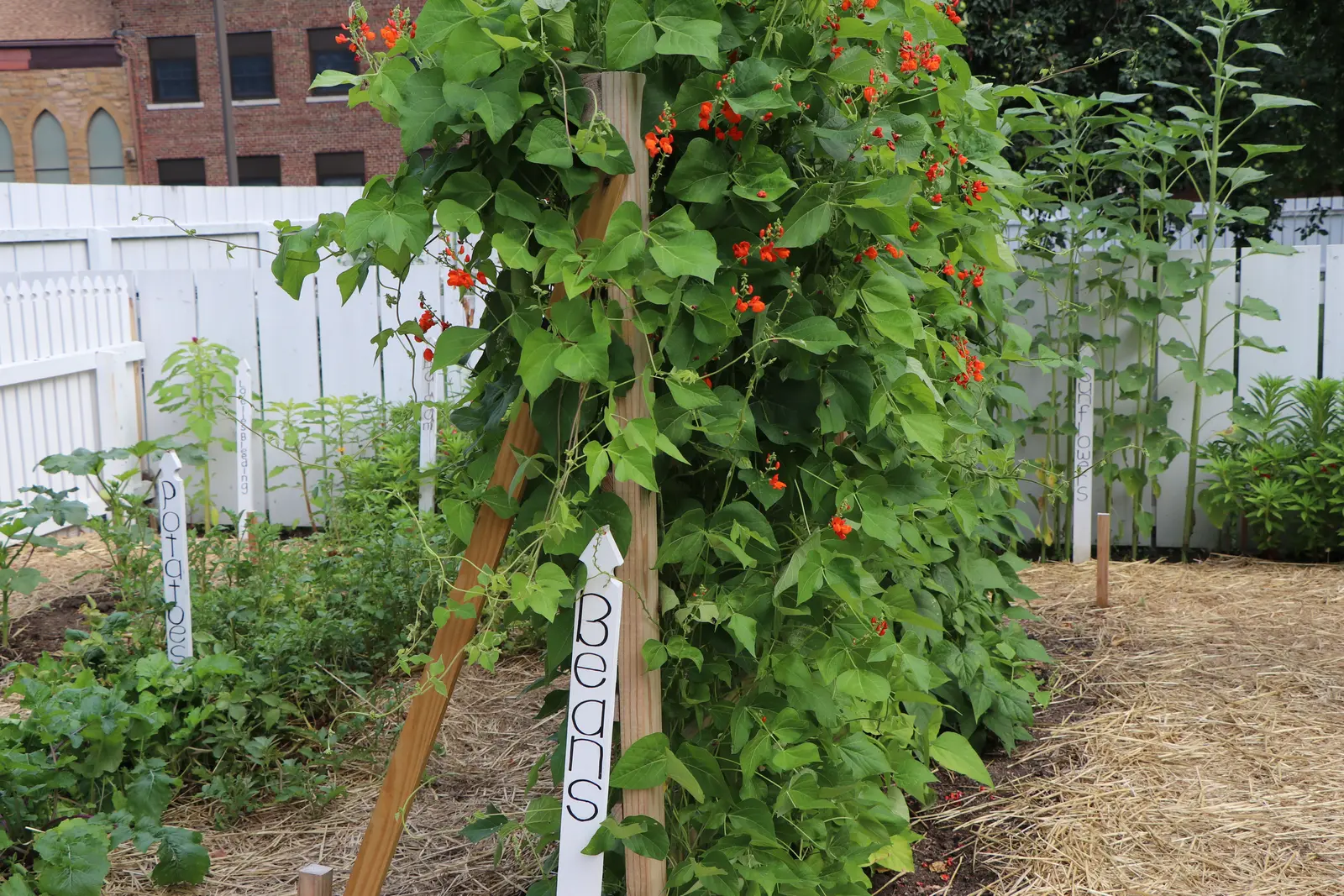
For cultivars needing pollination, covers must permit access when flowers open. Parthenocarpic cultivars can use a different exclusion plan, and unwanted pollination may produce seeds in otherwise seedless fruit. Watch actual flowers and insect visits before deciding that the whole crop needs hand pollination. The trellis and pollination guide connects cultivar choice with support and cover management. Poorly shaped fruit can reflect incomplete pollination or water stress, so inspect the vine's conditions as well as its flowers before changing care.
Keep a fast-growing vine supplied without soaking it
Cucumber foliage and developing fruit create a substantial moisture demand. The soil should retain useful moisture while allowing excess water to drain. Minnesota identifies pH 6.0–6.5 as suitable. Trellised plants can need closer moisture observation, and a container may dry unevenly between the original root ball and its outer mix. Check the root zone rather than prescribing a fixed watering interval. Minnesota's care guidance covers soil and moisture.
Direct irrigation toward the soil, and avoid repeatedly wetting leaves while moving among vines. Fertility should support sustained growth, guided by soil testing and the product label rather than routine extra fertilizer for every misshapen cucumber. Mulch helps conserve moisture and limit weeds once the bed is suitably warm. Water stress can impair fruit shape and flavor. Utah State Extension discusses these growing problems. If the crop wilts while the root zone stays wet, investigate drainage, stem damage or disease before adding another watering cycle.
Harvest often while the fruit is still tender
Pick cucumbers at the size and color expected for the cultivar while skins are tender and seeds are undeveloped. A large hidden fruit can move quickly beyond that stage. Repeated harvest encourages continued production; leaving old fruit on the plant is not a useful way to build a reserve for later meals. Utah State Extension explains cucumber maturity and quality.
Lift leaves gently and check the back of a trellis. Cut fruit free with a clean knife or clippers while holding it, rather than pulling against a vine that may be wrapped tightly through mesh. NC State describes this harvest method. Handle harvested cucumbers gently and use them promptly. Keep a record of the first usable harvest and when quality declined; that information helps judge whether another local sowing window would be worthwhile. A later planting should have enough warm growing time left, rather than follow an automatic calendar copied from a warmer region.
Tell feeding, wilt and leaf disease apart
Chewed leaves accompanied by yellowish beetles with dark stripes or spots deserve prompt inspection. Cucumber beetles can damage seedlings and carry bacterial wilt. A vine that remains wilted despite adequate root-zone moisture is different from one that temporarily droops in heat. Minnesota Extension explains cucumber-beetle damage and monitoring. Check covered plants too; barriers do not remove insects already inside.
White powdery growth suggests powdery mildew; angular yellow or tan areas between veins with gray growth below suggest downy mildew. Fine stippling can also come from mites. Several leaf-spot diseases overlap visually, so one photograph may not establish a cause. Maryland's cucumber problem key compares these patterns. Use the mildew comparison before selecting a treatment. Preserve healthy foliage, avoid crowding, and remove badly affected material as locally advised. A trellis improves access for inspection but does not make a susceptible cultivar immune to disease.
Sources and scope
Research-based guidance informed by institutional references. Cultivar, region and growing conditions can change the advice. Product inclusion does not imply hands-on testing of every model.
- NC State Extension: Cucumber identity and cultivation
- University of Minnesota Extension: Growing cucumbers
- University of Maryland Extension: Growing cucumbers
- Utah State University Extension: Cucumber in the garden
- University of Minnesota Extension: Cucumber beetles
- University of Maryland Extension: Common cucumber problems

.jpg)