Choose what to grow
Compare plants.
Put the light, root space and seasonal needs beside one another before choosing a place in your garden or home.
1 of 3 plants selected — add another to compare.
| Care decision | 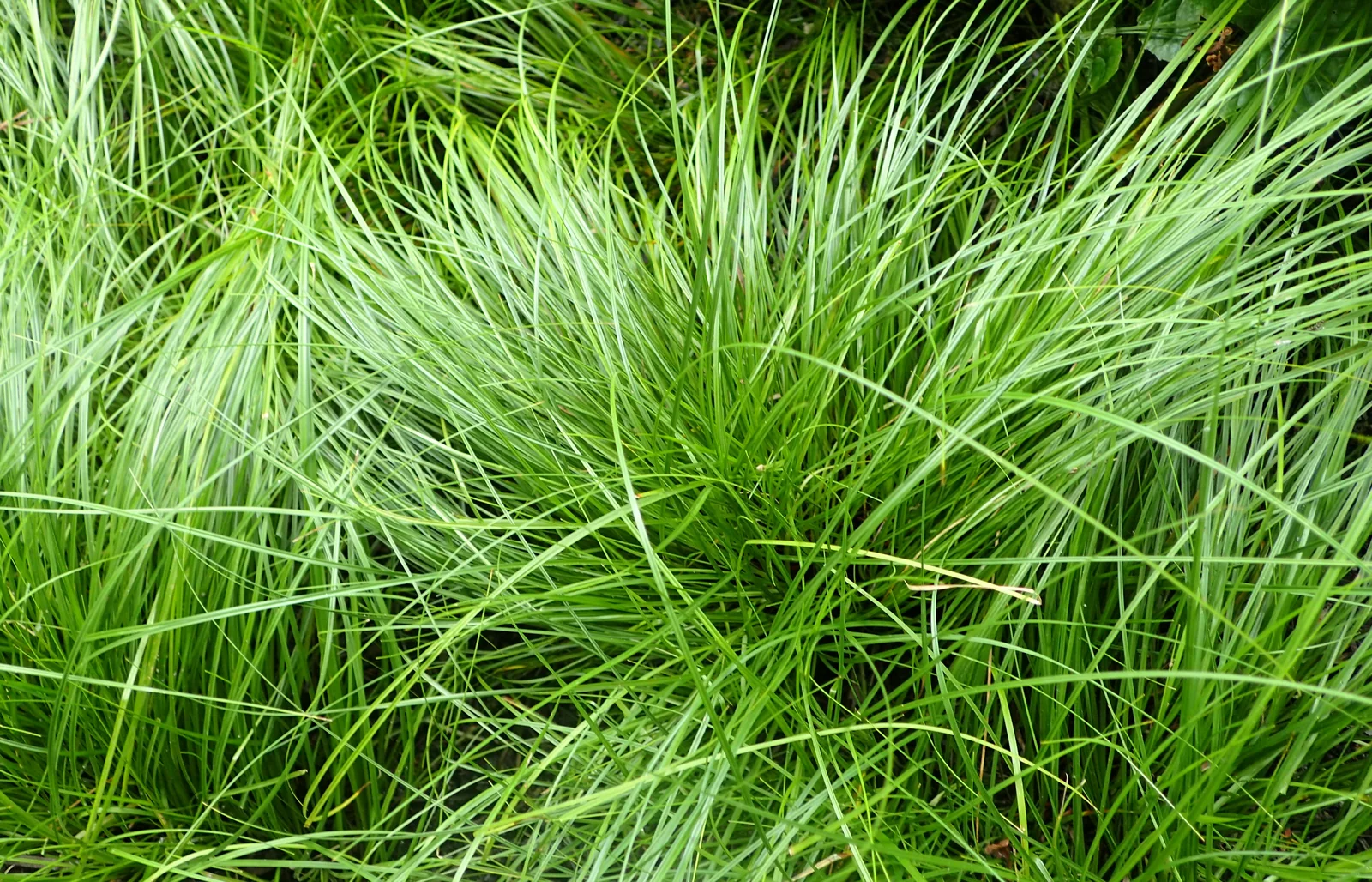 |
|---|---|
| Light | Shade or part shade is a cautious starting point; Delaware trials also found good sun performance. Mt. Cuba Center: Pennsylvania sedge trial |
| Water | Water new plants through establishment; established dry-shade tolerance does not remove drought monitoring. |
| Soil & growing mix | Well-drained woodland soil; assess summer moisture and root competition. |
| Mature size | Often a low 6–12-inch foliage layer; stems and trial-grown plants can be taller, with colonies expanding well beyond a single plug. Wisconsin Extension: alternatives to lawn |
| Growing season | Early spring flowers; fine foliage through the growing season, with winter retention dependent on climate. |
| Winter & climate | NC State lists USDA zones 3–8 and notes better performance in cooler climates. NC State Extension: Carex pensylvanica |
| Container fit | Usually planted in the ground. Check mature size and root-space guidance in the reference. |
| Place & variety | NC State recommends shade and cooler climates, while Mt. Cuba Center recorded good performance in both sun and shade in Delaware. Those findings support a local trial, especially in hot regions, rather than a universal exposure rule. |
| Equipment to consider | |
| Evidence & next steps |
|
These facts help compare choices. They do not establish that plants can share a pot, watering circuit or outdoor site. Check the full reference and local suitability before planting.
Open this comparison as a bookmarkable page
Give your choice enough room.
Use inside bed or pot measurements to plan mix quantities and working space.