As an Amazon Associate I earn from qualifying purchases. How our links work
Apera Instruments / Hydroponics
Apera PH20 Pocket pH Tester Kit, AI209
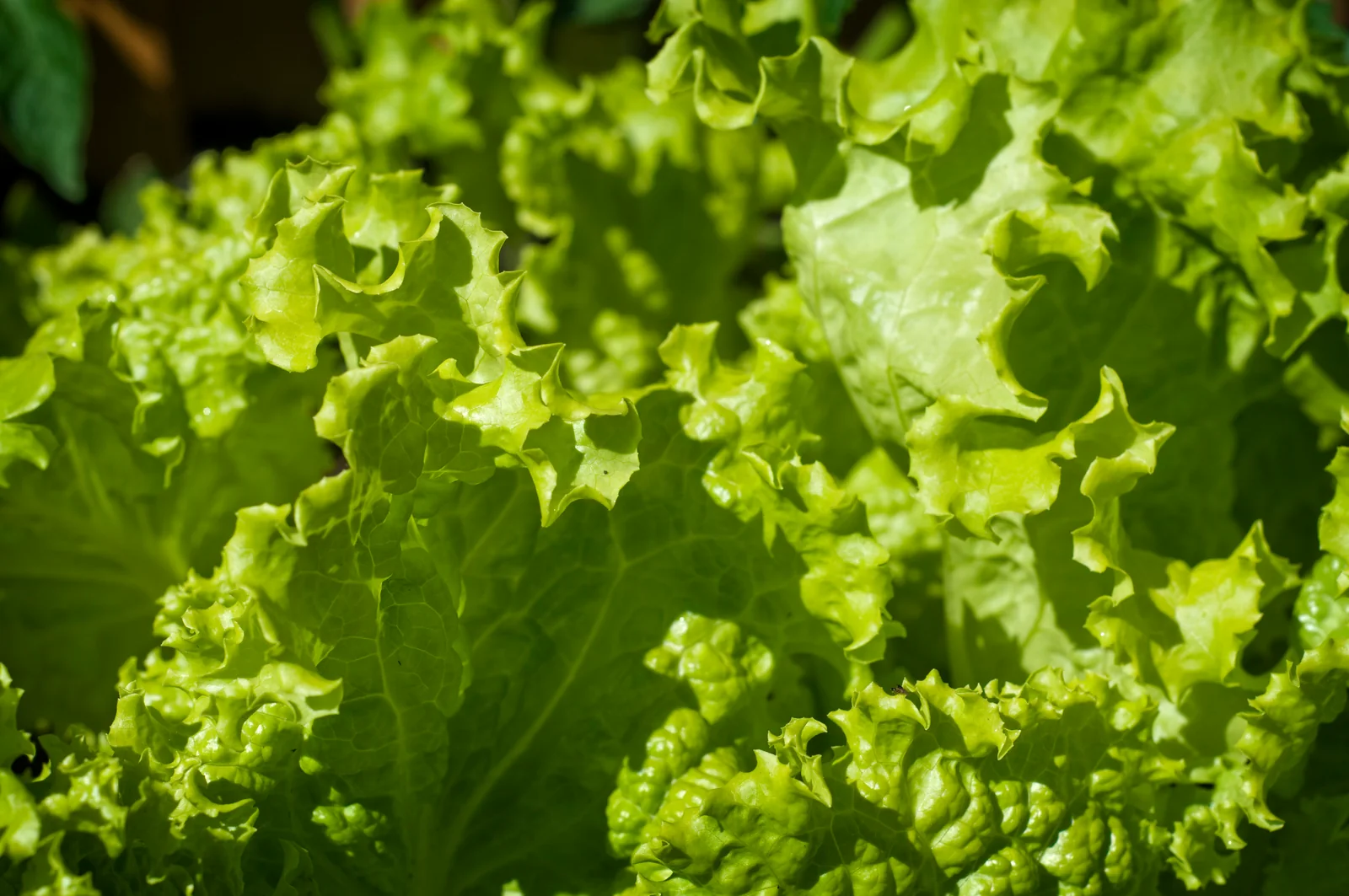
The PH20 is a useful entry point for a grower who wants a dedicated pH instrument and is willing to maintain it between readings. Its strongest buying argument is a clear, limited job: measuring the acidity of a prepared water sample. It does not turn a nutrient recipe into a complete diagnosis, and buying it alongside a separate conductivity tester can make those two jobs easier to distinguish. Apera lists a 0.1 pH display increment and ±0.1 pH accuracy, so this is a practical monitoring pen rather than an instrument for defending hundredth-unit adjustments. The supplied case creates a place to keep the meter and calibration supplies together; that matters when several people share a growing station. Consider the fixed probe before treating the body as a lifetime purchase. A clean, properly stored electrode is part of the ownership cost, and a failed electrode means replacing the tester. For a small lettuce or herb reservoir, choose the PH20 when its readable controls, documented calibration process, and separate measuring role fit the way you will actually work.
Research-based guidance, not hands-on testing. Our method.
Source record researched 2026-09-14. Specifications can change; confirm the exact variant before buying.
Tradeoffs & verification notes
Measures pH and temperature; conductivity and nutrient composition require other checks.
Fixed pH probe cannot be replaced independently when worn or damaged.
0.1 pH resolution does not support hundredth-unit readings.
Requires appropriate buffers and probe storage care; pure water is for rinsing, not immersion storage.
Our research standard
This profile summarizes published product information. It is not a hands-on review, an independent durability test, or a guarantee of performance. We prefer an explicit limitation to an unsupported score.
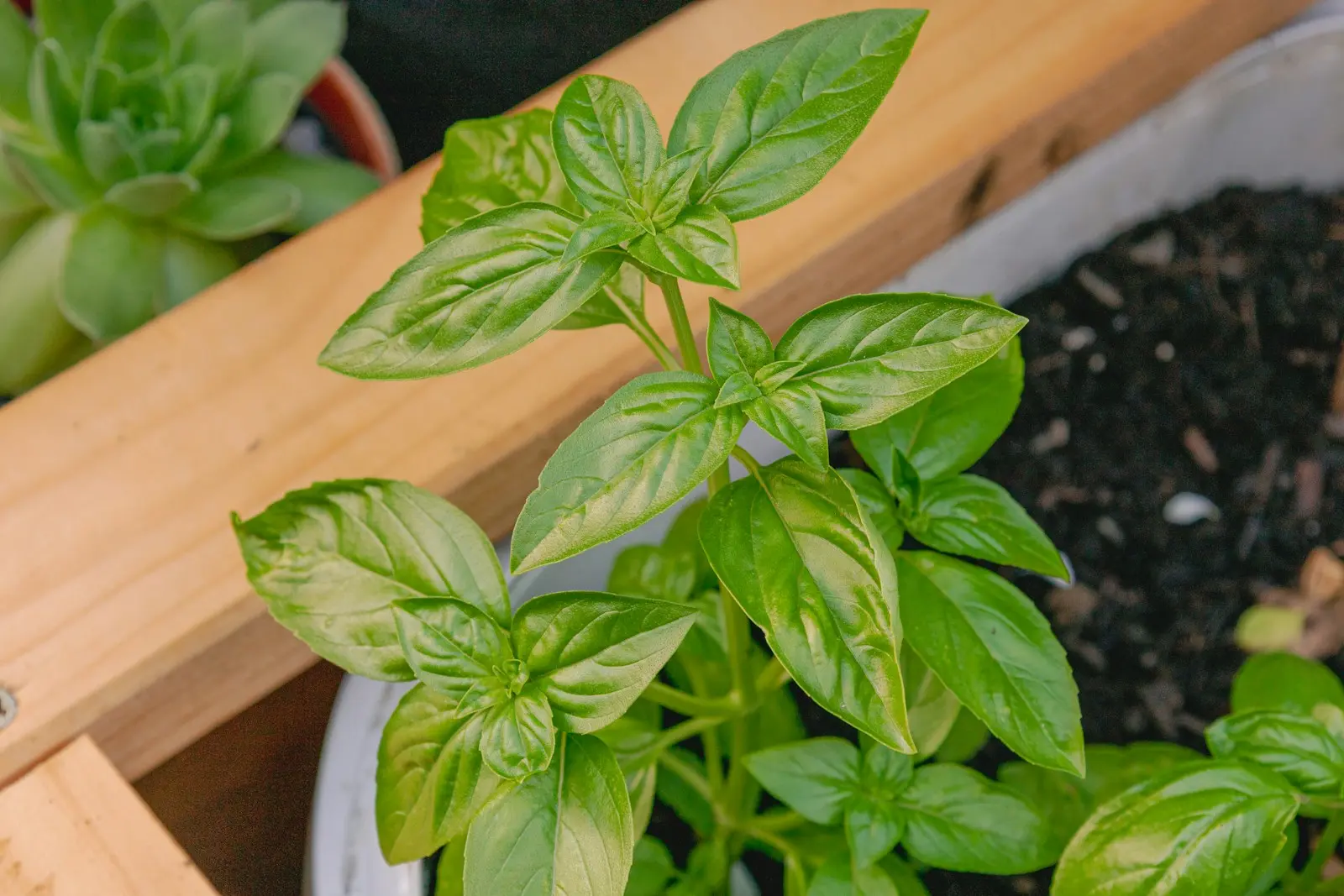
Plan basil as a continuing leaf crop: choose usable growing positions, connect harvesting with canopy shape, and keep reservoir access through repeated cuts.
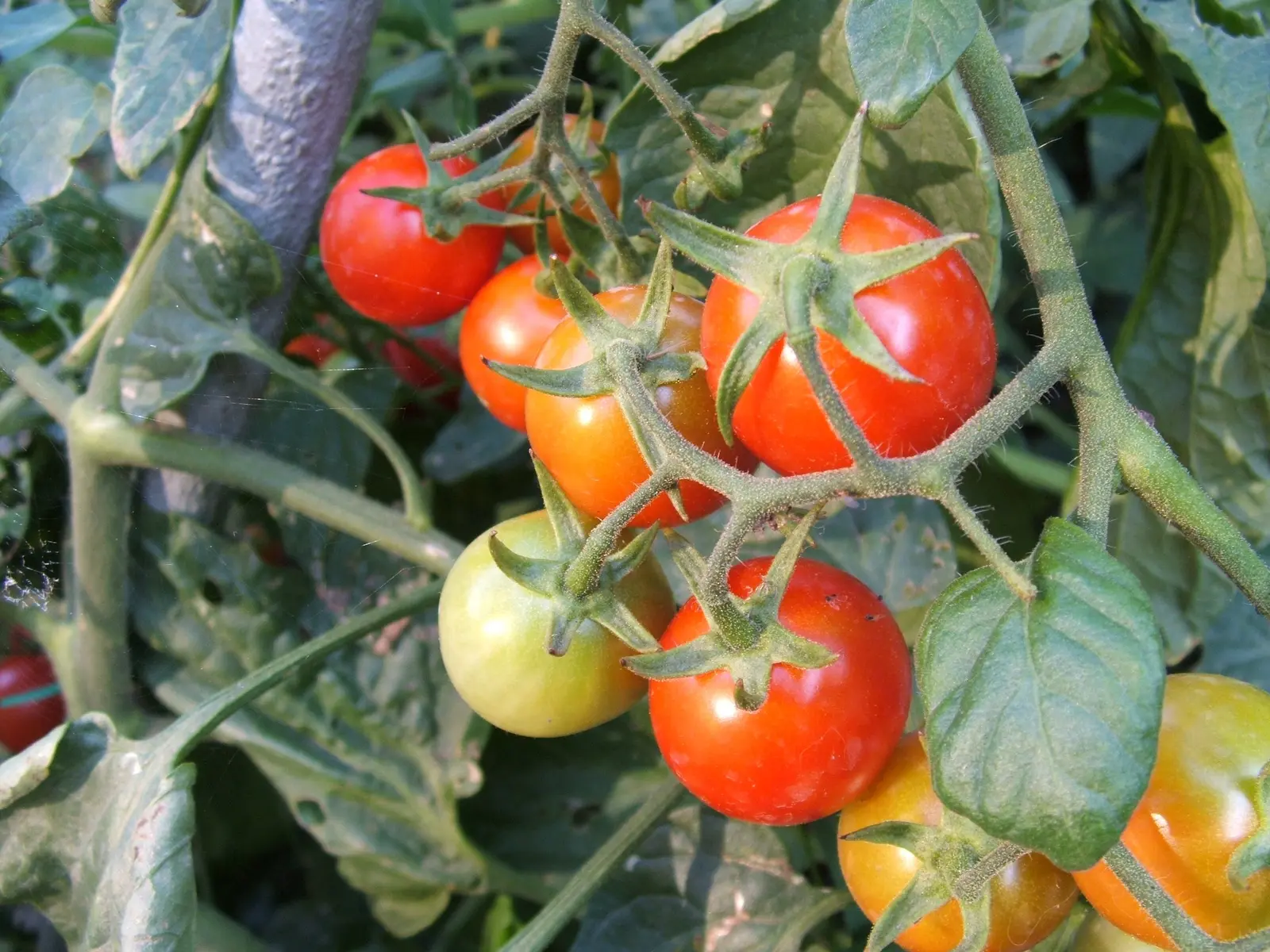
Compare the canopy, support, root-zone access, pollination work, and crop duration needed before moving from leafy greens to hydroponic tomatoes or peppers.