Choose the lettuce you want to bring into the kitchen
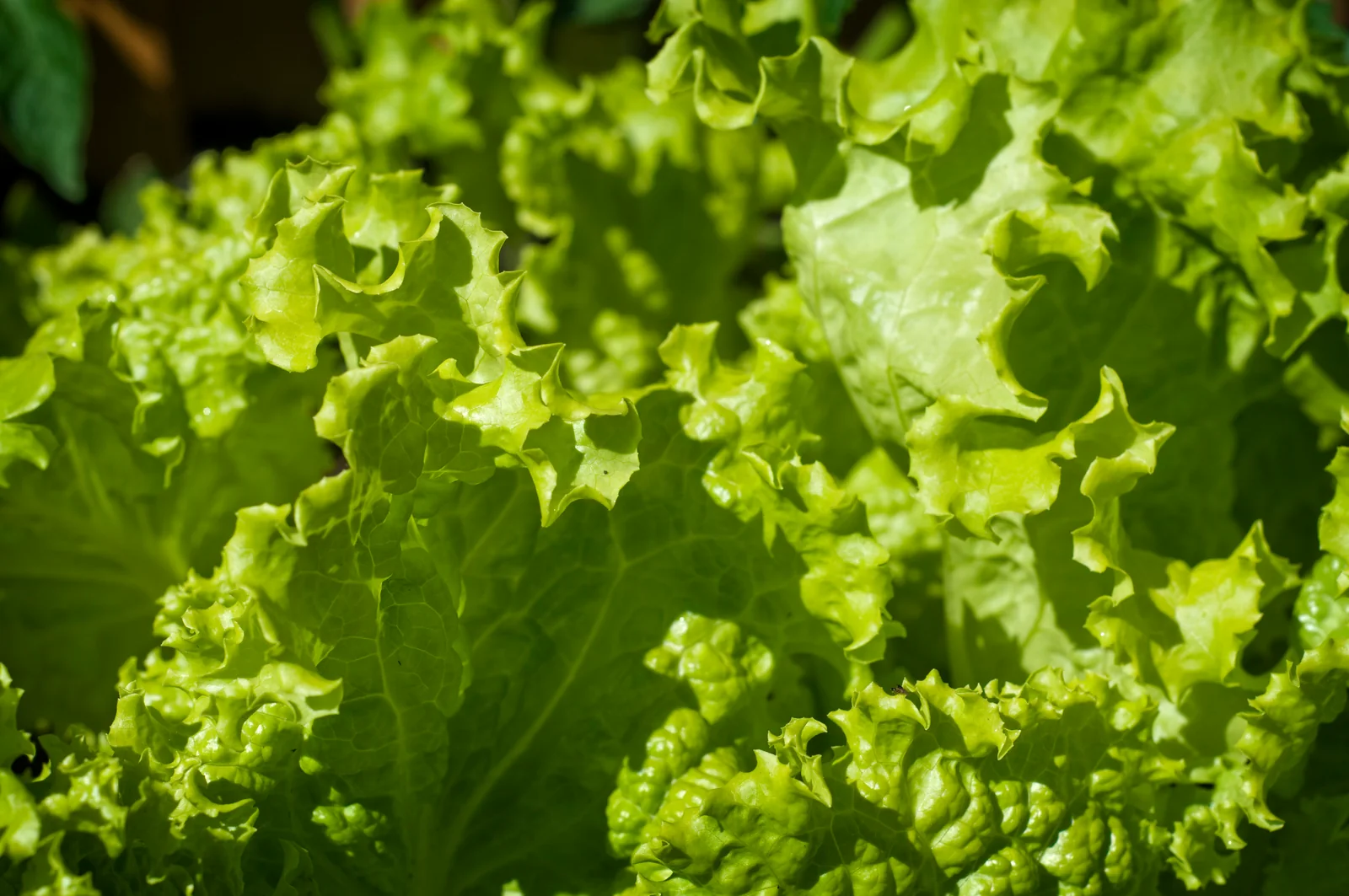
Start with a meal rather than a seed assortment. Do you want a small whole head for one salad, broad leaves for sandwiches, or a few loose leaves at a time? Write down that use and the amount you normally prepare. A decorative mix can be enjoyable, but a first batch is easier to interpret when its plants have the same intended finish. Choose one lettuce type, then compare only a few cultivars that match it.
Look for the supplier's description of mature form, recommended growing environment, and harvest stage. Hydroponic suitability is useful information, but it does not tell you whether a plant will fit beneath your light or suit your room's season. UF/IFAS identifies cultivar selection, lighting, nutrition, and system choice as connected decisions for home hydroponic lettuce. Its Florida advice reflects regional conditions. UF/IFAS: Growing Lettuce in Small Hydroponic Systems
Use the leaf lettuce profile for plant identity and general behavior. Keep its garden-soil guidance separate from the operating instructions for your water-based system.
Separate a whole-head batch from repeated leaf picking
For a whole-head project, assign each plant a final position and plan to remove it completely at harvest. This makes the number of plants needed straightforward: count the heads you can use during the intended harvest window. If you want several harvest dates, label separate batches instead of assuming identical seedlings will conveniently finish one at a time.
Minnesota Extension identifies leaf lettuce as suitable for repeated leaf harvests. University of Minnesota: Small-scale hydroponics For repeated leaf picking, reserve the position for the continuing plant and record how much usable regrowth follows each picking. Your harvest record needs two entries: leaves removed and plant still occupying the system. A partially harvested plant does not free a growing site for the next seedling. See the leaf-harvest and bolting guide for choosing the leaves and protecting the growing center.
Give either plan an end point. Decide which loss of quality, obstruction of neighboring plants, or need for cleaning will make you finish the crop. This is a practical management choice, not a promised number of cuts. A batch that ends cleanly is easier to repeat than one kept indefinitely because some leaves remain.
Prepare the destination before the seedlings need it
Draw the final layout with mature plants in mind. Mark unused holes, sampling access, and the route for removing a plant. If your plan uses close nursery spacing followed by wider finishing spacing, show both layouts. A transfer scheduled on paper still needs a real destination. Avoid sowing an extra tray merely because the nursery shelf has spare room.
Cornell's lettuce handbook separates nursery growth, transplanting, wider spacing, and harvest within a tightly controlled production program. Its calendar depends on that environment; it is useful evidence for staging the work, not a household deadline. Cornell CEA: Hydroponic Lettuce Handbook
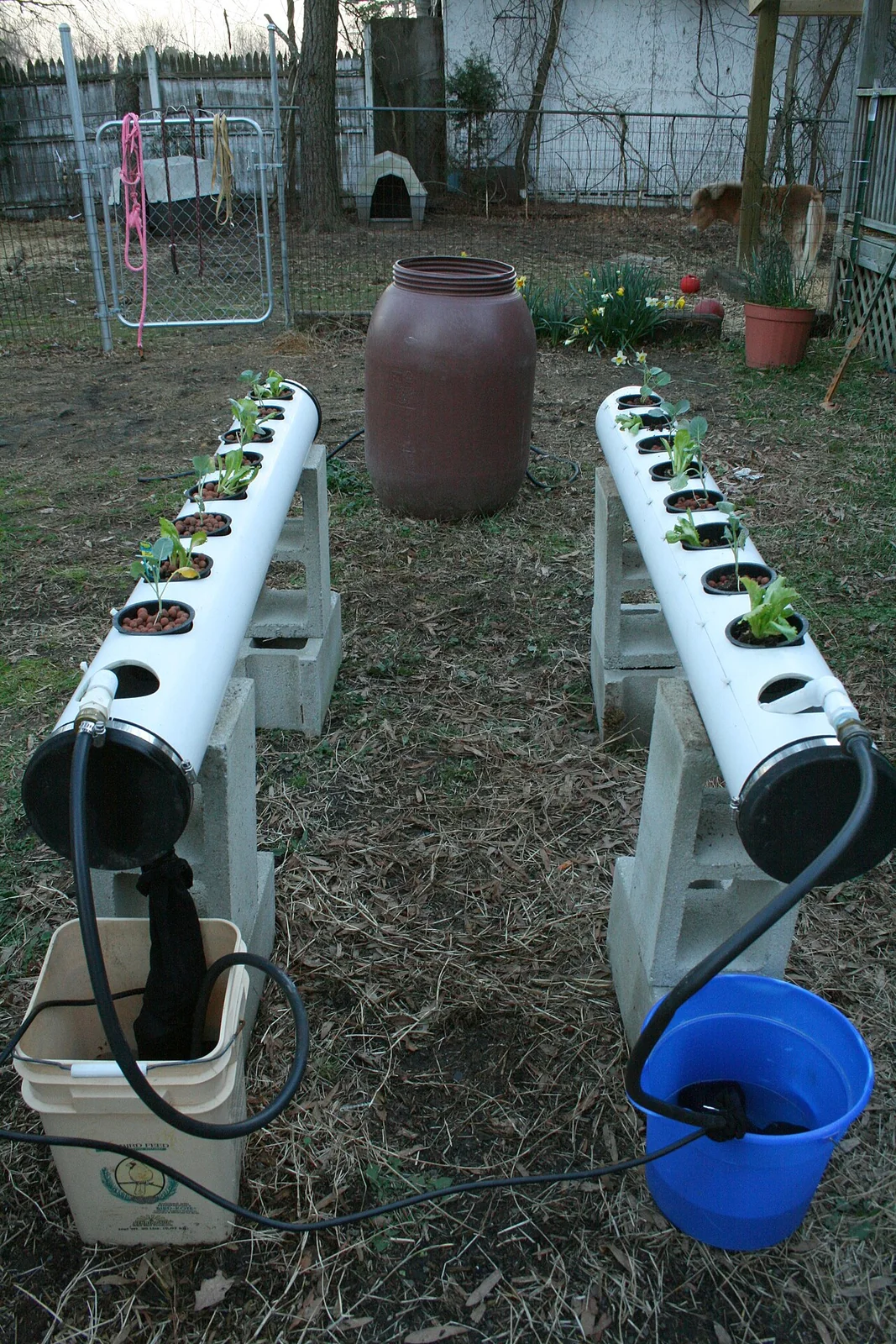
Put the system through its own readiness check before selecting transplants: stable holders, correctly assembled covers, a readable operating level, and functioning aeration or circulation where required. Prepare the nutrient solution using one documented crop program. The small-system guide covers this assembly and service routine. A seedling should enter a prepared growing position, not wait while you resolve a leaking connection.
Move sound plugs with an intact route to moisture
Inspect each candidate in its nursery position. Compare leaf growth, stem condition, and the roots visible around the plug. Set aside seedlings with unexplained collapse, spotting, or damaged stems while you investigate. Choose a reasonably even batch for the first run; keep unusually small plants separate so that their different starting condition does not confuse the comparison.
Cornell notes that roots can already extend through the nursery tray at transplanting and should be protected during transfer. It also moistens plugs before moving them to reduce drying. Cornell CEA: Hydroponic Lettuce Handbook
Rehearse the move with an empty holder. Lift the plug by its supported growing medium, position it as the system specifies, and check that it sits securely without being forced through an undersized opening. Confirm how this particular design delivers moisture to the young roots. An aerated reservoir, a flow channel, and a passive suspended pot have different startup requirements. Use the net-pot and medium guide if the plug, holder, and panel do not fit cleanly together.
Check establishment before changing the feeding plan
Photograph the batch immediately after transplanting, with its date and positions recorded. At the next inspections, look for the direction of change: new leaf expansion, a stable plant in its holder, and continued access to the system's intended water supply. Keep the same viewpoint for comparison. A photograph of the whole planting often reveals a row pattern that an isolated close-up misses.
If one plant wilts while its neighbors remain firm, first inspect that holder and its local supply. If several plants change together, review shared events: a power interruption, a changed light setting, a recent solution addition, or movement of the whole system. These are triage questions; the pattern narrows what to inspect but does not identify a disease or nutrient deficiency.
Record observations before correcting anything. Use the existing pH and EC measurement routine to verify surprising readings. Keep a dated note of each adjustment and the reason for it. Avoid combining a feed change, a new lighting schedule, and a spacing change in one session unless an immediate system fault requires action.
Open the canopy when the finishing space is needed
Check the planting from above and from the side as it expands. Can you still see the center of each plant? Can your fingers reach its holder without folding neighboring leaves? Are edge plants growing differently from those beneath the middle of the fixture? Use these observations to bring forward the planned spacing review; do not wait until removal becomes difficult.
In a layout with movable holders, make the planned transfer while you can still handle each plant and its roots independently. In a fixed layout, the practical options may be an earlier harvest of selected plants or a smaller planting next time. Do not make routine root cutting the hidden requirement for achieving the plant count printed on a kit.
For a tower, examine each level separately. UF/IFAS cautions that upper plants can shade lower positions and airflow can vary within vertical systems. UF/IFAS: Growing Lettuce in Small Hydroponic Systems Label positions in your record so that a recurring lower-tier problem leads to a layout decision rather than a claim that every cultivar in that batch performed poorly.
Harvest by usable quality and close the batch deliberately
At each inspection near the intended finish, assess the actual leaves you will eat and the amount you can use. A packet's maturity estimate is a planning reference. Keep a small note of the first acceptable harvest date and the last date you were happy with the crop. That interval is more useful for the next household batch than choosing one ideal-looking plant for a photograph.
For a whole-head batch, clear a clean place for the harvest before removing holders and roots. Keep the edible leaves away from the area holding used solution and dirty equipment. Record the number of plants harvested, discarded, and left behind, with a short reason for each discard. You do not need a scale unless harvest weight will change a decision.
Finish removing the crop before restarting that reservoir. Follow the between-crop cleanup guide for the complete service job. A replacement seedling placed beside old roots changes the project into continuous occupancy and may prevent the cleanup you originally planned.
Schedule the next sowing from your own completed cycle
Create a short batch record with sowing, emergence, transplanting, spacing review, first usable harvest, and final cleanup dates. Include the cultivar and any major change in light or temperature. Use the first completed record to estimate when you should sow a replacement batch, then revise that estimate after another cycle under similar conditions.
If you want uninterrupted salads, decide where the next batch will live while the current one finishes. This can mean a separate nursery and more than one independently serviceable growing container. It does not mean every empty-looking hole must be replanted immediately. Count finishing positions, nursery positions, and cleaning time separately when deciding whether expansion is worthwhile.
Buy measurement supplies only where the current routine has a gap. The pH and conductivity testers in the shortlist serve different checks; neither measures crop readiness or individual nutrients. Keep existing serviceable tools if they suit the program. The most useful improvement after a first lettuce batch may simply be fewer plants, clearer labels, or a harvest date that matches the meals you actually cook.
Sources & further reading
We favor university extension guidance and original product documentation. Linked sources support the specific facts cited; they do not endorse Garden Gear Atlas.
- UF/IFAS: Growing Lettuce in Small Hydroponic Systems
- Cornell CEA: Hydroponic Lettuce Handbook
- University of Minnesota: Small-scale hydroponics