Start with permission and structure
A balcony is not simply a small ground-level patio. It has structural limits, edges, drainage routes, and often building rules about attachments and objects near railings. Ask the owner or manager for applicable restrictions and obtain qualified advice where loading or structural support is uncertain. A gardening article cannot establish your balcony's load capacity, and a planter's product weight cannot answer that question either.
The Royal Horticultural Society identifies building restrictions, wet container loads, wind, and secure screen fixings as essential considerations for elevated gardens. Use those checks before making a shopping list. RHS: roof gardens and balconies. If the intended setup involves large trees, heavy masonry pots, or structural attachments, pause for a site-specific assessment. The ability to carry something upstairs does not establish that its final position is suitable.
Observe the exposure at plant height
Spend time on the balcony under ordinary different conditions before installing a tall display. Notice where gusts accelerate around corners, where doors create a channel, and where an existing wall offers shelter. Look at the intended foliage height, not just the floor. A low pot may sit in a protected zone while its tall canopy extends into strong wind. Conditions can also differ markedly from the garden at street level.
Make a simple position list: sheltered corner, exposed edge, door path, and route to bring plants indoors. You do not need to assign invented wind ratings to these spots. The goal is to identify where vulnerable foliage, hanging baskets, or tall supports would be difficult to manage. Reassess after adding furniture or screens because they change the space and can obstruct access. An attractive arrangement should not depend on stepping around a moving planter near the edge.
Compare the whole wet assembly
The load includes the container, moist growing medium, stored reservoir water, plant, support, and any decorative material. A lightweight empty pot can become difficult to move once planted and watered. Conversely, a light container can be useful where loading is limited, provided the complete arrangement is appropriately secured and stable. Do not equate heavy with safe or light with unsafe without considering shape, location, and the permitted installation.
Measure actual usable growing dimensions, but keep volume calculations separate from structural approval. A tapered-pot volume estimate helps order mix; it does not certify the weight a balcony can carry or identify where loads should go. If you need a wet-weight estimate, obtain relevant product information and qualified guidance rather than applying a generic soil density to every mix. Keep the final arrangement within the limits established for the specific site.
Reduce unnecessary height and top-heavy layouts
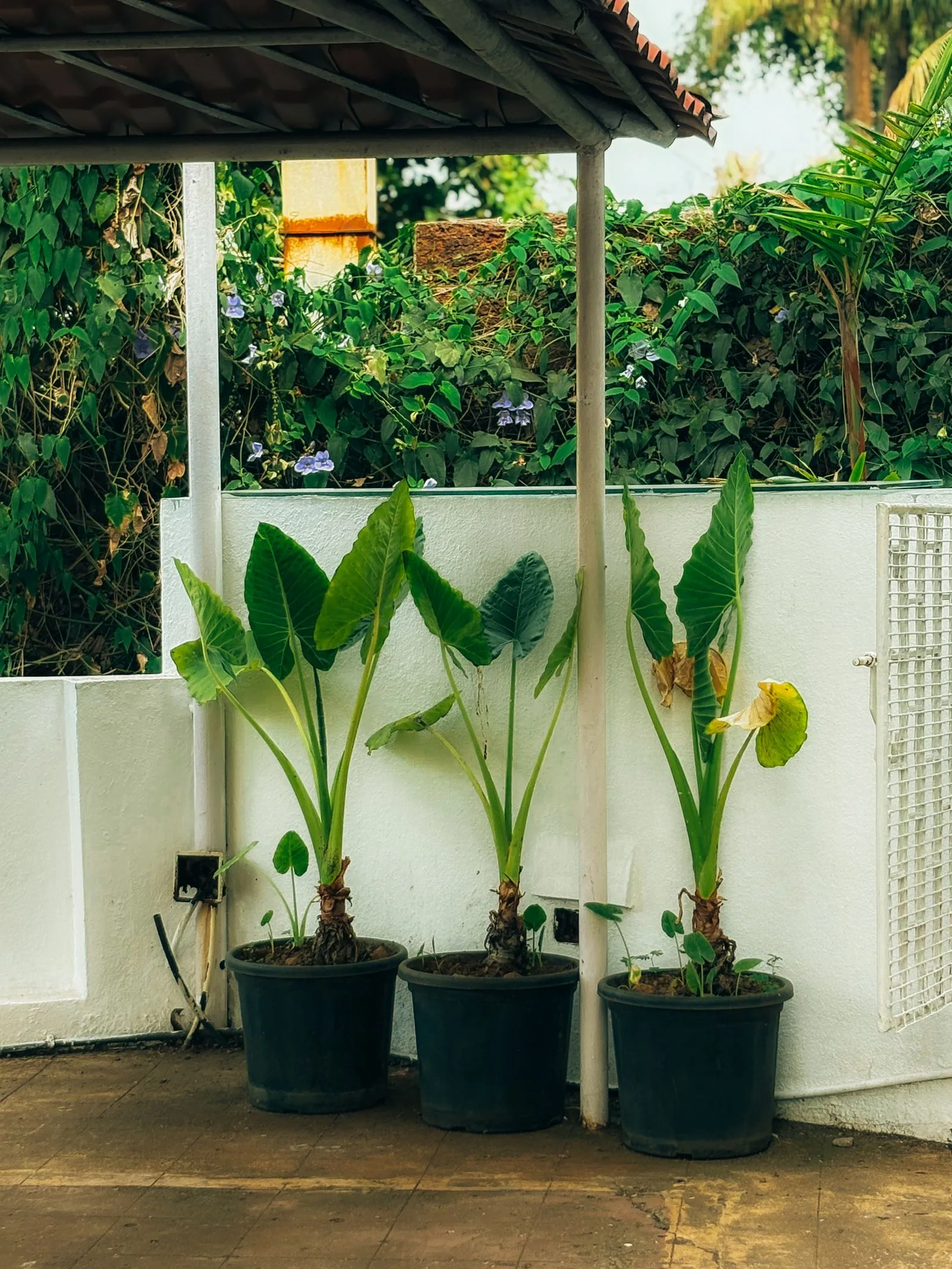
A broad footprint and a plant shape suited to the exposure can be easier to manage than a narrow tall vessel carrying a large canopy. This is a practical selection principle, not a windproof rating. Tall trellises, large leaves, and dense screening create additional surfaces for wind to act on. Consider whether the same gardening goal could be met with lower plants, a shorter support, or a protected position.
Do not add stones to a pot as an improvised cure for every stability problem. They increase the load, reduce usable growing volume, and do not establish a safe attachment. Use a container designed for the job and follow its instructions. NC State treats container dimensions and materials as interrelated growing decisions; apply that thinking to the whole assembly instead of selecting by height alone. NC State: plants grown in containers.
Treat screens and rail planters as installations
A screen may moderate exposure, but it also receives wind load. Do not fasten a large solid sheet, trellis, or planted panel to a railing because ordinary cable ties happen to fit. Obtain permission and use a rated, compatible system with the required fixings. A railing planter needs to match the actual railing shape and dimensions, not just an approximate width in a listing. Check any restraint and orientation requirements.
Place containers so a failure does not send material over an edge, and follow the building's rules on outward-hanging planters. Avoid arrangements that invite climbing or create hazards for children and pets. If a support or restraint loosens, remove the vulnerable setup while conditions are safe rather than relying on a last-minute improvised tie during a storm. When safe mounting cannot be confirmed, choose a floor-level arrangement or omit the feature.
Keep drainage and watering accessible
Wind can increase drying, while an overhead balcony can keep rain from reaching the pots. Do not assume that a rainy day watered the root zone. Check the actual medium and use containers that remain accessible with a watering can or approved irrigation route. If reaching a plant requires leaning over a railing, the layout needs to change before regular care begins.
Runoff deserves its own plan. Virginia Cooperative Extension specifically addresses protecting neighbors below when watering container gardens. Virginia Cooperative Extension: vegetable gardening in containers. Use suitable collection and drainage arrangements without leaving ordinary pots permanently submerged. Keep building drains unobstructed by potting mix, fallen leaves, or mats. A design that keeps plants upright but sheds water and debris onto others is not a completed balcony-garden plan.
Prepare a storm routine you can execute safely
Decide in advance which small containers can move to a sheltered approved location and which installations must remain fixed. Keep the relocation path clear and consider the wet weight of every item. A large planter that needs several people cannot be part of a last-minute solo response. Do not plan to lift heavy pots or climb ladders while the balcony is already experiencing strong gusts.
Before forecast severe weather, follow local and building guidance and act while conditions are safe. Remove loose accessories, inspect approved restraints, and avoid adding temporary sheets that create new wind surfaces. Do not attempt to rescue falling objects over an edge. Afterward, inspect pots, supports, mounts, and foliage before returning everything to use. A cracked container or shifted support can be a maintenance problem even if the plant itself appears unharmed.
Choose plants and a scale that fit the site
Select species appropriate to your climate, light, and exposure rather than attempting to shield an unsuitable collection with progressively larger screens. Lower-growing forms may fit an exposed space more readily than a tall leafy privacy wall. Check mature size, not just the nursery pot's current silhouette. Leave room for inspection and growth so supports and containers do not gradually become inaccessible.
A modest balcony garden can still provide herbs, flowers, or a satisfying group of foliage plants. The useful sequence is site permission, safe load and placement, exposure-matched plants, working drainage, and a realistic care route. Expand only after observing the first season's conditions. Stability is a property of the complete approved arrangement, not a marketing word on a planter or a promise that one heavy pot can make every balcony windproof.
Sources & further reading
We favor university extension guidance and original product documentation. Linked sources support the specific facts cited; they do not endorse Garden Gear Atlas.
- RHS: roof-garden and balcony planning
- NC State Extension: container selection
- Virginia Cooperative Extension: container gardening