Start with the plant label, not the fruit size
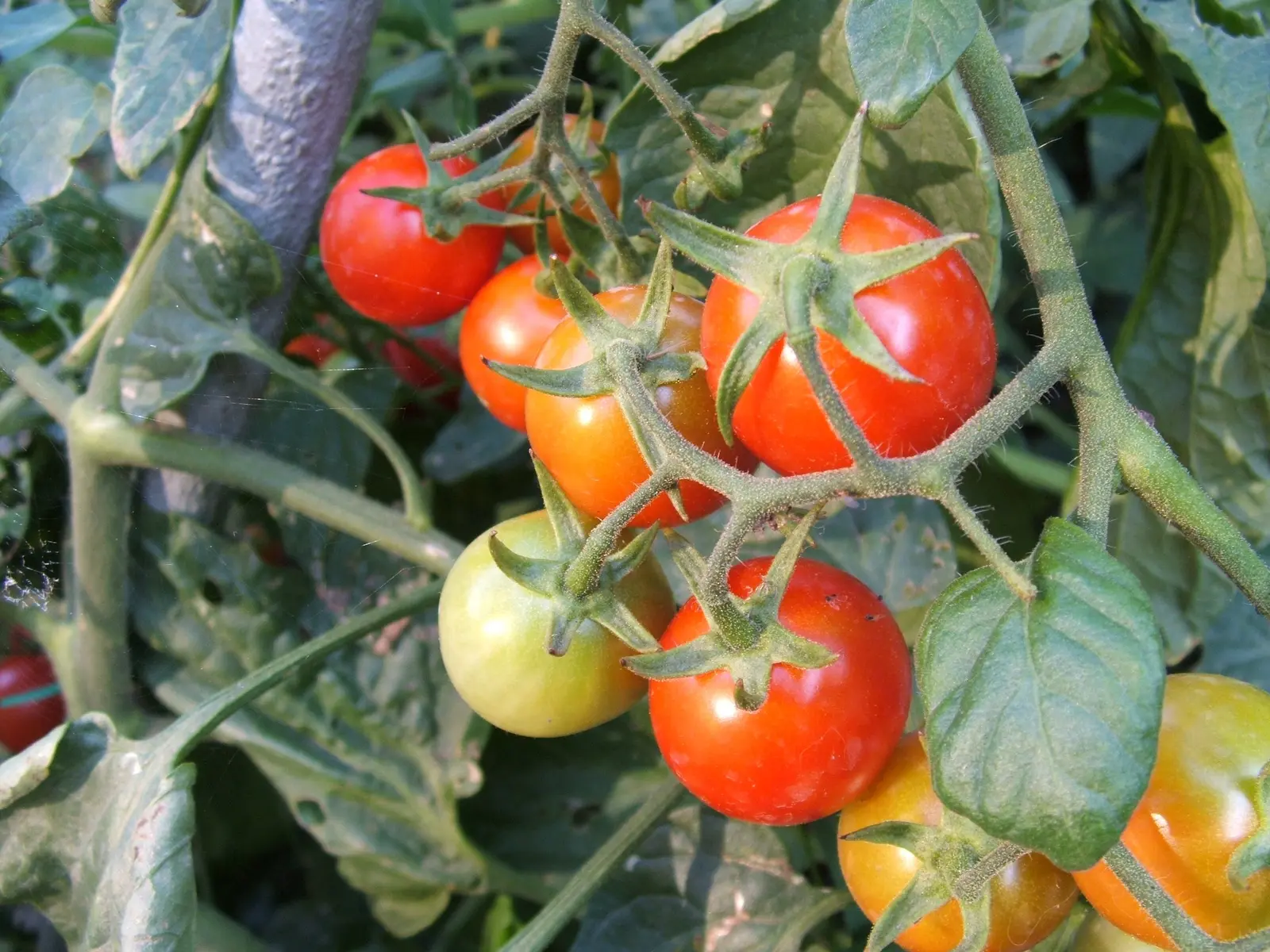
A cherry tomato is not necessarily a small plant. Some cherry cultivars make long, vigorous vines, while a purpose-bred patio tomato stays compact. Before shopping for a bag, find the cultivar's growth habit, expected mature size and support recommendation. If the tag says only 'tomato,' ask for the cultivar name or choose a better-documented plant. The missing information matters more than whether the bag is marketed as premium.
Determinate tomatoes generally concentrate more of their growth and crop into a limited period. Indeterminate tomatoes continue extending stems and setting fruit while conditions allow. That distinction affects support, access and how long you will be caring for the container. It does not mean every determinate is tiny or that pruning makes any indeterminate suitable for a small pot. University of Minnesota Extension explains tomato growth habits and establishment.
Write down what you want to eat. One compact plant for occasional sandwiches is a different project from several vines for repeated sauce batches. If the desired harvest would require more mature plants than your patio can accommodate, reduce the harvest goal or use a garden bed. Crowding more plants into the same bag does not create more root volume.
Use container volume as a management allowance
Published minimum container sizes help rule out obviously undersized choices, but a minimum is not a promise of easy care. Root-zone volume, the shape of the pot, climate, cultivar and watering method all interact. A five-gallon recommendation for one situation should not become a claim that every tomato will perform equally well in five gallons. Maryland Extension explicitly advises considering both total volume and depth, and matching the container to the plant's upper growth as well as its roots. Its container-growing guide explains those tradeoffs.
For a full-size patio tomato, the 15–20-gallon shopping range is a deliberately generous editorial starting point. It gives you alternatives to compare, not a threshold that determines success. Move toward a smaller container only with a compact cultivar, reliable watering and realistic expectations. Consider more volume when the site is hot or windy, the vine will be large, or you cannot repeatedly inspect moisture during the day.
Read actual dimensions as well as the size name. Nursery trade gallons, advertised gallons and measured internal capacity may not agree. A bag also loses usable volume when its rim is folded or it is only partly filled. Compare the product's filled diameter and height, and leave enough headspace to water without washing mix over the edge. Calculate the amount of mix you will actually buy before choosing six oversized bags.
The bag must fit the place where it will spend the season
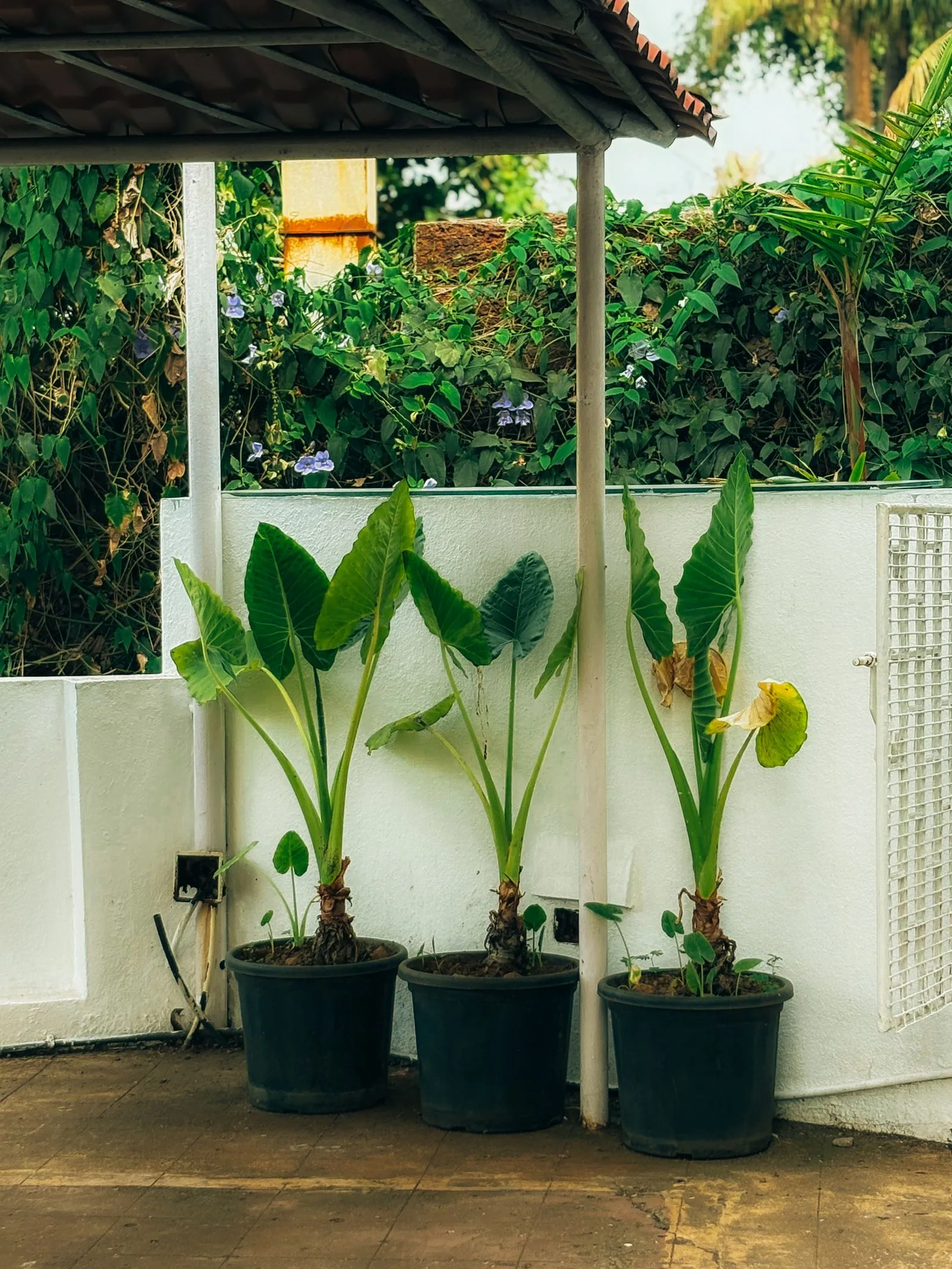
Choose the final location before filling. Wet growing medium is heavy, and fabric handles should not be treated as a guarantee that you can safely lift a planted bag. A loaded container with a tall vine is awkward even when two people can lift its weight. If movement is essential, plan a suitable stable platform and clear route from the beginning.
Look at the site in morning, midday and afternoon. Does an overhang exclude rain? Does a wall reflect heat onto the pot? Will the support shade another crop or block a door? A sunny corner that is difficult to reach with water may be less useful than a slightly less exposed location you can maintain consistently. Protect walking routes and keep drainage water from creating a slip hazard.
Fabric containers allow moisture to leave through their sides, which can make them useful in some settings and demanding in others. On an exposed patio, evaluate moisture inside the root zone rather than judging only the dry outer fabric. Keep the base able to drain. A bag standing in a water-filled tray is still a poorly drained container, whatever its material.
- Confirm the cultivar and mature support height before ordering.
- Check filled dimensions, available floor space and access around the plant.
- Choose a watering arrangement you can maintain during hot weather and absences.
- Plan where runoff will go and how the surface beneath the bag will be protected.
Support is a separate engineering decision
A bag gives roots a home; it is not automatically a strong anchor for a tall trellis. Install the support when you plant so you do not have to push large stakes through an established root system. Consider the combined load of vines, wet foliage, fruit and wind, not just the weight of a young transplant. A lightweight cage that seems stable in spring can become top-heavy later.
Both determinate and indeterminate tomatoes can benefit from support. The important choice is whether the cage, stake or trellis suits the mature plant and your pruning method. Minnesota's guidance on trellises and cages describes the practical benefits of keeping plants and fruit supported. For a freestanding container, check whether the support needs an independent anchor; do not attach it to an unverified balcony railing.
Leave a way to inspect the stem base and reach ripe fruit. A dense wall of bags can make the back plants effectively unharvestable. It also turns watering checks into guesswork. Fewer accessible plants often make a more workable garden than a row whose middle containers cannot be reached without bending vines.
A tomato ladder profile provides another support format to compare with a surrounding cage. Check installed height and leg insertion; do not assume a filled grow bag provides sufficient anchorage.
Fill once, then learn the watering pattern
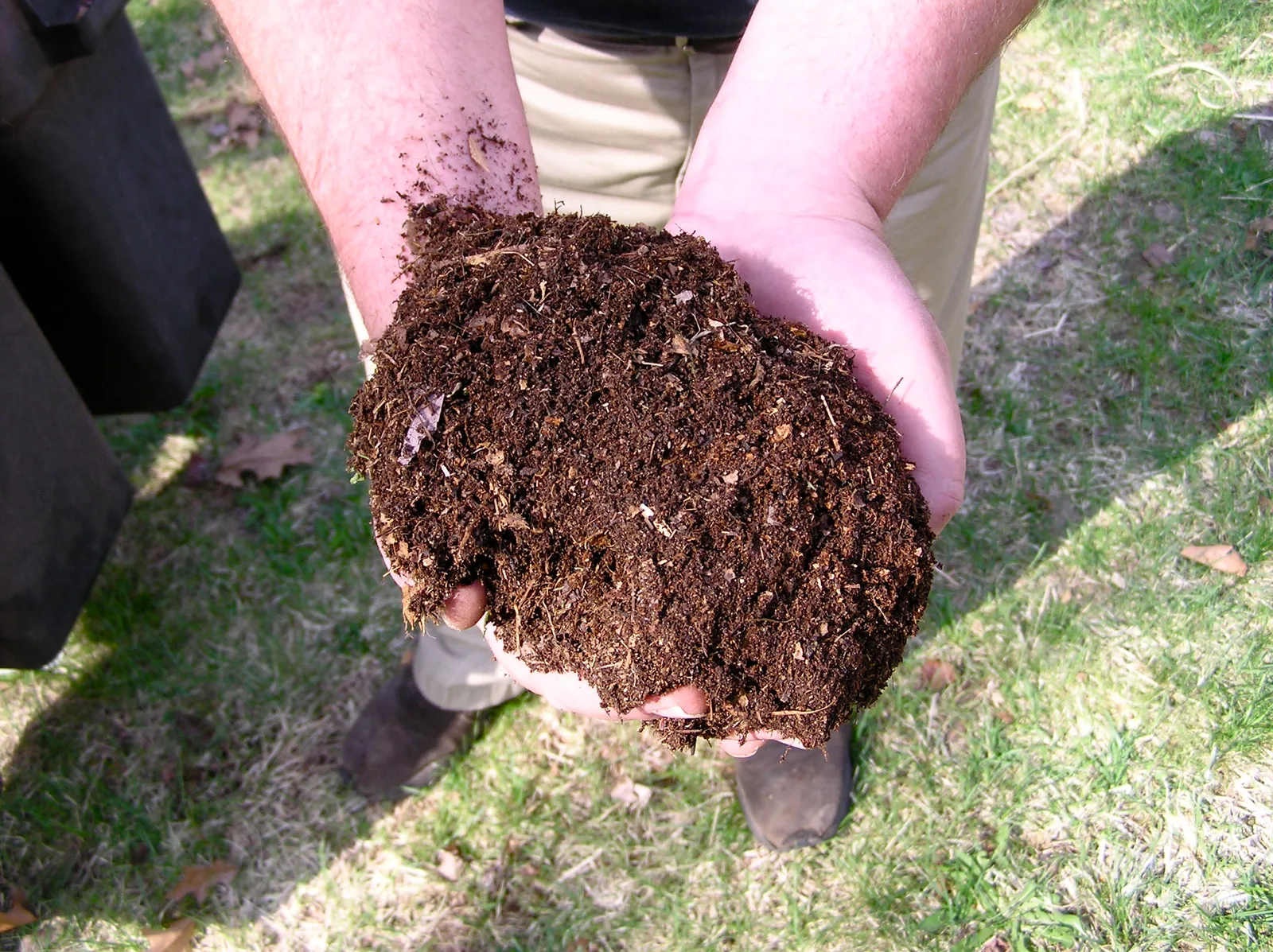
Use a potting mix intended for containers rather than filling a bag with dense garden soil alone. Check whether the mix already contains fertilizer, and record what you add. The goal is a root zone that holds useful moisture while allowing excess water to leave. A gravel layer reduces space for that root zone and does not solve an unsuitable mix.
Water thoroughly enough to wet the root ball and surrounding mix, then reassess as conditions change. A new transplant has not yet rooted through the whole bag. Later, a leafy fruiting plant can use water far faster. Rain does not prove that the root zone is wet: foliage and shelter may divert it. Conversely, a cool cloudy period may mean the bag needs much less frequent watering.
Repeated wilting should trigger a diagnosis, not an automatic fertilizer purchase. Check moisture below the surface, whether water is running around a dry root ball, whether the outlet is blocked, and whether the plant is simply outgrowing your maintenance capacity. Persistent wilting in wet mix is a different problem from a light, dry container. If symptoms continue, bring photographs and a clear watering history to your local Extension service.
A buying decision you can make before planting
Compare two complete setups: a compact tomato in a manageable container and a full-size tomato in a larger bag with a stronger support. Include mix, watering equipment, ties, storage space and the time required to inspect each one. The lower-priced bag is not necessarily the lower-work system, and a larger bag is not necessarily better if it prevents you from reaching the plant.
For the first season, keep the experiment small and record what actually constrained it. Note cultivar, bag dimensions, amount of mix, sunny exposure, how often the root zone dried, and whether support or access became difficult. Do not judge container size from one hot afternoon or from fruit count alone. Next season's useful adjustment may be a smaller cultivar, a better watering arrangement or a different position—not another jump in gallon size.
A two-container trial that answers a useful question
If you already own two different bag sizes, do not replace both immediately. Choose the same suitably sized cultivar for each, give them comparable light and support, and record the actual filled dimensions and watering attention. This is a household comparison, not a controlled product test: differences in position, plant vigor and watering can affect the result. Still, it can reveal a practical limit. If the smaller bag repeatedly becomes dry before you can return home while the larger one remains manageable, you have learned something about your schedule. If both are difficult to keep watered, the next improvement may be irrigation access or a less exposed position. Keep the number of plants small enough that you can observe the difference without turning the trial into a maintenance burden.
Sources & further reading
We favor university extension guidance and original product documentation. Linked sources support the specific facts cited; they do not endorse Garden Gear Atlas.
- University of Minnesota Extension: Growing tomatoes
- University of Maryland Extension: Growing vegetables in containers
- University of Minnesota Extension: Trellises and cages