Read both the fruit description and the plant habit
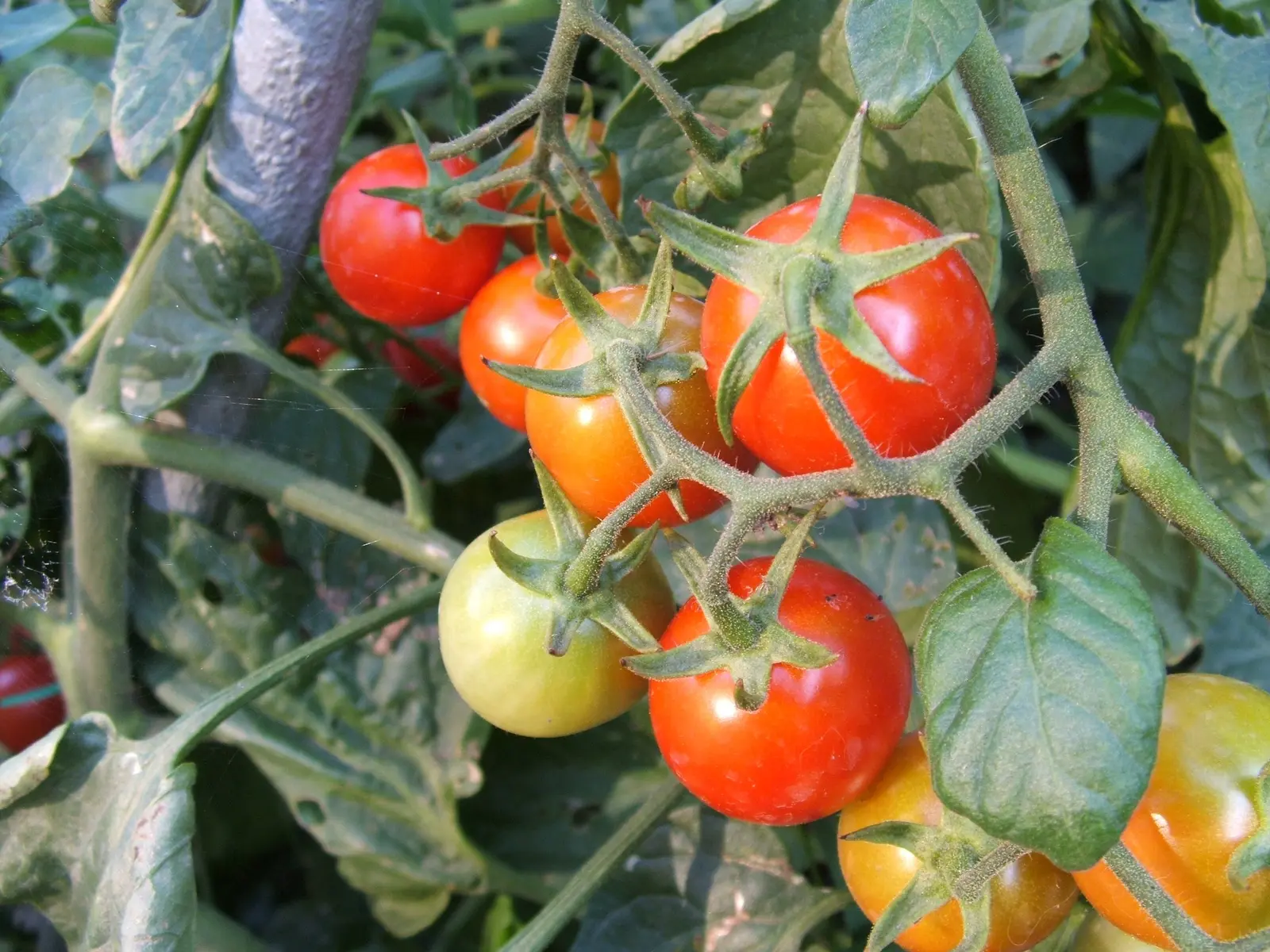
Tomato is a nightshade grown for its edible fruit. Although normally replanted each year in temperate gardens, it is biologically a frost-tender perennial. Plants carry compound leaves, small yellow flowers and fruits whose ripe color depends on the cultivar. Red is familiar, but a yellow or purple cultivar needs its own maturity cues. NC State Extension describes tomato identity and growth.
A fruit label answers a kitchen question: paste types provide flesh for sauces, slicers supply broad slices, and cherry types produce small fruit. A growth-habit label answers a garden question. Determinate plants finish their main extension growth and often give a more concentrated crop; indeterminate vines continue extending and fruiting while conditions permit. Do not infer vine size from fruit size. Maryland Extension separates these tomato types. Before ordering seed, decide whether your priority is repeated fresh picking or a larger batch for processing.
Start plants for the weather they will actually meet
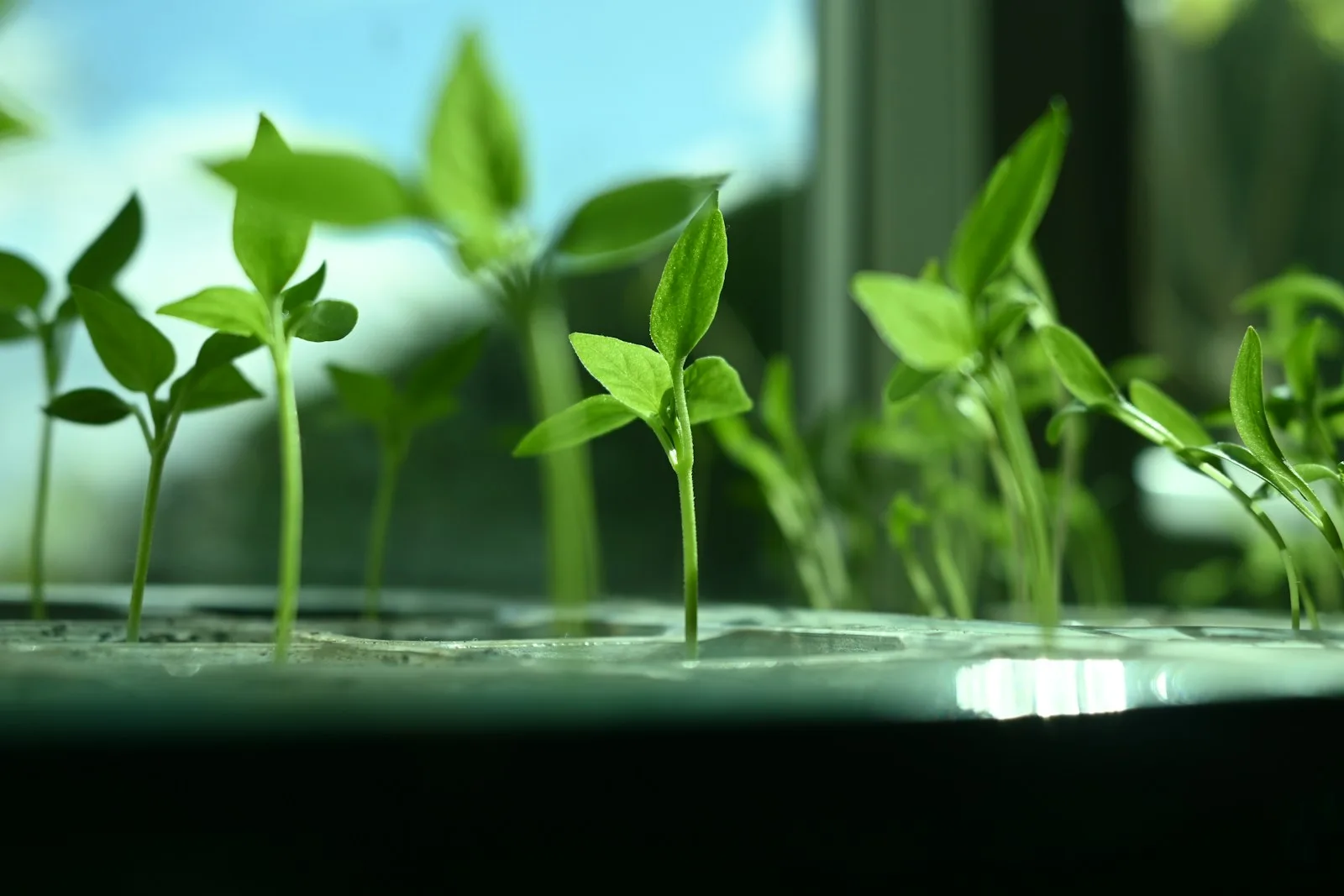
Tomatoes usually reach harvest sooner from transplants than from seed sown outdoors, a useful advantage where summers are short. Minnesota Extension recommends starting seed indoors five to six weeks before planting out. That is a regional planning reference, not a reason to sow months before the garden becomes usable. Bright overhead light and enough room for roots matter more than producing the oldest possible seedling. Follow its establishment guidance.
Choose stocky plants with healthy foliage, then harden them gradually to outdoor light and wind. Wait for frost danger to pass and the soil to warm. Ordinary ungrafted tomatoes can form roots on buried stem, making shallow trench planting useful for a leggy transplant; remove leaves from the buried portion. Keep a graft union above soil on a grafted plant and follow its supplier's directions. The hardening-off guide provides the transition routine without treating a warm afternoon as proof that nights are safe.
Build a root zone that can sustain fruiting
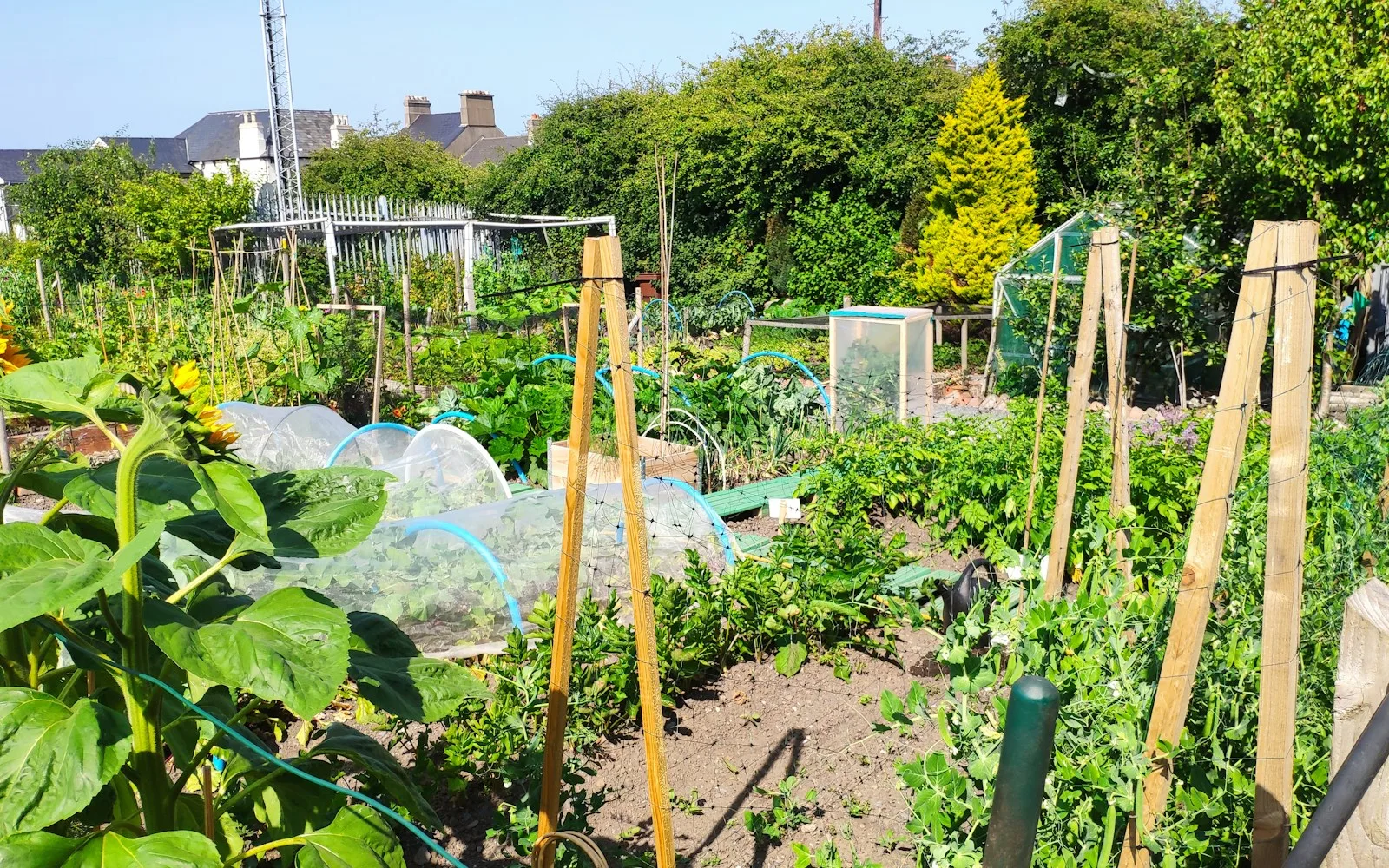
Give tomatoes a sunny site with drainage that works after prolonged rain. Full sun means at least six hours of direct light; stronger exposure generally supports better production, though extreme heat can become a separate limitation. A wet depression does not become suitable merely because fertilizer is added. Prepare the soil before planting, when drainage and soil-test recommendations are easier to address. Utah State Extension covers site preparation and tomato care.
Water deeply enough to moisten the useful root zone, then reassess soil moisture as weather and foliage change. Avoid a repeated pattern of wilting followed by flooding. Mulch can reduce evaporation and weed growth, but heavy insulating mulch applied to cold spring soil can delay warming. Fertilizer should support growth without driving a dense canopy at the expense of fruit. Account for compost and any fertilizer already present; more nitrogen is not an automatic response to slow ripening or fallen blossoms.
A patio tomato needs a complete container setup
Container success depends on matching the cultivar, filled root volume, drainage, water access and support. A compact patio cultivar is a different proposition from a vigorous indeterminate vine. Use a potting medium intended for containers and keep outlets clear. A layer of stones at the bottom does not fix drainage; it takes space away from roots. Maryland Extension explains container size, growing media and drainage.
Assess the location during hot weather, including reflected heat from walls and paving. A fruiting vine may empty the container's moisture reserve much faster than the original transplant. Place the pot where you can inspect the root zone and reach its whole canopy. The tomato grow-bag guide helps compare specific setups. A larger fabric container is a possible component, but its handles and growing medium should not be assumed to anchor a tall cage against wind.
Support the growth you intend to keep
Install stakes, cages or a trellis at planting. A supported plant makes fruit easier to reach and reduces contact with soil. Both the support footprint and access around it matter: a narrow cage does not establish safe plant spacing. Choose enough height and strength for the named cultivar, and guide young branches before they harden in awkward positions. Maryland Extension compares support and pruning methods.
Pruning belongs to that support choice. A staked indeterminate may need selected main stems; a caged plant can retain more branching. Suckers are shoots arising at leaf axils and can bear fruit, so removing all of them is not a universal productivity rule. Avoid heavily stripping a determinate crop or suddenly exposing developing tomatoes to intense sun. If the vine repeatedly escapes its support, record whether next season needs a different cultivar or structure instead of continually cutting the plant to fit an undersized frame.
Harvest by maturity, then protect the remaining crop
Look for the cultivar's expected color and a firm fruit that has begun to yield slightly. Some tomatoes release easily; others are better cut from the vine. Support the fruit rather than pulling a whole cluster against its stem. Before frost, bring in sound fruit that is mature enough to finish ripening. Truly undersized, dark-green fruit is a poor candidate compared with fruit already showing a color change. Minnesota Extension explains maturity and indoor ripening.
Set aside damaged fruit for prompt assessment and keep it out of a batch intended for storage. Do not assume every cultivar must remain on the vine until deep red, or that sunlight on a windowsill is necessary for ripening. Keep the cultivar label with harvested batches when comparing flavor and timing. This makes a useful distinction between a plant that yielded late because of weather and one whose normal maturity simply does not fit your season.
Separate fruit disorders from spreading plant disease
A dark, leathery patch at the blossom end points toward blossom-end rot, a problem of calcium supply within developing fruit that can occur even when soil calcium is adequate. Cracking after a sharp change in moisture, pale sunscald on exposed fruit and firm upward-rolled leaves are different patterns. None should trigger the same automatic spray or mineral treatment. Minnesota's tomato-disorder reference explains these distinctions.
Inspect the whole plant when symptoms spread: note affected leaf age, spots, stem injury and whether nearby plants show the same pattern. Use the leaf-curl differential or blossom-end-rot guide for the next decision. Retain photographs and a watering history for Extension diagnosis. A resistant cultivar should be chosen against a known disease risk; resistance wording is not a guarantee against every disease, weather injury or pest.
Sources and scope
Research-based guidance informed by institutional references. Cultivar, region and growing conditions can change the advice. Product inclusion does not imply hands-on testing of every model.
- NC State Extension: Tomato identity and cultivation
- University of Maryland Extension: Growing tomatoes
- University of Minnesota Extension: Growing tomatoes
- Utah State University Extension: Tomatoes in the garden
- University of Maryland Extension: Vegetables in containers
- University of Minnesota Extension: Tomato disorders