Locate the patch before naming the problem
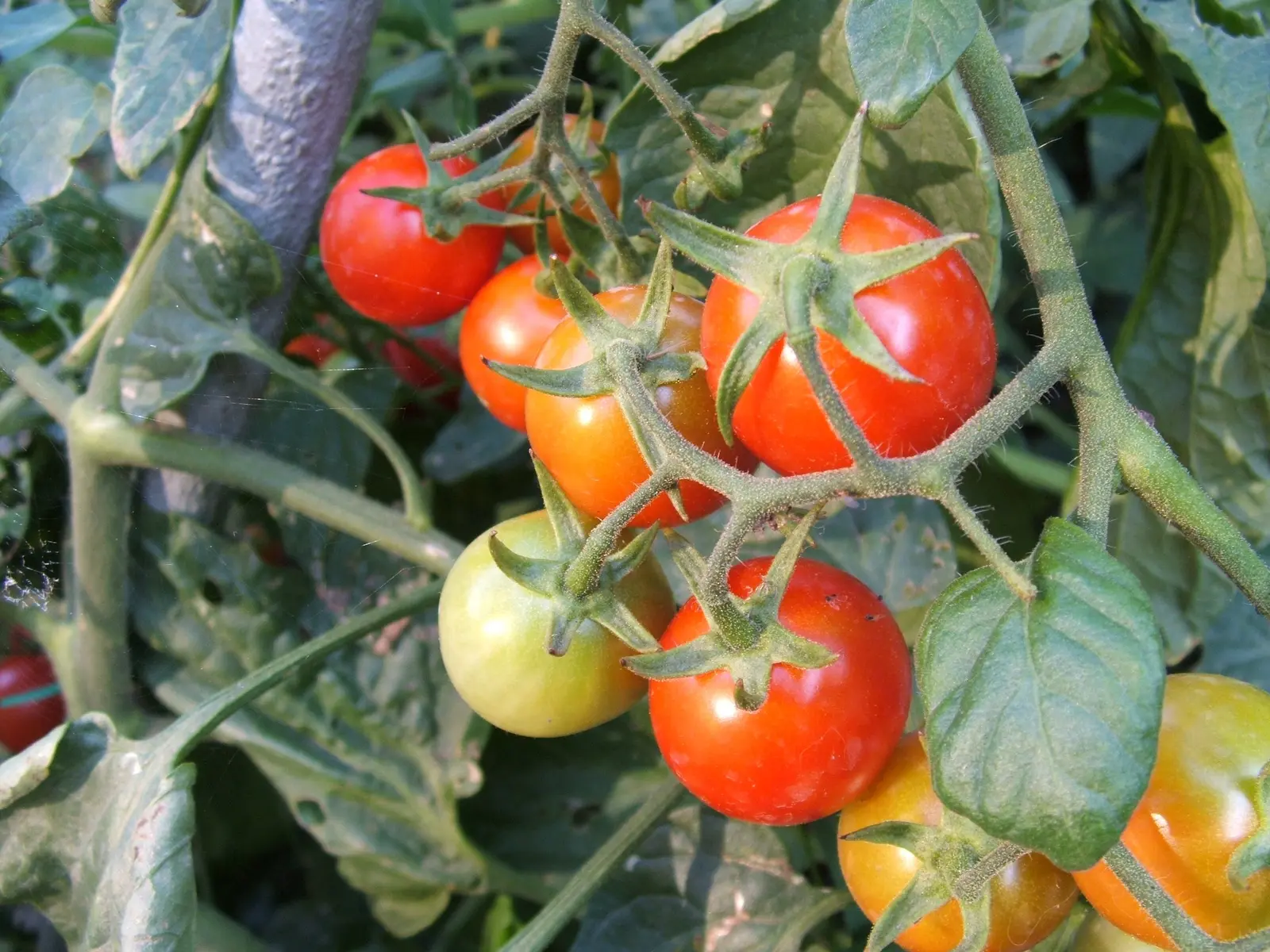
Turn the tomato so the stem attachment faces away from you. The blossom end is the opposite end, where the flower was attached. A dark, depressed patch centered there is more informative than the general observation that a tomato has a black spot. Check several fruit, including smaller green ones, and photograph the whole fruit as well as the affected end. Record whether the mark began as a soft-looking spot or whether it was a hard scar from the start.
Blossom-end rot typically develops into a dark, leathery depression. Sunscald more often begins as a pale area on the exposed side of a fruit, while catfacing produces misshapen fruit with corky scars and cavities. Secondary decay can obscure these differences later. Minnesota Extension's tomato-disorder photographs provide a useful comparison. A fruit with several scattered lesions, damage around an entry hole, or a pattern that does not fit should be assessed separately rather than pushed into a blossom-end diagnosis.
Separate calcium in the fruit from calcium in the soil
The affected tissue lacks the calcium it needed during development, but that finding does not establish why. Wisconsin's plant diagnostic guidance explains that roots, moisture conditions, and nutrient imbalances can limit calcium uptake and movement even when the soil contains it. Waterlogged soil is also a possible contributor. The corrective question is therefore broader than whether a fertilizer bag lists calcium: can functioning roots obtain water consistently in this growing system?
Make a short history covering the period before symptoms appeared. Include a missed watering, unusually heavy rain, a heat spell, recent cultivation, and fertilizer applications. Keep facts separate from guesses. Write “pot felt unusually light on Tuesday” instead of “calcium disappeared Tuesday.” This avoids treating a visible fruit problem as proof of a soil deficiency. If only one container is affected, compare its drainage, size, and irrigation outlet with another container before changing every plant's nutrition.
Audit an entire watering cycle
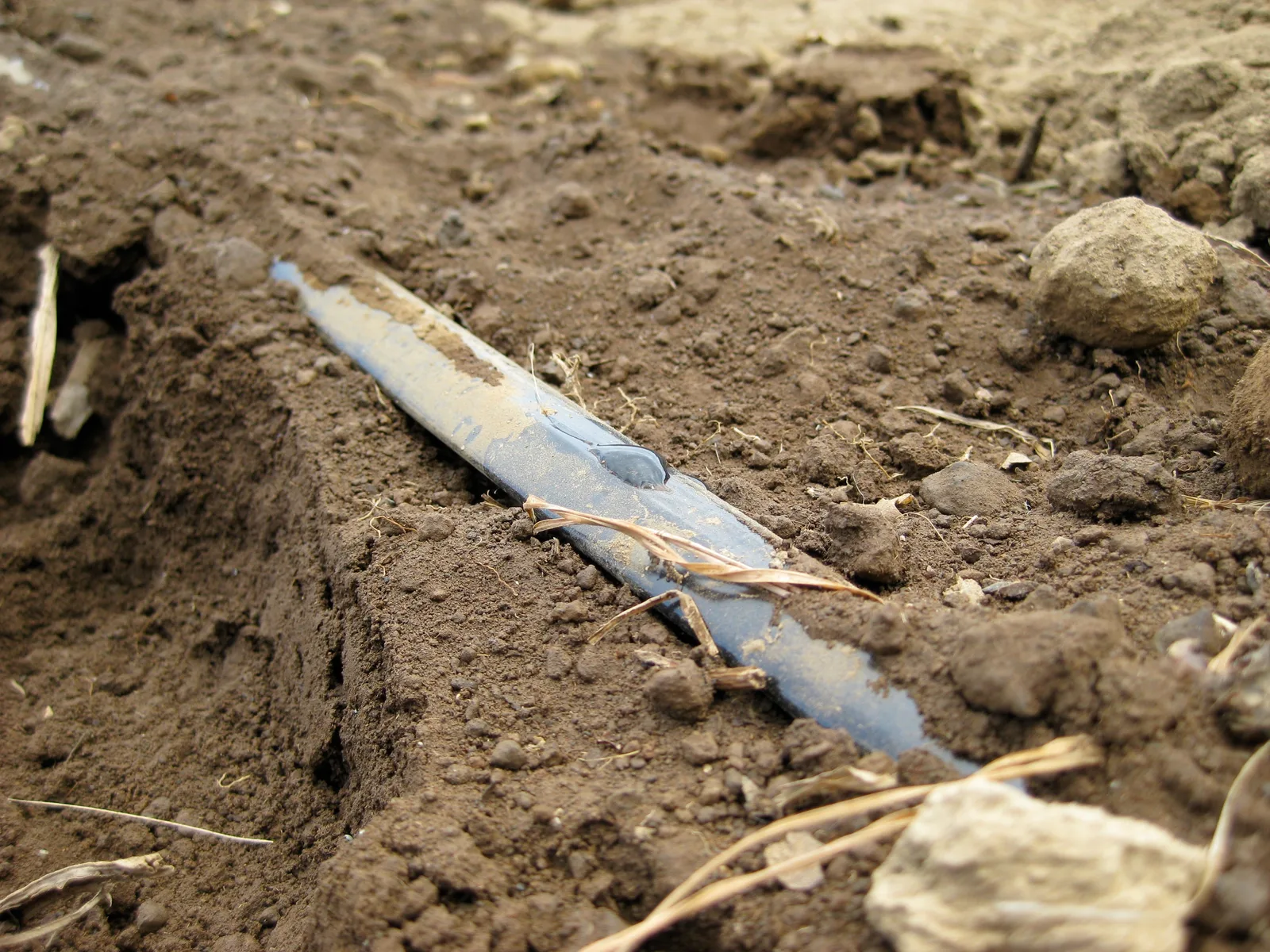
Observe the system while it operates. Water appearing at the faucet or the first emitter does not show what reaches the last tomato. Look for a disconnected line, a blocked outlet, water escaping beside the pot, or a dry root ball beneath a damp surface. After watering, check moisture at more than one point without cutting major roots. Repeat the observation before the next planned watering so you see the change between applications.
Connecticut Extension emphasizes avoiding repeated dry-to-wet swings in its water and nutrient management advice. Translate that principle into a schedule based on your plants and medium, rather than copying a universal daily volume. A large plant in a modest pot and a small plant in a deep bed are different cases. If the present arrangement cannot maintain reasonable moisture between visits, reduce the number of containers you manage, arrange another check, or redesign delivery. A timer setting alone cannot compensate for an unreliable outlet.
Make modest corrections with a clear purpose
For a dry bed, restore an appropriate watering routine and use a suitable surface mulch to reduce avoidable evaporation. For a saturated container, investigate why drainage is restricted before supplying more water. Keep these responses distinct: alternating between emergency soaking and long neglect repeats the problem you are trying to solve. Avoid digging around the stem in search of a quick amendment placement, because additional root disturbance complicates the recovery.
Consider a hypothetical pair of tomatoes supplied by the same timer. One has a wet patch near its emitter; the second has dry medium except along the pot wall. Increasing runtime for both might leave the first unnecessarily wet while the second still receives water poorly. The useful first change is to correct placement and delivery, then reassess each pot. Use the drip troubleshooting guide for component checks. This example illustrates a diagnostic sequence, not a measured trial or a promised outcome.
Test before reaching for a household amendment
Eggshells do not provide a dependable immediate fix, and Epsom salts contain magnesium rather than calcium. Minnesota Extension explains why these remedies miss the problem and why excess magnesium can interfere with calcium uptake in its review of common soil remedies. Do not add several materials together because each has a different online advocate. That changes the soil while leaving you unable to identify which addition helped, did nothing, or created a new imbalance.
If the soil's nutrient status is unknown, request a test appropriate to the bed or medium and tell the laboratory what you are growing. Keep the report with the fertilizer record. An in-ground sample should not stand in for a potting-mix sample, and last year's test from another bed does not establish the condition of this one. Where the report recommends a calcium-containing amendment, follow its material and application guidance. Where it does not, concentrate on the identified water or root problem instead of inventing a rate.
Write a watering handoff that preserves consistency
If someone else will water while you are away, show them the actual moisture check and outlet for each group of tomatoes. Distinguish a container check from a bed check, and identify which timer settings should be reviewed after rain. Leave a way to record a skipped or additional watering. A direction to give every plant one can of water can sound precise while ignoring the differences you have just observed.
Demonstrate the route once before the handoff. Ask the helper to point out a pot that would need attention and one that would not, using the conditions present rather than a memorized answer. Include what to do when water runs straight out, an emitter stops, or the soil remains saturated. This small rehearsal exposes missing information while you can still repair the arrangement. It also keeps a developing fruit problem from becoming a cycle of compensating for uncertain previous visits.
Judge the next fruit, and plan for recurrence
The practical target is healthier subsequent fruit, not disappearance of the old lesion. Remove fruit that have been lost to the disorder, and keep photographs of a few developing fruit so you can compare like stages. A tomato already far along when care changed is a poor test of the new routine. Note the date of the correction and whether new lesions continue, without promising that a particular number of days will settle the issue.
If trouble repeats, review the whole season before next year's purchase. Did one variety struggle in several locations, or did several varieties struggle beside one unreliable water connection? Did the workload become unmanageable once plants reached full size? Choose a change that follows that evidence: another variety, more appropriate root space, a repaired irrigation layout, or fewer plants with dependable care. Keep a confirmed blossom-end problem separate from spreading leaf disease or unexplained wilting. Those additional symptoms deserve their own diagnosis rather than a larger dose of the same amendment.
Sources & further reading
We favor university extension guidance and original product documentation. Linked sources support the specific facts cited; they do not endorse Garden Gear Atlas.
- University of Minnesota: tomato disorders
- University of Wisconsin: blossom-end rot
- University of Minnesota: soil health home remedies
- University of Connecticut: water and nutrient management for blossom-end rot