Solve access before deciding frequency
The first question is not how many times a day to water. It is whether you can reliably inspect and reach the growing medium. A basket hung above comfortable reach encourages guessing from foliage or spraying upward until something drips. That is a poor substitute for seeing where water enters. Choose a location where you can use a safe watering method without overreaching, standing on furniture, or handling a heavy swinging container above your head.
If the basket must be lowered, use an appropriate rated system installed according to its instructions and the support structure's requirements. The relevant load is the planted, wet basket, not the empty frame. Keep hooks, chains, brackets, and liners accessible for inspection. Do not assume a convenient ceiling hook can carry any basket. When the mounting or load capacity is uncertain, get qualified help or use a ground-level container instead.
Read the basket's construction
Solid pots and fiber-lined wire baskets lose moisture differently. A coir or moss liner exposes more of the growing medium to the surrounding air than a solid wall, and it can dry through the sides as well as the top. Illinois Extension identifies that side loss as a major watering consideration for lined baskets. Illinois Extension: hanging-basket construction and care.
Check what is actually inside the purchased basket. Some liners include a moisture-retaining barrier, while others are simply porous fiber. Make sure any intended drainage openings remain functional. Do not seal the entire basket with an improvised waterproof liner to reduce watering without preserving the correct drainage arrangement. If rapid drying consistently exceeds your available care time, a different basket construction or a less exposed location may be more useful than repeatedly adding gadgets.
Use plant identity to interpret the checks
A basket of thirsty flowering annuals does not behave like a hanging succulent or a shade-loving foliage plant. Mixed baskets are easiest to manage when their plants have compatible requirements. Read the labels before combining species, and keep a record if the planting was bought as a finished display. A dense canopy can hide the original tags and leave you guessing later when one component responds differently.
Calibrachoa, for example, can need frequent watering in small containers, while geranium guidance allows more drying and specifically notes the effect of wind on hanging baskets. These examples show why one daily rule cannot describe every display. Minnesota Extension: calibrachoa care. Use those plant-specific requirements to interpret moisture checks rather than watering every hanging pot merely because the first one feels dry.
Check the medium, not only the outer flowers
Part the foliage carefully and feel accessible growing medium below the surface, using the plant's care guidance to judge the result. A lightweight basket may indicate drying, but test weight only where you can support it safely. Do not tug down on the hanger or lift an awkward load overhead just to perform a moisture check. A reachable inspection point is worth leaving when the basket is planted.
Rain can be misleading. A roof may exclude it, or dense foliage may shed water away from the center. After rainfall, inspect the medium instead of cancelling care automatically. Conversely, a dull flower or temporarily tired leaf is not proof that the roots are dry. If the basket remains wet, investigate heat, root health, or another cause before adding water. The useful observation is the root-zone condition in that particular basket.
Water slowly enough to reach the entire root zone
A narrow wand or controlled spout can help direct water into the medium rather than onto flowers and foliage. Use a gentle delivery rate that allows absorption without scouring mix or pushing it over the rim. Work around the basket rather than applying everything to one small spot. Leave a practical watering space below the rim when planting so there is room for water to enter.
If water immediately pours through but the center remains dry, pause and check for bypass around a shrunken root ball. A carefully managed rewetting process may be needed. Lower a manageable basket to a stable washable area if that is the safe way to restore even moisture. Do not keep spraying a suspended basket for longer and assume the extra runoff means the job is complete. Verify wetting, then let the intended drainage occur.
Adapt to growth and exposure through the season
A basket that was easy to manage just after planting may become much more demanding as foliage and roots fill the space. Sun, heat, and wind can increase the need for checks. Minnesota's geranium guidance specifically warns that windy hanging positions accelerate drying. Minnesota Extension: geranium watering and exposure. If care becomes unrealistic, reconsider placement rather than accepting repeated severe wilting as normal.
Keep a short note of the circumstances when the basket dries unexpectedly: hot wind, missed morning check, unusually dense growth, or water that failed to wet the center. The response should address that cause. Temporary shelter can reduce exposure where it still meets the plant's light needs, but a permanent move into deep shade may create another problem. If a basket is chronically crowded, refreshing or replanting it can be more sensible than trying to maintain an exhausted display indefinitely.
Plan runoff and feeding as separate jobs
Think about what sits underneath: outdoor seating, a walkway, a neighbor's balcony, wood flooring, or electrical equipment. Direct and collect water where appropriate without keeping a conventional pot's roots submerged. A decorative outer bowl can hide runoff, so it must be removable or otherwise easy to inspect and empty. Watering while people are passing below is a layout or timing problem to solve, not an unavoidable feature of hanging plants.
Frequent irrigation can affect nutrient management, but do not add fertilizer at every watering by habit. Check whether the original mix contains a controlled-release product, identify the plants' requirements, and follow the fertilizer label. Nutrient supply is not a treatment for a dry root ball. Keep separate records of watering and feeding so a plant sitter does not repeat a concentrated application or confuse a plain-water container with a fertilizer solution.
Test irrigation accessories before depending on them
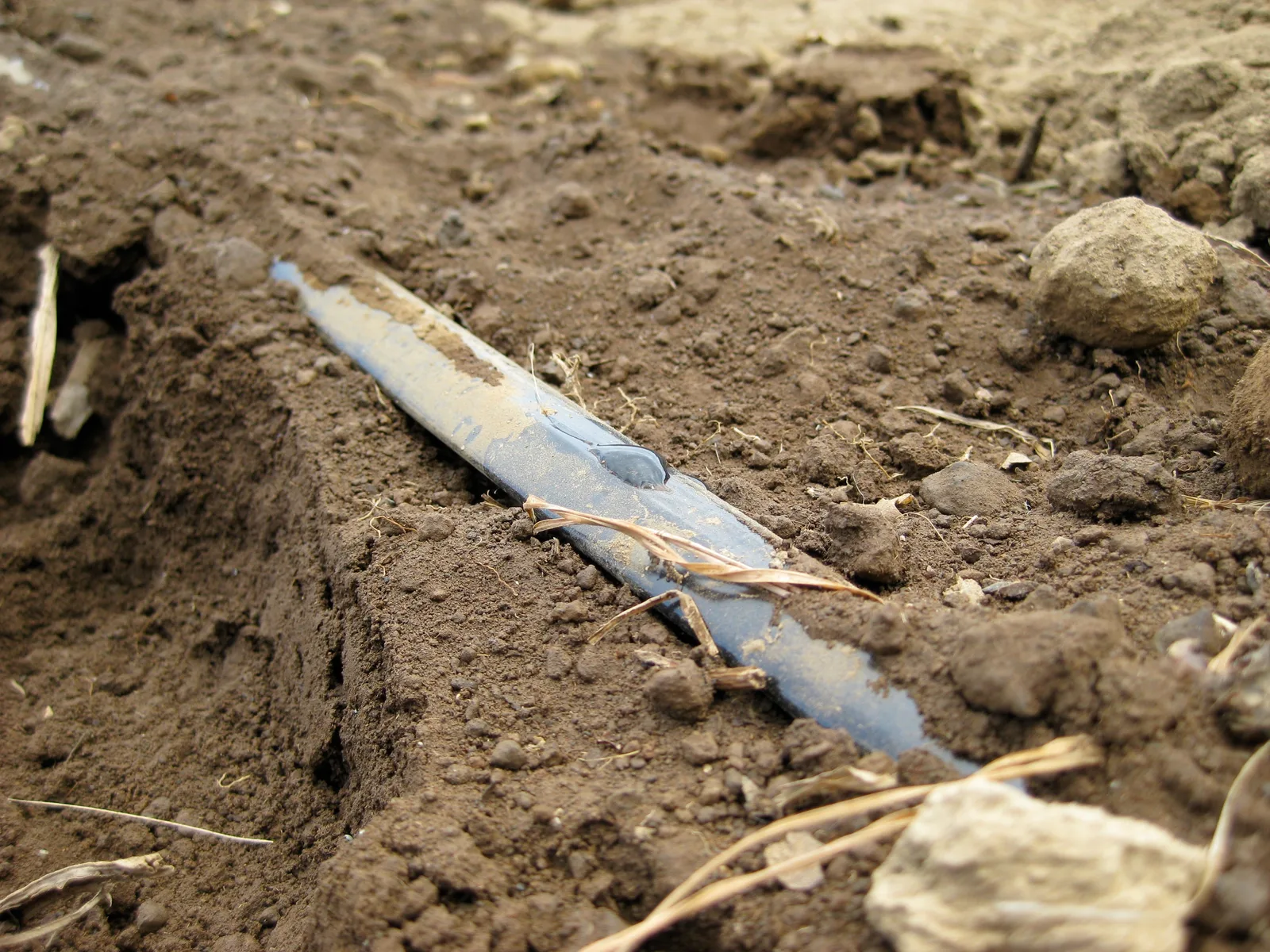
Drip tubing can reduce the effort of reaching baskets, but each outlet still needs to wet a useful area and remain secured in place. Route tubing so it does not pull on the hanger or create a trip hazard. Check pressure, emitter flow, and compatibility using the irrigation manufacturer's instructions. A timer does not know that an outlet has fallen outside the basket or that a liner has developed a dry patch.
Run the system while you are home, inspect the medium in several places, and observe runoff. Leave a manual checking routine for hot or windy periods and for anyone caring for the plants during an absence. The best hanging display is one you can maintain without acrobatics: sound support, appropriate liner and plants, visible access to the medium, complete watering, and controlled drainage. If one of those parts is missing, simplify the arrangement before automating it.
Sources & further reading
We favor university extension guidance and original product documentation. Linked sources support the specific facts cited; they do not endorse Garden Gear Atlas.
- Illinois Extension: hanging baskets
- University of Minnesota: calibrachoa
- University of Minnesota: geraniums in containers