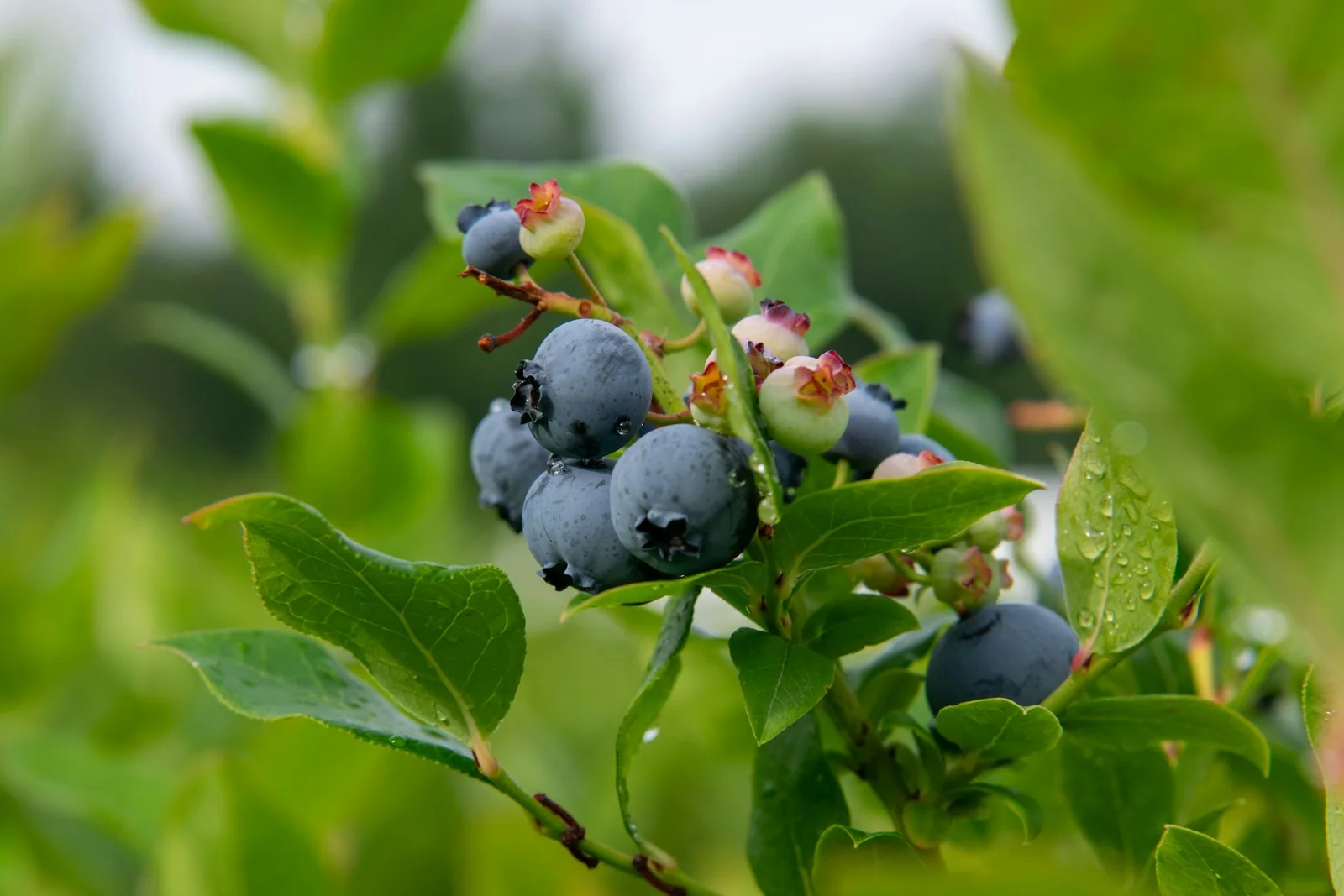
Start with the blueberry type and your actual patio
A blueberry label needs to answer more than whether the plant stays small. Record the cultivar name, blueberry type, expected mature dimensions, regional suitability, and pollination advice. A compact southern highbush plant and a compact cold-climate hybrid are different purchases even if both arrive in the same nursery pot. Ask your local extension office which documented options fit your winter conditions and growing season before comparing decorative containers.
Cold hardiness alone does not describe flowering performance. Clemson's South Carolina recommendations connect blueberry selection with winter chilling and heat tolerance; they are useful evidence of why a plant list from another region cannot automatically become your shopping list. Clemson explains blueberry types and regional selection. Use that distinction when a seller advertises a broad hardiness range without explaining the plant's type.
Stand where the mature container will sit and check the route used to water, pick, and move it. Measure the doorway and the clear space beside furniture. Two modest shrubs can need more usable floor area than their pot bases suggest. If a mature branch would cover the only walkway, choose a smaller suitable cultivar or reduce the number of plants; routine pruning should maintain a considered choice, rather than continually rescue an unsuitable one.
For an established highbush blueberry, the cane-age and renewal guide explains the later pruning decision. Confirm the blueberry type before applying that routine.
Buy root volume you can manage
For northern highbush plants, Oregon State gives a 15–20-gallon container or a half wine barrel as a useful size reference; it recommends at least 10 gallons for half-high plants. These are plant-type examples, not a rule that every young blueberry immediately needs the largest pot. Its container section connects pot volume with blueberry type. Match your starting plant and intended mature setup, and establish how you will move the final filled container.
Read dimensions as well as nominal gallons. A wide stable vessel may suit an exposed patio better than a tall narrow decorative planter with similar stated volume. Check drainage openings, whether the base can sit clear of standing water, and whether the handles are intended to carry a filled pot. An attractive outer planter must let you reach and empty collected drainage water without dragging the shrub across the floor.
For a worked buying decision, compare one suitable pot on a rated plant dolly with a heavier pot that requires two people to lift. Add the dolly footprint and threshold clearance to your measurements. If winter movement depends on help that may be unavailable, the lighter manageable system is the more practical purchase. The container calculator estimates mix quantity; it cannot establish balcony loading limits or prove that a dolly can carry your finished plant.
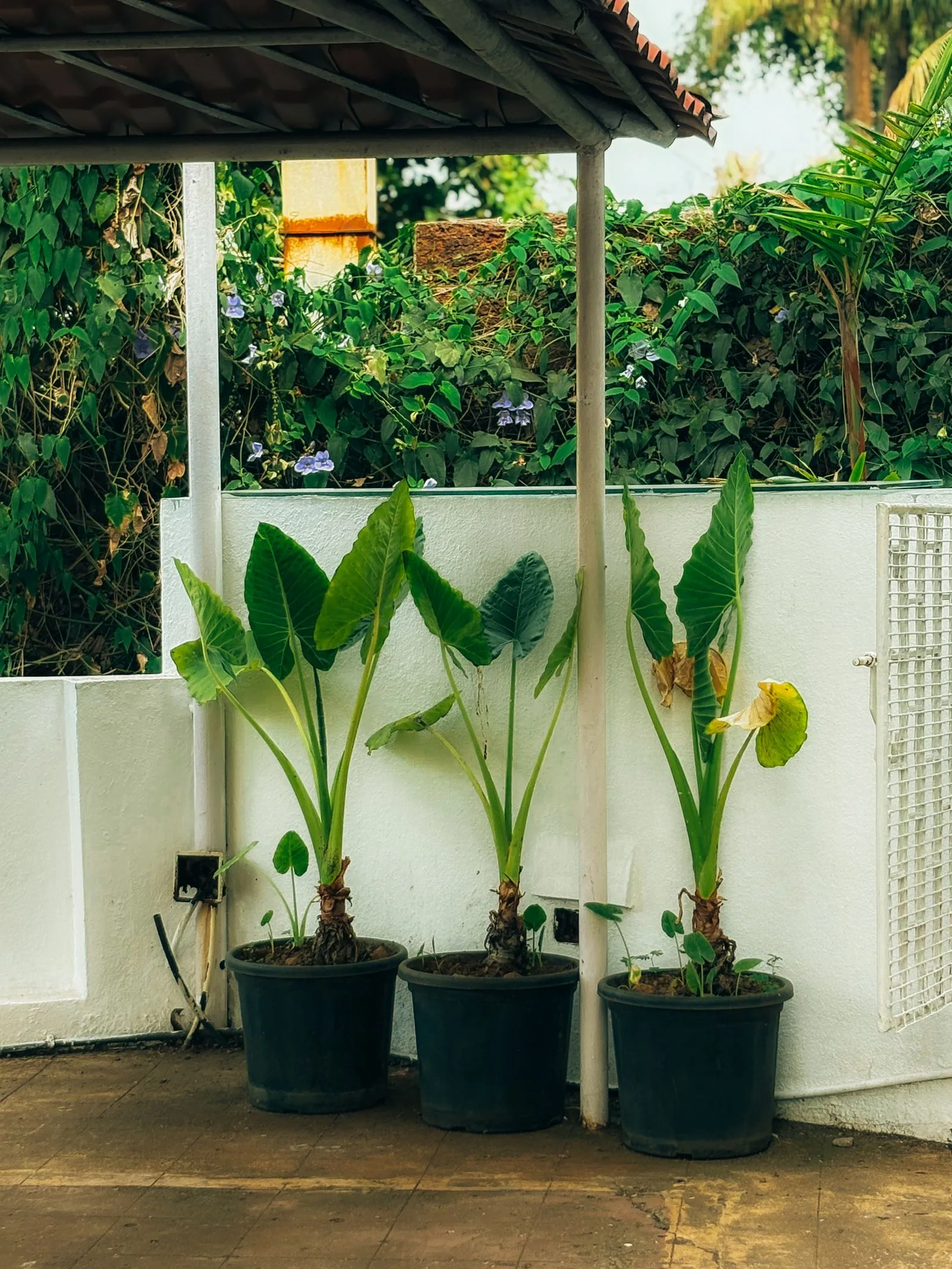
Choose blueberry mix rather than a generic rich blend
Keep a photograph of the growing-medium label before filling the pot. You want evidence that the mix is appropriate for acid-loving container plants, not simply that it contains organic ingredients. Ask the supplier about its intended pH and drainage characteristics. A generic potting mix and a compost-heavy bed mix may look similar in a bag while creating very different root conditions. Leave enough headspace to apply water without washing mix over the rim.
Blueberries need acidic conditions, but more acidity is not automatically better. Minnesota's blueberry guidance emphasizes testing and preparing the growing environment before planting. Its blueberry guide explains why the root-zone pH matters. Where the supplier cannot document the mix, ask a laboratory how to sample that container medium. Garden-soil sampling instructions and extraction methods may not be appropriate for a soilless blend.
Keep the original nursery root ball at its appropriate planting level, and check that water wets it as well as the surrounding fresh mix. Do not bury the crown while adding more material later. Label the pot with planting date and mix used. That simple record makes it possible to compare two plants without relying on memory, particularly when one pot dries differently or develops pale new leaves.
Make watering a reachable task
Set up the hose or watering can before placing the shrub permanently. Reach the actual root zone from a comfortable position, and check that runoff will not create a slippery route. Inspect moisture within the mix instead of judging only its exposed surface. A pot can look damp at the top while the original root ball remains dry, or look dry on top while its lower layers remain wet.
Test a complete watering cycle and return after drainage has finished. Note whether water entered evenly, escaped through a channel, or collected under the pot. If installing drip, observe the wetted area rather than assuming one emitter reaches the whole root system. Adjust placement before extending runtime. A timer is useful for repeating delivery, but somebody still needs to inspect the plant when weather or growth changes.
For a weekend away, write instructions for each pot using observations the helper can make: where to check moisture, how to reach the pot, and where drainage appears. Avoid a single volume copied across differently sized plants. If your water supply is suspected of pushing the mix pH upward, investigate that separately through the blueberry pH-planning guide. Repeatedly adding fertilizer to compensate for unexplained yellowing makes the diagnosis harder.
Plan flowers, picking, and protection as one season
Check the exact plant's cross-pollination recommendation and identify a compatible partner with overlapping flowering. Two pots of the same cultivar do not create two different pollen sources. Maryland lists compact blueberry choices and discusses the value of growing more than one cultivar. Its home-blueberry guidance helps connect plant choice with flowering partners. Keep the nursery labels so replacements can be selected intelligently if one plant is lost.
Arrange both plants where pollinators can reach flowers, then consider how you will protect ripening fruit later. The permanent layout should leave room for a supported cover without trapping branches against mesh. Do not enclose flowering plants in insect-excluding material simply because fruit protection will eventually be needed. Mark the change from bloom to developing fruit in your notes so protection becomes a deliberate seasonal task.
Decide what the harvest means to you before multiplying pots. If your goal is occasional fresh berries, a small manageable planting can satisfy it without creating a preservation project. Keep a picking bowl and an easy opening in any enclosure. Fruit that is awkward to reach tends to remain on the plant. A useful patio layout lets you inspect berries and remove damaged fruit without disassembling the entire protection system.
Settle the winter arrangement before the pot is full
A container exposes roots differently from an in-ground planting. Ask for a local recommendation that accounts for the cultivar, container material, pot size, and the actual shelter available. Do not treat a label's hardiness zone as a tested guarantee for exposed roots on a windy deck. Also avoid assuming that a blueberry belongs in a warm living room just because it is in a pot.
Identify the cold-season destination and rehearse moving an empty pot along that route. Decide how drainage will continue in shelter and how moisture will be checked when growth slows. If a recommendation involves insulation, make it possible to inspect the plant and pot without dismantling everything. Record the shelter's temperatures during cold spells; a garage name does not tell you whether its conditions suit your particular blueberry.
At the end of the first season, review three practical questions: did the plant fit, could you maintain moisture, and was its winter move realistic? Correct those constraints before buying another shrub. A second season with a documented, manageable setup teaches more than adding plants to a system that already demands more attention or floor space than you can provide.
Sources & further reading
We favor university extension guidance and original product documentation. Linked sources support the specific facts cited; they do not endorse Garden Gear Atlas.
- Clemson Extension: Blueberry
- Oregon State Extension: Growing blueberries in your home garden
- University of Minnesota Extension: Growing blueberries
- University of Maryland Extension: Growing blueberries