Know which highbush blueberry you are buying
Northern highbush blueberry is based on Vaccinium corymbosum. Southern highbush cultivars are complex hybrids incorporating lower-chill species such as Vaccinium darrowii. They were developed for milder winters, so a southern name is about adaptation as well as geography. A plant that grows vigorously may still flower at the wrong time for its site. Oregon State distinguishes these from rabbiteye, Vaccinium virgatum, also called Vaccinium ashei, and from lowbush and half-high blueberries. Blueberry types and cultivars.
Use the cultivar label to check winter survival, chilling, flowering and ripening. A late harvest does not automatically mean late bloom. Highbush cultivars generally set some fruit alone, but cross-pollination can improve berry size. Choose a second compatible highbush cultivar with overlapping flowers when space allows. A rabbiteye beside a highbush is not a dependable substitute for the intended pollen partner.
Think in years above ground and shallow roots below
A highbush blueberry is a woody perennial investment, not a quick seasonal crop. Standard shrubs commonly mature around 5–8 feet tall, and substantial production develops gradually as the framework grows. Leave space for the eventual canopy, a picking position and access to its base. Early fruit on a small nursery plant is not evidence that its permanent root system is ready to carry a full crop. Blueberry growth and development.
Below ground, fine roots occupy a relatively shallow zone. That makes the shrub sensitive to both drying and loss of oxygen in saturated soil. Avoid deep cultivation around established plants. Keep weed competition low without repeatedly disturbing the feeding roots. New shoots formed during the growing season also contribute to the following crop, so care must continue after the last berries are picked. A stressed late-summer shrub is already working with a handicap for next year.
Build the acidic root zone before planting
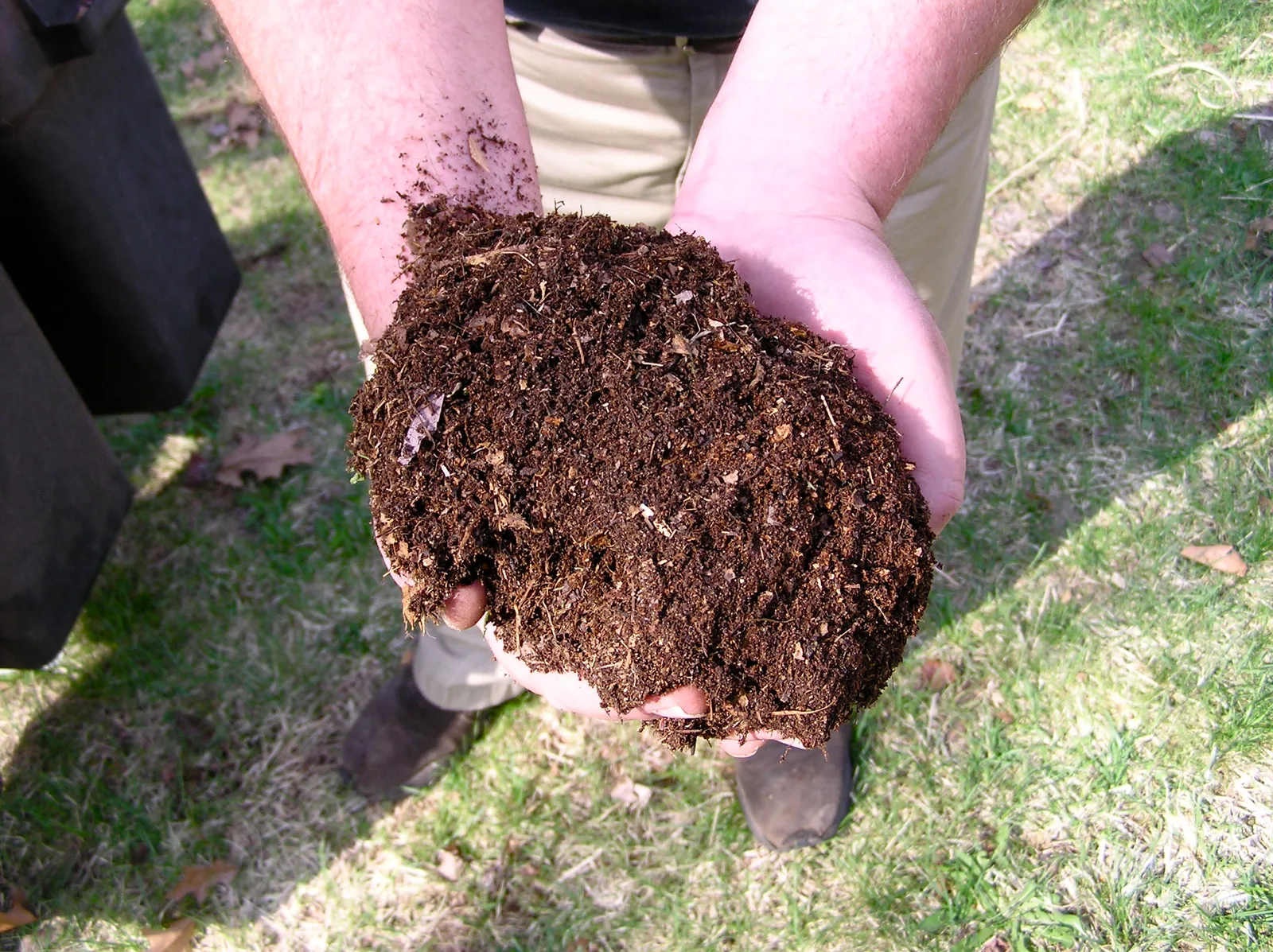
Blueberries need more acidic conditions than most vegetables and common garden fruits. A practical highbush target is around pH 4.5–5.5, subject to the local laboratory recommendation. Test the proposed bed before buying amendments. Elemental sulfur works gradually, and the required amount depends on soil properties; sprinkling an arbitrary quantity around an already struggling shrub is a poor way to establish suitable conditions. Minnesota blueberry soil guidance.
Yellow foliage can reflect poor nutrient availability at unsuitable pH, rather than a simple shortage of fertilizer. Do not keep feeding until you know the soil result. If the native soil is difficult to maintain at the required acidity, compare an intentionally filled bed with container cultivation. Use blueberry soil pH planning to assess that decision, and reading a soil test to turn the result into an amendment plan.
Establish a nursery plant with room to develop
Buy accurately named plants from a nursery that understands regional blueberry adaptation. Blueberries are propagated from cuttings to preserve cultivar characteristics; seed-grown plants do not provide the same predictable selection. Softwood and hardwood cuttings can be rooted under managed conditions, but a rooted nursery plant is the more straightforward starting point for a home fruit planting. Keep the cultivar identification with the plant so flowering, pruning and ripening observations remain useful. NC State blueberry establishment.
Choose a planting window that gives roots time to establish in workable soil without immediate heat or waterlogging. Local dormant-season recommendations differ between mild and cold regions. Prepare the whole intended rooting area rather than a richly amended pocket surrounded by unsuitable ground. Remove flowers from a weak young plant to favor establishment, and make sure the irrigation source can reach the bed before a dry spell arrives. Leave access for eventual bird protection as well as picking.
Manage moisture, mulch and container limits together
Check the soil below the mulch before watering; a wet surface can hide a dry root ball, while repeated irrigation can keep a poorly drained bed saturated. Apply water across the occupied root zone and verify where it penetrates. Drip or soaker delivery can reduce canopy wetting, but the wetting pattern still needs inspection as roots spread. Mulch helps buffer moisture and suppress weeds, provided its properties suit blueberries. Oregon State blueberry care.
Containers are conditional on cultivar, volume, drainage and winter handling. Their mix must support blueberry acidity, rather than simply carry a general-purpose potting label. Container roots dry and cool differently from roots in the ground. Fertilizer should suit blueberries and their actual growth, with local timing that avoids stimulating vulnerable late growth. The container blueberry guide develops pot sizing and winter planning; decide those together before choosing a shrub for a patio.
Renew fruiting wood without shearing away the crop
Blueberry flower buds sit near the ends of the previous season’s growth. They are noticeably plumper than leaf buds, so learn to recognize them before making cuts. Shearing the outside of the shrub can remove useful fruiting wood while leaving a crowded interior. During dormancy, remove dead, damaged and poorly placed growth, then selectively remove older, unproductive canes or branches to favor strong replacement growth. Oregon State highbush pruning.
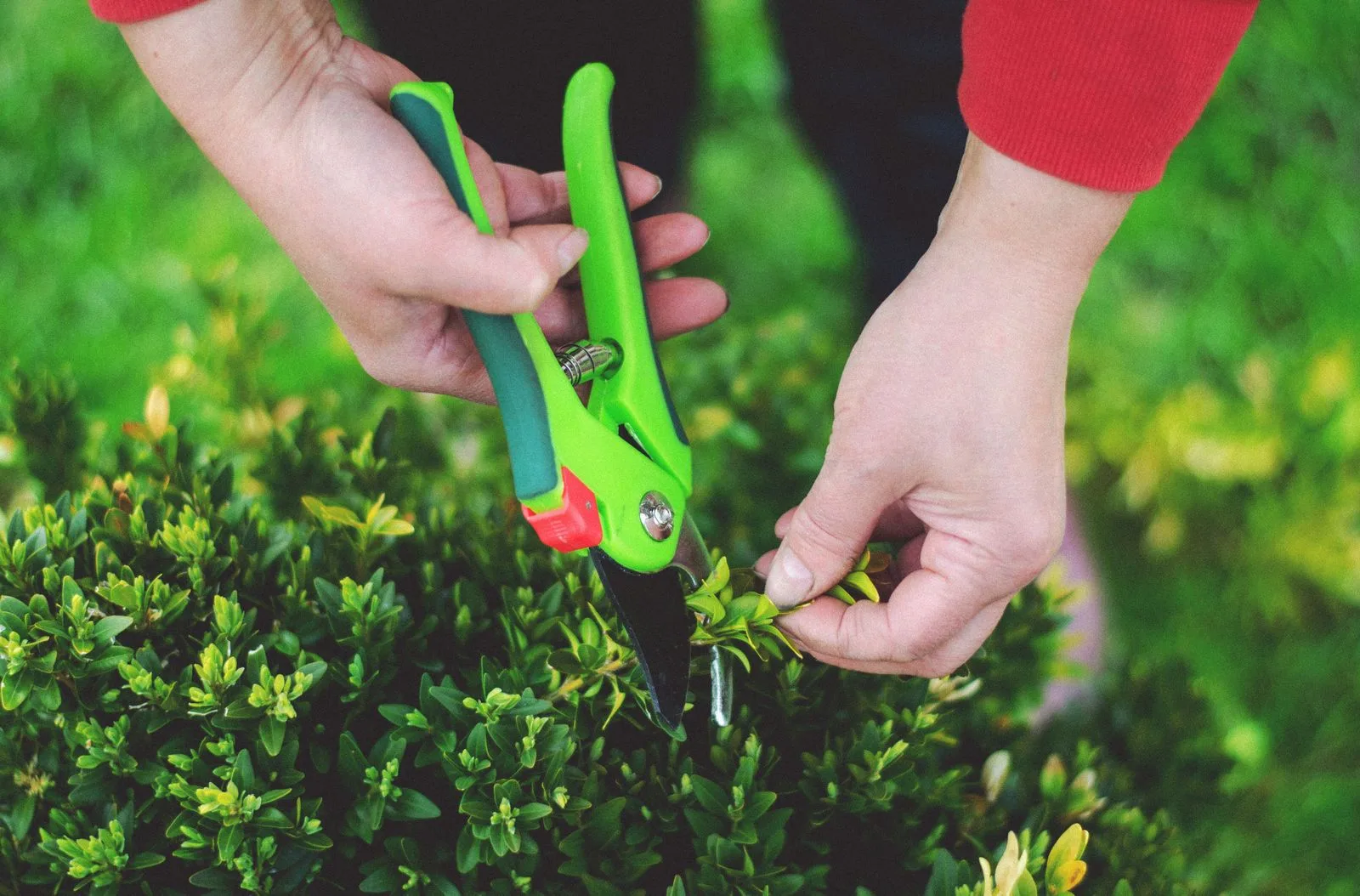
Look at productivity as well as age: a branch crowded with weak twigs is different from one carrying strong recent laterals. Remove low growth likely to rest on the ground under fruit weight. Annual moderate renewal maintains a mix of wood ages; infrequent severe cutting produces a less even cycle. Use a hand pruner for accessible stems that cut comfortably, moving to a suitable larger tool for thick old wood. The pruning tool guide explains that fit.
Read ripeness and separate root stress from lost fruit
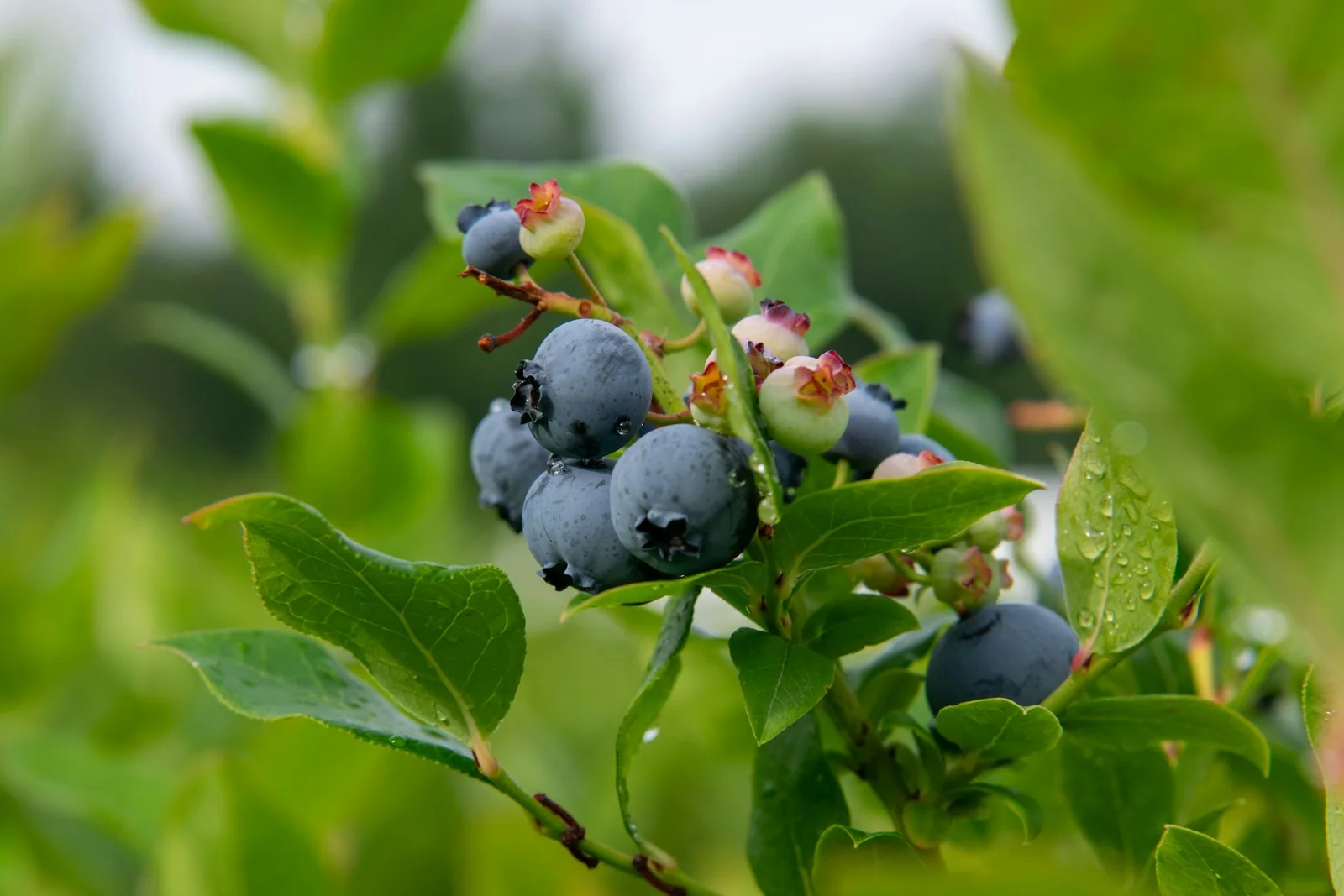
A newly blue berry is not necessarily at its best flavor. Sample sound fruit and look for berries that release readily after further ripening on the bush. Pick dry fruit, handle gently, and cool it promptly. Plan protection before birds discover the ripening crop; an open display planting can lose fruit even while the shrub remains healthy. Covers need room around the canopy and convenient access for repeated picking. Coastal blueberry harvest and problems.
Poor cropping after abundant bloom can follow frost injury or poor pollination. Weak shoots and yellow leaves instead direct attention toward pH, moisture and root health. Wilting in wet ground calls for a drainage and root investigation, not automatic extra irrigation. Soft, rotting berries require closer inspection for fruit disease or insects and prompt removal of affected fruit. Record whether damage began at bloom, during a wet period, or as berries ripened; that sequence helps a local diagnostic service distinguish causes.
Sources and scope
Research-based guidance informed by institutional references. Cultivar, region and growing conditions can change the advice. Product inclusion does not imply hands-on testing of every model.
- Oregon State: Blueberry Cultivars for the Pacific Northwest
- Oregon State: How blueberry plants develop and grow
- University of Minnesota: Growing blueberries in the home garden
- NC State: Growing Blueberries in the Home Garden
- Oregon State: Growing blueberries in your home garden
- Oregon State: Prune highbush blueberries every winter
- Oregon State: Growing Berries on the Oregon Coast: Blueberries