Begin with the next twelve months of work
A mulch that looks ideal on delivery day may become awkward when you sow another crop, divide a perennial, or repair irrigation. List the likely work in each planting area over the coming year. A vegetable bed may be replanted several times, while an established shrub border may remain largely undisturbed. Those different work patterns matter more than making every bed use the same material for visual consistency.
Mark the places where you need frequent access to bare soil, where plants will expand, and where foot traffic crosses the edge. Then rank the jobs you expect the mulch to support: reducing weed pressure, moderating surface conditions, limiting soil splash, or improving the finished appearance. No material automatically maximizes every benefit. A useful selection makes the most important work easier while leaving a manageable plan for the tradeoffs.
Match persistence to how often the soil surface changes
Iowa State distinguishes relatively durable bark and wood-chip mulches used in landscape plantings from faster-decomposing materials useful in vegetable and annual beds. It also identifies function, availability, and durability as selection criteria. Iowa State's guide to mulch materials This supports a practical comparison based on the life of the planting, rather than a rule that one material is always superior.
For a bed repeatedly opened for small-seeded crops, consider how readily the material can be moved aside and kept out of the seed row. For a mature border, consider how often it will need replenishment and whether it stays where placed during ordinary maintenance. Make a trial area if the material is unfamiliar. An inexpensive small trial can reveal whether your preferred rake, watering method, and cleanup routine work comfortably with it.
Evaluate vegetable-bed materials as part of the crop sequence
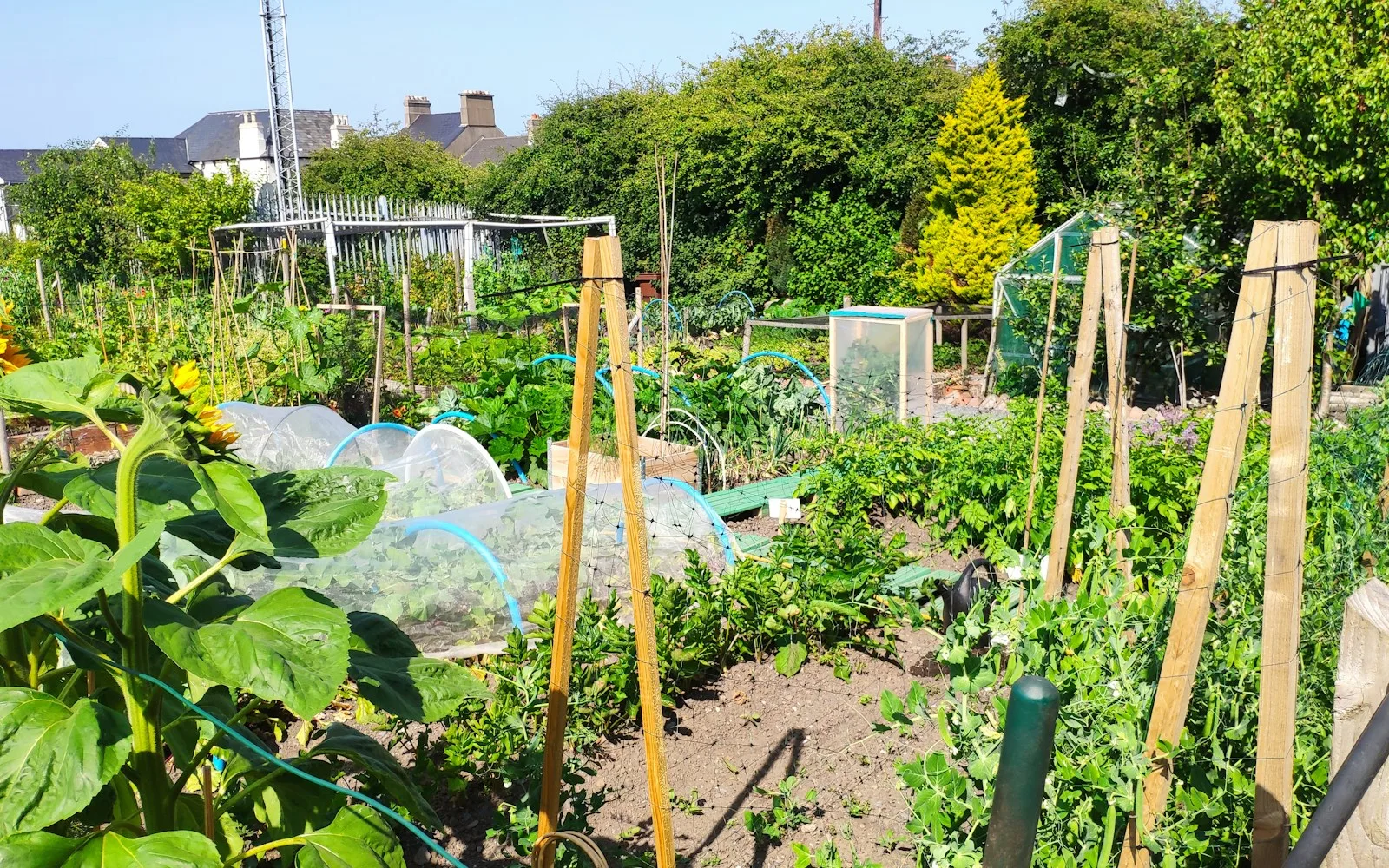
A vegetable bed carrying transplants for a long summer stretch has different access needs from a bed used for successive rows of greens. In the first case, you may be able to leave most of the surface undisturbed. In the second, repeated movement and replacement are part of the job. Draw the proposed planting bands and identify where mulch would need to be removed, rather than spreading first and discovering that the entire surface must be reopened.
Colorado State's vegetable-mulch guidance discusses material-specific management, including the tendency of fresh grass clippings to mat when applied too heavily. Colorado State: mulches for the vegetable garden Do not assume that one depth works for clippings, straw, composted leaves, and coarse bark. Select the material first, consult guidance appropriate to it, and then use the chosen depth in the coverage calculation.
Treat an ornamental border as a changing planting, too
Established ornamentals do not make mulch maintenance disappear. Stems thicken, perennials spread, plants are replaced, and leaves or previous mulch accumulate. Inspect around individual crowns and woody bases before adding another surface layer. A uniform decorative blanket can conceal uneven old material underneath. The goal is an appropriate total condition around the plants, not a matching thickness of new product delivered to every square foot.
Think about future access to valves, edging, drains, and plant labels. Avoid burying items that will need inspection. Where a border meets a lawn or paved walk, consider how the material can be retrieved if ordinary maintenance moves it across the edge. A heavier or coarser material is not automatically the answer; shape, slope, exposure, and the edging arrangement also influence the outcome. Test the troublesome transition before committing the entire order.
Ask about provenance before accepting a free load
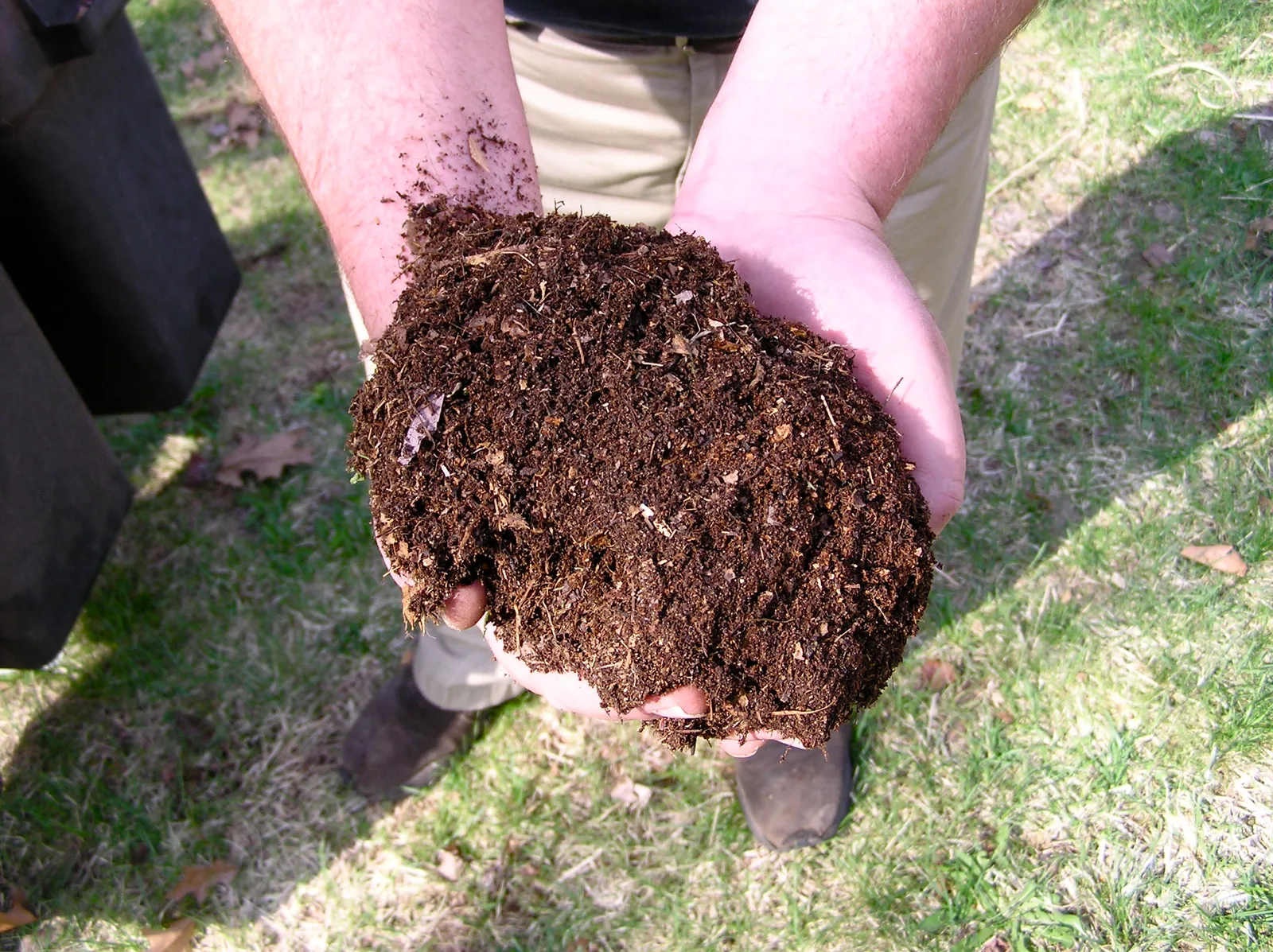
Free material still has an origin and a handling cost. Ask what it contains, where it came from, and whether relevant chemical-treatment information is available. Do not assume that straw, clippings, shredded wood, or manure-associated material is suitable merely because it looks organic. Product labels and local extension advice should guide treatment-related restrictions; a generic waiting period found elsewhere may not address the actual product involved.
Request a representative sample or inspect the load before it is spread when possible. Look for unwanted debris and ask how the supplier handles mixed inputs. Decide in advance where you would keep an unsuitable or excess delivery while arranging a resolution. A large pile in a driveway can create pressure to use material that you would otherwise reject. Provenance is easier to investigate before delivery than after fragments are distributed through several planting beds.
Check irrigation beneath the proposed surface
Mulch changes the surface you see, so watering decisions should include inspection of the soil beneath it. Florida Extension cautions that excessive accumulated mulch can intercept water before it reaches the root zone. University of Florida: mulching the vegetable garden A damp-looking mulch surface is therefore not enough evidence that the intended soil depth has been wetted.
Run the existing irrigation system before spreading and fix known leaks or blocked outlets while they remain easy to see. Mark components that will need future access. After placement, check representative locations beneath the material and adjust the watering plan using actual observations. Do not simply add a fixed number of minutes because mulch was installed. The correct response depends on the water delivery, soil, weather, plants, and resulting wetting pattern.
Measure the renewal need instead of buying the original amount again
Measure existing mulch at several points after gently moving loose leaves aside. Divide the bed into areas that need different treatment: no addition, redistribution, removal of excess, or a measured renewal. This avoids using last year's receipt as this year's order. Keep plant-clearance areas out of the treated-area estimate where practical. Irregular beds can be approximated with a few rectangles or triangles, with the assumptions written down for later comparison.
For example, if an appropriate plan calls for an additional half-inch over a measured 120-square-foot portion, the arithmetic is 120 × 0.5 ÷ 12, or 5 cubic feet. That example is an ordering illustration, not a recommended depth. A coverage calculator should accept the selected depth and show the units. It cannot identify the mulch already present or decide whether the proposed total is suitable around a particular plant.
Compare delivery options using the actual handling route
Bags may make staged work and small separate areas easier to organize. Bulk delivery may suit a larger contiguous project with a safe unloading location. Compare the route from unloading to placement, the carrier you can manage, and the time available. Include storage for leftovers and disposal or reuse of packaging. A volume-only comparison misses the work of carrying material through a narrow gate or up several steps.
For a mixed garden, you may legitimately choose different purchase formats or materials. A small vegetable bed might use a known local material in limited batches while a larger border receives a separately selected landscape mulch. Keep the records distinct so a future top-up uses the appropriate material and assumptions. Consistency in documentation is more valuable than forcing consistency in every bed's appearance or buying the largest available quantity.
Review the material after real maintenance, not just installation
After several ordinary garden tasks, ask whether the mulch met the priority you identified. Was it easy to reopen planting rows? Did irrigation remain inspectable? Were weeds manageable at the edges? Did the material stay away from crowns after watering and routine foot traffic? Note any issue specifically. A statement such as difficult to move from narrow seed rows offers a clearer next decision than a broad judgment that the material is bad.
Retain the successful parts of the plan and change the part that caused friction. You may need a different material in one small zone, a revised renewal amount, or a better edge detail rather than replacing everything. Reassess before the next purchase because the planting itself may have changed. The best mulch choice is the one whose maintenance requirements remain compatible with the garden you actually have, including the work you are willing and able to do.
Sources & further reading
We favor university extension guidance and original product documentation. Linked sources support the specific facts cited; they do not endorse Garden Gear Atlas.
- Iowa State University Extension — Using Mulch in the Garden
- Colorado State University Extension — Mulches for the Vegetable Garden
- University of Florida IFAS — Mulching Your Vegetable Garden