Distinguish hairy alumroot from the entire heuchera aisle
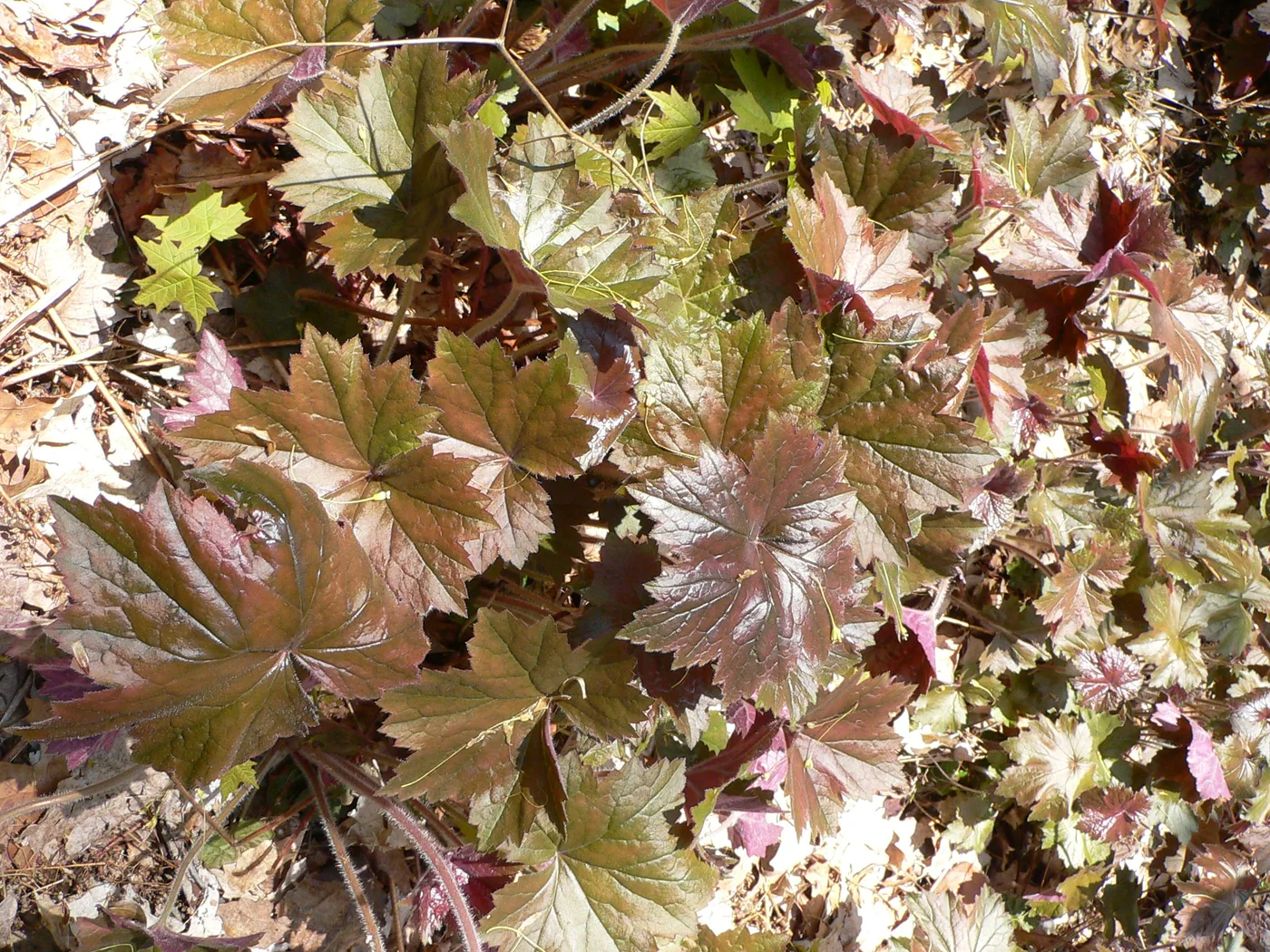
Heuchera villosa is an eastern United States perennial associated with wooded rocky sites. Its name refers to soft hairs, a useful clue to its textured character. NC State Extension: Heuchera villosa
A plant sold as coral bells may belong to another species or a hybrid combination. A label mentioning villosa parentage does not make the plant a pure H. villosa selection. Preserve the full name when comparing plants, especially if your goal includes regional native planting rather than foliage color alone. The horticultural choice and the ecological objective deserve separate checks.
Begin with the role you need filled. Hairy alumroot can contribute a substantial leaf mound and an airy flower layer, while a compact hybrid may be intended for a smaller container. Compare the actual leaf mound with the available bed width. Do not let a general category label substitute for mature dimensions and a cultivar-specific care description.
Use regional trials as evidence with boundaries
Mt. Cuba Center evaluated heuchera cultivars derived from H. americana and H. villosa in its 2012–2014 Mid-Atlantic trial. The evaluation considered habit, vigor, flowers, sun response, and resistance to problems. Mt. Cuba Center: heuchera trial
A trial gives you questions to bring to the nursery. Was the plant assessed in a climate similar to yours? Was the reported size measured after establishment? Did it keep its appearance through the difficult part of summer? These details are more useful than simply knowing a selection received a high score.
For a region very different from the trial site, use the result as a starting point for local comparison. Buy a manageable number first and keep a record through your own stressful season. A choice that succeeds in a sheltered Delaware trial position still needs a suitable place in a hotter, drier, windier, or wetter garden.
Allow flowering height without crowding the leaf mound
Mt. Cuba's ‘Bronze Wave’ trial recorded a foliage mound about 18 inches high and 38 inches wide, with flower height around 30 inches. That cultivar-specific result illustrates why a generic species width is insufficient for every purchase. Mt. Cuba Center: Bronze Wave trial
Measure both the bed opening and the view you want to preserve. A flower layer can rise above neighboring foliage without the leaf mound needing to occupy the same space. Leave enough room at the base that neighboring plants do not cover the crown. Check whether the summer flower stems will lean into a walkway or remain comfortably within the bed.
If the intended position is small, choose a plant documented to fit rather than assuming regular cutting will keep any heuchera compact. Crowding creates inspection and watering problems as well as a visual mismatch. A wider opening elsewhere may let the same plant contribute more with less intervention.
Choose a site for the difficult afternoon
In Mt. Cuba's trial, ‘Bronze Wave’ showed substantial bleaching and burning in full sun and was recommended for partial to full shade. This is evidence for that cultivar under those trial conditions. Mt. Cuba Center: Bronze Wave trial
Observe the proposed site when summer exposure is strongest. Morning inspection alone can miss a long period of reflected afternoon heat. Note changes caused by pruning a nearby shrub or removing a tree; a plant's light conditions can change even when its crown stays in the same place.
When a plant becomes unattractive, compare exposed and protected leaves before assuming that it needs feeding. If the injury aligns with the site's harshest exposure, a more sheltered position is a reasonable option to assess. Do not use the phrase heat tolerant to dismiss what the plant in front of you is showing. Tolerance is useful only when translated into a sustainable place and care routine.
Set the crown where you can continue to see it
Vermont Extension advises planting heuchera at its previous soil level and watering it during establishment. It also describes winter freeze-and-thaw cycles lifting shallow-rooted plants, with replanting in workable spring soil when needed. Vermont Extension: heuchera
Before setting the plant, locate the junction of leaves, stems, and roots. After backfilling and watering, check the level again. Keep mulch around the root area without hiding that junction. Take a close photograph at planting so a later comparison can distinguish a change in soil level from the appearance of older stems.
A crown that looks high months later deserves inspection, not an automatic shovel of soil over the whole plant. Soil movement, winter lifting, and an aging plant can create different situations. The crown-depth and summer-stress guide helps decide when to clear mulch, reset a sound plant, improve a site, or seek diagnosis.
Choose companions that leave the crown accessible
Arrange neighboring plants by their eventual behavior. A trailing groundcover may look attractive at purchase but later weave through the alumroot's base. Give vigorous neighbors a defined boundary and maintain it before the foliage becomes interlocked. That keeps watering and inspection possible without repeatedly disturbing the plant.
Consider separate pots when companions need different moisture management or when the bed is heavily occupied by tree roots. A pot allows individual access, but it also becomes your responsibility through hot spells and winter weather. Use the container drainage guide before choosing a decorative vessel.
The most useful extra item may be a durable plant marker. It preserves the distinction between a species, a named species selection, and a hybrid after labels fade. Keep the marker outside the crown and write a separate record of where each plant sits. Identification becomes difficult when several foliage colors change through the season.
Retain useful foliage and remove specific problems
RHS advises selective removal of dead or untidy leaves and notes that older heucheras can become woody and sparse. It recommends keeping mulch away from the crown and checking for plants lifted over winter. RHS: growing heuchera
Use those observations to plan small interventions. If only a few outer leaves are untidy, remove those individually and reassess the remaining plant. If the entire mound is thinning, inspect the base and growing conditions before treating the job as ordinary grooming. Cutting away the evidence too early can make a recurring problem harder to understand.
Keep changes traceable. Record whether you cleared mulch, adjusted watering, moved the plant, or divided it, then watch the next growth. If several interventions are necessary, note their dates. This is especially useful when comparing cultivars: a plant that looks good only after repeated rescue work may be a weaker fit for your garden than one needing occasional selective cleanup.
Renew only when there is a clear benefit
RHS describes division of mature heucheras using vigorous outer sections with roots, while discarding an old woody center. RHS: growing heuchera
Decide where renewed pieces will grow before lifting the clump. Set aside enough space and attention for them to establish instead of treating every fragment as a plant that must be saved. A few sound divisions with clear destinations are more useful than a large collection left in temporary pots through stressful weather.
For a planting intended to read as one repeated foliage mass, compare the timing of renewal across the group. You may prefer to work in stages so the bed retains structure. For an individual specimen, replacing it with an appropriately sized purchased plant may fit your time better than division. Neither choice should be automatic.
At season's end, judge the plant by foliage quality, crown stability, flowering value, and effort required. Keep successful combinations and change the specific conditions that repeatedly caused work. Avoid interpreting one disappointing summer as proof that every heuchera is unsuitable.
Sources and scope
Research-based guidance informed by institutional references. Cultivar, region and growing conditions can change the advice. Product inclusion does not imply hands-on testing of every model.