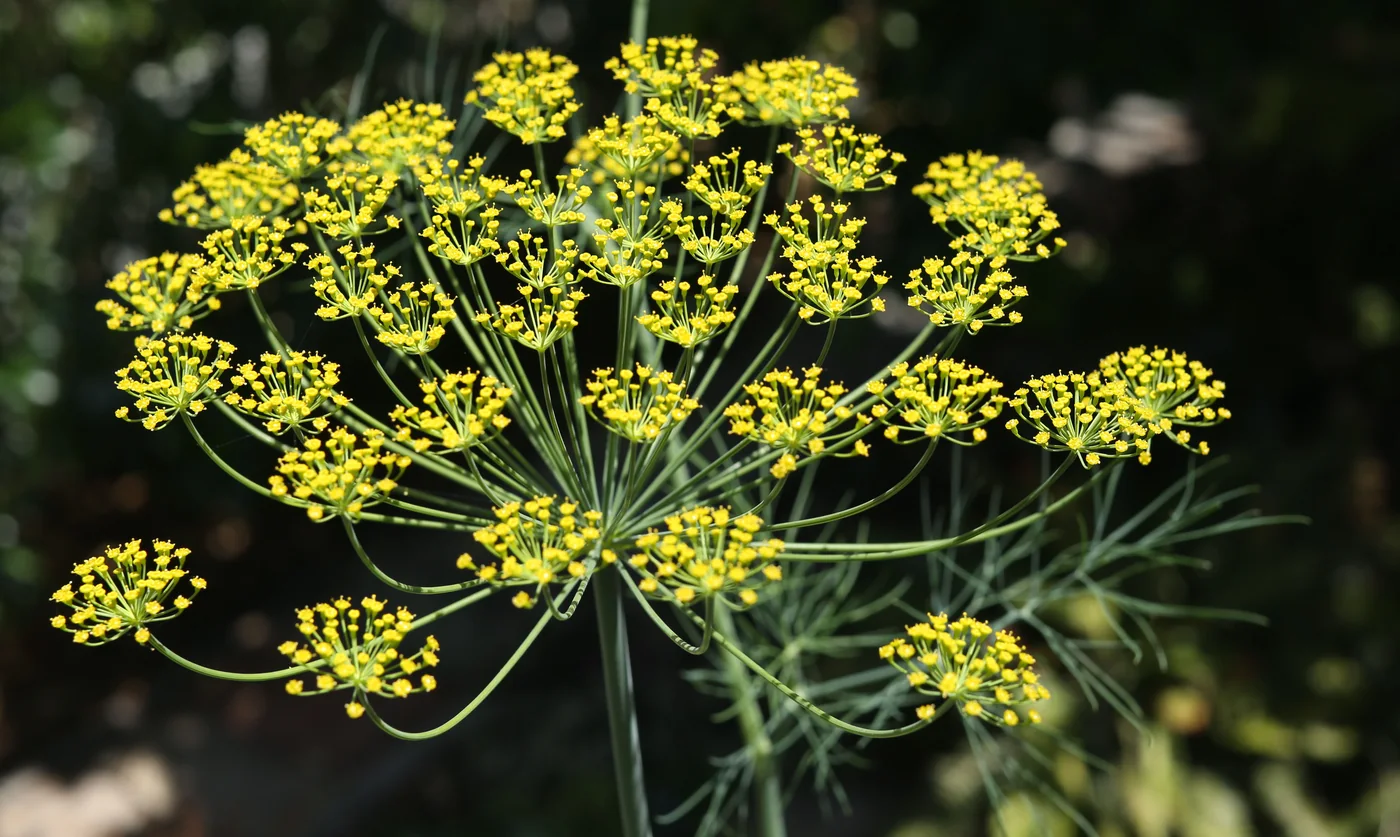
Name the harvest before choosing the variety
Dill weed means the leafy herb; mature dill seed is a different kitchen product. Utah State also describes the flowers and stems as edible. These uses come from Anethum graveolens, but they occupy different points in its development and should not be assigned one interchangeable harvest date. Utah State Extension: dill
Look at the recipe you want to supply. If it calls for fresh chopped leaves, a plant covered in seedheads is not the same inventory. If it calls for heads or mature seeds, frequent leaf cutting alone will not tell you when that ingredient is ready. Put the intended product on the plant marker so the purpose stays clear to everyone harvesting.
For a first planting, choose one main purpose and treat the others as optional. A leaf crop can provide an introduction without obliging you to keep every stem until seed maturity. Conversely, one clearly marked seed group can remain untouched while nearby younger plants provide leaves. The dill harvest and succession guide turns those choices into a workable schedule.
Fit the mature plant to the available airspace
Illinois lists compact cultivars including Fernleaf, Ella and Monia. Utah State identifies Dukat and Tetra as choices for slower bolting and foliage. These are useful selection traits, but neither compact growth nor a slow-bolting label removes the annual life cycle. Illinois Extension: dill Utah State Extension: dill
Measure the height available above the final pot. A windowsill beneath a shelf and an open raised bed pose different restrictions even when their floor areas match. Allow access around the plant at the stage you intend to keep it. A tall seedhead leaning over a walkway can become inconvenient long before the root space seems crowded.
If comparing cultivars, give each its own label and record why it was bought. Do not judge a compact leaf type by whether it produces the same long flowering stems as a tall type. Compare it with the intended job: convenient leaf picking, a particular flower stage or mature seed collection. This prevents an attractive but unsuitable plant becoming the default for another year.
Prefer a sowing position you can leave undisturbed
Dill’s taproot makes direct sowing the straightforward choice. RHS guidance also allows young transplants, moved promptly before a long taproot develops and with minimal root disturbance. That is a qualified option for young plants, not a recommendation to repeatedly move an established flowering dill. RHS: growing dill
Prepare the final patch before opening the packet. Remove the confusion of several unnamed sowings sharing one space: mark the boundaries, label the date and keep the next batch separate. If emergence disappoints, a new marked patch provides a clearer trial than adding another layer of seed over the first without recording it.
When buying a transplant, inspect the plant’s stage as well as its foliage color. A small plant already extending a flower stem may have less leafy time ahead than its pot size suggests. Ask when it was raised, choose manageable young stock and plant promptly. If your only goal is a near-term garnish, acknowledge that a purchased pot may be a short harvest rather than a season-long supply.
Match the growing window to the garden
UF/IFAS treats dill as a useful Florida herb for leaves and seeds and identifies Long Island Mammoth as a regional choice. It also recognizes dill as a black swallowtail host plant. A recommendation tied to Florida should stay attached to that location when used elsewhere. UF/IFAS: dill in Florida
In your own climate, identify the period when seedlings can establish and you can maintain them. Look ahead to the likely conditions at flowering if seed is the goal. A late sowing that could provide a few leaves may not have enough suitable season left to finish a seed crop. Make that distinction before reserving space for the full plant.
Use a small observation record instead of a universal annual calendar: sowing date, first usable leaves and first flower development. Keep notes about unusual weather beside those stages. Over several batches, you can see whether the useful window is widening, narrowing or already closed, then decide when the next sowing would still earn its place.
Give a container depth and a watering route
RHS suggests a pot at least 30 cm, or 12 inches, wide and deep for container dill, with compact varieties being particularly suitable. That provides a practical starting point; confirm the selected cultivar and how many plants the container will hold. RHS: growing dill
Look inside the pot before buying. A tall decorative vessel with a shallow insert does not offer the depth its outside appearance suggests. Account for the base, taper and headspace when estimating usable volume. Use the container soil calculator for the amount of mix once you have actual internal measurements.
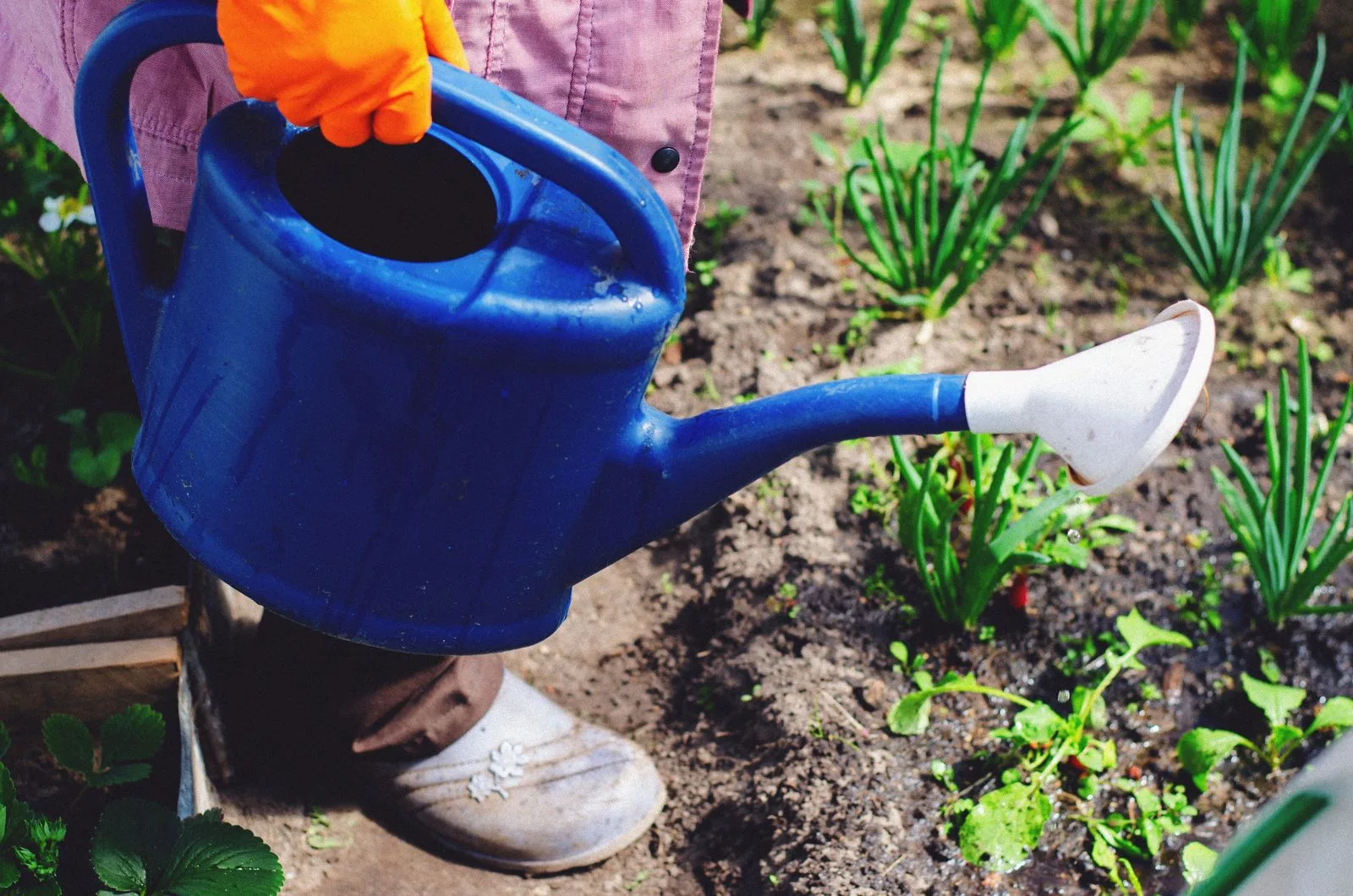
Set the pot where you can water the medium and inspect runoff without bending the stems out of the way. A container that must be dragged through a doorway at every watering quickly becomes a poor match for tall dill. If frequent moves are unavoidable, consider a compact selection or change the growing arrangement before the plant reaches its full height.
Keep the seedbed and the tall crop visible
NC State notes that shade and excess water can contribute to lanky growth, while strong wind can make support important. A leaning stem should prompt a check of light, moisture and exposure before it is treated as a simple shortage of stakes. NC State: dill
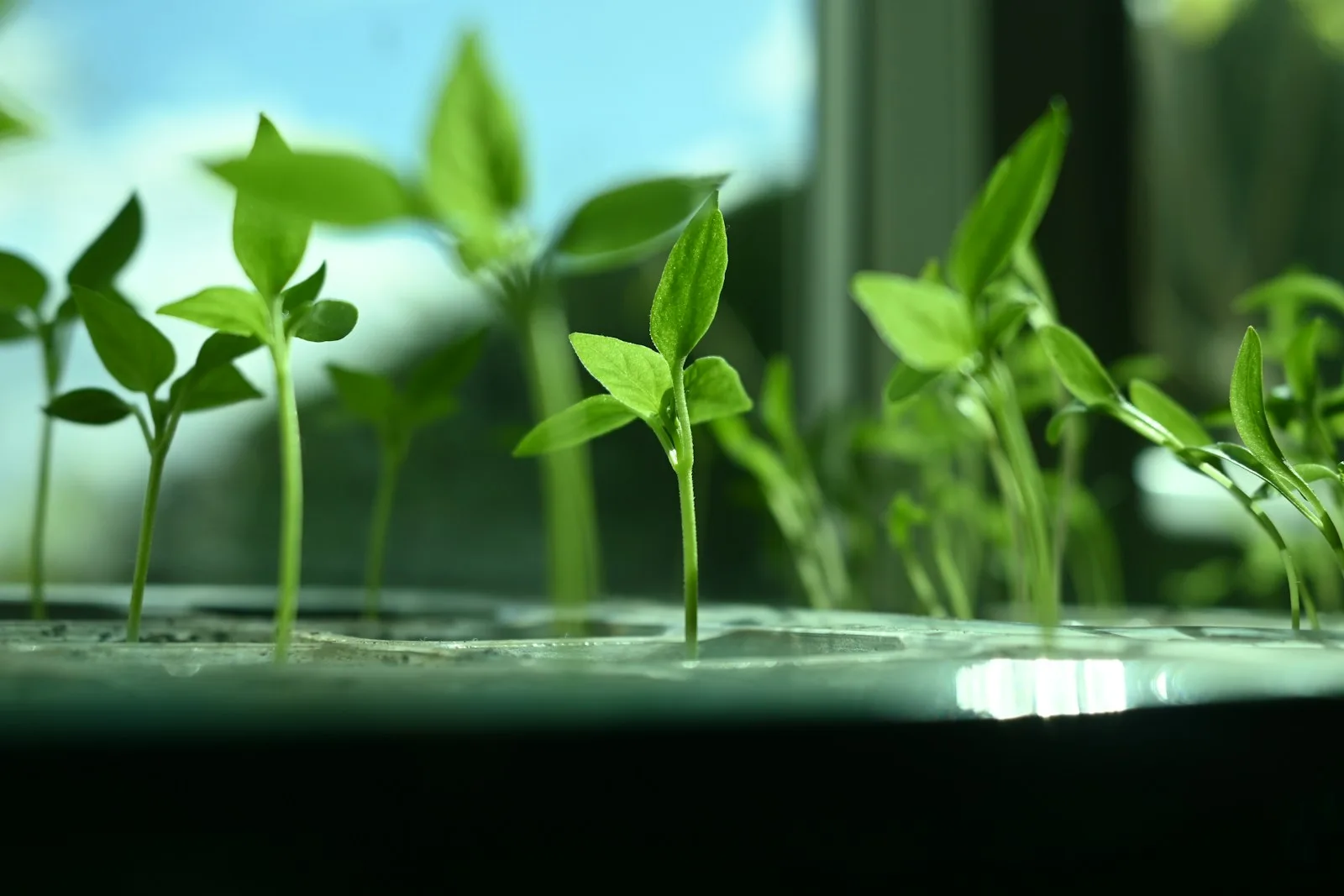
Inspect the young patch while plants are still easy to distinguish. Give retained seedlings the spacing called for by their cultivar and purpose. Do not leave a dense emergence untouched simply because removing seedlings feels wasteful. Count the mature plants the space can accommodate, then decide which seedlings will be retained.
If a plant becomes discolored or collapses, note whether the change affects one stem, the entire group or several sowings. Check moisture and look for visible damage before changing the whole watering routine. Keep a photo that includes the stem base and surrounding planting. A close-up of one yellow leaf rarely shows enough of the growing situation to resolve the cause.
Keep flowering plants only for a stated purpose
Illinois notes that leaf production declines after flowering begins and recommends repeated sowings for a fresh supply. Utah State gives an approximately six-week first-harvest expectation. Treat that timing as a planning reference, with actual leaf growth deciding when a small plant can spare a cut. Illinois Extension: dill Utah State Extension: dill
Harvest a useful meal-sized quantity and leave a functioning plant when continued growth is wanted. Keep the leaf basket separate from material removed during thinning or cleanup. Clean small snips help select the intended pieces without tugging surrounding stems, but the size of your harvest must still fit the plant in front of you.
Choose deliberately which plants remain for flowers, insects or seeds. If caterpillars appear, identify them before deciding what to do, and consider whether some of the crop can be shared. Keep that group separate from the leaf supply in your planning. A garden can serve both purposes more comfortably when it has not promised every leaf to the kitchen.
Close one batch before opening the next
When an older sowing reaches its chosen endpoint, record what you used: fresh portions, flowerheads, mature seeds or simply an enjoyable display. Clear only the area no longer needed. A labeled retained seed plant should not be removed because a nearby leaf batch has finished, and a spent plant need not remain solely because it is still standing.
Before allowing seed to fall, decide whether volunteer plants will be welcome and recognizable. Keep packet identity and garden labels through cleanup, then use the seed-saving guide if you plan to retain seed for sowing. A jar of kitchen spice and a recorded seed lot have different purposes.
Review how much dill your kitchen used while each batch was at its best. If most leaves remained untouched, reduce the next sowing. If you repeatedly ran out before replacements were ready, change the overlap or number of suitable growing positions. The goal is an appropriately timed supply, rather than the largest possible forest of feathery foliage.
Sources and scope
Research-based guidance informed by institutional references. Cultivar, region and growing conditions can change the advice. Product inclusion does not imply hands-on testing of every model.
.jpg)