Match the fruit form to your cooking and space
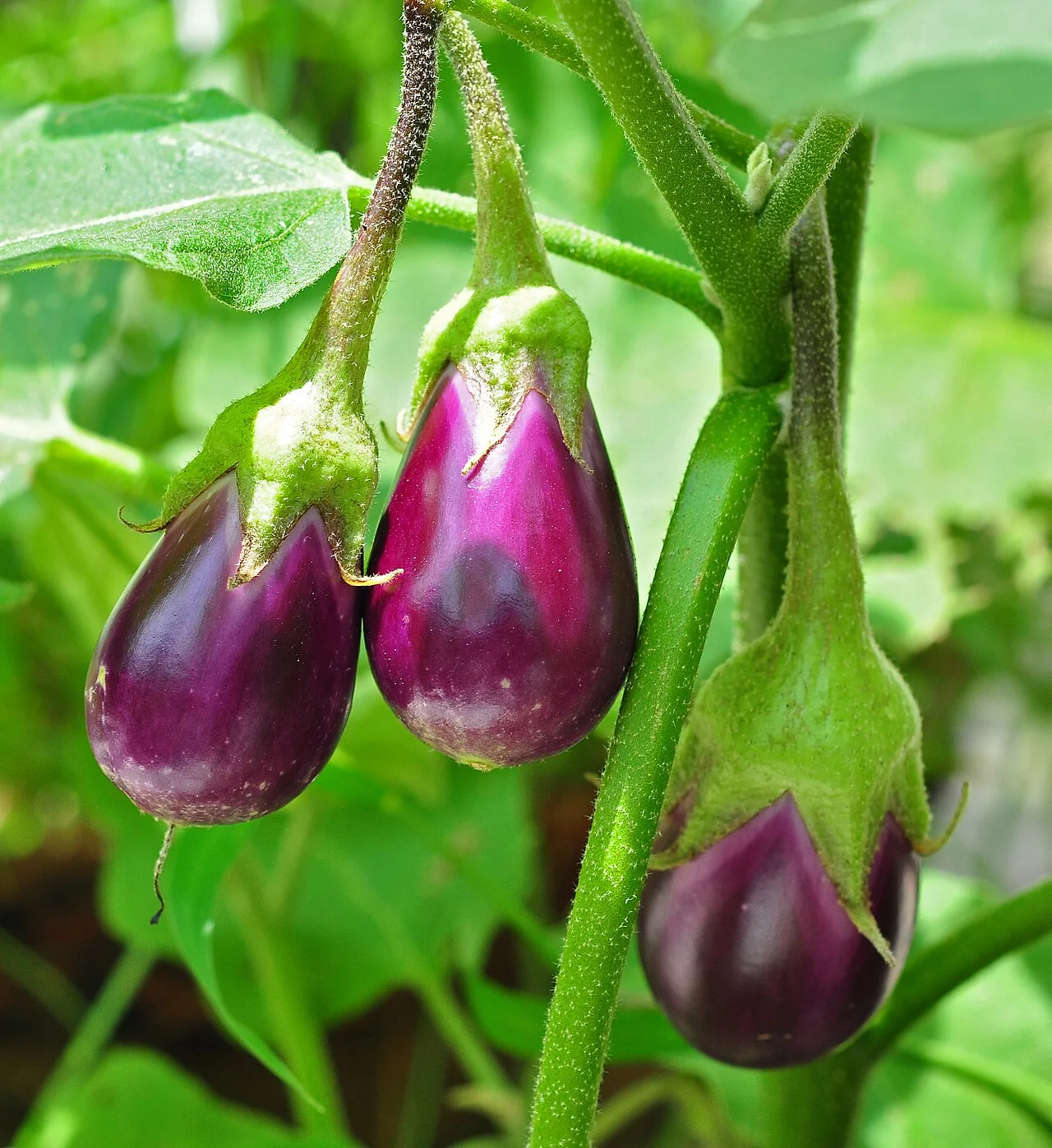
Eggplant is a member of the nightshade family, related to tomatoes, peppers and potatoes. Its edible fruit comes in many shapes and colors: long and slender, small and oval, broad and rounded, purple, white, green or striped. NC State describes it as a branching plant, sometimes with prickles on stems and leaves. NC State Extension Plant Toolbox: Solanum melongena Fruit color is therefore not a universal test of ripeness.
Choose a cultivar by what you want to cook and how much fruit you can use at once. Small fruits can suit quick meals, while larger fruits may suit slicing or stuffing. Compare days to first harvest and mature plant dimensions separately. A small-fruited cultivar is not necessarily a dwarf plant. Keep the nursery label so the first harvest can be compared with the intended shape and size. For a first season, one or two well-placed plants provide clearer information than a crowded collection with different requirements and no room to inspect them.
Make warmth the planting gate
Minnesota Extension recommends starting seeds around eight weeks before outdoor planting and waiting until night lows remain above 50°F. University of Minnesota Extension: Growing eggplant Use that threshold with your local frost outlook and soil conditions. Do not rush eggplant into the ground simply because the garden center has plants for sale or another warm-season crop appears comfortable.
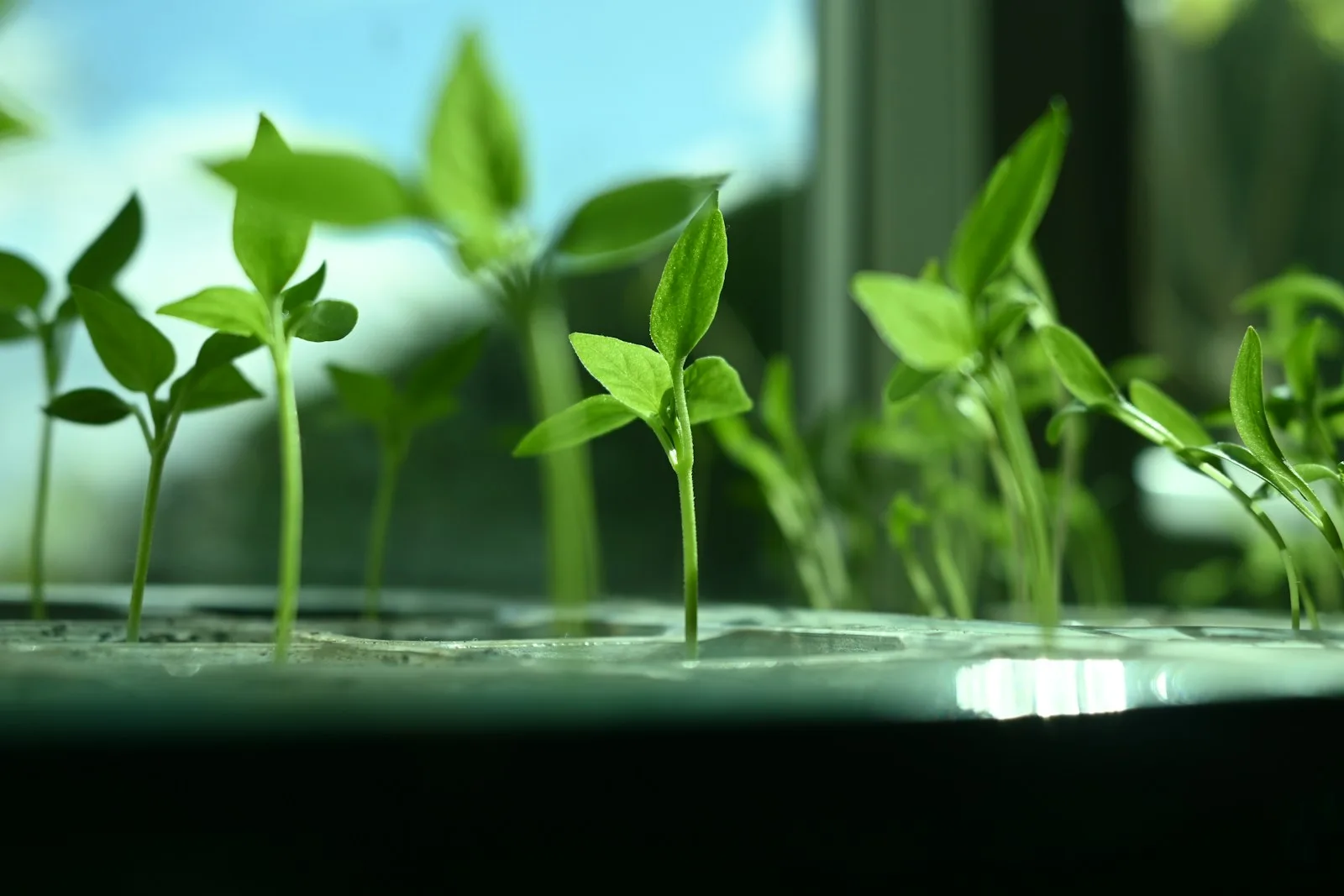
If the planting date is still uncertain, choose transplants with a sturdy stem, sound leaves and a root system that has room to grow. Gradually expose indoor-grown plants to outdoor conditions. Keep a waiting plant in active growth with suitable light and water; if its cell has become restrictive, a larger pot may be necessary. Seed starting is an option for cultivar choice, not a requirement for success. Buying a healthy, locally suitable transplant can simplify the schedule when you cannot provide a warm germination space and bright seedling light.
Choose a bed or a container you can manage all summer
Illinois Extension identifies smaller-fruited types as useful container candidates and gives roughly 18–24 inches between garden plants, with wider access between rows. Illinois Extension: Eggplant Match the container to the plant’s ultimate root demand and canopy, not to its current nursery pot. A pot that looks generous in spring can dry quickly once a leafy plant carries several fruits.
Choose a substantial container with drainage and leave room to reach the surface for watering. If you are comparing fabric pots, include their drying behavior and the exposed site in the decision. The container calculator estimates volume, while the hot-weather watering guide helps evaluate the daily routine. Consider where the pot will stay when wet and heavy. Position supports while planting, and keep the mature canopy out of a narrow path. Moving a fruiting plant repeatedly to chase sun or shade can turn a simple container crop into an awkward daily task.
If testing a patio position, observe it through a full day before filling the pot. A wall can create a very different afternoon exposure from an open bed nearby. Keep enough clearance to inspect the back of the plant and operate its support without scraping fruit against masonry or furniture.
Build growth without creating a permanently wet root zone
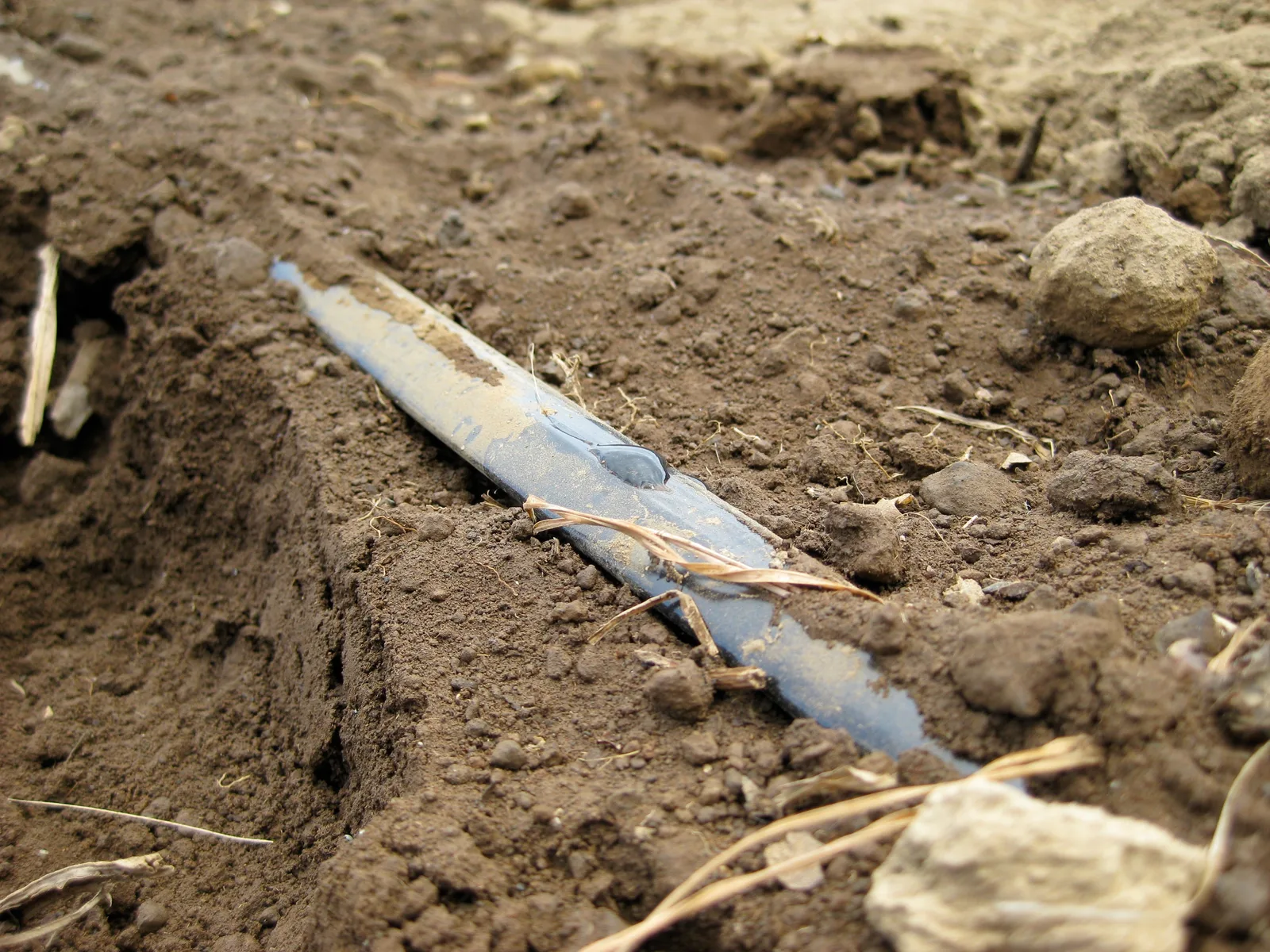
Utah State recommends soil testing, avoiding excessive fertilization and watering into the root zone; it cautions that irregular watering can produce poor fruit texture or root problems. Utah State University Extension: Eggplant in the garden Check the moisture where the plant is rooted before increasing either fertilizer or water. A blocked emitter and a saturated pot can both lead to an unproductive plant, but they need opposite irrigation responses.
For a bed, inspect near the plant and between water outlets. For a pot, check whether water wets the growing medium throughout rather than running down a gap at the rim. Count recent rain before resetting a timer. Keep a record when growth stalls so you can connect the symptom to a cold spell, heat wave or missed irrigation. Retain healthy foliage around developing fruit and avoid pruning simply to expose a tidy framework. As conditions change, reassess any warming cover or mulch strategy used during establishment.
Support branching plants and inspect the young foliage
Maryland Extension recommends a cage or trellis to prevent lodging. University of Maryland Extension: Growing eggplant An eggplant does not climb its support, so the structure must contain or hold the stems without forcing them into sharp bends. Leave openings for harvesting and add loose ties where needed. Inspect ties as stems thicken and fruit loads increase.
Flea beetles can make tiny holes in eggplant leaves, with young plants especially vulnerable, according to Illinois Extension. Illinois Extension: Eggplant Check the underside and surface of new leaves during watering visits. Compare whether damage is continuing with whether the plant is producing vigorous replacement growth. Use a photograph to document an uncertain insect rather than treating every hole identically. If protective mesh or row cover is used during establishment, inspect beneath it and monitor warmth. The heat and support guide connects those checks with flowering, fruit load and changing summer conditions.
Pick for tenderness and learn your cultivar’s harvest stage
Harvest eggplant before full seed maturity. Glossy skin, the cultivar’s expected edible form and good kitchen texture are more useful together than a single fixed length. Utah State describes glossy, smooth-skinned fruits as harvest candidates. Utah State University Extension: Eggplant in the garden Cut the stem cleanly while supporting the fruit, avoiding a tug that tears a branch.
On the first picking, cut one fruit open and note its tenderness and seed development. Use that result to decide whether the next batch should be taken smaller or slightly later. Keep harvested fruit shaded and use it promptly; eggplant is not a long-storage crop. Do not eat the leaves or stems. At season’s end, record the first useful harvest date, the support that worked and whether fruit production fit the available warm period. Those observations tell you whether next year needs an earlier cultivar, a sunnier position, a different watering setup or simply fewer plants.
Sources and scope
Research-based guidance informed by institutional references. Cultivar, region and growing conditions can change the advice. Product inclusion does not imply hands-on testing of every model.
.JPG)