Choose the part of the crop you want to eat
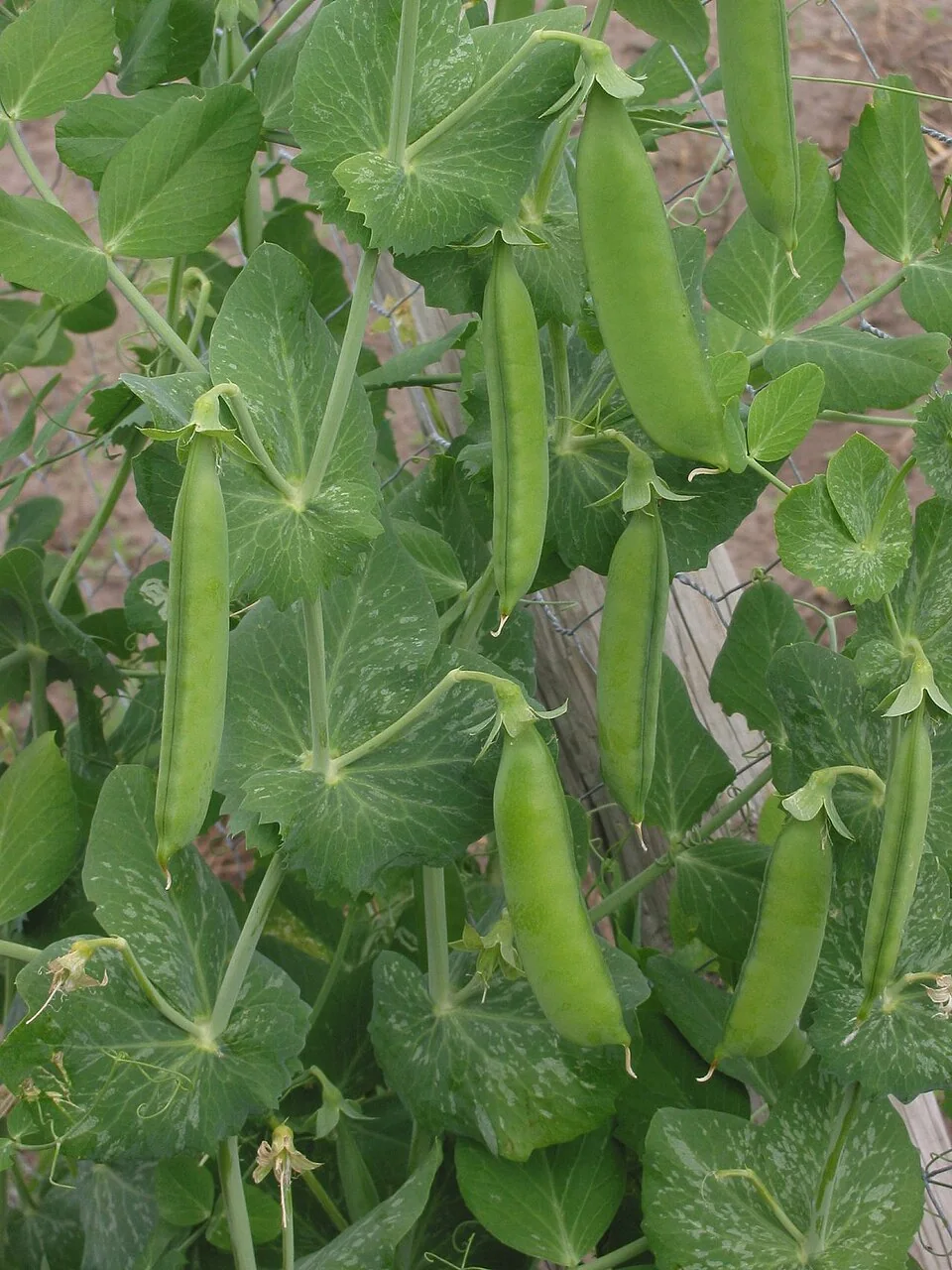
Garden pea here refers to the edible species Pisum sativum, including three common kitchen forms. Shelling peas are grown for the seeds inside pods that are removed; snow peas for flat edible pods; snap peas for fleshy edible pods and their developing seeds. Illinois Extension distinguishes these from Southern peas or cowpeas, a different warm-season crop. Illinois Extension: Peas Read the packet carefully when a common name simply says peas.
Choose the form your household actually uses. Shelling a large harvest takes time and gives less edible volume than the unshelled basket suggests. Snow pods suit a harvest routine that catches them before seeds swell. Snap peas need regular checks to retain the texture you want. Avoid mixing labels in one row unless you can identify each variety at harvest. A few clear markers can prevent the frustrating discovery that pods you expected to eat whole are actually fibrous shelling pods.
If trying two pod types, put them in separate clearly marked sections and leave enough distinction to follow the labels after vines mingle. Take a photograph of the planting map. At harvest, trace an uncertain pod back to its labeled plant instead of guessing from pod width or the color of the flowers.
Treat plant height as a separate buying decision
A pod type does not define a plant’s height. Both compact and tall selections occur among familiar garden peas. Maryland Extension distinguishes bushier cultivars with a concentrated harvest from tall types that may crop over several weeks. University of Maryland Extension: Growing green peas Compare the expected harvest pattern with the time you can spend picking, as well as the support you own.
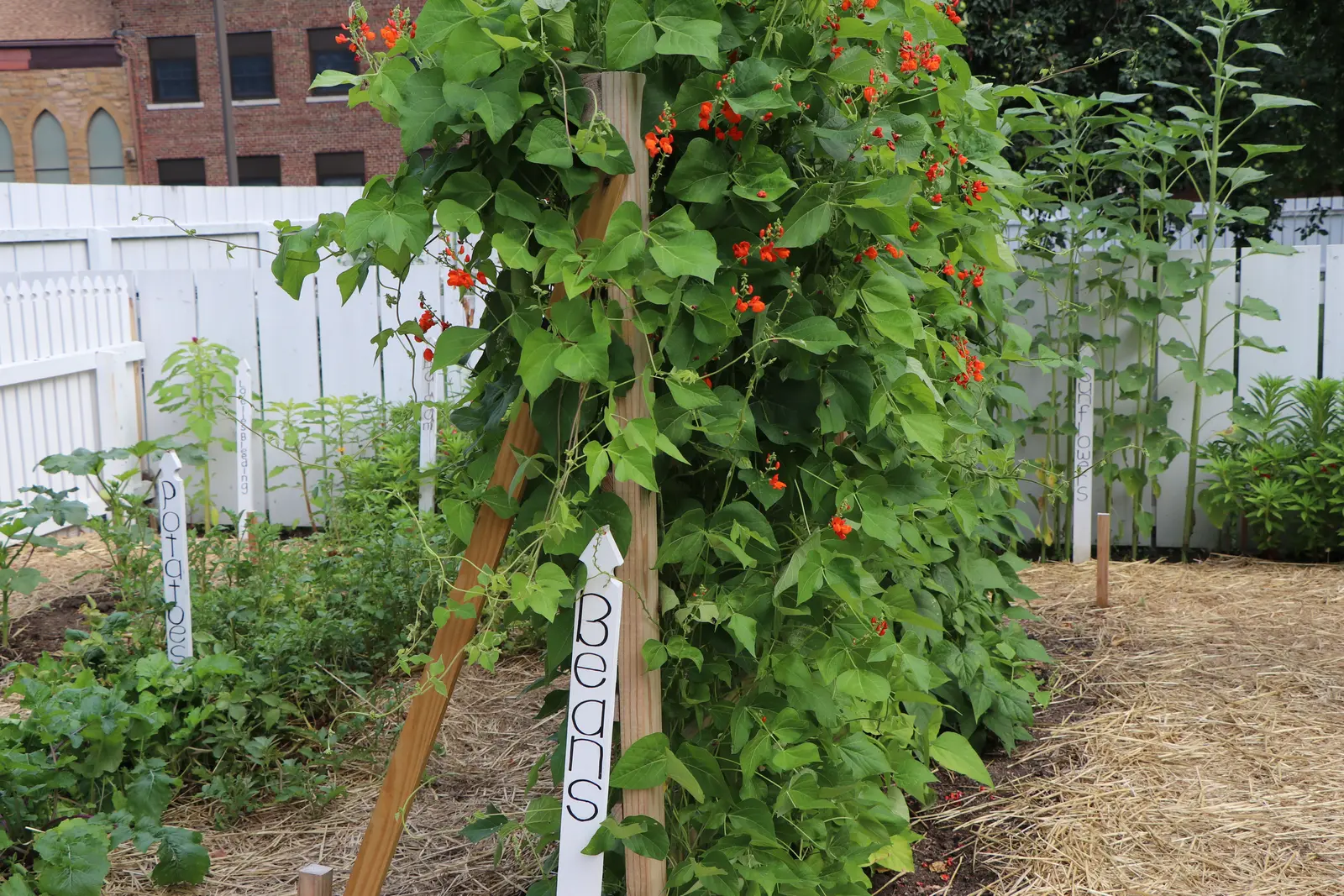
If you want a shorter, simpler planting, choose a compact cultivar intentionally. If you want tall vines, draw the support and access route before buying seed. Use the pea support guide to compare low containment, vertical panels and A-frames. A trellis must be reachable for harvest, not merely tall enough for the vine. Position the basket and walk both sides of the planned row. A plant that offers repeated pods is less useful if half the crop grows against a fence you cannot reach.
Use your local cool season rather than a fixed holiday
Utah State describes peas as cool-weather plants and notes that heat reduces performance; its calendar differs between warmer and cooler parts of Utah. Utah State University Extension: Peas in the garden That variation within one state is a reminder to use local weather and soil readiness. The spring sowing-window guide addresses when soil is workable enough to plant.
Think about both ends of the season. A late sowing may emerge quickly yet run into heat before useful pods develop. A fall crop may face warm establishment followed by slow growth as days shorten. Maryland Extension reports that fall peas often perform poorly in its climate for those reasons. University of Maryland Extension: Growing green peas If you want to try an uncertain fall crop, start with a modest amount of seed and mark it as an experiment. Do not reserve all your cool-season bed space for a crop whose maturity estimate assumes better conditions than you can offer.
Prepare a drained seedbed and handle seed carefully
Choose a root zone that retains useful moisture without remaining sodden. Peas should not be managed like heavy-feeding fruiting vegetables by default; soil testing and local advice help determine whether amendments are needed. Minnesota Extension advises careful handling because cracked pea seeds germinate poorly, particularly in cold damp soil. University of Minnesota Extension: Growing peas Keep stored seed dry and handle it gently when measuring a sowing.
Mark your rows and support positions before opening the packet. Use the packet’s depth and spacing as the starting point, adjusted by relevant local guidance for your soil. Watering should support emergence without repeatedly flooding the seed zone. If emergence is patchy, inspect a few missing positions before resowing the whole area. Check for rotted seed, a dry layer or animal disturbance. Label a replacement sowing separately; it may mature at a different time and should not be mistaken for a stunted part of the original crop.
Set up care that preserves roots and makes pods visible
Illinois Extension advises shallow cultivation because young pea plants are easily injured, and notes that tall types benefit from fencing or another support. Illinois Extension: Peas Deal with small weeds early rather than digging around established roots later. Keep watering access clear at the base even when vines have filled the support.
A container planting is conditional on cultivar, pot volume, drainage and support stability. Start with a compact type if space or wind limits the height you can manage. Do not assume several tall vines can safely anchor a large net solely through a lightweight pot. For an in-ground row, verify that the lowest part of the climbing surface is accessible to young tendrils. Inspect the back of the crop as well as the front. If vines yellow or wilt, check root-zone conditions and damage before tightening ties or adding feed. Support solves falling stems; it does not diagnose decline.
Harvest at the right pod stage and close out the planting
Shelling peas are ready when seeds fill the pods but remain tender. Snow peas should still be flat, while snap peas are picked with succulent edible pods. Illinois Extension describes these distinct harvest stages. Illinois Extension: Peas Check the cultivar description and open a representative pod to calibrate your eye rather than waiting until every pod looks equally large.
Steady the vine while picking so a ripe pod does not pull several attached shoots away from the support. Keep harvested pods shaded and take them indoors promptly. Remove overlooked overmature pods during the same visit. When the crop declines, decide whether any remaining harvest justifies continued space and care. Remove vines without dragging a tangled net through adjacent plants, then inspect and dry reusable support material. Record first harvest, length of the useful picking period and how the support worked. Those observations help decide whether next season needs a different vine habit, a smaller sowing or a better harvest route.
Sources and scope
Research-based guidance informed by institutional references. Cultivar, region and growing conditions can change the advice. Product inclusion does not imply hands-on testing of every model.