Start with vine habit, then consider the pod
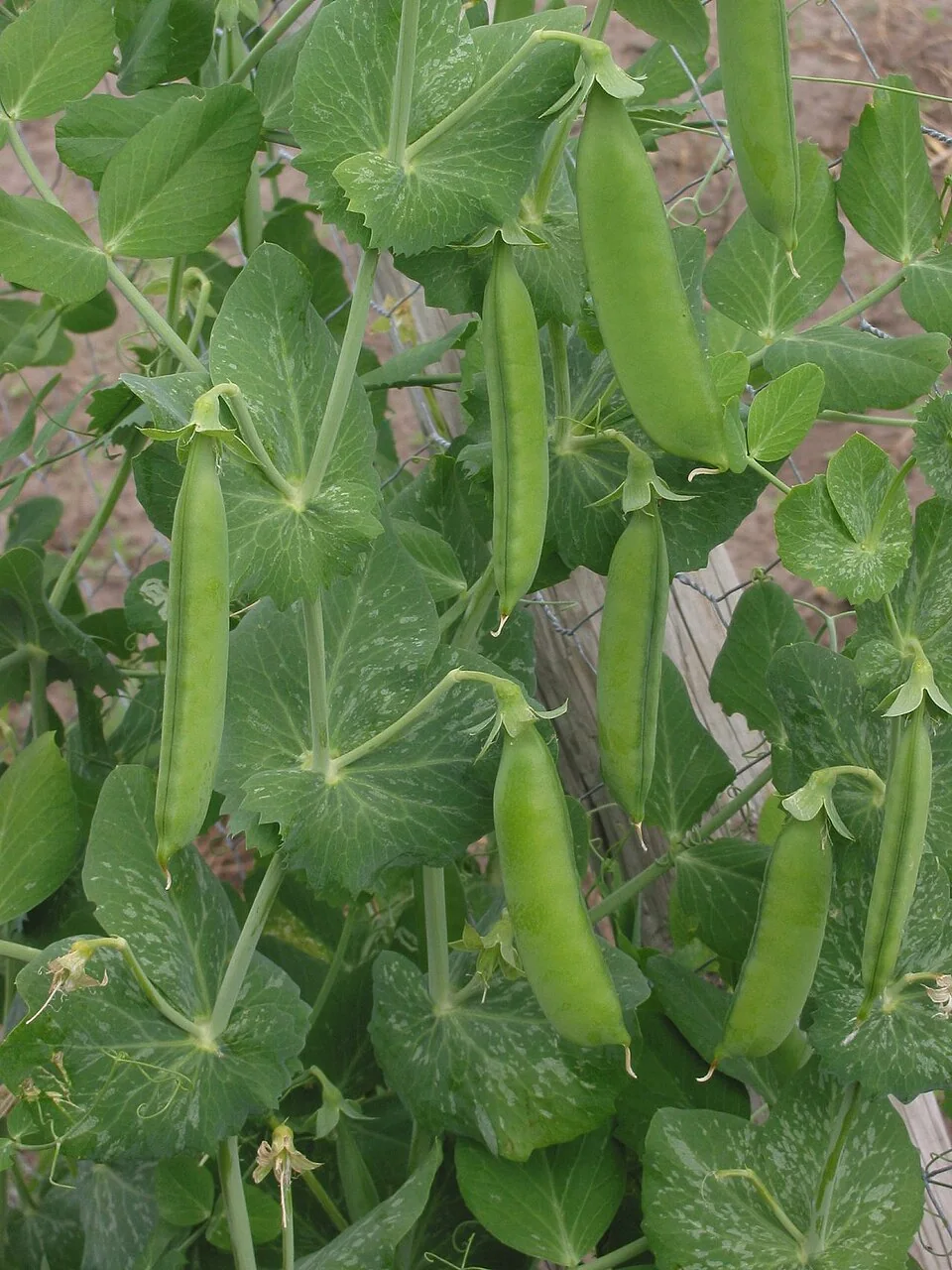
Shelling, snap and snow describe what you harvest, not a universal support height. Any shopping decision should start with the cultivar’s stated vine length and growth habit. Minnesota Extension distinguishes compact bush types from tall vines and notes that semi-leafless types can support one another through interlocking tendrils. University of Minnesota Extension: Growing peas Keep the seed packet or photograph its label before discarding it.
A practical planning note has three entries: expected height, eating type and access side. For example, a compact shelling pea grown for a concentrated kitchen harvest may justify a low row support; a tall snap pea picked repeatedly needs a surface you can inspect from bottom to top. This guide begins after the planting window has been chosen. For soil readiness and sowing timing, use the separate spring pea window guide. A trellis decision cannot rescue a crop placed in the wrong season.
Decide whether compact peas actually need help
Utah State describes many pea cultivars as self-supporting, with taller types easier to harvest when trellised, fenced or caged. Utah State University Extension: Peas in the garden A short plant does not automatically require a tall purchased structure. Look at the exposure, the width of the planting and whether shoots tend to fall into a path or onto wet soil.
If the crop stays upright and you can find the pods, leave a working arrangement alone. If its edge repeatedly sprawls over the bed border, consider a modest support along that edge rather than enclosing everything. Inspect after rain and a breezy day, not only when the plants are dry and light. A low support still needs room for hands underneath foliage. Avoid setting a rigid rim at exactly the height where your wrist must pass on every harvest; move it or change its orientation before growth tangles around it.
Give tall vines a continuous climbing surface
Some snap and snow peas grow six feet or more, according to Illinois Extension. Illinois Extension: Peas Match the usable trellis height above the soil to the cultivar, allowing for the part of a frame inserted into the ground. Product height and actual climbing height are not always the same measurement. A tall post with only one horizontal string does not provide the same contact opportunities as a mesh panel.
Think from the seedling’s position: can its tendrils reach a slender support near the ground, then find the next attachment as it extends? Fill a low gap with a suitable crosspiece or netting rather than waiting until shoots are a tangled pile. The Tall Expandable Pea Trellis offers one frame format to compare. Check its current assembled dimensions against your row and reach; its name alone does not establish a fit. Do not assume tall vines should be trained onto a structure you can harvest only with a ladder.
Choose a layout by where your hands will go
A single vertical panel uses a narrow footprint but needs a picking route along its face. If both sides are planted, make both sides reachable; pods concealed on a wall-facing side are easy to miss. An A-frame uses more bed width and can create a shaded interior. Test whether you can reach that interior before sowing beneath it. A freestanding panel may offer better access in a narrow bed than a deep arch.
Use the garden planner to sketch the structure and paths at the same scale. Add neighboring mature crops, not just empty planting spots. Place a basket at the planned picking position and mimic reaching to the bottom and top of the trellis. This small rehearsal reveals whether a bed edge, irrigation pipe or adjacent tomato cage will block you. Consider where the moving shade falls, especially if another spring crop occupies the next row. Adjust the position before it becomes a living wall.
In a bed reached from only one side, reserve the rear for a support only if you can comfortably inspect its entire growing face from the path. Measure that reach while standing naturally. A panel that is technically inside arm’s length can become inaccessible once another crop fills the foreground. Keep the lower picking area visible enough that mature pods do not remain hidden behind a dense border planting.
Install mesh so it stays inspectable
Peas can climb strings or netting between stakes; Minnesota Extension includes that arrangement among its support options. University of Minnesota Extension: Growing peas When choosing material, compare its opening size, expected service life and removal process. An inexpensive net becomes costly in time if tangled vines must be teased out one tendril at a time before storage.
An existing jute pea and bean netting listing provides a biodegradable-material option, while a rigid reusable frame has a different cleanup routine. Follow the support manufacturer’s instructions for fastening and anchoring. Keep mesh taut enough to avoid loose loops and trailing scraps, but do not force tension beyond what the frame is designed to carry. Check it during ordinary harvest visits and after wind. For an exposed balcony, first resolve container stability and building rules; a vine-covered mesh surface is a poor place to improvise a structural attachment.
Guide young growth and diagnose leaning correctly
When shoots begin reaching, gently place unanchored tips near the climbing surface. Avoid winding the whole vine around a thick pole as though it were a twining bean. Leave attached tendrils in place; pulling them loose to make a perfectly straight row can damage growth. If many seedlings lean away from the support, check the distance and the lowest contact point before assuming the plants need tying individually.
Later in the season, distinguish a loose attachment from a failing plant. A vine that droops while its neighbors stand may have an irrigation or root problem. Maryland Extension advises careful cultivation around peas and maintaining root-zone moisture as pods develop. University of Maryland Extension: Growing green peas Check moisture and stem condition before levering the plant upright. If the entire frame leans, address the frame with the crop supported safely; tightening a string around delicate stems will not repair its anchoring. Keep the assessment focused on the point that has actually moved.
Make harvest and removal part of the support choice
The support should make pod maturity easier to see. Pick shelling peas while pods are filled but seeds remain tender; snow peas are picked flat, and snap pods while succulent. Maryland Extension separates those harvest stages. University of Maryland Extension: Growing green peas Walk the row from both directions, looking low as well as high. Use one hand to steady the vine and the other to remove the pod, avoiding a pull that drags several stems off the mesh.
Before the planting finishes, decide how you will dismantle it. Identify which fasteners release the panel, where dry plant material will go and whether the support can be reused for another suitable crop. Cut vines free rather than wrenching a whole attached mass against the frame. Let reusable material dry before storage and inspect it for broken strands or sharp edges. Record whether the top was reachable, whether the bottom had enough contact and how many pods hid at the back. Those observations are more useful for next year’s purchase than the trellis’s appearance when empty.
Sources & further reading
We favor university extension guidance and original product documentation. Linked sources support the specific facts cited; they do not endorse Garden Gear Atlas.
- University of Minnesota Extension: Growing peas
- Utah State University Extension: Peas in the garden
- Illinois Extension: Peas
- University of Maryland Extension: Growing green peas