Treat the plant as an orchid between flower displays
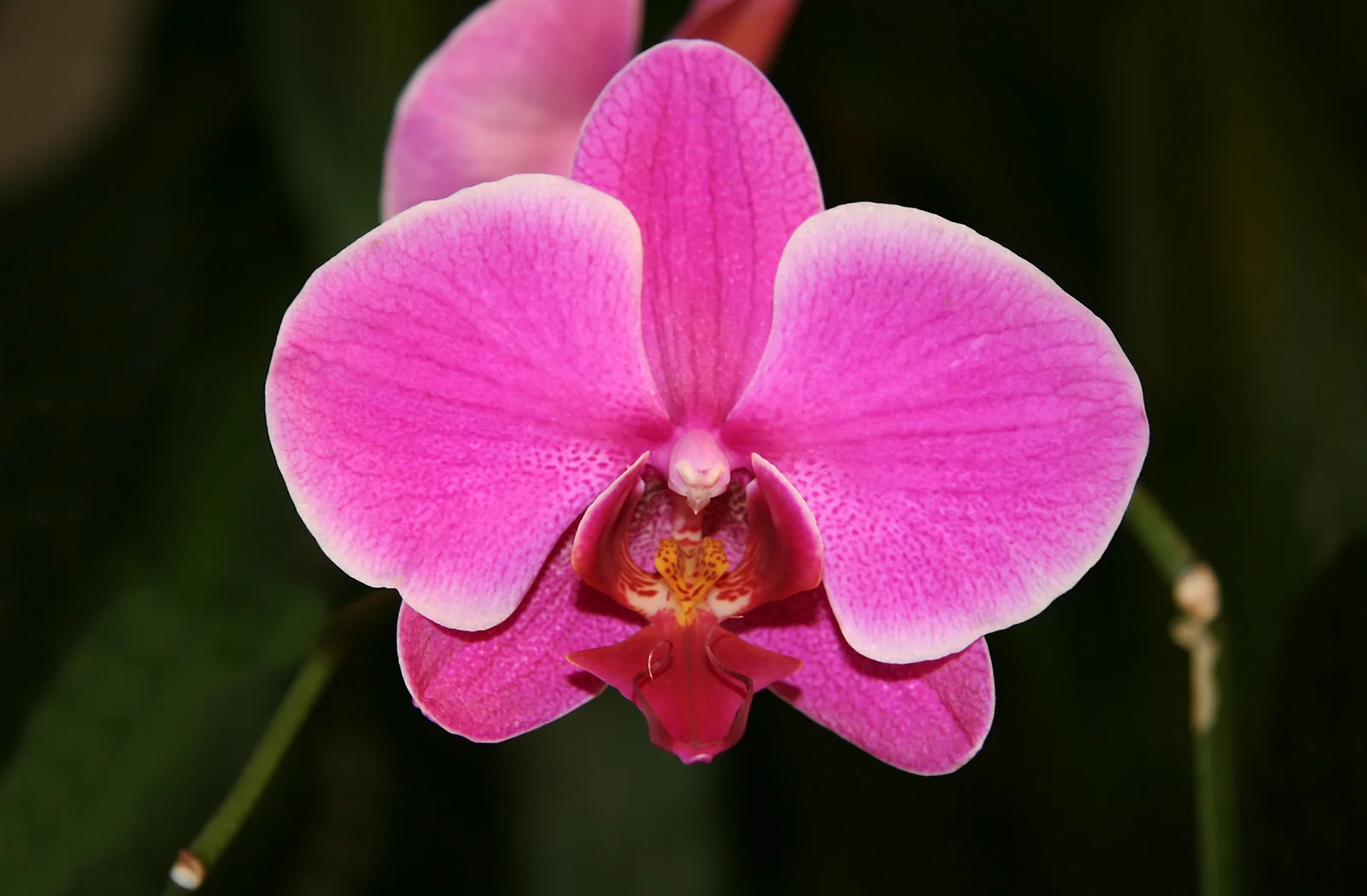
A Phalaenopsis hybrid is a living perennial plant after its purchased flowers fade. Its broad leaves, central growing point, and fleshy roots support the next cycle of growth. Common hybrids can have complex ancestry, so the label moth orchid does not establish a single mature size or exact flowering season. NC State notes differences between familiar standard hybrids and modern plants with summer-flowering ancestry, an important reason to avoid forcing every plant onto one calendar. NC State Extension: Phalaenopsis
Keep any hybrid or grower label, even if it seems less memorable than the flower color. Photograph the leaves, roots, and spike when the plant arrives. That record helps distinguish normal change from progressive decline and makes a future question more specific than an orchid stopped flowering. Choose a display place where you can remove the plant for watering and see the pot, rather than hiding its entire root system permanently inside a decorative arrangement.
Provide usable light without suddenly overheating leaves
The American Orchid Society’s Phalaenopsis culture sheet recommends a bright window position with little or no direct sun; an east window is a common starting point. A brighter south or west exposure may need filtering. Observe the actual light on the leaves through the day, including reflections and seasonal changes. A plant newly moved from a shaded retail display should not be assumed ready for a hot, unfiltered window. American Orchid Society: Phalaenopsis culture sheet
If flowers fail to return, Iowa State identifies insufficient light as a common consideration in orchid reblooming. Assess the location before turning to fertilizer. A room that appears bright to people may still leave a plant far from a window with little useful light. Use the grow-light placement guide if supplemental lighting is needed, and allow space for the actual leaf span and future spike. Record changes in placement so you can relate later growth to the conditions you supplied. Iowa State Extension: helping orchids rebloom
Water the root zone rather than a day of the week
Potting medium, root mass, pot design, light, and room conditions all affect drying. The American Orchid Society recommends using observations such as pot weight and moisture within the medium, rather than a fixed interval. The surface can look dry while a dense center remains wet. Clear pots make outer roots easier to see, but that view does not establish the moisture in the middle of the root ball. American Orchid Society: orchid care basics
When the medium is approaching dryness, wet it thoroughly and allow excess water to leave the pot. Remove a nursery pot from its cachepot when needed for access, then empty trapped runoff before replacing it. Keep water from collecting in the central crown. The pot-by-pot watering guide helps build a routine based on the plant you are inspecting. Limp leaves alone are not enough evidence to add more water: a plant that has lost roots can be unable to absorb moisture from an already wet pot. American Orchid Society: orchid care basics
Repot for roots and deteriorating medium
Inspect the root system when the medium has broken down, drainage has changed, or the plant’s condition suggests a root problem. Soft, deteriorating roots and compacted material require a different response from a healthy plant with firm roots extending beyond the pot. Choose a container that accommodates the remaining root mass; the height of the flower spike is not a pot-sizing measurement. The crown should remain above the medium, with the roots arranged without unnecessary crushing. American Orchid Society: Phalaenopsis watering and feeding
The Phalaenopsis medium guide compares how a medium behaves in the actual growing environment. Better-Gro Special Orchid Mix contains fir bark, charcoal, and sponge rock and is a possible airy medium, but its product name does not establish the right drying rate for every room. The rePotme clear slotted pot supports drainage and root inspection when its dimensions fit the plant. Neither a larger pot nor a coarser mix compensates for watering without checking the center.
Feed growing roots and leaves, then review rebloom conditions
The American Orchid Society’s Phalaenopsis series ties watering and feeding to growth, light, and temperature. Roots are sensitive to concentrated salts, so use a dilute fertilizer according to an appropriate product program and moisten dry medium before feeding. Fertilizer supports growth; it does not supply the light energy missing from a dim location. Record the product and dilution you use instead of alternating unfamiliar bloom boosters whenever a new spike fails to appear. American Orchid Society: Phalaenopsis watering and feeding
Review the whole plant before attempting a flowering trigger. A hybrid with poor roots or shrinking leaves first needs conditions that support recovery. Iowa State’s rebloom guidance considers light and temperature alongside nutrition, but genus-wide orchid advice is not a reason to impose a cold or dry rest on an unidentified moth-orchid hybrid. Look for the actual hybrid’s instructions if available. The indoor humidity guide can help assess the room without turning daily misting into a substitute for appropriate root-zone care. Iowa State Extension: helping orchids rebloom
Decide what to do with an old spike or a keiki
A green flower spike can sometimes produce a side branch, while a completely dried spike can be removed near its base. The RHS describes cutting above a suitable node to encourage a secondary display, but that is an option rather than a requirement. Inspect the plant’s overall condition before asking it to carry more flowers. Support a developing spike gently and avoid forcing a stiff stem into a new angle just to match the original shop arrangement. RHS: growing moth orchids
Some plants form a keiki, a small plantlet, on a spike. Leave it attached until it has developed several good roots before separating and potting it. Do not treat a detached leaf as the equivalent of a rooted plantlet, or split the single central crown as though it were a clumping garden perennial. Keep the parent label with any successfully established offspring. If no plantlet appears, that absence is not a care failure; vegetative propagation is an occasional opportunity, not an expected stage of every flowering cycle. RHS: growing moth orchids
Separate dehydration, rot, and leaf injury
Thin or limp leaves can result from root loss in wet, decomposing medium as well as from insufficient watering. The American Orchid Society’s problem guide recommends inspecting the roots rather than interpreting the leaf alone. Water trapped around the growing point can also contribute to crown damage. Meanwhile, exposed areas of a leaf may be injured by excessive light or heat, and moisture-related edema can leave corky scars. These patterns call for different changes. American Orchid Society: Phalaenopsis problems
Check the crown, roots, undersides of leaves, and the sheltered points where pests such as scale or mealybugs can collect. Photograph damage and compare its extent over time; an old scar remaining on a healthy leaf is different from an expanding wet lesion. Separate a suspicious new purchase while you identify visible pests. For progressive crown or root decay, seek a diagnosis before applying a household remedy or increasing fertilizer. The useful first question is what tissue is being damaged, followed by which growing condition or organism explains it. American Orchid Society: Phalaenopsis problems
Sources and scope
Research-based guidance informed by institutional references. Cultivar, region and growing conditions can change the advice. Product inclusion does not imply hands-on testing of every model.
- American Orchid Society: Phalaenopsis culture sheet
- American Orchid Society: Phalaenopsis watering and feeding
- American Orchid Society: Phalaenopsis problems
- Iowa State Extension: helping orchids rebloom
- NC State Extension: Phalaenopsis
- RHS: growing moth orchids
- American Orchid Society: orchid care basics