Choose what to grow
Compare plants.
Put the light, root space and seasonal needs beside one another before choosing a place in your garden or home.
1 of 3 plants selected — add another to compare.
| Care decision | 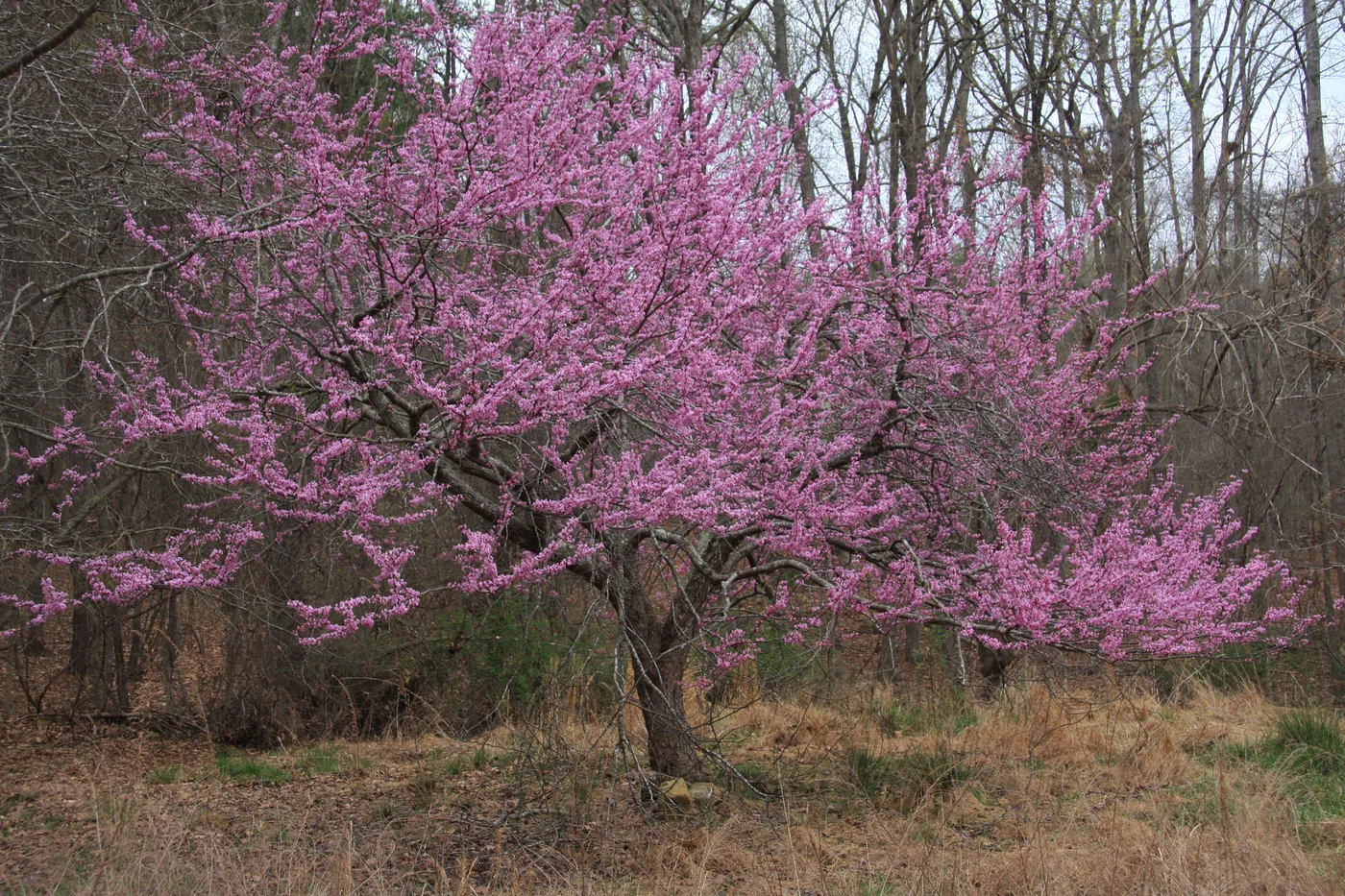 |
|---|---|
| Light | Full sun to partial shade; some afternoon shade is useful in hotter southern sites. UF/IFAS: eastern redbud |
| Water | Moist, well-drained soil during establishment; check during drought even after establishment. Maryland Extension: eastern redbud |
| Soil & growing mix | Adaptable to clay, loam and some sandy soils when aerated and well drained; avoid prolonged saturation. NC State Extension: eastern redbud |
| Mature size | Often 20–30 feet tall; allow roughly 20–35 feet of crown width for species-form trees. NC State Extension: eastern redbud |
| Growing season | Early spring flowers before leaves; green summer foliage, brown pods and variable yellow fall color. Wisconsin Extension: eastern redbud |
| Winter & climate | Many regional recommendations use USDA zones 5–9; selected northern strains extend into zone 4. Verify provenance and local performance. Illinois Extension: redbuds in the landscape |
| Container fit | Usually planted in the ground. Check mature size and root-space guidance in the reference. |
| Place & variety | Cold tolerance varies with seed source. Northern gardeners should seek locally proven material; southern and dry-region recommendations for Texas or Mexican redbuds cannot be transferred to every Cercis canadensis purchase. Wisconsin Extension: eastern redbud |
| Equipment to consider | |
| Evidence & next steps | Trees, shrubs & vines guides →
|
These facts help compare choices. They do not establish that plants can share a pot, watering circuit or outdoor site. Check the full reference and local suitability before planting.
Open this comparison as a bookmarkable page
Give your choice enough room.
Use inside bed or pot measurements to plan mix quantities and working space.