Choose what to grow
Compare plants.
Put the light, root space and seasonal needs beside one another before choosing a place in your garden or home.
1 of 3 plants selected — add another to compare.
| Care decision | 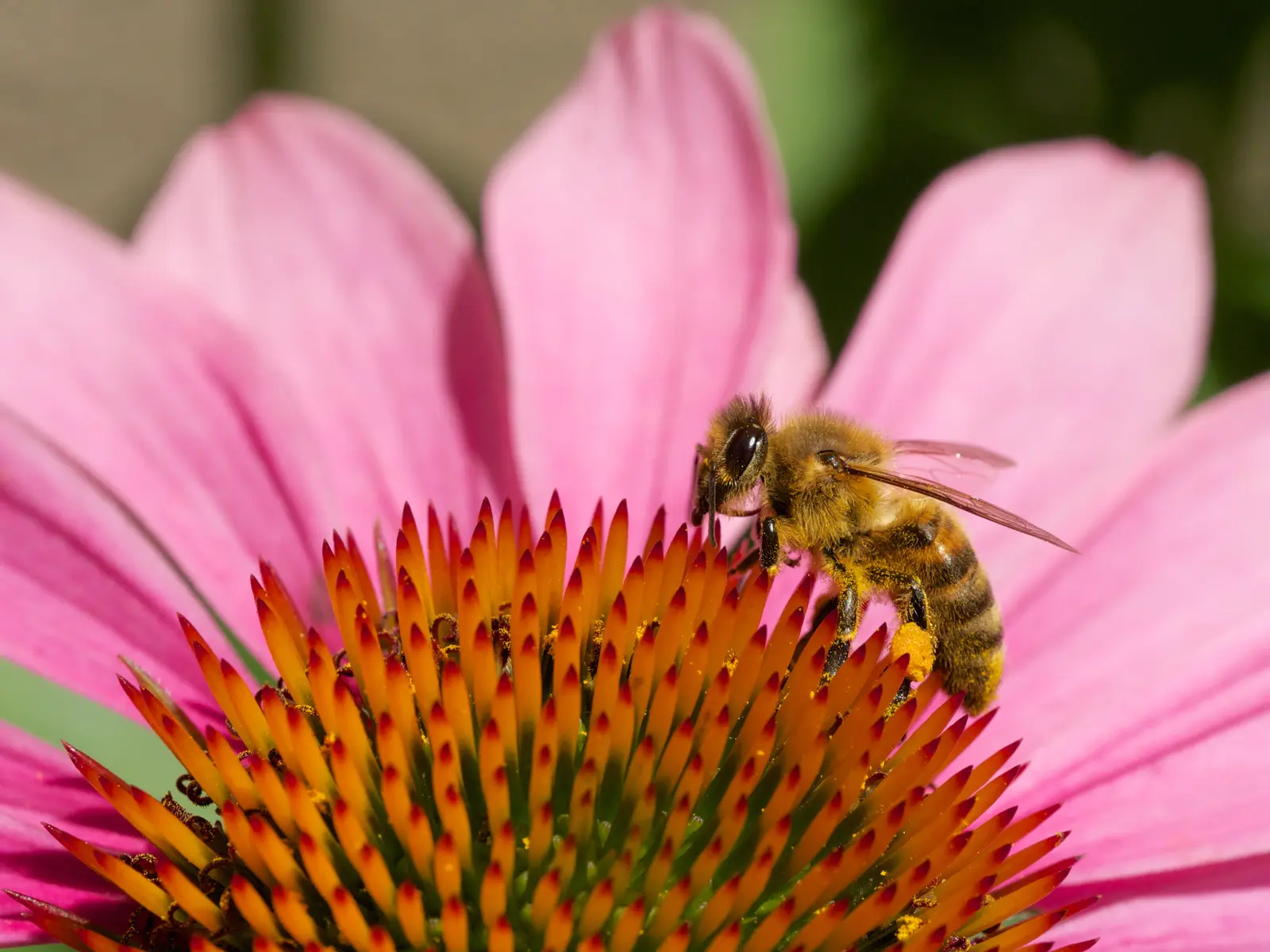 |
|---|---|
| Light | Full sun gives a strong flowering position; partial shade is possible. NC State Extension: purple coneflower |
| Water | Water new plants according to root-zone moisture; established plants tolerate drier conditions better. NC State Extension: purple coneflower |
| Soil & growing mix | Well-drained soil; avoid a persistently wet crown, particularly in winter. RHS: growing echinacea |
| Mature size | Species plants are commonly 3–4 feet tall and 1–2 feet wide; named selections vary. NC State Extension: purple coneflower |
| Growing season | Summer flowers, autumn seedheads, and dormant herbaceous crowns through winter. NC State Extension: purple coneflower |
| Winter & climate | USDA zones 3–8 in the NC State species reference; cultivar performance and winter drainage still matter. NC State Extension: purple coneflower |
| Container fit | Container choice matters. Check mature size and root-space guidance in the reference. |
| Place & variety | This is E. purpurea, not every colorful Echinacea hybrid. A regional cultivar trial is useful evidence for comparison, but its results do not guarantee performance in a different climate or soil. Mt. Cuba Center: Echinacea trials |
| Equipment to consider | |
| Evidence & next steps | Flowers & pollinators guides →
|
These facts help compare choices. They do not establish that plants can share a pot, watering circuit or outdoor site. Check the full reference and local suitability before planting.
Open this comparison as a bookmarkable page
Give your choice enough room.
Use inside bed or pot measurements to plan mix quantities and working space.