Give the pumpkin a job before giving it a bed
Pie, carving, decorative and giant pumpkins are selected for different qualities. Illinois Extension recommends pie pumpkins when the goal is pumpkin puree. A fruit intended mainly for carving is not automatically the best kitchen choice. Utah State likewise separates pumpkins by size and use, illustrating why the word pumpkin alone tells you too little when ordering seed. Illinois Extension: pumpkins for cooking Utah State Extension: growing pumpkins
Write the job in a sentence: enough puree for a few recipes, several small decorations children can carry, or one carving pumpkin with a shape you like. Use that sentence to reject unsuitable choices. An extraordinary photograph may be attractive without helping the project. If you want several uses, compare documented dual-purpose types or divide a modest planting between two clearly labeled cultivars.
Keep the kitchen question practical. Consider how you will cut, cook and use the harvested fruit, where it will sit beforehand and whether its size suits your household. A very large edible pumpkin can still be inconvenient. Choose a harvest you can manage with the equipment and storage you already have, rather than assuming a larger specimen is automatically a better result.
Fruit size and vine size are separate dimensions
Pumpkin vines commonly run over the ground and occupy substantial space. Minnesota advises considering bush types in small gardens. That distinction concerns plant habit, while miniature or large refers to fruit size. Read both parts of a cultivar description; a miniature-fruited vine can still extend well beyond the planting hole. Minnesota Extension: pumpkins and winter squash
Measure the space you are actually willing to surrender, including paths and nearby crop access. Sketch the expected direction of vine growth, then ask whether that route will remain acceptable in midsummer. A bed corner may be an excellent starting point if the vine has a permitted area to occupy beyond it. It is a poor fit if it immediately reaches a shared walkway.
Avoid treating a trellis as an automatic solution to any vine-size mismatch. Before choosing vertical growth, establish the cultivar's habit, support needs and fruit load, and plan how you will inspect or support developing fruit. For a first small-space attempt, a documented compact type with accessible ground space may be easier to manage than a large vine on an improvised structure.
Check the growing season before sowing
Pumpkins are warm-season crops. Utah State recommends planting after frost danger and into suitably warm soil, and warns that root damage during transplanting slows establishment. Young transplants can provide a head start, but keeping a large vine in a small nursery pot does not create a free extension to the season. Utah State Extension: growing pumpkins
Find the local outdoor planting window and compare it with the cultivar's stated maturity range. Clarify whether that figure begins at sowing or transplanting. Work backward only as far as you can maintain a healthy young plant indoors. If your season is marginal, selecting a locally recommended earlier cultivar is a more concrete decision than starting an unsuitable long-season type extremely early.
Plan the harvest window around weather and maturity, not a single decoration date. A fruit ready ahead of your celebration needs a sound holding place; a fruit still immature when severe cold approaches presents a different problem. Make a backup arrangement for any event that depends on a pumpkin. A garden project can be enjoyable without being responsible for supplying every planned decoration on schedule.
Allocate food, water and inspection space
Maryland's pumpkin guide calls for full sun, adequate spacing and consistent water during growth. Its spacing guidance varies by plant type, reinforcing the need to use the cultivar's habit when laying out the patch. A plant occupying one planting station may eventually need access across a much larger area of the garden. Maryland Extension: growing pumpkins
Mark each crown so you can locate the place to water after foliage spreads. Keep access to a few representative leaves and developing fruit. Decide how you will check the far side of the patch without stepping on vines. If that access disappears early, redirect your walking route and reconsider the layout before adding further plants to the same area.
Use a soil test and your existing fertility record to make feeding decisions. Do not interpret a vigorous vine as evidence that it needs ever more fertilizer. During routine visits, check actual moisture and look for damage before changing inputs. A clear record of plant condition helps separate a weather-related pause from a problem that deserves identification or a change in management.
Understand what flowers and fruit set can tell you
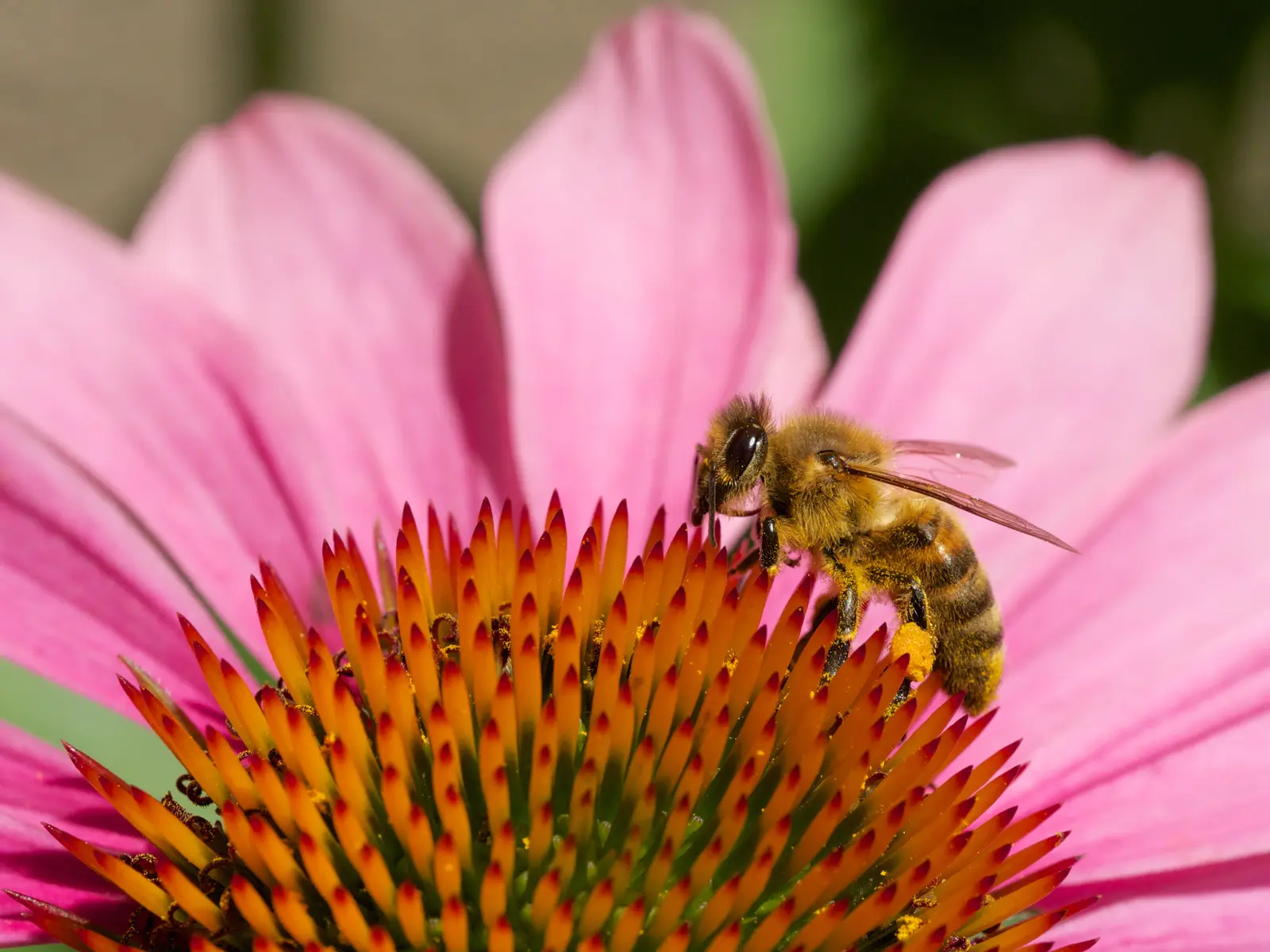
Pumpkins produce separate male and female flowers, and ordinary cultivars need insects to move pollen between them. Maryland identifies poor pollination as a cause of fruit-set problems and notes the importance of removing covers when flowering requires pollinator access. Early flowers alone do not prove that a plant has begun setting its final crop. Maryland Extension: growing pumpkins
Inspect the base of the bloom to distinguish a female flower with an immature fruit from a male flower on a plain stem. Keep notes on whether both kinds are present together. If a fruit stalls, compare it with the next flowers before assuming the cultivar is unsuitable. Use the dedicated squash-pollination guide when you need to investigate flower timing or hand pollination in more detail.
Resist promising a fixed number of pumpkins from each plant. Your useful harvest depends on the chosen type, plant health, weather and length of the season. Decide whether a few well-developed fruit satisfy the original goal. If your project is a giant-pumpkin attempt, seek guidance specifically for that system; ordinary garden spacing and yield expectations are not a recipe for competition-sized fruit.
Harvest for the destination you planned
Mature pumpkins have hardened rinds; Utah State describes testing whether a fingernail readily penetrates the skin. Minnesota advises harvesting before a hard freeze and leaving several inches of stem attached. Cut rather than tear the fruit free, handle it gently and lift the fruit itself instead of relying on the stem as a handle. Utah State Extension: growing pumpkins Minnesota Extension: pumpkins and winter squash
Sort the harvest by purpose and condition. Put damaged fruit in a separate area for prompt assessment and use, while keeping sound storage fruit where you can inspect it. An intact pumpkin held for cooking needs different treatment from one you carve and display. Do not plan meals around a carved pumpkin that has been sitting outdoors through repeated handling and weather.
Record the number and approximate size of usable fruit, then compare that with how much garden space the vines occupied. Include whether harvesting and moving them was comfortable. If the crop matched your purpose but blocked access, choose a smaller habit or a different location next season. If it occupied the space well but disappointed in the kitchen, change the cultivar's intended use rather than only changing fertilizer.
Sources & further reading
We favor university extension guidance and original product documentation. Linked sources support the specific facts cited; they do not endorse Garden Gear Atlas.
- Minnesota Extension: pumpkins and winter squash
- Utah State Extension: growing pumpkins
- Illinois Extension: pumpkins for cooking
- Maryland Extension: growing pumpkins