Choose the vase before choosing the plant count
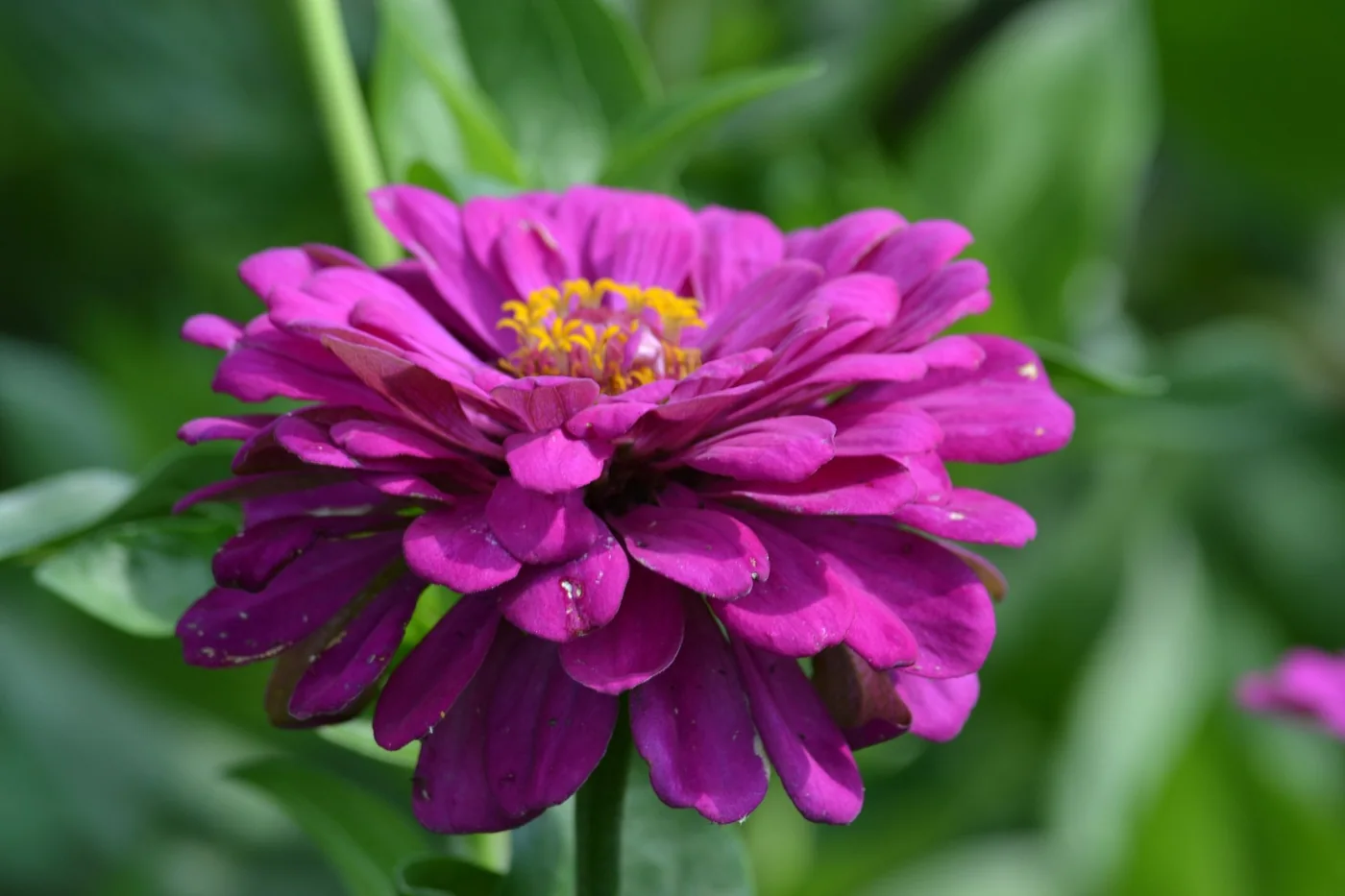
This project is a compact planting for a few bright stems in short vases. It uses ten plants of one named cultivar, Zinnia ‘Magellan Coral F1’, so the care and spacing decisions stay understandable. Its relatively short growth is part of the design. If your goal is long stems for large bouquets, choose a different cutting cultivar and revise the layout before you buy seedlings.
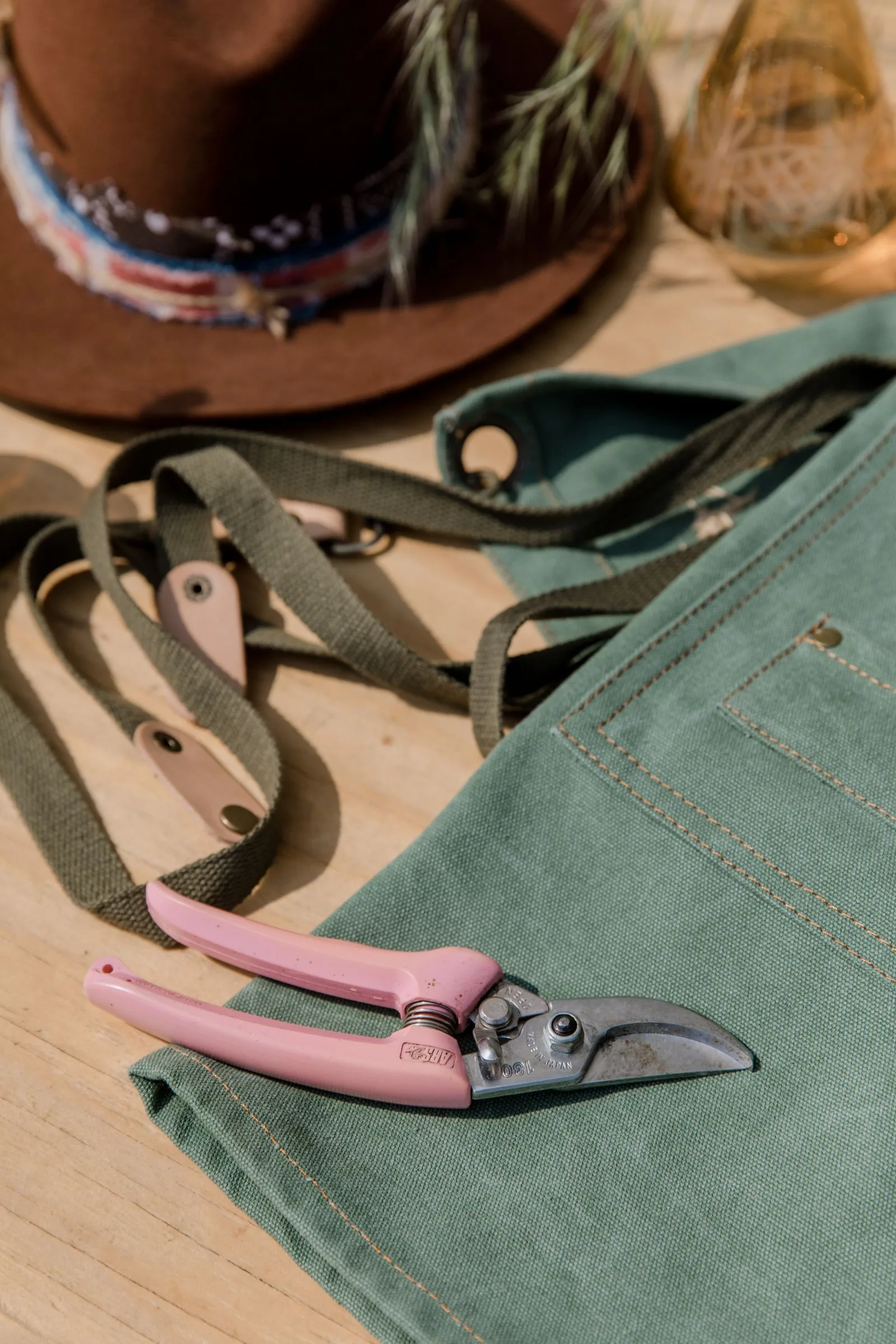
The useful shortlist pairs Espoma Organic Raised Bed Mix for filling the measured bed with Fiskars Micro-Tip snips for selected soft flower stems. Reuse suitable tools where possible and switch to a comfortable bypass pruner if a stem resists the snips. These are separate items, not a complete bed or a guaranteed compatible support system. Plants, frame, labels and water access remain part of your own material check.
Use the cultivar's spacing, even in a compact project
All-America Selections' primary record describes Magellan Coral as about 15–17 inches tall with a 15–19-inch spread. It specifies 18-inch garden spacing, lists cut-flower use and says staking is not required. Those facts support a compact small-vase project at an 18-inch grid. They do not support crowding twenty-four plants into this bed at 12-inch spacing. AAS: Magellan Coral F1
Keep the full cultivar name on the shopping list and labels. A seed packet labeled simply “giant zinnia mix” is a different purchase with potentially different height, branching and support needs. A color photograph cannot establish that a replacement has the same habit. If the named cultivar is unavailable, choose an alternative you can verify and edit the saved plan; leaving space temporarily is easier than removing healthy plants once they crowd each other.
Gather the measured materials
The frame in this example has 96 × 36 inches of usable inside area and a target fill depth of 12 inches. For an empty bed that means 8 × 3 × 1 = 24 cubic feet, about 0.89 cubic yard. Sixteen 1.5-cubic-foot bags supply that volume without allowance. A deliberate 10% purchasing allowance increases it to 26.4 cubic feet and eighteen bags. Espoma confirms the 1.5-cubic-foot package size. Espoma: raised bed mix
Subtract suitable material already in place. With a uniform 6-inch existing layer, the remaining volume is 12 cubic feet, or eight of those bags before allowance. The target fill depth is not the nominal frame height: leave whatever watering space the actual bed requires. This project assumes an existing or purchased ground-level frame and does not supply structural lumber or platform specifications.
- One sound frame with 8 × 3 feet of usable inside growing area and appropriate capacity for the fill.
- Up to 24 cubic feet of suitable raised-bed mix for the empty example; sixteen 1.5-cubic-foot bags before allowance.
- Ten healthy Magellan Coral F1 transplants, or labeled seed and the propagation supplies needed to produce that final count.
- A tape measure, ruler, temporary site markers, trowel, accessible watering source and one durable cultivar/date label per batch.
- Clean snips or suitable pruners, a clean water bucket and short vases for the harvested stems.
- Optional stakes and loose ties only if observed growth or exposure calls for them; select their size and anchoring separately.
Set the bed where light and access are dependable
Watch the proposed location over the day before filling it. Minnesota recommends a very sunny, warm site for zinnias and describes eight or more hours of sun. A space that looks bright for one afternoon visit may be shaded by a fence or tree for much of the day. Also check where rain collects and whether you can direct water to the root zone without walking into the bed. Minnesota: zinnia site requirements
Walk both long sides with an empty bucket and reach toward the intended center rows. The raised-bed access guide helps you adjust dimensions to the person doing the work. Keep the bucket landing place outside the planted area and leave a clear route to the house. Cutting is a repeated task; access that works only before the plants grow will become frustrating at harvest time.
Fill first, then mark two rows of five
Prepare the ground and frame for their actual site, remove competing weeds and spread the chosen fill evenly. Moisten and settle it according to its directions without stamping it down. Check that water can leave the growing area and that the target level remains below the rim as intended. Record any existing material, purchased volume and extra amendments so the next top-up starts from evidence.
For the simple grid, mark positions along the 96-inch length at 9, 27, 45, 63 and 81 inches. Mark the two rows across the 36-inch width at 9 and 27 inches. Every nearest neighbor is 18 inches away. There are five plants per row and ten total. The first lengthwise center is 9 inches from one end; the last is 15 inches from the other because the bed has six inches left over after fitting the grid.
You can center those columns at 12, 30, 48, 66 and 84 inches instead, keeping the same count and 18-inch spacing. The planner's 9-inch edge value is a minimum clearance, not a claim that all four edges have identical unused space. Set the pots at the marks before digging so you can inspect the actual arrangement and its access.
Plant after the local cold risk has passed
NC State advises direct sowing zinnias after the last frost. Minnesota gives 60°F soil as a transplanting threshold. Use those conditions with your local planting guidance and current forecast; the date written on a regional example elsewhere is not a universal starting date. Keep purchased plants appropriately watered and sheltered while waiting, then harden protected-grown plants for the exposure they will receive. NC State: zinnia Minnesota: planting zinnias
Ease each root ball from its container, make a hole that accommodates it and keep the previous growing level when backfilling. Water gently around the roots and correct any settling. If direct sowing, follow the named packet's depth and thinning directions; ten positions means ten final plants, not ten clusters of competing seedlings. The cut-flower seed guide covers the broader propagation choices.
Keep foliage accessible and water at the soil
Check the newly planted root balls as well as surrounding fill during establishment. Once roots are growing into the bed, keep observing below the surface before the next watering. Apply water at soil level where practical, allowing time for it to soak in. Mississippi State recommends soaker hoses or drip as useful ways to supply a cutting garden while keeping leaves drier; either requires a separately planned installation. Mississippi State: cut-flower care
NC State identifies sun, drainage and air circulation as important for reducing fungal leaf problems. Preserve the spaces you planned rather than filling every opening with spare flowers. If leaves develop powdery growth or spots, photograph and inspect them, then use the flower mildew guide to distinguish likely problems. Record the first affected area and avoid treating a generic description as a confirmed diagnosis. NC State: zinnia health
Add support only when the plants show a need
Because the cultivar record does not require staking, support is optional in this starter plan. Inspect the actual plants after wind or heavy rain. If a stem leans into the path or a heavy bloom pulls one side over, decide whether a small individual support can correct the problem while leaving access for cutting. Place it deliberately to reduce root disturbance and use ties that remain loose enough for growth.
A horizontal support grid is a separate design choice, not an assumed component of this ten-plant bed. Measure its reach, stake locations, anchoring and working height before buying it. Netting marketed for climbing vegetables may be usable in another orientation, but its name alone does not prove it will span or support your layout. Check ties and supports during harvest visits rather than waiting until they disappear under foliage.
Harvest a few stems and learn what the bed supplies
Bring clean water and your cutting tool to the bed before choosing blooms. Mississippi State recommends harvesting during the coolest part of the day. Select usable stems deliberately, leaving the remaining plant in a condition you can continue to inspect and tend. A compact plant's total height is not the available stem length: branches and the cutting point limit what reaches the vase. Mississippi State: harvesting flowers
Start with a short vase or a small group of bud vases and assess what the stems actually support. Remove leaves that would sit under the water and keep the display water clean. Compare the usable harvest with the flowers you left in the bed. Do not promise a bouquet every week from ten plants; weather, establishment and the amount you cut will change production.
Open this cut-flower bed in the garden planner and save your measured version. Record the cultivar, planting date, first successful vase and any support changes. At season's end, use those notes to decide whether you want another compact display, fewer plants or a different cutting cultivar with a newly calculated layout.
Sources & further reading
We favor university extension guidance and original product documentation. Linked sources support the specific facts cited; they do not endorse Garden Gear Atlas.
- All-America Selections: Magellan Coral F1 cultivar trial record
- Minnesota Extension: zinnia planting and care
- NC State Extension: Zinnia elegans and disease prevention
- Mississippi State Extension: growing and harvesting cut flowers
- Espoma: raised bed mix and bag volume
- Fiskars manufacturer catalog: Micro-Tip pruning snips, page 7