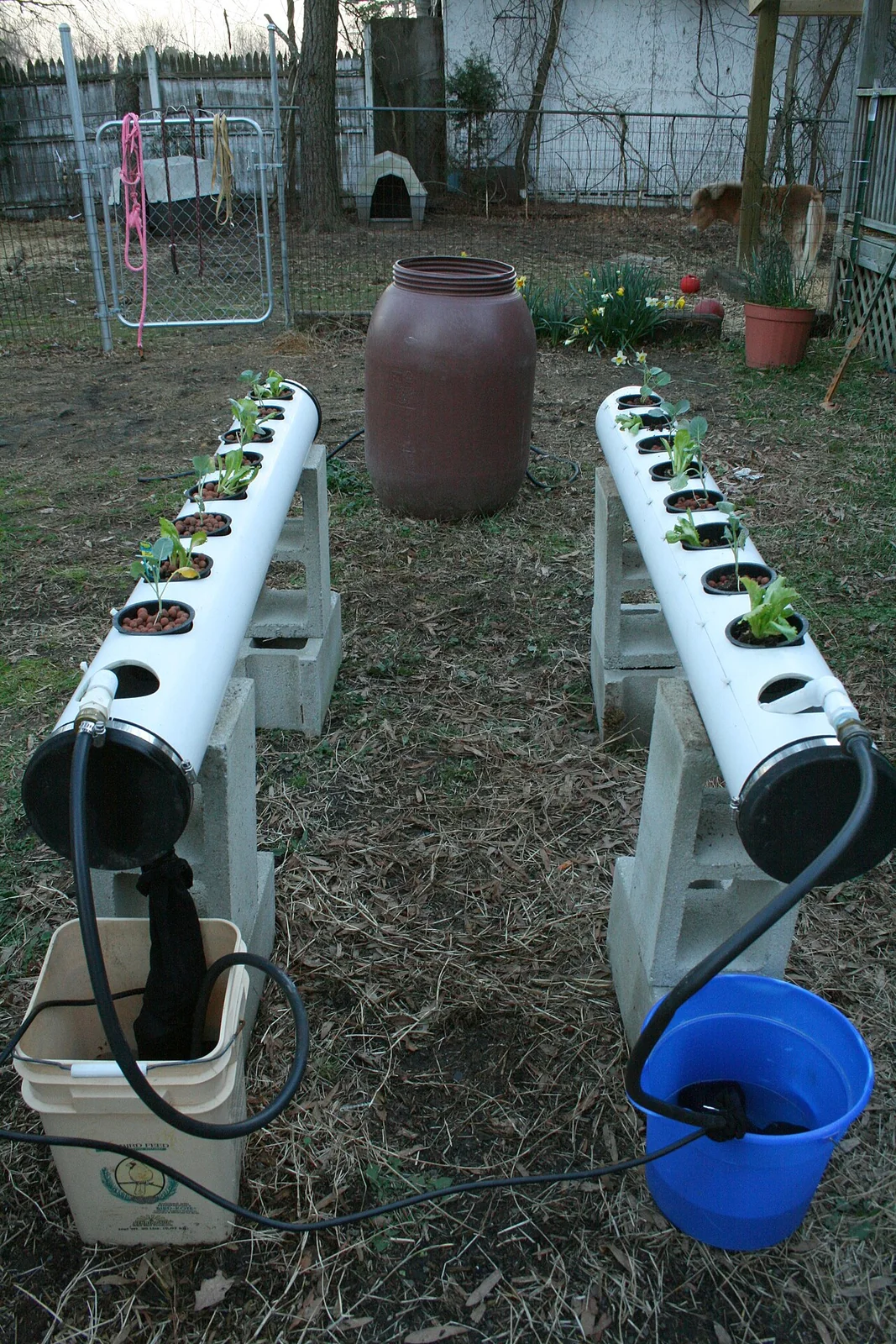

Choose the end product, then choose the plant
Decide whether you want a whole lettuce head, young leaves, an occasional handful of basil or a continuously maintained herb plant. A crop name alone does not describe the space or time required. A baby-leaf harvest ends before a plant develops its full canopy and root mass; keeping the same plant for repeated cutting extends its occupation of the system. Write down the intended harvest method before selecting a planting density.
Illinois Extension recommends beginning with a single plant type when learning a home hydroponic system and identifies lettuce as a straightforward passive-system starting crop. That approach makes observations easier to compare: different growth rates are less likely to be explained simply by different species sharing the water. Illinois Extension: Home hydroponics
For the first crop, define success in practical terms. You might want four compact heads that can be removed without disturbing their neighbors, rather than the maximum possible leaf weight. Include room for one delayed or misshapen plant. A layout that works only when every plant behaves identically will be frustrating to maintain at home.
Use cultivar information to define canopy space
Read cultivar descriptions for mature habit, intended harvest stage, heat response and suitability for the growing season. Leaf lettuce, butterhead and romaine have different shapes, and varieties within those groups vary too. Utah State's garden guidance distinguishes lettuce types and emphasizes the influence of temperature on growth. Its outdoor spacing recommendations are background on plant size, not instructions to drill an identical pattern into every hydroponic lid. Utah State: Lettuce in the garden
Draw circles or rectangles representing the intended mature canopies on your measured growing area. Use the seed supplier's description and previous growth records as the starting dimensions. Then check light coverage and your hand's access between plants. If the kit's holes are too close for that harvest size, use fewer sites and cover the rest with the intended opaque covers.
For example, if your chosen harvest width is 20 cm, draw 20 cm circles at the actual planting positions. Check their overlap and the space to reach between them. This illustrates the layout method; 20 cm is not a universal lettuce spacing.
Keep the cultivar label with the sowing date and the date plants enter the finishing system. Photograph from above at regular intervals with a ruler or another consistent size reference. These records let you revise spacing based on your actual harvest stage. A compact cultivar can earn its place through manageable growth even if a larger cultivar has a more impressive mature-weight claim.
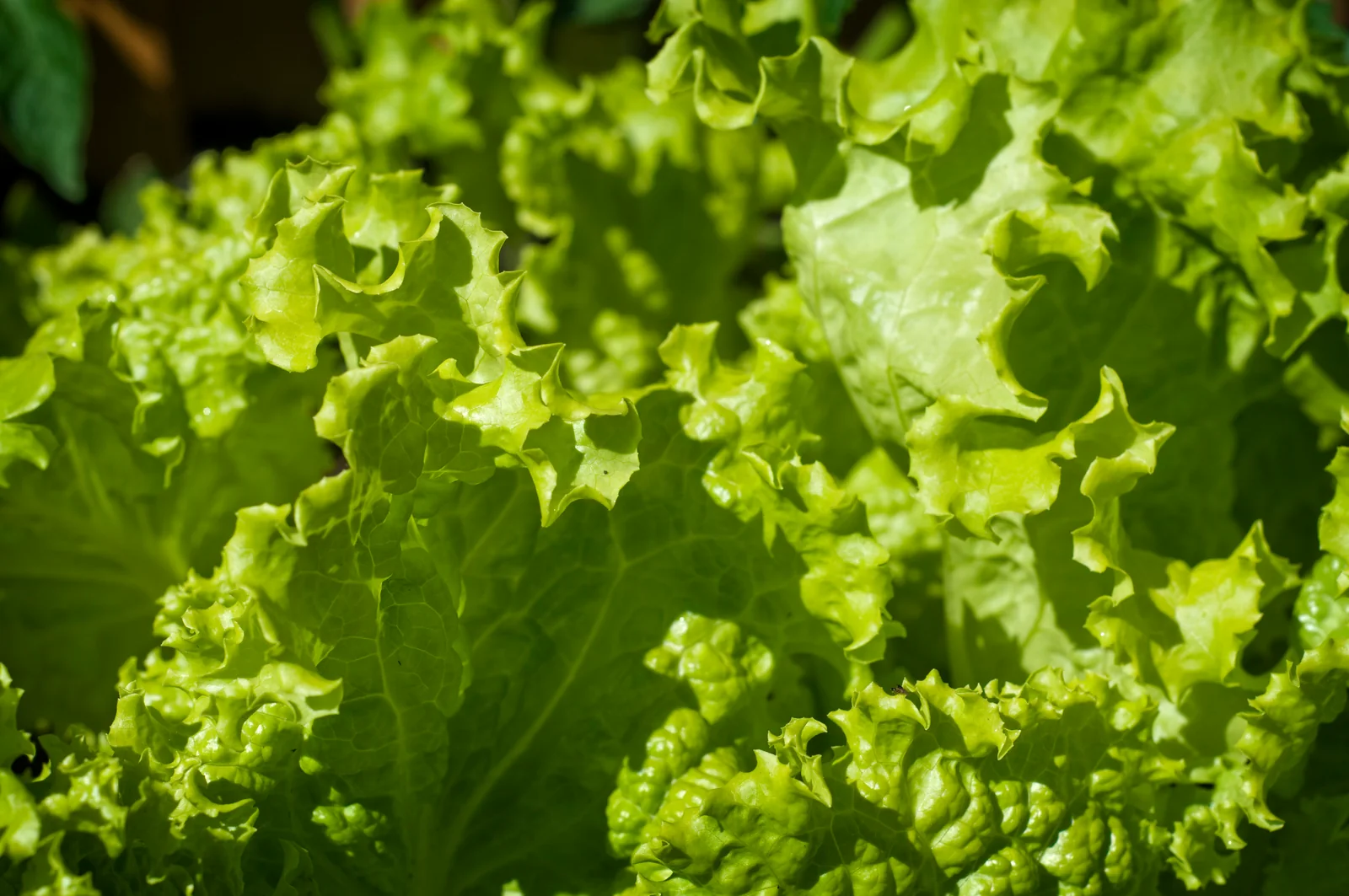

Treat root space as a separate layout constraint
A net pot supports a plant and its starting medium; it is not a reliable measure of the root volume that plant will eventually occupy. Roots can extend into a common reservoir or along a channel well beyond the holder. Oregon State notes that NFT channels have limited rooting space and are best matched to smaller-rooted or shorter-lived crops. That limitation matters even when the tops still look comfortably spaced. Oregon State: Nutrient film technique
Before planting, locate the water outlet, pump intake, diffusers and any inspection opening. Ask the manufacturer how roots should be kept clear of those components and what maintenance the system expects. Avoid planning a crop that will require unprovided root-pruning instructions merely to keep the system functioning. A larger canopy also makes the lid harder to lift while supporting hanging roots.
Record working solution volume separately from root clearance. More water does not automatically provide a wider channel, more accessible outlets or an easier way to remove a plant. When evaluating a system for longer-lived herbs, ask specifically about mature root management and individual plant removal. If the answers only describe newly transplanted seedlings, you still need information about the stage that will occupy most of your time.
Keep basil’s longer harvest plan visible
Basil can be a productive hydroponic herb, but it should be selected for its own growing requirements. Johnny's advises that basil's temperature, light and nutrient needs be managed deliberately and recommends growing it separately so those conditions can be adjusted. The same guide distinguishes hydroponic production advice from container production, an important distinction when reading its pot-size suggestions. A retail herb-pot diameter is not a hydroponic root-space specification. Johnny’s: Hydroponic and container basil guide
Choose a basil type for the flavor and habit you want, then decide whether to harvest it as a young crop or keep it for repeated cuts. A long-running plant needs a place in your water-change and cleaning schedule. It should not remain in a common reservoir merely because you are reluctant to end its harvest, while every other planting site waits for a reset.
For repeated harvests, note when branches start shading adjacent plants and when the holder becomes difficult to remove. Use the basil harvest guide to plan cuts around the plant's growth points. If the herb repeatedly outgrows the physical layout, change the cultivar, shorten the crop cycle or give it a more suitable system next time.
Use cool-season herbs as a scheduling decision
Cilantro is a useful example of why a list of hydroponically growable plants is not enough. Utah State describes its tendency to bolt under warm conditions and the value of growing it during cooler periods. This is crop biology that still matters indoors. Putting roots into nutrient solution does not remove the plant's response to its environment. Utah State: Cilantro and coriander in the garden
If a room is comfortable for a warm-season herb but repeatedly pushes cilantro toward flowering, do not keep increasing fertilizer in an effort to preserve the leafy stage. Compare the actual temperatures, cultivar description and harvest age. You may obtain a more useful result from smaller, repeated sowings or a cooler seasonal location than from trying to maintain one plant indefinitely.
Plan each candidate on a simple card: intended harvest, expected height and width, preferred conditions, anticipated occupancy and the way it leaves the system. Add any germination or transplanting needs from the seed supplier. Start with one small trial of a new herb. Do not fill every opening with several unfamiliar species at once and then expect a shared solution reading to explain which individual crop is unhappy.
Match shared water to a shared management plan
Plants sharing a reservoir also share additions, water changes and much of their root environment. Similar-looking leaves do not prove that two crops need the same nutrient program. Compare the specific crop instructions for both, including growth stage and source-water assumptions. UF/IFAS emphasizes selecting the system and crop combination together, and distinguishes the demands of short-term lettuce from longer-duration crops. UF/IFAS: Growing lettuce in small hydroponic systems
A practical compatibility test has three parts. Can both crops use the same documented nutrient program? Can the location and light suit both canopies? Can they finish or be removed without compromising the remaining roots and cleaning schedule? If one answer is unclear, separate small reservoirs may make management easier than forcing a mixed planting.
This is especially relevant when mixing seedlings with mature plants. Young plants may fit physically between established leaves while receiving unsuitable shade or sharing a solution intended for a different stage. Use an appropriate propagation area and transfer plants when the crop and system instructions indicate readiness. Label each batch. A shared birthday and similar harvest objective simplify a first crop more than an elaborate combination selected only for variety.
Plan succession around emptying and cleaning the system
For a continuing supply, start with the time each crop actually occupies a finishing position. Keep sowing and transplant dates separate, because a packet's days-to-maturity figure may be counted from a different starting point. Add the time needed to remove roots and clean the equipment. A harvest calendar that assumes immediate replanting can hide the maintenance task that matters most.
For example, two independent small reservoirs can carry staggered batches while allowing each reservoir to be emptied between crops. That is an organizational option, not a requirement to double your equipment. One reservoir harvested in batches may also work if its design provides individual access and a clear complete-changeover plan. Choose the arrangement that you can service comfortably.
After the first cycle, compare intended and actual canopy width, root access and harvest timing. Use the plant-spacing tool for layout arithmetic with your chosen spacing, while remembering that it does not validate hydroponic capacity. Adjust one main variable next time, such as plant count or harvest size. Expand the crop list only after the routine can accommodate mature roots, different harvest dates and a complete cleanup.
Sources & further reading
We favor university extension guidance and original product documentation. Linked sources support the specific facts cited; they do not endorse Garden Gear Atlas.
- Illinois Extension: Home hydroponics
- Utah State: Lettuce in the garden
- Oregon State: Nutrient film technique
- Johnny’s: Hydroponic and container basil guide
- Utah State: Cilantro and coriander in the garden
- UF/IFAS: Growing lettuce in small hydroponic systems