Put the nursery label beside a measured job description
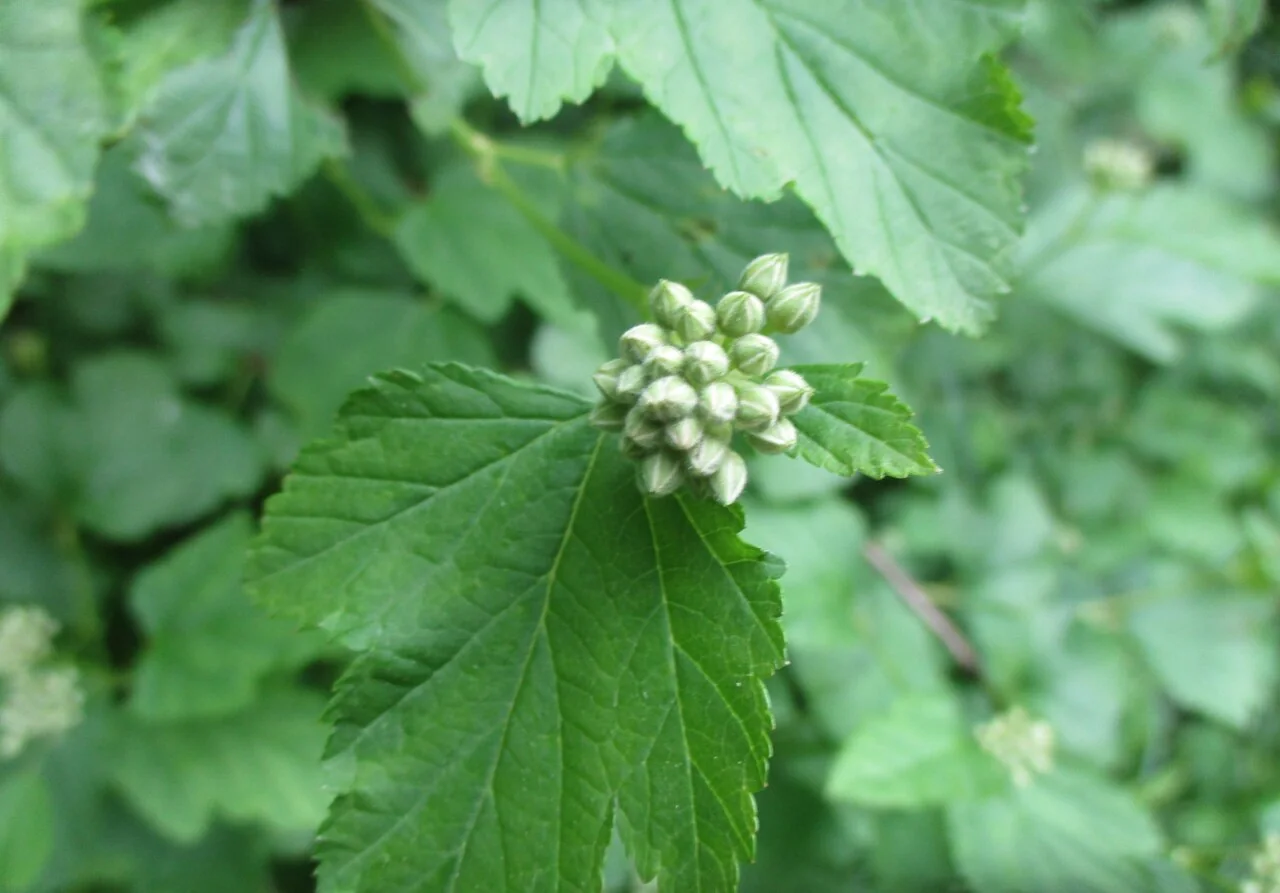
Write the full label and the actual constraint on the same page: for example, named ninebark beside a path that must remain clear. If the cultivar is unknown, say so and measure the existing plant. Do not infer its adult size solely from whether the leaves are purple, green or gold.
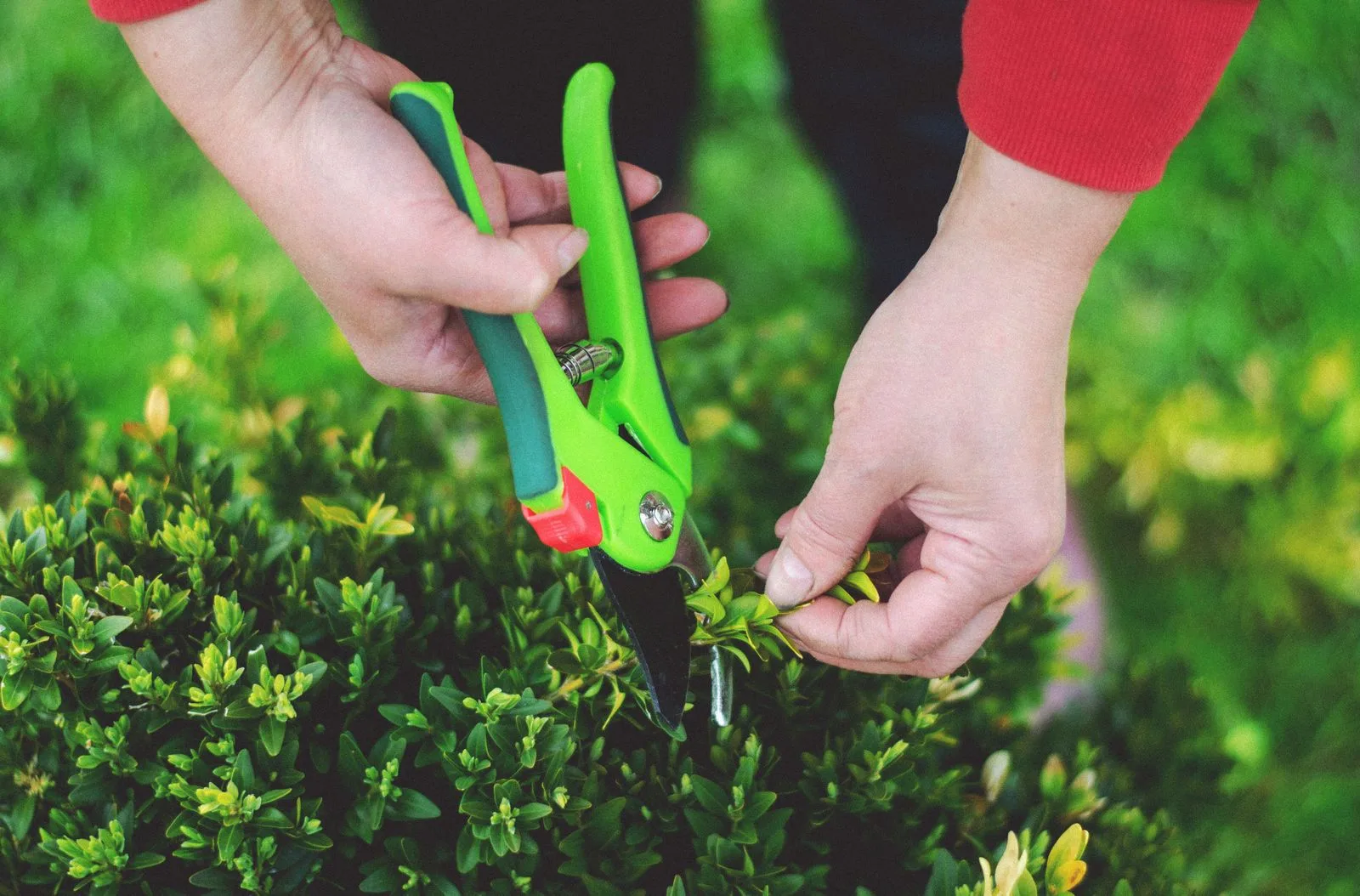
For selected reachable cuts, a FELCO 6 pruner can suit small stems, while the FELCO 211-50 bypass lopper provides a separate option for an accessible cane requiring two-handed cutting. Assess hand fit, working room and the particular stem before buying. A published cutting capacity is not a promise that every user can comfortably make a cut of that diameter.
Leave the cutting tools aside while you evaluate the framework. The first task is deciding what should remain, not seeing how much growth the tool can remove. Use the common ninebark profile if you need the species context, then work with the cultivar and site you actually have.
Compare cultivar dimensions before comparing leaf colors
Morton Arboretum describes Little Devil, 'Donna May', at 3–4 feet tall and wide and Summer Wine, 'Seward', at 5–6 feet tall. A shared dark-foliage role does not make them interchangeable in a restricted bed. Morton Arboretum: Common ninebark
Suppose your usable planting width is four feet after allowing access on both sides. A plant whose documented spread matches that width still needs scrutiny of branch placement and the firmness of those boundaries. A selection expected to be substantially broader starts with a predictable conflict. This is an illustrative fit test, not a universal spacing rule.
Ask whether the size description reflects an unpruned plant and how old the referenced examples are. A nursery sales photograph usually provides little evidence on either point. Where possible, inspect a mature local specimen and keep its maintenance history with your notes.
Only after that fit check should color break a tie between suitable candidates. Choosing the most striking leaf and planning to control everything else later puts a permanent maintenance task inside what looked like a simple purchase.
Choose between an arching framework and a clipped surface
Look at the ninebark from several sides and trace the major canes from their bases into the canopy. Decide whether their arching lines contribute to the garden or conflict with the shape you need. A photograph taken in leaf can hide the structure, so include a view when branches are easier to see.
Maryland Extension notes that shearing removes the characteristic form and stimulates dense outside growth, while thinning removes selected branches at their origin. Pruning cannot permanently stop a large shrub at a small size. Maryland Extension: Pruning shrubs and hedges
Use those distinctions to describe the intended result. An open specimen with a few useful canes calls for a different approach from a geometric hedge. If you want the latter, consider whether you accept the repeated work and the effect on flowers and visible bark.
Do not describe selective cane work as merely a slower haircut. Its purpose is to choose which parts of the framework occupy the space. Before a cut, you should be able to point to the structure you intend to keep and explain what the removed cane was preventing.
Assign a purpose to each retained part of the shrub
On a printed photograph or simple sketch, mark the canes that give the desired outer line, preserve a useful view through the plant or contribute attractive exposed bark. Mark a different color for stems creating specific access or crowding problems. Leave uncertain stems unmarked until you can trace them clearly.
Prioritize the most consequential conflict. If one cane blocks the maintenance route, assess that cane first and then step back. There is no need to continue until every part of the shrub looks equally edited. A successful limited intervention can leave most of the plant undisturbed.
Check how a proposed removal changes the view from indoors and along the path. A cane that appears expendable from the rear may supply much of the visible outline from the front. This matters particularly for a single specimen where a large empty space will be conspicuous.
The record also helps prevent different gardeners from removing different supposedly surplus canes in the same season. Keep the plan associated with the exact plant rather than applying it automatically to every ninebark in a row.
Choose timing according to the benefit you want to retain
Ninebark flowers on older growth. NC State describes after-bloom pruning to preserve flowers and winter rejuvenation for a different purpose. NC State Extension: Common ninebark
For a limited structural change, decide how much the coming flower display matters and whether the conflict can wait. If the issue is minor, observing the plant through bloom can reveal which framework is worth retaining. If access is seriously obstructed, solving that problem may matter more than keeping every flowering point.
For extensive renewal, consult the shrub rejuvenation-or-replacement guide before committing. A complete reset changes the garden's appearance and needs a separate assessment of plant health and recovery prospects. It should not be the automatic next step after finding one inconvenient cane.
Keep the result you want explicit: a renewed framework, a retained spring display or a changed planting arrangement. Choosing a season becomes easier when the job is defined by its purpose instead of a general instruction to prune all shrubs now.
Make mildew history part of the cultivar decision
Pacific Northwest Extension reports cultivar differences in powdery mildew susceptibility and notes that even resistant selections can become infected. Its cultural guidance includes appropriate spacing and sun. These are disease-management considerations, not guarantees that a particular site or cultivar will remain clear. Pacific Northwest Extension: Ninebark powdery mildew
If mildew has been recurrent, record which plants are affected, their cultivar identities and the severity over time. A few marked leaves and repeated early defoliation are different experiences. Compare the actual maintenance burden and appearance before replacing a whole row with another cultivar selected only for similar color.
Keep diagnosis separate from design. Confirm that the symptom is mildew, then assess whether the planting is unnecessarily crowded or difficult to inspect. Opening space can improve access even when it does not settle the disease question. Avoid assuming that a severe pruning event will erase a recurring susceptibility.
Ask a local extension adviser or nursery for regional evidence on the replacement candidate. The most useful information concerns an identified cultivar in comparable conditions. A broad phrase such as disease resistant is less informative without knowing the problem, region and observations behind it.
Test the physical cut before committing to the session
With the intended cane identified, inspect the working space around its base. Can the tool open without damaging neighboring stems? Can you stand securely and see the cutting point? Is there a clear path for the removed material? A narrow interior pocket can make a nominally small cut awkward.
Use gear comparison to compare documented dimensions and fit. Choose a saw rather than forcing a pruner or lopper when the branch and access call for one, but assess that saw's clearance too. A different cutting mechanism does not solve an unseen or unreachable cut.
For relevant small branch junctions, the ground-level branch-cutting guide explains cut placement. Do not translate an illustrated tree-branch cut into an indiscriminate rule for every basal cane. Identify the actual attachment and avoid damaging retained growth.
Stop after the planned work and inspect the result from the original viewpoints. Additional cuts are a fresh decision. Keeping the session bounded makes it easier to evaluate whether selected cane work solved the problem you identified.
Keep the cultivar only if the recurring job is acceptable
Review the shrub after a complete growth cycle. Has usable clearance remained, and is the framework still attractive from the main viewpoint? Did the new work stay within your expected time and effort? Compare photographs rather than relying on the impression that it always grows too much.
If a few purposeful cane decisions maintain a useful plant, keep that approach and update the map when needed. If the whole outline must repeatedly be reduced, reconsider the adult dimensions and role. Changing to a better-fitting cultivar can be more sensible than continually escalating the cutting equipment.
For a replacement, write a purchase brief containing usable width, desired height, foliage role and the local disease issue you want to avoid. Keep every requirement separate so that a striking sales photo does not override the others. Use the native-shrub seasonal guide if the replacement must also serve a different seasonal role. The objective is a shrub whose growth you can use, with a clearly defined amount of maintenance.
Sources & further reading
We favor university extension guidance and original product documentation. Linked sources support the specific facts cited; they do not endorse Garden Gear Atlas.
- NC State Extension: Common ninebark
- Morton Arboretum: Common ninebark
- Pacific Northwest Extension: Ninebark powdery mildew
- Maryland Extension: Pruning shrubs and hedges