Keep species, cultivar and sales name together
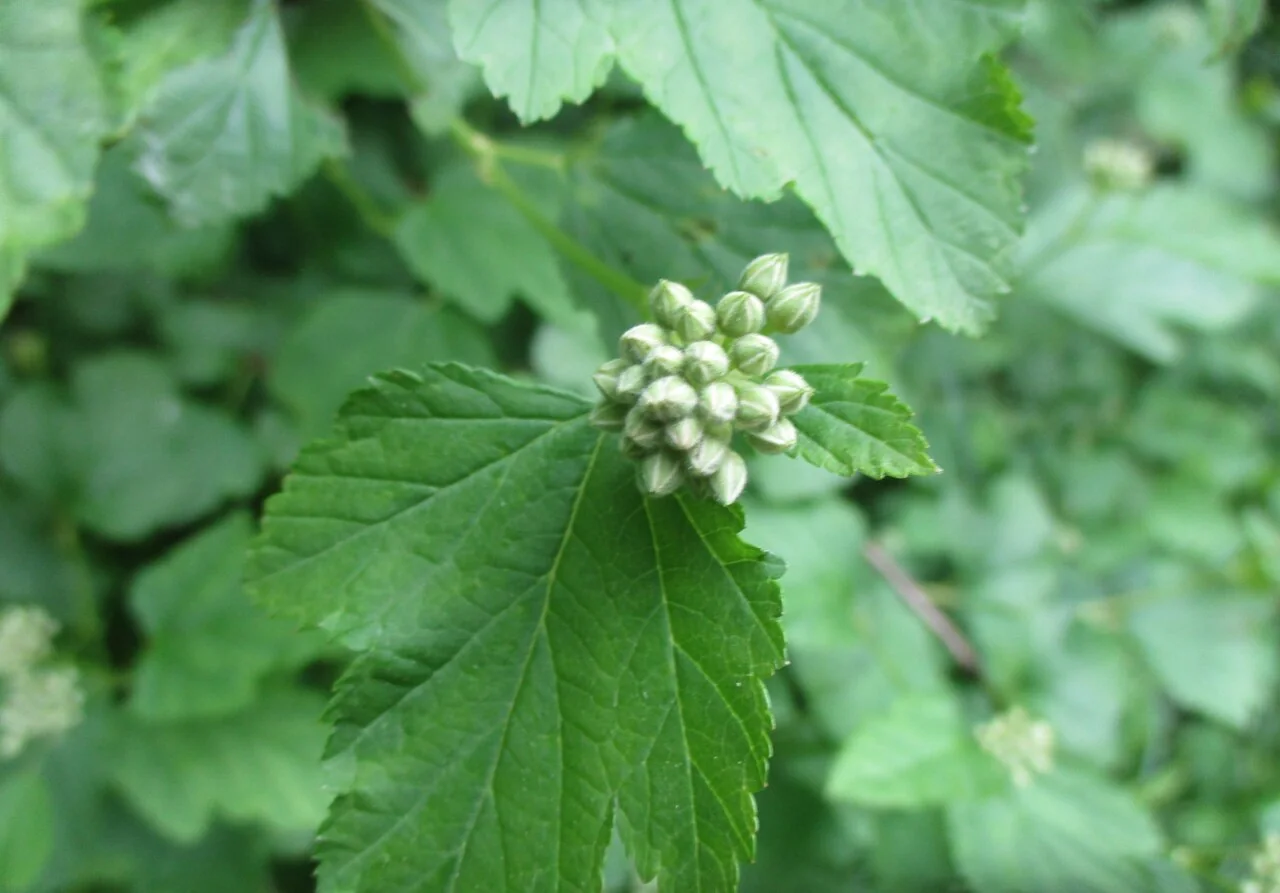
Common ninebark is Physocarpus opulifolius, native to central and eastern North America. Cultivars extend its usual green foliage into other colors. NC State Extension: Common ninebark
A label may display a prominent trade name with a less conspicuous cultivar name beneath it. Record both. That makes it easier to compare references, replace a failed plant accurately or discover that two different sales descriptions refer to the same selection. A mixed row bought only as purple ninebark can contain different growth habits.
For an inherited specimen, avoid assigning a cultivar from leaf color alone. Photograph flowers, leaves and the entire plant, then treat the adult dimensions as observed information until identification is stronger. You can make a practical access decision without claiming to know an exact name that the evidence does not support.
For a purchased specimen, inspect the main stems at the base and photograph the plant before any nursery ties are removed. Decide whether the current framework gives you a useful starting shape, without assuming it predicts the full adult outline. If two plants of the same cultivar look very different, ask about their age and previous pruning. That information is more useful than choosing whichever one currently forms the neatest ball. Keep the answer with the label so later structural changes can be compared with the plant you actually received.
Use adult dimensions to choose the role
Morton Arboretum lists Diabolo, cultivar 'Monlo', at 8–10 feet high, while Little Devil, 'Donna May', is described at 3–4 feet high and wide. That is a meaningful difference in garden use, even though both offer dark foliage. Morton Arboretum: Common ninebark
Draw the shrub's expected width on the bed plan before choosing how many to buy. In a loose border, leave a route for reaching the rear plants. Beside a gate or drive, measure the clearance that must remain open. The plant's pot size tells you about the purchase you carry home, not the canopy you will eventually maintain.
If the design calls for a narrow formal shape, be honest about that goal at the buying stage. A selection that already fits the available space offers more freedom to enjoy its branches than a large plant chosen on the assumption that regular cutting will make it small.
Assess foliage in the actual background
A leaf-color photograph is influenced by light, season and surrounding colors. When visiting a nursery, view the plant beside a neutral surface and from several steps away. Decide whether you want the foliage to be a dark background, an isolated accent or one part of a larger group.
If you are comparing cultivars, make the comparison at the same time under similar exposure. Keep size, leaf appearance and local health as separate notes. Do not award one plant a better overall score merely because its current growth happens to match the color in a catalog.
At home, include fences, paving and nearby shrubs in the view. A foliage color that looks dramatic in a close-up can become hard to distinguish against a dark wall. Moving the proposed position on paper is much easier than discovering that problem after the shrub has established its framework.
For a row beside a light-colored fence, lay out the proposed positions before ordering. Look along the row from each end as well as straight at it. A series of broad canopies may block views or crowd a corner that seems unobstructed in a frontal photograph. If the row must turn, allocate the corner first; it is often the point where adult branches from two directions compete for the same space.
Let the first season answer site questions
Prepare access for watering and inspection before adding the shrub. Check whether a hose can reach without dragging through neighboring plants. Leave enough open ground to find the original root ball and identify any moisture difference between it and the surrounding soil.
During dry weather, inspect the rooting area rather than assuming an established-species tolerance describes a recent transplant. During wet weather, inspect how runoff moves through the bed. Record visible problems with a date and photograph so that later changes in leaf condition can be compared with the actual conditions.
Keep maintenance changes limited enough to evaluate. If you simultaneously increase irrigation, apply fertilizer and cut the shrub back, subsequent growth gives little evidence about which change helped. A simpler first-season routine makes it easier to decide whether the site is suitable before buying a whole row of the same cultivar.
Treat the branch framework as part of the display
Mature bark peels in layers, and flowers develop on older growth. NC State advises pruning after bloom to preserve flowering. NC State Extension: Common ninebark
Examine the plant when its branches are easy to trace. Identify which stems provide the outline you value and which create a genuine conflict. One can block access while several others contribute useful structure. Do not assume all stems deserve the same cut merely because they emerged from the same base.
Maryland Extension distinguishes thinning from shearing: selective removal opens a shrub, whereas shearing alters its characteristic shape and encourages dense outer growth. Use that distinction to describe the job before selecting equipment. Maryland Extension: Pruning shrubs and hedges
For the species-specific choice between maintaining a cane framework and repeatedly clipping the outer surface, see the ninebark cultivar and renewal guide.
Investigate a powdery coating before choosing a treatment
Pacific Northwest Extension describes ninebark powdery mildew on leaves, stems and flower or fruit clusters; distorted shoots and premature leaf loss can occur. Susceptibility differs among cultivars, and reported resistance does not mean immunity. Pacific Northwest Extension: Ninebark powdery mildew
Photograph the affected part and a healthy part of the same plant. Record whether the problem is isolated or widespread, and whether the leaves remain functional or are dropping early. This gives an extension adviser a more useful starting point than a general statement that the purple plant looks bad.
If the same issue recurs, evaluate the planting arrangement and cultivar choice as well as the current symptoms. A row of closely packed identical plants can turn one poor local match into a large maintenance commitment. Do not move immediately from a white coating to a routine spray schedule; confirm the problem and choose a proportionate response.
Make replacement and maintenance decisions from records
Keep a photograph of the shrub at full size, then mark the clearance needed for its neighbors and access routes. Compare that image with a second photograph after any purposeful maintenance. The useful question is whether the change solved the stated problem while leaving a form you still like.
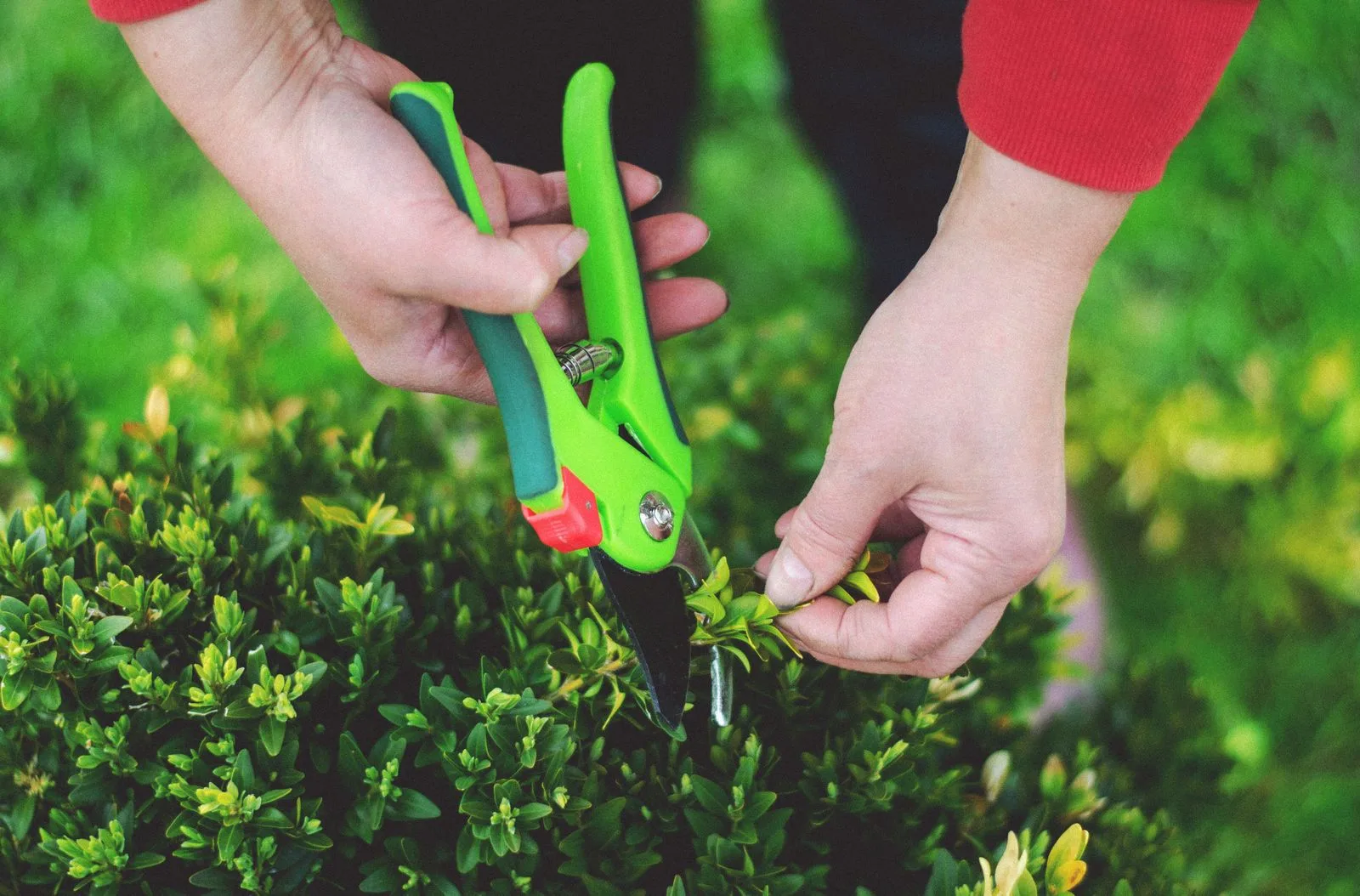
A FELCO 6 hand pruner is relevant for suitable small stems, and a Corona folding pruning saw may be relevant to a larger accessible cane. Neither product name establishes that a particular cut is safe or within your reach. Inspect the route of the blade and the surrounding stems before choosing.
If the plant repeatedly overwhelms its position, use the rejuvenation-or-replacement guide to assess the larger decision. If hand fit or cutting mechanism is the uncertain part, use the pruning-tools guide. A good long-term result combines a suitable cultivar, usable access and an amount of maintenance you are willing to repeat.
Before repeating a cultivar across a long border, consider whether one season of observation would answer a meaningful uncertainty. A trial position can reveal how its color reads against your fence and whether the mature layout remains accessible. This is a planning choice, not a claim that one season establishes its lifetime performance.
Sources and scope
Research-based guidance informed by institutional references. Cultivar, region and growing conditions can change the advice. Product inclusion does not imply hands-on testing of every model.