Name the problem before removing the plant
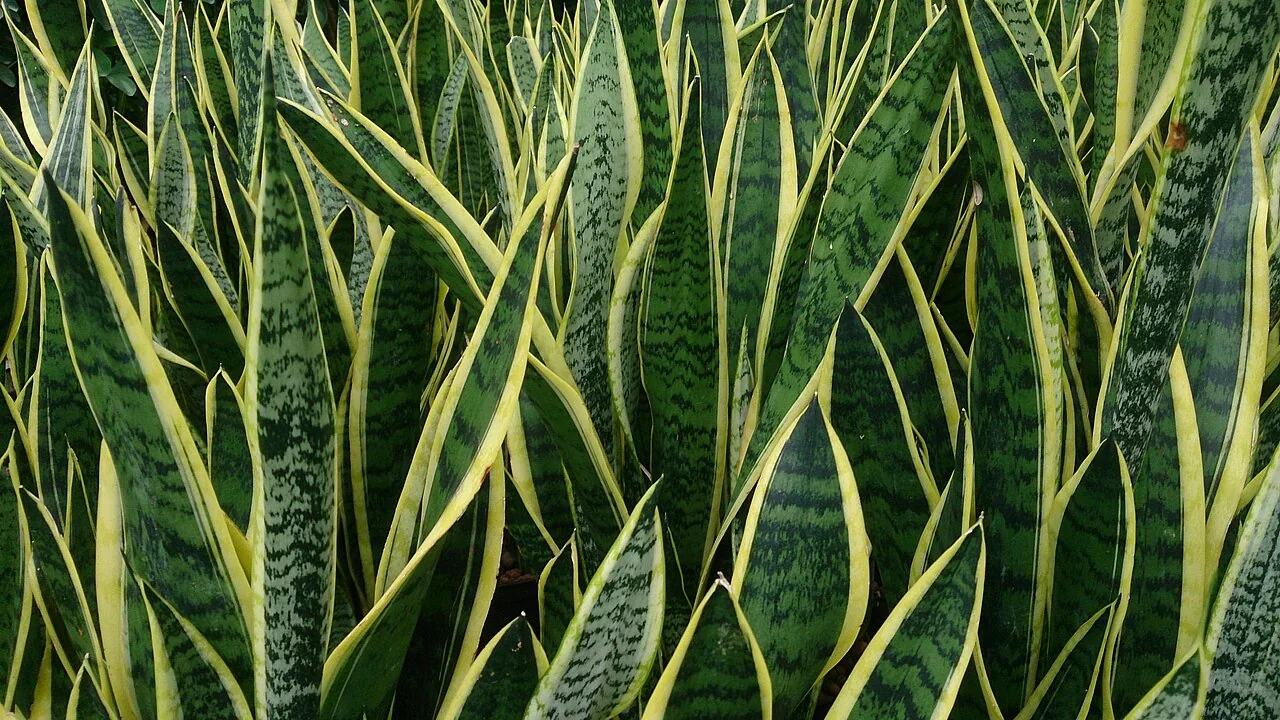
A snake plant may need attention because the pot bulges, the clump leans, a shoot presses against the rim, or the mix remains wet. These are different observations. Write down the one that brought you to the plant and note whether the foliage is otherwise firm. A pot that is mechanically failing deserves prompt replacement; a healthy plant with one new shoot may simply deserve a planned inspection.
Iowa State describes snake plant division as separating clumps by cutting the underground rhizome while retaining roots and shoots on each piece. That is a structural operation, not a way to correct every discolored leaf. Iowa State Extension: Caring for Sansevieria
Decide what outcome you want before opening the root ball: retain the same display, make a smaller clump, or grow a larger specimen. Measure the current spot and the route to the watering area. If the room cannot accommodate a wider container, that constraint belongs in the decision now rather than after you have purchased the next size.
Expose enough of the root ball to understand its shape
Support the clump at its base while easing the container away. Avoid treating tall leaves as handles. Once the root ball is visible, look at its depth, width, and the positions of the connecting rhizomes. Compare those dimensions with the interior of the pot, which may taper sharply even if the rim looks generous. The task is to understand what occupies the container, not to strip every particle of mix away from a sound plant.
Identify the sections you could separate without leaving a cluster of leaves disconnected from adequate roots. A clump may offer obvious natural divisions, or it may be better kept intact. Photograph the underside and sides before you make that choice. Those views let you compare potential pots and ask for assistance without repeatedly handling the plant.
Inspect tissue condition as well as crowding. Firm roots and rhizomes require a different response from soft, deteriorating areas. If the root system looks compromised, postpone the aesthetic decision about the largest pot you can fit and focus on what healthy plant material remains.
Use three routes: keep, divide, or increase the container
Keep the current pot when it is intact, stable, and still lets you water and inspect the plant effectively. The presence of roots near the side is not, by itself, a failure. Make a note of the tight area and revisit it when growth or watering behavior changes. This is a real decision, not an absence of action: you have assessed the relevant constraints and found no urgent need to disturb a sound clump.
Divide when the desired outcome is a smaller display or separate established sections. Increase the container when you want to retain the clump and have room for its expansion. These routes solve different ownership goals even if both begin with the same crowded plant. Compare the work required by several small pots with the work required by one heavier pot.
Iowa State's division guidance requires healthy vegetative parts on each new section and notes the advantage of larger pieces for recovery. Use that principle when choosing where to separate, rather than forcing symmetrical portions that leave some pieces poorly equipped to establish. Iowa State Extension: Division and offsets
Let the moisture cycle veto an unsuitable pot
Illinois Extension recommends allowing snake plant mix to dry completely between waterings. A plant that already remains wet for a long time needs that condition examined before it receives more surrounding mix. Illinois Extension: Mother-in-law tongue
Compare the new pot's volume with the root ball you actually intend to keep. A tall ornamental planter may contain far more unused depth than the rhizomes require. If you want that external height, a suitable draining nursery pot inside an appropriately arranged outer container may be easier to manage. Confirm that you can remove or empty collected water without lifting by the leaves.
Check more than the visible surface. A dry-looking top can coexist with a moist lower zone, especially when a decorative layer prevents direct inspection. Remove the obstacle to checking before relying on a device to interpret conditions through it. Record the plant's response after the change and reconsider the next watering from the new setup, rather than copying the old interval because the species is unchanged.
Treat stability as a separate mechanical problem
Stand the empty proposed container on the actual surface and consider its base, height, and handling points. Then compare it with the weight and direction of the clump. A narrow pedestal pot can look substantial yet provide a poor base for tall leaves. An uneven stand or a pot partly overhanging a shelf can be the true cause of insecurity, even when the root ball fits well.
If the roots are sound, solve external balance with a stable stand or suitable outer container rather than burying leaf bases deeply to hold them upright. Keep the watering route practical. A cover pot that improves balance but makes runoff impossible to remove substitutes one maintenance problem for another. Check the full arrangement with the room in use, including nearby doors and passing people.
Iowa State's houseplant care guidance recommends broad bases for tall plants and treats drainage and pot size as separate container requirements. The design implication is to compare shape, usable volume, and water removal individually instead of shopping by weight or decorative style alone. Iowa State Extension: Houseplant care
Preserve a variegated pattern with the right propagation method
Leaf-section cuttings can lose the characteristic margins of some variegated snake plant cultivars, including Laurentii, because those patterns are chimeral. Division is the recommended route when retaining that pattern is the goal. Iowa State Extension: Caring for Sansevieria
Keep the cultivar label with the original clump until each division has its own label. If the plant's exact identity is unknown, describe the pattern and form accurately rather than assigning a named cultivar from a quick photograph. The purpose of division can still be clear: retain similar foliage in several established sections while reducing the size of the parent display.
Prepare receiving pots before making cuts, and keep the number of divisions proportionate to the space you have. A cluster of tiny pieces can demand more observation than one substantial plant. Do not start a leaf-cutting experiment accidentally while trying to repot; if that is a separate goal, label and manage it as a separate process so slower rooting does not become confused with the recovery of a divided clump.
Re-establish a checking routine after the change
Return the plant to a position where you can watch the base and inspect the mix. Note the date, container, and whether you retained, divided, or reduced the root ball. That record explains why the next moisture cycle may differ from the previous one. Newly separated pieces and a large intact clump should not be assumed to need identical attention simply because they came from the same pot.
Observe whether the sections remain secure and whether leaves retain their firmness. Resist lifting the plant out repeatedly to look for evidence of new roots. If something is worsening, document the pattern and the actual moisture condition before adding water, fertilizer, or a support. The correction should follow what changed rather than a general expectation that repotting must produce immediate growth.
For a wider comparison of symptoms, use houseplant repotting signs. For watering decisions, use pot-by-pot indoor watering. Keep this particular project focused on the relationship between the clump you retained and the container in which it must establish.
Choose purchases only after inspection
Most of the useful work happens before shopping: identify the form, inspect the underground structure, measure the retained clump, and choose where drainage will happen. There is no universal snake plant pot that resolves those decisions. A draining container of an appropriate shape may be the only purchase, and keeping the current one can be the correct outcome when it still functions.
If comparing potting mixes, ask what the current medium is doing poorly. An excessively wet mix and a small pot that dries beyond your ability to monitor present opposite problems. Changing to a very coarse medium is a change in the whole care routine, not a guarantee that every future watering becomes correct. Use the snake plant profile as the ongoing reference.
UF/IFAS cautions that snake plant spreads in Florida landscapes and recommends alternatives for outdoor planting there. Surplus divisions therefore need an intentional indoor destination or locally appropriate disposal, rather than being planted outdoors merely to avoid discarding them. UF/IFAS Gardening Solutions: Plant this, not that
Sources & further reading
We favor university extension guidance and original product documentation. Linked sources support the specific facts cited; they do not endorse Garden Gear Atlas.
- Iowa State Extension: Caring for Sansevieria
- Iowa State Extension: Division and offsets
- Illinois Extension: Mother-in-law tongue
- Iowa State Extension: Houseplant care
- UF/IFAS Gardening Solutions: Plant this, not that
.jpg)