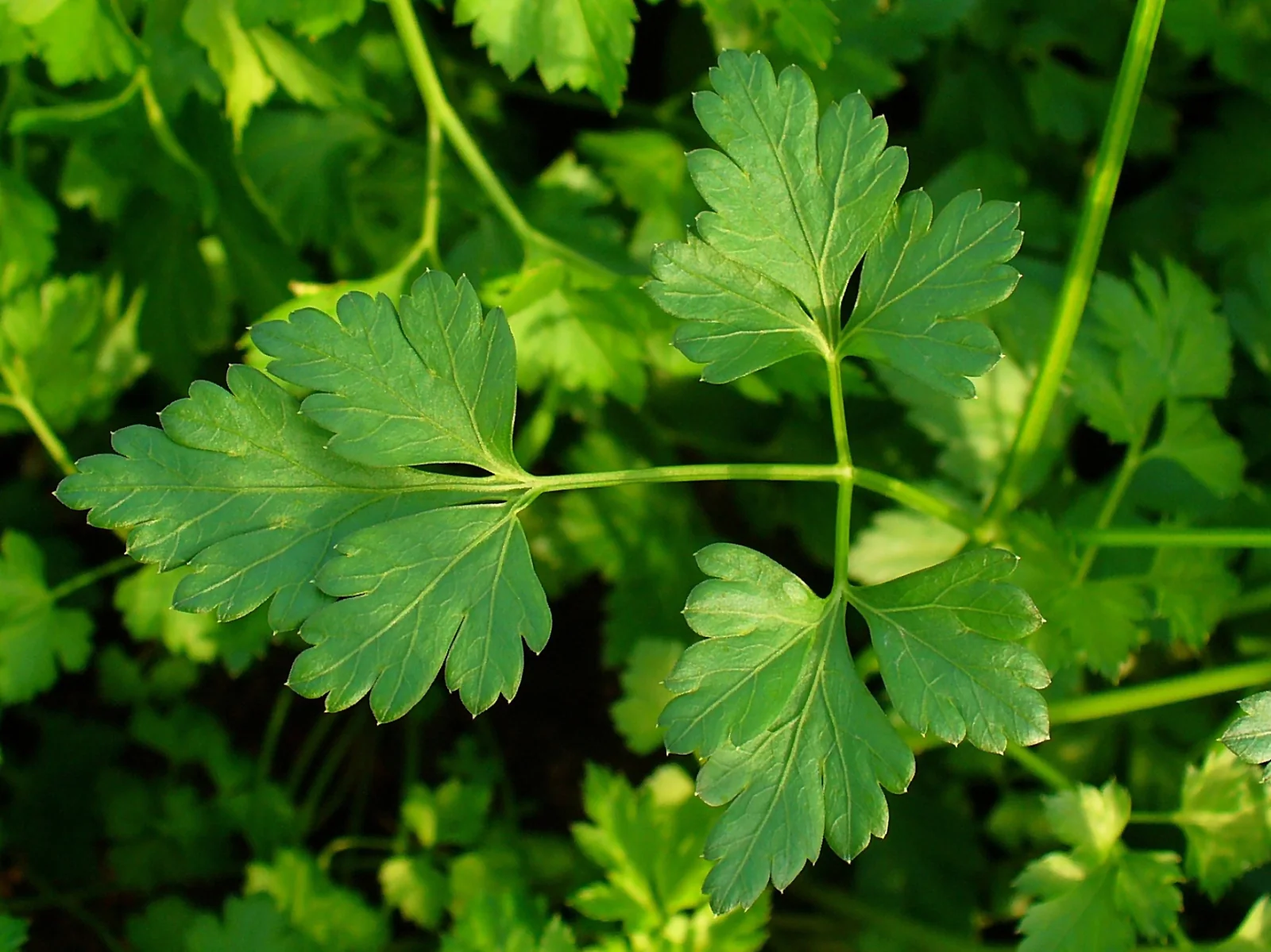
Choose a leaf form and understand the biennial cycle
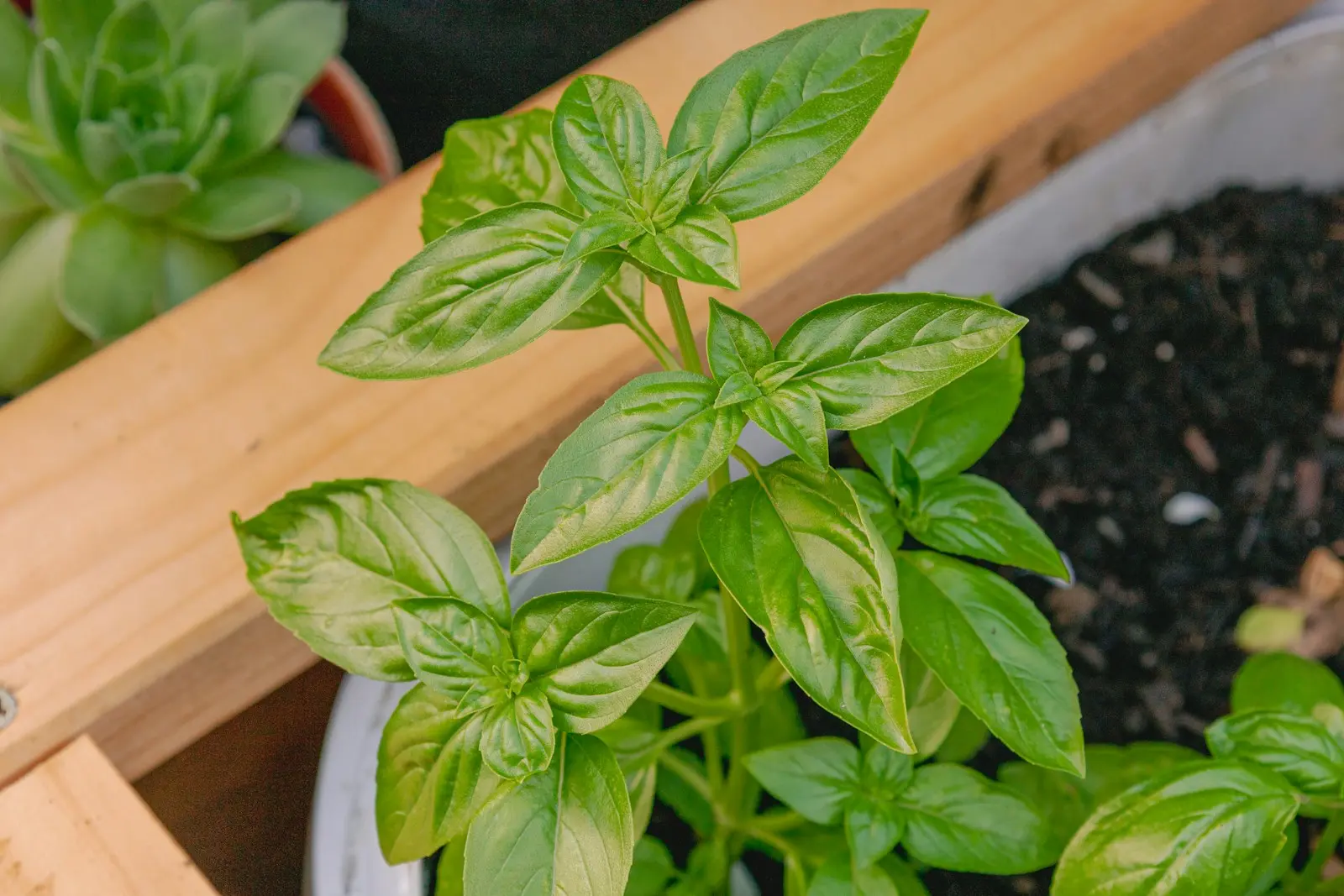
Leaf parsley includes both curly and flat-leaved forms of Petroselinum crispum. Curly leaves add fine texture to a border, while flat-leaf types are commonly chosen for cooking and a stronger flavor. Hamburg or root parsley is selected for its enlarged edible root and needs its own harvest plan; this profile focuses on the leafy crop. A rosette is the normal first-year form, with taller flower stems developing as the plant completes its biennial cycle. Wisconsin parsley profile.
Annual cultivation simply means starting replacements each growing season for good leaves. It does not change parsley's biology into that of an annual herb. A surviving plant can provide early growth and later flowers, but do not make it the sole source for the next year's kitchen harvest. Keep young replacements alongside older plants if you want both leaves and flowers. The parsley germination and bolting guide develops that scheduling choice in more detail.
Match the leaf crop to your local cool season
Parsley performs well in a fertile bed with reliable moisture, but climate changes when that bed is most productive. NC State notes that parsley does better in cool summer areas and can wilt in the hot, humid Deep South. Full sun is useful in mild conditions; light shade is a reasonable alternative when strong afternoon exposure adds stress. Deep shade is not a substitute for a cooler growing season. NC State parsley profile.
Place plants where you can inspect the central crown and cut the outside leaves without trampling neighboring roots. Parsley can also serve as an ornamental edge, especially curly forms, but it still needs enough root space and moisture for repeated picking. Separate a temporary afternoon wilt from a plant that remains limp in cool morning conditions. The latter deserves closer inspection of the soil and roots. Adjust location or irrigation to the actual pattern rather than treating every drooping leaf as a fertilizer shortage.
Allow enough time for germination
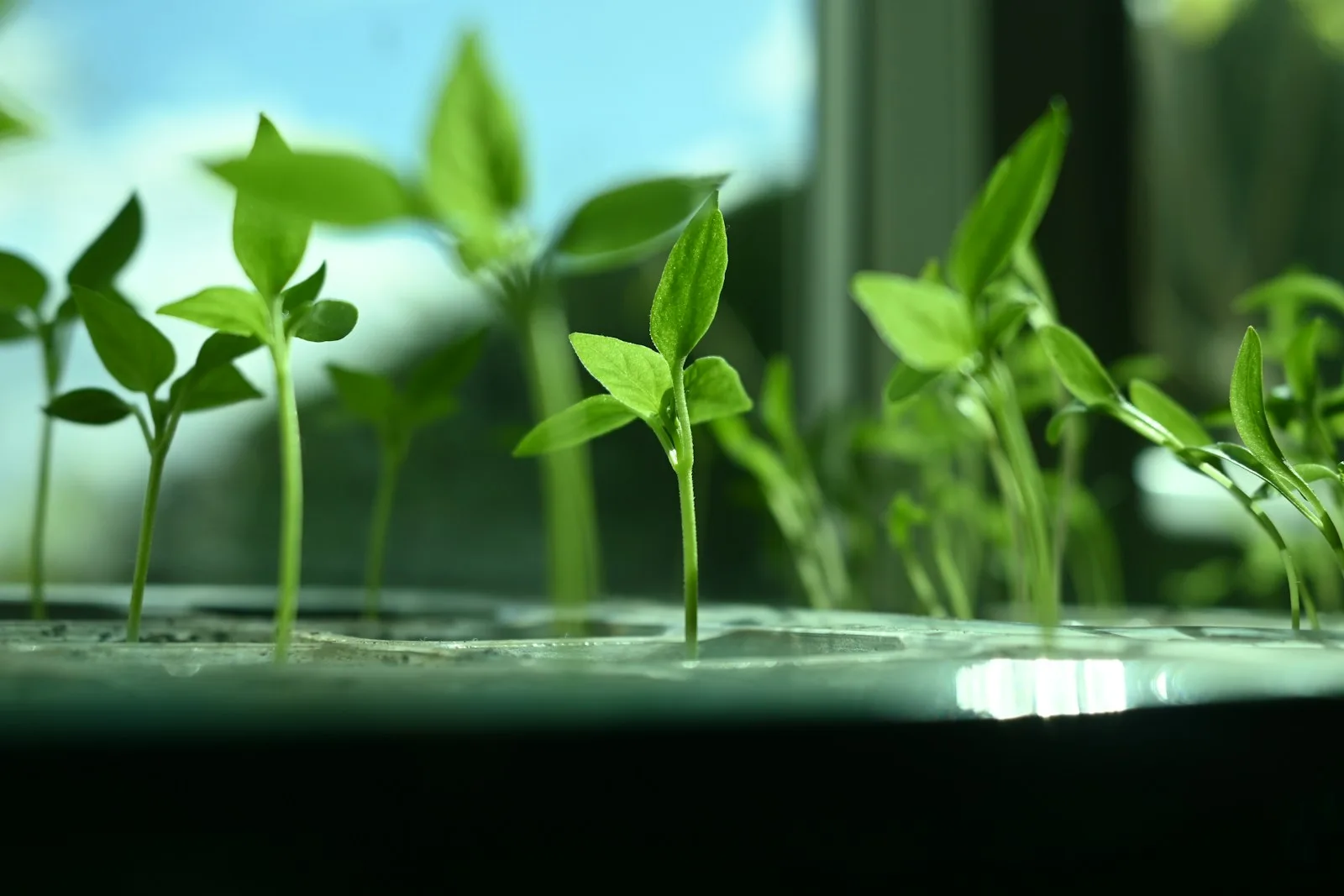
Parsley seed may take several weeks to emerge. The University of Minnesota gives a germination range of two to five weeks depending on seed freshness and suggests an overnight soak to help the process. Sow into a prepared seedbed, keep it moist, and mark the row so an apparently empty patch is not cultivated away. Seedlings start with narrow seed leaves; do not mistake them for grass solely because they lack mature parsley foliage. University of Minnesota parsley guidance.
Transplants offer a useful shortcut, particularly where the desirable growing season is short. Handle the root ball gently and avoid bending or tearing the taproot. The aim is to establish a healthy crown with space to expand, not to fit as many nursery starts as possible into the bed. For an indoor start, choose cells that let you remove the rooted plug cleanly, then move the plant on when needed. A full seed tray does not justify leaving its occupants cramped while outdoor conditions remain unsuitable.
Make a container a proper root zone
A parsley pot needs depth as well as surface area. The RHS recommends a container at least 10 inches wide and deep for sowing parsley, with free-draining potting medium. This gives a more useful starting point than a shallow decorative bowl. Position bought plants at their previous growing depth, acclimatize indoor-raised plants before planting outside, and water them in so the root ball and surrounding mix connect. RHS parsley guide.
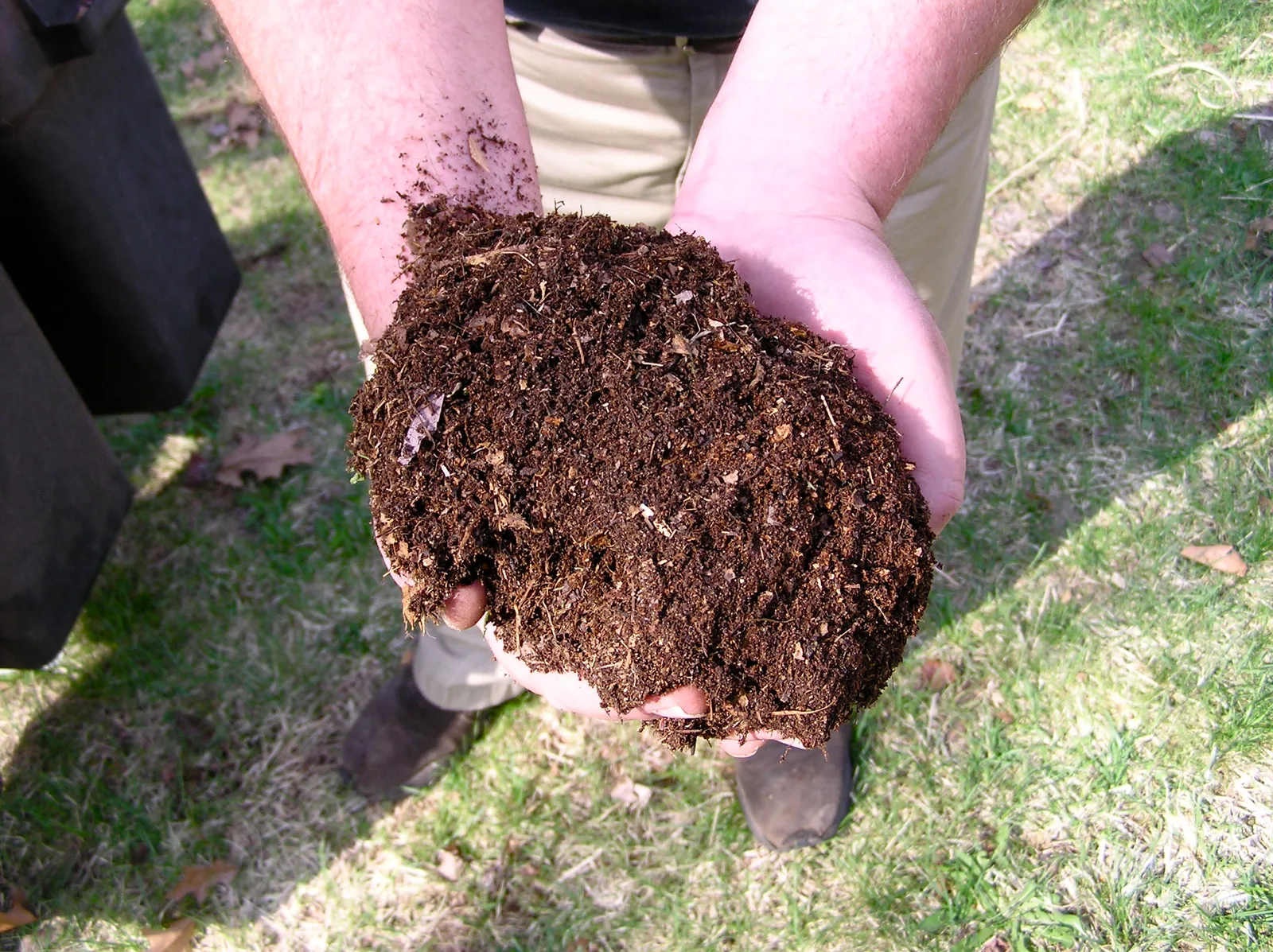
Check moisture below the surface during active growth. A dry crust can hide a still-wet lower pot, and a dense canopy can conceal a container that is drying quickly. Let excess water escape after irrigating. Remove yellowing lower leaves and competing weeds so the crown remains accessible. In shared containers, choose companions with a similar need for moisture rather than a woody herb that prefers more drying. The potting mix guide explains why a container needs a different root environment from an ordinary garden bed.
Harvest whole outside stalks and renew the crop
Begin picking when the plant has enough foliage to spare, taking the older outside stalks close to their base and leaving the center growing. Harvest to suit growth: a recently transplanted plant needs a lighter cut than an established rosette. For storage, Illinois Extension recommends washing and drying the leaves before refrigeration and also notes freezing as an option. Fresh parsley remains a useful choice when its leafy texture is part of the dish. Illinois parsley guide.
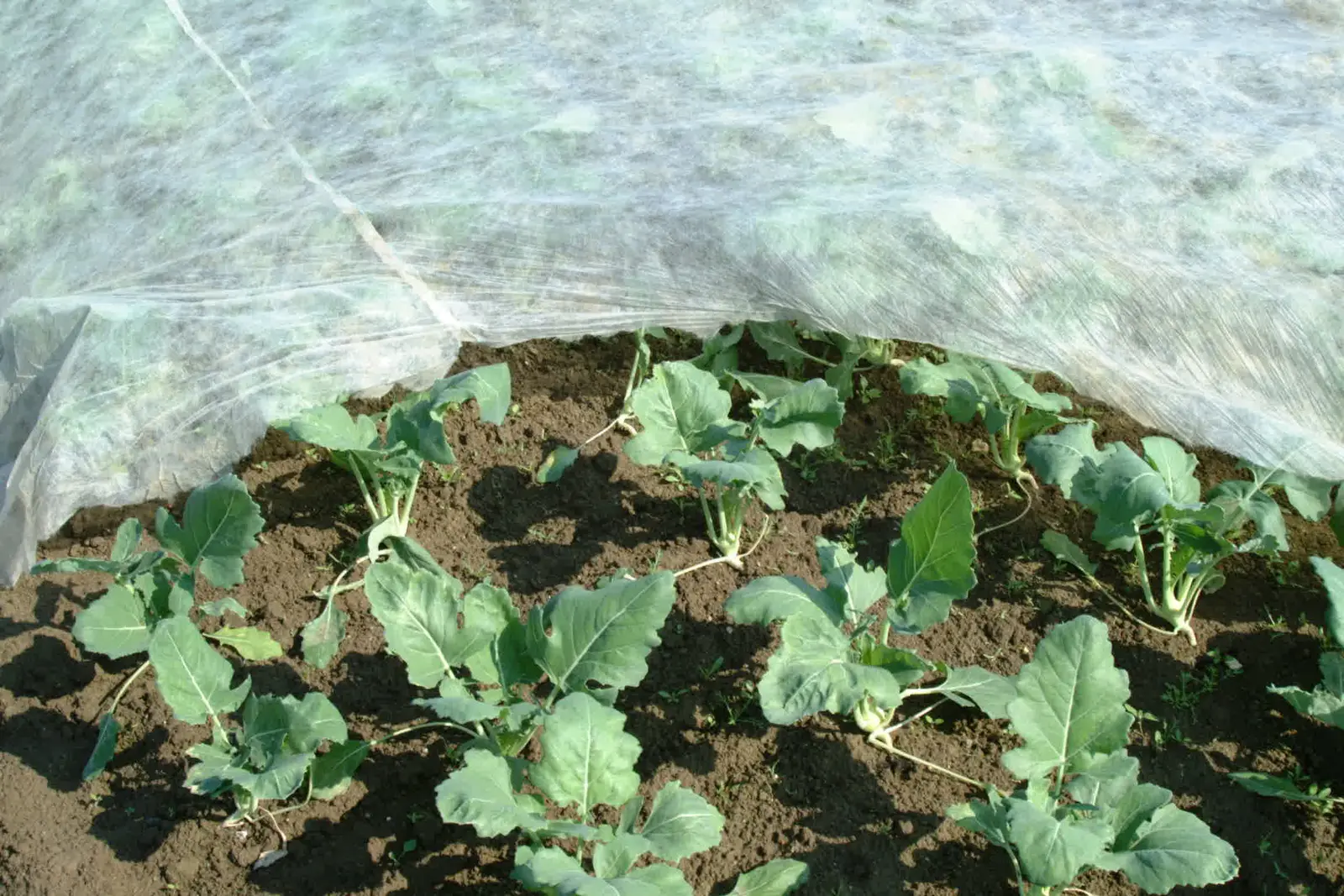
A cool, bright indoor position can extend access to leaves, but low winter light limits how fast harvested foliage can be replaced. A protected old plant is not an endless supply. Once flowering stems take over, quality and texture change; start new plants for the main kitchen crop. Decide separately whether to keep an old plant for flower structure and insect visitors. This avoids cutting every developing stalk in the hope of returning a biennial indefinitely to its first-year state.
Recognize seasonal decline and the visitors you may want
In Florida, parsley is normally a cool-season annual crop: fall planting grows through winter and eventually flowers and dies as the warmer season advances. UF/IFAS notes that some afternoon shade can help protect it from intense sun, but flowering still comes eventually. A plant reaching this stage does not necessarily have a disease. Use its age and season alongside leaf symptoms when deciding whether to replace it. UF/IFAS parsley guidance.
Chewed leaves can have a different explanation. Parsley hosts black swallowtail caterpillars, which are valuable butterfly larvae rather than a reason for an automatic spray. Maryland suggests growing extra parsley to share. Check feeding insects before acting, using the caterpillar identification guide. Small sap-feeding insects, leaf spotting and a soft, declining crown call for their own inspection; photograph the leaf surfaces and growing point rather than treating unrelated symptoms alike. Maryland herb problems.
Sources and scope
Research-based guidance informed by institutional references. Cultivar, region and growing conditions can change the advice. Product inclusion does not imply hands-on testing of every model.